

 Előnézet
 Megosztás
 Megosztás
 Részletek
 Útmutató

 Letöltés
 Hasonló darabok
 X-ray felvétel
 Diavetítés
 Statisztika
Journey
 Oil
Oil- WallArt
- Bengal School of Art
 1913
1913- 19th Century
 210.0 x 150.0 cm
 National Gallery of Modern Art
 Tovább olvasom
Giclée / Műnyomat
Múzeumi minőségű giclée vagy vászonnyomat, gyors gyártással és rugalmas finomítási lehetőségekkel. ( Kézzel festett másolat vásárlása Áttérés digitális képre)




P118B Ft10

P118H Ft10

P118W Ft10

P438Z Ft10

P508JH Ft12

P508YH Ft12

P805H Ft10

P805Z Ft10

P919BZ Ft10

P919G Ft10

P919XJ Ft10

P959ZH Ft10

P968JZ Ft12

W106C Ft8

W218G Ft10

W218JH Ft8

W218Y Ft10

W307PJ Ft10

W316G Ft10

W316PJ Ft8

W316Y Ft10

W398PJ Ft8

W4111J Ft10

W500HY Ft15

W500JH Ft15

W692G Ft12

W849H Ft8

W940BG Ft15

W953PJ Ft8




Válasszon előre meghatározott méreteink közül, amelyek megfelelnek a műalkotás eredeti arányainak.

Írja be a keretének vagy a falának megfelelő szélességet és magasságot. A nyomatot csak le lehet vágni, soha nem tehető nagyobbá, mint az eredeti kép, így egy eltérő alakú méretnél a kép egy része elveszik. Mielőtt bármit kinyatintanánk, küldünk egy digitális próbamodellt jóváhagyásra. Az oldalon látható kép nem tartalmazza a valós levágást — ezt csak a próbamodell mutatja meg.
Világszerte történő kiszállítás területére mindössze 2 hét alatt, a szokásos 4-5 hét helyett. (25 október)

Ingyenes globális expressz szállítás

Prémium minőségű len vászon

Teljes körű szállítási biztosítás

Vámvisszatérítési Garancia

Tökéletes színarányosság garancia

100 napos visszaküldési garancia (csak gyártási hibás termékek esetén)

100% pénzvisszatérítési garancia

Több darab vásárlásakor kedvezmény
 Az üvegkeretes opció csak 110 cm alatti méretben érhető el

Journey
Giclée / Műnyomat
Reprodukció méretei
-


Összesített ár
Ft 25642
The Soul of the Bengal School: A Study of Abanindranath Tagore’s Journey
In the twilight of the 19th century, a profound artistic revolution began to stir within the heart of India, led by a visionary who sought to reclaim a national identity through the brush. Abanindranath Tagore, a central figure of the illustrious Tagore family, stood at the forefront of this movement, challenging the rigid dominance of British academic realism. His masterpiece, Journey (often referred to as Journey’s End), serves as a poignant testament to this era of transition. Created in 1913, the painting is not merely a depiction of a weary animal; it is a soulful rejection of Western oil traditions in favor of a new, indigenous aesthetic that blended the delicate precision of Mughal miniature traditions with the ethereal, misty qualities of the Japanese wash technique.
The composition invites the viewer into a moment of profound stillness and quietude. At its center lies a camel, collapsed under the immense weight of a heavy load, resting upon a bed of cloth. There is an undeniable intimacy in how Tagore captures this scene; the subject matter—a traditional vignette of trade and travel—is stripped of grandiosity to focus on the raw, emotive essence of endurance. The palette is masterfully subdued, dominated by warm, earthy tones that evoke a sense of dust, heat, and the passage of time. Through his precise yet delicate linework, Tagore defines the contours of the camel’s body and the irregular folds of its burden, creating a rhythmic harmony between the organic forms of the animal and the textured layers of the surrounding fabric.
Technique and the Ethereal Atmosphere
What distinguishes Journey from the heavy, physical presence of contemporary European oil paintings is its luminous, almost translucent quality. Tagore utilized a technique that favored a soft, atmospheric glow over harsh shadows. The light appears to descend from above, casting gentle shadows that lend a subtle three-dimensionality to the forms without breaking the flattened, decorative perspective characteristic of the Bengal School. This approach creates a misty, dreamlike appearance, where the boundaries between the subject and its environment seem to blur into a unified, emotive atmosphere.
For the discerning collector or interior designer, this artwork offers a sophisticated balance of texture and tone. The brushstrokes, while appearing slightly rough in certain areas to suggest the grit of travel, are applied with a finesse that allows for a sense of light to permeate the surface. This interplay of light and shadow makes the piece an exceptional focal point for spaces that require a sense of calm, depth, and historical resonance. It is a work that does not shout for attention but rather commands it through its quiet, persistent beauty.
Symbolism and Emotional Resonance
Beyond its technical brilliance, Journey is steeped in profound symbolism. The camel, burdened by its heavy load after long distances, serves as a powerful metaphor for resilience and the indomitable spirit of endurance. It reflects the very struggle of the Indian art movement itself—the weight of colonial influence being carried toward a new, self-determined destination. The load represents the labor, commerce, and the heavy history of a nation in flux, while the stillness of the scene suggests a moment of necessary reflection and rest amidst the toil.
To possess a reproduction of this masterpiece is to bring a piece of the Bengali Renaissance into one's personal sanctuary. The painting evokes a melancholic yet peaceful mood, making it an ideal selection for those seeking to infuse their interiors with intellectual depth and emotional warmth. It remains an unforgettable image, capturing a pivotal moment in art history where tradition was not merely preserved but reimagined to create something truly eternal.
Gyakran Ismételt Kérdések
Milyen helyiségbe javasolt a „Journey”, Abanindranath Tagore alkotása?
A "Journey" reprodukciója jól illik egy Lounge-be.
Ismer-e más neveket a "Journey" alkotója, Abanindranath Tagore?
Abanindranath Tagore más néven is ismert: Aban Thakur, Abanindranath Tagore Teljes Név.
A "Journey" Abanindranath Tagore egyik legnépszerűbb műve?
A "Journey" mű a Notable kategóriába sorolható.
A művész életrajza
Korai élet és háttér
- Született: 1861. május 7., Joransanko, Kalkutta, Brit India
- Hunytott el: 1951. december 5.
- Család: A neves Tagore család tagja; Rabindranath Tagore övé. Apai nagybátyja Girindranath Tagore, édesapja pedig Gunendranath Tagore volt.
- Tanulmányok: Az 1880-as években a kolkatai Sanskrit College-on tanult, majd később a Calcutta School of Art hallgatója lett.
Művészeti fejlődés és hatások
- Kora képzés: O. Ghilardi-tól tanult pastellt, Charles Palmer-től pedig olajfestészetet a Calcutta School of Art keretein belül.
- Mogul és Rajput stílusok: Célja e stílusok modernizálása volt, miközben elvetette a nyugati művészeti modelleket.
- Swadeshi értékek: Művészetébe beépítette a Swadeshi értékeket, ezzel is népszerűsítve az indiai hagyományokat.
- Whistler esztétikumának hatása: Whistler esztétikai elvei mély nyomot hagytak benne.
- Japán hatás: Később, a Tikan és Hesida művészekkel való találkozása után stílusába integrálta a kínai és japán kallográfiai hagyományokat.
Főbb művek és művészeti hozzájárulások
- Rohini II: Egy kiemelkedő alkotás, amely művészi képességét mutatja be.
- A Shajahan halála (Passing of Shajahan): Egy másik jelentős festmény, amely stílusát tükrözi.
- Szezonális virág vázában: A technikai és tematikus mesterségének bizonyítéka.
- Az Ezüsttengere éjszakái sorozat (1930): Alföldi remekműveinek egyik legkiemelkedőbb alkotása, amely az Ezüsttengere történeteit használta fel a koloniális Kalkutta felfedezésére.
- Bharat Mata: Egy jelentős festmény, amely India anyját szimbolizálja.
- A Bengal Iskolai Művészet alapítója: Kulcsszerepet játszott a modern indiai festészet kialakításában és a nacionalista művészet terjesztésében.
- India Orientális Művészeti Társasága (1907): E társaságalapító, hogy népszerűsítse a hagyományos indiai művészeti formákat.
Örökség és történelmi jelentőség
- A modern indiai festészet úttörője: Elismert meghatározó alakként az indiai modern művészet fejlődésében.
- Hatása a későbbi művészekre: Mentorként szolgált olyan neves művészek számára, mint Nandalal Bose, Asit Halder, Kshitindranath Majumdar és Jamini Roy.
- A hagyományos művészeti formák újjáélesztése: A hagyományos indiai technikákhoz és stílusokhoz való visszatérésért одиázott.
- Hatása a bengáli gyermekirodalomra: Meghatározó gyermekkönyveket írt, mint például a Rajkahini, a Budo Angla, a Nalak és a Khirer Putul.
- Nemzeti művészeti kincsek: Műveit nemzeti művészeti kincsként tekintik.

Abanindranath Tagore
1871 - 1951 , India
Gyors információk
- Artistic Movement Or Style: Bengáli Művészeti Iskola
- Artists Or Movements Influenced By This Artist:
- Nandalal Bose
- Kshitindranath Majumdar
- Jamini Roy
- Artists Who Influenced This Artist:
- Whistler
- Mogul művészek
- Rajput művészek
- Date Of Birth: 1871. máj. 7.
- Date Of Death: 1951. dec. 5.
- Full Name: Abanindranath Tagore
- Nationality: Indiai
- Notable Artworks:
- Rohini II
- Shajahan halála
- Szezonális virág vázában
- Place Of Birth: Jorasanko, India
Kapcsolódó cikkek
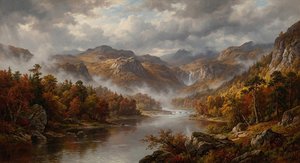
A Hudson River Iskola 10 Mesterműve: Tájképfestészet és Amerika Lelke – OriginalUniqueArt
Fedezze fel a Hudson River Iskola 10 legikonikusabb műalkotását! Frederic Church, Thomas Cole és más amerikai festők romantikus tájképei. Vászonkép másolatok, faliképek otthonába – OriginalUniqueArt.com kínálatából. Explore the full collection online!

Raja Ravi Varma: Bridging Tradition & Modernity in 19th-Century Indian Art
Explore the life & art of Raja Ravi Varma, a pioneer who fused European techniques with Indian iconography. Discover his iconic paintings, lasting legacy, and influence on modern Indian art at OriginalUniqueArt.
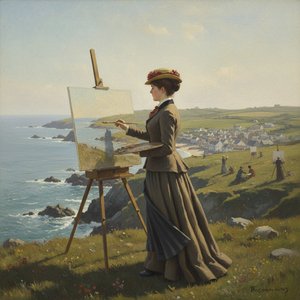
Elizabeth Adela Forbes: A Pioneering Impressionist of the Newlyn School
Explore the life & art of Elizabeth Adela Forbes, a pioneering Impressionist of the Newlyn School. Discover her captivating paintings, unique style, and lasting legacy with OriginalUniqueArt.
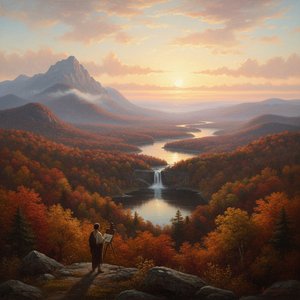
The Sublime Landscape: Exploring the Hudson River School Movement
Explore the captivating world of the Hudson River School! Discover the history, artists, and defining characteristics of this iconic American art movement. Learn about Romanticism's influence & find inspiration for your collection.

The Hague School: Realism, Atmosphere & the Dawn of Dutch Impressionism
Explore the Hague School's pivotal role in Dutch art history. Discover realism, atmospheric landscapes & its influence on Impressionism. Learn about key artists like Mauve & Maris with OriginalUniqueArt.
