Armand Guillaumin portréja

A 100 legnevesebbebb Armand Guillaumin festmény, mindegyik egyedistens

Frissítve: november 2026 · rangsorolva népszerűségi pontszámunk alapján (minden mű keresései, látogatásai és megrendelései alapján) · 344 mű Armand Guillaumin alkotása a katalógusunkban

Röviden

Place Valhubert (1872) az a Armand Guillaumin festmény, amely a legtöbb tekintetet felvonja; az eredeti mű a Musée d'Orsay gyűjteményében található, Párizs. Ezután a tekintet River Scene (1890) és Paris - Quai de la Rapee (1885) elemre irányul. A Armand Guillaumin 344 műve közül a katalógusunkban megtalálható 100 legnépesebb alkotás, melyeket az év, a múzeum és az örökévalóságának okai kísérnek.

1841 – 1927, Párizs Impressionism A legtöbb mű: Musée d'Orsay

A galéria szemével: Armand Guillaumin legjobb 10 festménye

1
Place Valhubert (1872) (1889) -ja Armand Guillaumin

Place Valhubert

1872 · Oil On Canvas · Musée d'Orsay, Párizs

The air in 1872 carries a chill that settles upon the riverbank. Snow has smoothed the edges of the city, coating the ground in a pale, quiet layer. Along the sidewalk, trees rise like dark, skeletal fingers against a sky of muted blue. They stand still, their bare branches etched sharply against the light. Beneath them, the world is a study in frost and movement.

2
River Scene (1890) (1889) -ja Armand Guillaumin

River Scene

1890 · Oil On Canvas · Izrael Múzeum, Jeruzsálem

Around 1890, the banks of the Seine became a stage for the tension between nature and the encroaching modern age. This work captures a bustling waterway where the quietude of leisure meets the grit of commerce. Several boats navigate the expanse—some barges laden with cargo, others smaller vessels drifting through calmer stretches. In the distance, the horizon is punctuated by the dark, vertical silhouettes of smoking factory chimneys, a subtle…

3
Paris - Quai de la Rapee (1885) (1889) -ja Armand Guillaumin

Paris - Quai de la Rapee

1885 · Oil On Canvas

In this 1885 oil on canvas, we find ourselves positioned at the edge of the water, observing the industrial rhythm of the Quai de la Rapée. There is a certain weight to the scene, a sense of the heavy, working life that defined the Parisian riverfront during this period. A large cargo ship or barge dominates the left side of the composition, its massive form anchored in the midground, while…

4
Madame Guillaumin Reading (1882) (1889) -ja Armand Guillaumin

Madame Guillaumin Reading

1882 · Oil On Canvas

Madame Guillaumin Reading is an oil on canvas painting created by the French artist Armand Guillaumin. Dated 1882, this work is an impressionist portrait of a young girl. The subject is positioned outdoors, seated amidst a landscape of tall grass and foliage. The composition focuses on the girl as the central figure, set against a background of trees and a distant landscape that provides a sense of depth through atmospheric…

5
The Quai d'Austerlitz (1899) (1889) -ja Armand Guillaumin

The Quai d'Austerlitz

1899 · Oil On Canvas · Indianapolis Művészeti Múzeum, Indianapolis

The water of the harbor rests in muted blues and grays, a heavy expanse that mirrors a sky filled with drifting clouds. Boats sit moored in the middle ground, their dark, ochre hulls cutting through the shimmering surface. Along the shoreline, indistinct buildings rise like shadows against the horizon. The scene captures a quiet moment of transit and stillness at the Quai d'Austerlitz. Light filters through an overcast sky, casting…

6
Still Life with Box with Blue Gloves (1873) (1889) -ja Armand Guillaumin

Still Life with Box with Blue Gloves

1873 · Oil On Canvas

A vase of flowers sits at the center of a wooden table, holding its position with a heavy, silent grace. Around this floral heart, the world is composed of everyday things: a suitcase tucked into the upper corner, a bowl, a cup, and several books. Two volumes rest near the bottom left, while another lies to the right. The scene is a study in stillness. A pair of blue gloves…

7
Portrait of Madame Guillaumin (1898) (1889) -ja Armand Guillaumin

Portrait of Madame Guillaumin

1898 · Oil On Canvas · Musée du Petit Palais, Genf

To gaze upon this portrait is to be invited into a moment suspended in time—a quiet afternoon steeped in the cultivated elegance of late 19th-century Parisian life. The subject, seated within an ornate chair, embodies a serene contemplation, her posture suggesting both intellectual engagement and profound repose. She is captured mid-activity, seemingly absorbed by the pages of a book, yet the surrounding details whisper tales of a richer, more decorative…

8
The Bouchardon Lock (1889) -ja Armand Guillaumin

The Bouchardon Lock

Oil On Canvas

The Bouchardon Lock emerges from the brush of Armand Guillaumin, a painter whose life began in Paris, France, in 1841. This work, which appears in various records as about 1908, captures a specific moment of light and water. Guillaumin moves through the landscape with a hand that seeks the immediate sensation of the river and the valley. He remains a presence in the history of French painting until his death…

9
The Bouchardon Mill, Crozant (1898) (1889) -ja Armand Guillaumin

The Bouchardon Mill, Crozant

1898 · Oil On Canvas · Metropolitan Művészeti Múzeum, New York

The river flows with a steady, rhythmic grace, carving its way through a rocky bed that catches the soft, diffused light of an overcast sky. Along the banks, the trees are heavy with the weight of the changing season, their leaves glowing in shades of golden yellow, orange, and pink. These bursts of color dominate the upper reaches of the scene, casting deep shadows of green, blue, and purple into…

10
Self Portrait with Easel (1878) (1889) -ja Armand Guillaumin

Self Portrait with Easel

1878 · Oil On Canvas · Van Gogh Múzeum, Amszterdam

In the quiet, contemplative depths of Self Portrait with Easel, we are invited into a private moment of creative gestation. Painted in 1878 by the French Impressionist master Ferdinand Guillaumin, this work serves as more than just a likeness; it is a window into the psychological landscape of a creator at work. The painting captures the artist seated before his easel, his gaze directed toward the viewer with an expression…

Armand Guillaumin híres festményei, 11 és 100 között

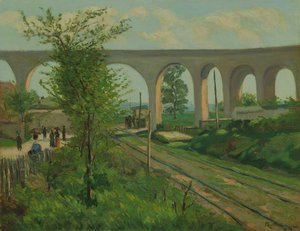
11Rocks at Trayas (1915) (1889) -ja Armand GuillauminRocks at Trayas1915 12La Seine (1889) -ja Armand GuillauminLa Seine 13The Arcueil Aqueduct at Sceaux Railroad Crossing (1889) -ja Armand GuillauminThe Arcueil Aqueduct at Sceaux Railroad CrossingArt Institute of Chicago 14Nanteuil-sur-Marne (1911) (1889) -ja Armand GuillauminNanteuil-sur-Marne1911 15The Sand Quarry (1895) (1889) -ja Armand GuillauminThe Sand Quarry1895 16Seaside at Agay (1900) (1889) -ja Armand GuillauminSeaside at Agay1900 17Self-Portrait (1895) (1889) -ja Armand GuillauminSelf-Portrait1895 · Ohara Museum of Art 18Paysage boise à l'étang (1889) -ja Armand GuillauminPaysage boise à l'étang 19The Seine at Charenton (1878) (1889) -ja Armand GuillauminThe Seine at Charenton1878 · Musée d'Orsay 20Villiers-sur-Morin (1905) (1889) -ja Armand GuillauminVilliers-sur-Morin1905 21Paysage de la Creuse 1 (1889) -ja Armand GuillauminPaysage de la Creuse 1 22The Banks of the River (1889) -ja Armand GuillauminThe Banks of the River 23Madame Guillaumin Sitting in a Garden (1890) (1889) -ja Armand GuillauminMadame Guillaumin Sitting in a Garden1890 24Mill of Pont Maupuit (1900) (1889) -ja Armand GuillauminMill of Pont Maupuit1900 · Art Institute of Chicago 25The Ruins of the Chateau at Crozant (1899) (1889) -ja Armand GuillauminThe Ruins of the Chateau at Crozant1899 26Hollow in the snow (1869) (1889) -ja Armand GuillauminHollow in the snow1869 · Musée d'Orsay 27Still Life with Casserole (1867) (1889) -ja Armand GuillauminStill Life with Casserole1867 28The Seine at Paris (also known as Quai de la Rapee) (1871) (1889) -ja Armand GuillauminThe Seine at Paris (also known as Quai de la Rapee)1871 · Museum of Fine Arts, Houston 29Painting (1876) (1889) -ja Armand GuillauminPainting1876 · National Museum of Art, Architecture and Design 30Quai de Bercy, circa 1874 (1874) (1889) -ja Armand GuillauminQuai de Bercy, circa 18741874 · Carnavalet Museum 31Les Environs de Paris (1874) (1889) -ja Armand GuillauminLes Environs de Paris1874 · Birmingham Museum and Art Gallery 32La Seine (1874) (1889) -ja Armand GuillauminLa Seine1874 · Fine Arts Museums of San Francisco 33The Seine at Charenton (1874) (1889) -ja Armand GuillauminThe Seine at Charenton1874 · Norton Simon Múzeum 34The Bridge of Louis Philippe (1875) (1889) -ja Armand GuillauminThe Bridge of Louis Philippe1875 · National Gallery of Art 35Snow (1876) (1889) -ja Armand GuillauminSnow1876 36Rue de Clamart at Vanves (1873) (1889) -ja Armand GuillauminRue de Clamart at Vanves1873 37Pont Marie, Quai Sully (1878) (1889) -ja Armand GuillauminPont Marie, Quai Sully1878 38The Seine (1873) (1889) -ja Armand GuillauminThe Seine1873 39La Route Tournante (1877) (1889) -ja Armand GuillauminLa Route Tournante1877 40Portrait of a Young Woman (1875) (1889) -ja Armand GuillauminPortrait of a Young Woman1875 41Damiette - Apple Trees (1884) (1889) -ja Armand GuillauminDamiette - Apple Trees1884 · Musée d'Orsay 42The Path to the Valley (1885) (1889) -ja Armand GuillauminThe Path to the Valley1885 · Petit Palais 43Painting (1880) (1889) -ja Armand GuillauminPainting1880 · National Museum of Art, Architecture and Design 44Quai de Bercy (1881) (1889) -ja Armand GuillauminQuai de Bercy1881 45Confluence of the Marne and the Seine, Île de France (1885) (1889) -ja Armand GuillauminConfluence of the Marne and the Seine, Île de France1885 46Pont Marie from the Quai d'Anjou (1883) (1889) -ja Armand GuillauminPont Marie from the Quai d'Anjou1883 47Palaiseau - Snow Effect (1883) (1889) -ja Armand GuillauminPalaiseau - Snow Effect1883 48Le Charrois au bord de la Seine (1882) (1889) -ja Armand GuillauminLe Charrois au bord de la Seine1882 49The Quay at Rouen (1882) (1889) -ja Armand GuillauminThe Quay at Rouen1882 50Quai de Bercey (1880) (1889) -ja Armand GuillauminQuai de Bercey1880 51Damiette (also known as Vallee de Chevreuse) (1880) (1889) -ja Armand GuillauminDamiette (also known as Vallee de Chevreuse)1880 52The Seine at Charenton (1880) (1889) -ja Armand GuillauminThe Seine at Charenton1880 53Quai Saint Bernard in the Snow (1882) (1889) -ja Armand GuillauminQuai Saint Bernard in the Snow1882 54Laundry Boat at Charenton (1880) (1889) -ja Armand GuillauminLaundry Boat at Charenton1880 55The Little Thieves (1885) (1889) -ja Armand GuillauminThe Little Thieves1885 56Epinay-sur-Orge (1884) (1889) -ja Armand GuillauminEpinay-sur-Orge1884 57Vase of Chrysanthemums (1885) (1889) -ja Armand GuillauminVase of Chrysanthemums1885 58Saint-Palais, the Pointe de la Douane, August 92, 10 o'clock in the morning (1892) (1889) -ja Armand GuillauminSaint-Palais, the Pointe de la Douane, August 92, 10 o'clock in the morning1892 · Petit Palais 59Village in Ile-de-France (1888) (1889) -ja Armand GuillauminVillage in Ile-de-France1888 60Woman and Child in Landscape (1892) (1889) -ja Armand GuillauminWoman and Child in Landscape1892 · Davis Museum and Cultural Center 61Ile de France (1888) (1889) -ja Armand GuillauminIle de France1888 62Quay de Bercy (1891) (1889) -ja Armand GuillauminQuay de Bercy1891 63The Quay d'Austerlitz, Morning (1886) (1889) -ja Armand GuillauminThe Quay d'Austerlitz, Morning1886 64Landscape at Breuillet (1890) (1889) -ja Armand GuillauminLandscape at Breuillet1890 65Pond with Willows, Îli-de-France (1889) (1889) -ja Armand GuillauminPond with Willows, Îli-de-France1889 66Le Pleteau Bromant a Pontgibaud (also known as Puy de Dome) (1890) (1889) -ja Armand GuillauminLe Pleteau Bromant a Pontgibaud (also known as Puy de Dome)1890 67la Manche Landscape (1890) (1889) -ja Armand Guillauminla Manche Landscape1890 68Landscape - the Creuse in the Snow (1890) (1889) -ja Armand GuillauminLandscape - the Creuse in the Snow1890 · Musée du Petit Palais 69Grainstacks (1891) (1889) -ja Armand GuillauminGrainstacks1891 · Musée du Petit Palais 70Damiette Landscape (1890) (1889) -ja Armand GuillauminDamiette Landscape1890 71Horses in the Sand at Ivry (1891) (1889) -ja Armand GuillauminHorses in the Sand at Ivry1891 72The Rock Breaker (1890) (1889) -ja Armand GuillauminThe Rock Breaker1890 · Rhode Island School of Design Museum of Art 73The Sea at Pointe de la Perriere, Saint-Palais (1892) (1889) -ja Armand GuillauminThe Sea at Pointe de la Perriere, Saint-Palais1892 74Small Valley at Pontgibaud (1890) (1889) -ja Armand GuillauminSmall Valley at Pontgibaud1890 75Sifting Sand (1891) (1889) -ja Armand GuillauminSifting Sand1891 76Passers-by in Paris in Winter (1888) (1889) -ja Armand GuillauminPassers-by in Paris in Winter1888 77Portrait of Madame Guillaumin (1892) (1889) -ja Armand GuillauminPortrait of Madame Guillaumin1892 78Rock Cliff on the Baumette Headland (1893) (1889) -ja Armand GuillauminRock Cliff on the Baumette Headland1893 · Wallraf-Richartz Múzeum 79Rocks at Agay (1895) (1889) -ja Armand GuillauminRocks at Agay1895 · Petit Palais 80Les ruines du château de Crozant (1898) (1889) -ja Armand GuillauminLes ruines du château de Crozant1898 · Musée d'Unterlinden 81Vallée de la Creuse (1895) (1889) -ja Armand GuillauminVallée de la Creuse1895 · Musée d'Unterlinden 82Mountainous landscape (1895) (1889) -ja Armand GuillauminMountainous landscape1895 · Bavári Állami Festırménygyűjtemények 83Grainstacks in Île-de-France (1894) (1889) -ja Armand GuillauminGrainstacks in Île-de-France1894 · Museum Barberini 84View of Crozant (1898) (1889) -ja Armand GuillauminView of Crozant1898 85The Sea at Saint-Palais (1895) (1889) -ja Armand GuillauminThe Sea at Saint-Palais1895 · Wallraf-Richartz Múzeum 86The Ruins at Crozant (1897) (1889) -ja Armand GuillauminThe Ruins at Crozant1897 87La Creuse Landscape (1895) (1889) -ja Armand GuillauminLa Creuse Landscape1895 88Madame Guillaumin Writing (1894) (1889) -ja Armand GuillauminMadame Guillaumin Writing1894 89Madame Guillaumin Reading in the Garden (1895) (1889) -ja Armand GuillauminMadame Guillaumin Reading in the Garden1895 90Landscape in the Vicinity of Rouen (1898) (1889) -ja Armand GuillauminLandscape in the Vicinity of Rouen1898 91The Platin Rock at Saint-Palais (1893) (1889) -ja Armand GuillauminThe Platin Rock at Saint-Palais1893 92Child Eating Soup (1894) (1889) -ja Armand GuillauminChild Eating Soup1894 93Ile de France Landscape (1895) (1889) -ja Armand GuillauminIle de France Landscape1895 94Saint-Julien-des-Chazes, Allier (1895) (1889) -ja Armand GuillauminSaint-Julien-des-Chazes, Allier1895 95Orchard at the Edge of the Woods in Saint-Cheron (1893) (1889) -ja Armand GuillauminOrchard at the Edge of the Woods in Saint-Cheron1893 96Snow at Crozant (1898) (1889) -ja Armand GuillauminSnow at Crozant1898 97Saint Palais, Pointe de la Perriere (1893) (1889) -ja Armand GuillauminSaint Palais, Pointe de la Perriere1893 98Landscape - the Creuse (1897) (1889) -ja Armand GuillauminLandscape - the Creuse1897 99Sunset on the Creuse (1898) (1889) -ja Armand GuillauminSunset on the Creuse1898 100Red Rocks (1894) (1889) -ja Armand GuillauminRed Rocks1894

Armand Guillaumin híres festményei, korszakonként

A témák, amelyek Armand Guillaumin figyelmét meghúzták

A négy leggyakorobban előforduló téma ebben az eredeti művekben, mindegyik a legkiválóbb példájával.

A műemlékek, amelyek Armand Guillaumin eredeti műveit őrzik

A 8 olyan múzeum, amely a legtöbb ezen az oldalon szereplő festményet őrzi.

Múzeum Város Armand Guillaumin művei Ebből a listából származó festmények
Musée d'Orsay, PárizsMusée d'Orsay Párizs 10 Place Valhubert, The Seine at Charenton, Hollow in the snow
Petit Palais, ParisPetit Palais Paris 5 The Path to the Valley, Saint-Palais, the Pointe de la Douane, August 92, 10 o'clock in the morning, Rocks at Agay
Musée du Petit Palais, GenfMusée du Petit Palais Genf 3 Portrait of Madame Guillaumin, Landscape - the Creuse in the Snow, Grainstacks
Wallraf-Richartz Múzeum, KölnWallraf-Richartz Múzeum Köln 3 Rock Cliff on the Baumette Headland, The Sea at Saint-Palais
Musée d'Unterlinden, ColmarMusée d'Unterlinden Colmar 3 Les ruines du château de Crozant, Vallée de la Creuse
Art Institute of Chicago, ChicagoArt Institute of Chicago Chicago 2 The Arcueil Aqueduct at Sceaux Railroad Crossing, Mill of Pont Maupuit
National Museum of Art, Architecture and Design, OsloNational Museum of Art, Architecture and Design Oslo 2 Painting, Painting
Indianapolis Művészeti Múzeum, IndianapolisIndianapolis Művészeti Múzeum Indianapolis 2 The Quai d'Austerlitz

Armand Guillaumin évtizedekig: egy egyedi eredeti mű minden évtizedben

Művek évtizedenként

Váassz ki egy évtizedet, hogy megnézhesd az azt meghatározó eredetiműveket.

Armand Guillaumin festményei: kérdések a galériának

Mi a leghíresebb műve Armand Guillauminnek?Fedje fel a választ

Place Valhubert (1872), Musée d'Orsay, Párizs. Ezután River Scene (1890) és Paris - Quai de la Rapee (1885) következik.

Milyen életkorában alkotta meg Armand Guillaumin a(z) Place Valhubert műszt?Fedje fel a választ

31 éves: Place Valhubert 1872-ből származik, Armand Guillaumin pedig 1841-ben született.

Melyik tíz festménye Armand Guillaumin a leghíresebb?Fedje fel a választ

Place Valhubert, River Scene, Paris - Quai de la Rapee, Madame Guillaumin Reading, The Quai d'Austerlitz, Still Life with Box with Blue Gloves, Portrait of Madame Guillaumin, The Bouchardon Lock, The Bouchardon Mill, Crozant és Self Portrait with Easel. A fenti rangsor a művek évszamarát és a múzeumát jelzi.

Hány mű alkotása ismert Armand Guillaumin nevében?Fedje fel a választ

Katalógusunkban 344 mű található Armand Guillaumin alkotótól, 1867 és 1915 év közötti időszakból.

Hol tekinthetők meg a leghíresebb Armand Guillaumin eredetijeit?Fedje fel a választ

Leginkább Musée d'Orsay (Párizs), Petit Palais (Paris) és Musée du Petit Palais (Genf) található. A fenti múzeumi táblázatban mindegyik felsorolásra került.

Melyik időszakban alkotta Armand Guillaumin a leghíresebb festményeit?Fedje fel a választ

1890s alatt: a jelen laphonon található 100 műből 46 készült ebben az időszakban, köztük River Scene.

Melyik híres Armand Guillaumin festmény a legkorábbi, és melyik a legutóbb készült?Fedje fel a választ

Ezen az oldalon a leghitelesebb Still Life with Casserole (1867), a legutóbbi pedig Rocks at Trayas (1915).

Milyen témakörket kedvelt Armand Guillaumin?Fedje fel a választ

Landscape (17), Trees (10) és River (6), a jelen oldalon található 100 műművészeti alkotás között.

Milyen anyagokkal festett leggyakrabban Armand Guillaumin?Fedje fel a választ

Oil On Canvas, a jelen oldalon található 100 műből 19 darab esetén.

Mely művészeti irányba tartozik Armand Guillaumin műve?Fedje fel a választ

Impressionism, ezen az oldalon található eredetiek alapján.

Milyen Armand Guillaumin eredeti műveket láthatok a Musée d'Orsay kiállításaiban?Fedje fel a választ

Place Valhubert, The Seine at Charenton és Hollow in the snow: a Musée d'Orsay, Párizs 4 művet őrzi ezen az oldalon.

Armand Guillaumin: a művész portréja

Korai életútja és művészeti oktatása

Jean-Baptiste Armand Guillaumin néven született 1841. február 16-án Párizsban, a férfi, aki később Ferdinand Guillaumin néven vált ismertté, korai éveit a munka és a rajz iránti csendes érdeklődés egyensúlyozásával töltötte. Mielőtt teljesen a vászon felé fordult volna, nagybátyja fehérneműboltja-ban dolgozott. Az esti órákban rajzórackezéseket vett fel, hogy finomítsa a vonalvezetését. Ezt a munkakorozatot egy rövid ideig tartó állomás szakította meg a francia állami vasútnál, amely a művészeti világba való hivatalos belépése előtt öntette magát.

1861-ben az Académie Suisse-ben kezdte el komolyabb tanulmányait. Pont ezen falak között bukkant rá Paul Cézanne és Camille Pissarro alakjára. Ezek az early kapcsolatok nem csupán véletlenszerű ismertségek voltak; ezek voltak az élethosszig tartó barátságok kezdetei. A műhelyben szerzett közös élmények és azokban a szobákban megtanult lecciones alapvetően meghatározták későbbi művészetének irányát.

Technika és művészeti stílus

Ferdinand Guillaumin ecsetvezetése egyfajta magabiztosságot áraszt, amelyet laza és biztos kézzel alkalmaz. Korai éveiben a fény és a színek ኣብól, elszállingó pillanatainak megörökítésére összpontosított, ami az impresszionista mozgalom egyik legfőbb megkülönböztetőjévé vált. Gyakran alkalmazta az olajfestéket, hogy átadja egy jelenet hangulatát, legyen szó egy havas párizsi utcáról vagy egy csendes folyópartról. Megközelítése soha nem a pontos, fotográfiaival megegyező részletkidobásról szólt, hanem inkább egy pillanat azonnali, érzékelhető hatásáról.

Karrierje haladásaával színhasználata egyre intenzívebbé vált. 1886-ra a palettája miatt már „félelmetes koloristának” is nevezniத்ék. Távolodott a kortársai finom, naturalisztikus tónusaitól, és helyette sokkal merészebb alkalmazást választott. Az 1890-es évekig ez a váltás még inkább hangsúlyosvá vált. Színei egyre kevésbé hűek voltak a természet valódi megjelenésének, inkább egy felerősített, szinte agresszív intenzitás felé húzva. Ez az evolúció azt sugallja, hogy már egy évtizeddel a fauvisztizmus megjelenése előtt felfedezte annak útjait.

A fény kezelése gyakran a szimbolikus irányba lendült, bőséges színeket használva, hogy álomszerű misztikumérzetet keltsen. Ez a feszültség a valós táj megörökítése és a színek használata közötti értelemben – amelyek az érzelmi, belső állapot kifejezésére szolgálnak – határozza meg alkotásai nagy részét. Művészete gyakran a természet megfigyelése és annak szubjektívabb, kifejező értelmezése között helyezkedik el.

Művészeti körök és hatások

Ferdinand Guillaumin az impresszionizmus magja körében mozogott, részt véve a Société anonyme des artistes peintres, sculpteurs et graveurs által 1874 és 1886 közöttจัด szervezett nyolc kiállítások öte résén. J presence ezeken a találkozókon az mellett állt, akik éppen az korszak vizuális nyelvét formálták. Egy közös műteremben osztozott helyet Paul Cézanne-nel az Île Saint-Louis szigetén, a két művész között olyan szoros kapcsolat alakult ki, hogy Cézanne még radnografikus portrékat is készített róla. Ez a közelség lehetővé tette az ötletek és módszerek folyamatos, csendes cseregazdaságát az 1870-es évek során.

Műterme gyakran a fiatalabb generatíva festőiről ismert gathering pontként funkcionált. Olyan nevek, mint Paul Gauguin, Paul Signac és Georges Seurat, gyakran gyűltek össze a falai között, egy közösségi terek keresése közben. Ez az összekapcsolódás az emulzáló avantgárd részeként egyfajta hidat képez a már etablált impresszionista csoport és a később kialakuló mozgalmak között. Még Vincent van Gogh is számos dicséretet fogalmazott meg Guillaumin megközelítéseiről a 1888 és 1890 közöttcserélt számos levélben, amelyben magasra emelte művészetét.

Főbb művei és gyűjtemények

Művészetének jelentős része a világ számos neves intézményében őrzött gyűjteményekben található. A párizsi Musée d’Orsay 48 műve tartalmaz, ami mélyreható betekintést nyújt alkotói fejlődésébe. E művek közül kiemelkedik az 1872-ben készült Place Valhubert, Paris, amely egy téli városi tájat örökít meg, ahol a folyópart menti havas utcán vonulnak el az emberek.

A tájképi árazás gyakran a Seine partjához vezette az útját. A kollekció egyik másik meghatározó alkotása a The Seine at Charenton. A fény és a színek mesteri kezelése lenyűgözően mutatkozik meg ezekben a természetről és a városi életről készült tanulmányokban. Számos festményét különböző múzeumokban őrzik, biztosítva, hogy vizuális nyelvezége továbbra is elérhető maradjon az évszak művészét kutatók számára.

Örökség és későbbi évek

Ferdinand Guillaumin életében egy alapvető fordulópont következett be 1891-ben. Egy állami lotterin megnyert 100 000 frank segítette őt abban, hogy végre elhagyja állami munkáját, így teljes odaedulésel szentelhethette magát a festészetnek. Az évtizedek folyamán színei még inkább bájosak és merészebbek lettek; művészete egyre távolodott a természet hű, realista ábrázolásától, egy olyan stílus felé nyílván, amelyet egyesek a fauvizmus előszépítésének tekintenek.

Művészeti jelenléte folyamatos és meghatározó maradt egészen haláláig, amely 1927. június 26-án következett be. A behind-the-scenes alkotásokból és a megmaradt művekből az európai művészet kincsei váltak, melyek ma már számos neves gyűjteményben, köztük a párizsi Musée d’Orsay-ban és a Petit Palais-ban kapnak helyet. Ferdinand Guillaumin hozzájárulása az impresszionizmushoz felbecílhatatlan azok számára, akik a 19. század végi fény és színfejlődést kutatják.