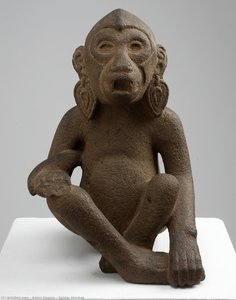
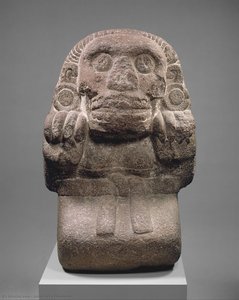
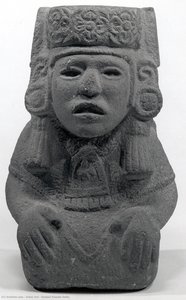
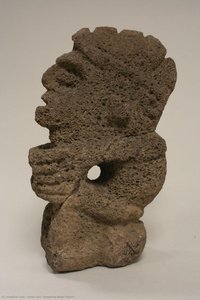
Portret Azteški Carstvo

The 70 Most Famous Azteški Carstvo Paintings, Each One of a Kind

Ažurirano Listopad 2026 · rangirano prema našoj ocjeni popularnosti (pretraživanja, posjeti i narudžbe za svako djelo) · 70 djela Azteški Carstvo u našem katalogu

In short

Mosaic of a Double-headed Serpent (1521) is the Azteški Carstvo painting that draws the most eyes; the original belongs to the British Museum, London. After it, the eye goes to Head from a Figure, Xochipilli Macuilxochitl (1521) and Figure (1521). Among the 70 works of Azteški Carstvo in our catalog, these 70 are the most famous, each a unique original presented with its year, its museum and the reason it endures.

1300 – 1521, Tenochtitlan Najviše djela: Metropolitan Museum of Art

Top 10 paintings by Azteški Carstvo, through the gallery's eye

1
Mosaic of a Double-headed Serpent (1521) od Azteški Carstvo

Mosaic of a Double-headed Serpent

1521 · Mosaic · British Museum, London

To gaze upon this mosaic of a double-headed serpent is to step directly into the vibrant, myth-laden heart of the Aztec Empire. It is not merely an object of decoration; it is a captured echo of profound belief, a testament to a civilization whose artistry wove the sacred into the very fabric of daily existence. The serpentine form dominates the composition, its sinuous body rendered in breathtaking detail across countless…

2
Head from a Figure, Xochipilli Macuilxochitl (1521) od Azteški Carstvo

Head from a Figure, Xochipilli Macuilxochitl

1521 · Sculpture · Metropolitan Museum of Art, New York

The obsidian head before us—a dark, almost brooding presence—isn’t merely a sculpture; it's a portal into the vibrant and complex world of the Aztec Empire. Carved in the early 16th century, just decades before the arrival of the Spanish conquistadors, this intimate portrait of Xochipilli Macuilxochitl offers a rare and compelling glimpse into the beliefs, artistry, and ultimately, the fleeting beauty of a vanished civilization. The piece speaks not only…

3
Figure (1521) od Azteški Carstvo

Figure

1521 · Stone · Metropolitan Museum of Art, New York

Before you stands an echo from a civilization whose very name whispers tales of empire and profound spiritual depth: the magnificent "Figure" sculpture. Carved from enduring stone, this piece is not merely an object of antiquity; it is a frozen moment of sacred contemplation. The overall impression is one of solemn power, a tangible connection to the sophisticated worldview of the Aztec people who flourished in the heart of Mesoamerica.…

4
Kneeling Male Figure (1521) od Azteški Carstvo

Kneeling Male Figure

1521 · Stone · Metropolitan Museum of Art, New York

To gaze upon this fragment is to reach across the vast chasm of five centuries, touching the solemn breath of an empire long dissolved into myth and archaeological wonder. This kneeling male figure, carved from a dark, porous stone—perhaps basalt itself—is more than mere sculpture; it is a captured moment of profound spiritual engagement. The very texture of the material speaks of time, bearing the patina of ritual smoke and…

5
Serpent Labret with Articulated Tongue od Azteški Carstvo

Serpent Labret with Articulated Tongue

Acrylic On Canvas · Metropolitan Museum of Art, New York

Serpent Labret with Articulated Tongue The Serpent Labret with Articulated Tongue stands as a testament to the unparalleled artistry of the Aztec Empire—a singular achievement in goldwork that embodies both exquisite craftsmanship and profound symbolic meaning. Discovered in 1937, this remarkable ornament now resides at the Metropolitan Museum of Art (New York City), where it continues to captivate visitors with its mesmerizing beauty and intricate detail. Its provenance is traced…

6
Pendent in the Shape of a Warrior (1350) od Azteški Carstvo

Pendent in the Shape of a Warrior

1350 · Metalwork · Cleveland Museum of Art, Cleveland

To hold this piece in your mind is to encounter the quiet strength of the Post-classic period. This small, metallic figure, likely worn close to the body, captures a warrior in a moment of poised readiness. The figure is rendered with a striking sense of presence, characterized by a prominent nose, wide eyes, and a slightly protruding mouth that gives the face a distinct, human character. There is a certain…

7
Figure (1521) od Azteški Carstvo

Figure

1521 · Stone · Metropolitan Museum of Art, New York

This monochrome photograph captures an ancient Aztec sculpture titled Figure. The piece presents a stylized representation of a human figure, likely a deity or important individual within the Aztec culture. Set against a dark background that emphasizes its intricate details, the sculpture is positioned slightly off-center towards the right of the frame.

8
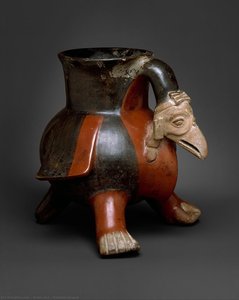
Vulture Vessel (1521) od Azteški Carstvo

Vulture Vessel

1521 · Ceramic · Metropolitan Museum of Art, New York

This ceramic vessel, produced around 1521 by Aztec artists, takes the shape of a stylized vulture. The object is constructed from earthenware with a robust, cylindrical body. Four curved legs support the structure, positioned to suggest a sense of movement or a bird prepared to perch. The surface is primarily covered in a reddish-brown hue, likely derived from iron oxide pigments. Black glaze defines specific areas, creating bands that outline…

9
Standard Bearer (1521) od Azteški Carstvo

Standard Bearer

1521 · Stone · Metropolitan Museum of Art, New York

The Aztec sculpture titled "Standard Bearer," a remarkable testament to the artistry and symbolic depth of the pre-Columbian civilization, stands as more than just a carved stone figure. It’s a window into a complex society—a warrior, a leader, a conduit between the earthly realm and the divine. Dating back to approximately 1450-1521 CE, this piece, originating from the region of Veracruz, offers a tangible connection to a world both familiar…

10
Crested Figure (Macuilxochitl) (1521) od Azteški Carstvo

Crested Figure (Macuilxochitl)

1521 · Metropolitan Museum of Art, New York

Crested Figure (Macuilxochitl): Echoes of Aztec Cosmology The photograph presents a striking depiction of an Aztec sculpture titled “Crested Figure (Macuilxochitl),” originating from the 15th–early 16th century during the height of the Mexica Empire. This artwork embodies the artistic spirit of Mesoamerica, reflecting profound religious beliefs and political authority—a testament to the enduring legacy of a civilization that captivated imaginations for centuries. Overall Impression: The image captures a sculpture crafted…

Azteški Carstvo's famous paintings, numbers 11 to 70

11Seated Male Deity (Ehecatl) (1521) od Azteški CarstvoSeated Male Deity (Ehecatl)1521 · Metropolitan Museum of Art 12Seated Male Deity (1521) od Azteški CarstvoSeated Male Deity1521 · Metropolitan Museum of Art 13Kneeling Female Figure (1521) od Azteški CarstvoKneeling Female Figure1521 · Metropolitan Museum of Art 14Labret, Eagle Head (1521) od Azteški CarstvoLabret, Eagle Head1521 · Metropolitan Museum of Art 15Miniature Bowl (1521) od Azteški CarstvoMiniature Bowl1521 · Metropolitan Museum of Art 16Fragment of An Anthropomorphic Brazier (1300) od Azteški CarstvoFragment of An Anthropomorphic Brazier1300 17Riutal Stone (Pulidor) (1521) od Azteški CarstvoRiutal Stone (Pulidor)1521 · Metropolitan Museum of Art 18Ear Spool (1521) od Azteški CarstvoEar Spool1521 · Metropolitan Museum of Art 19Seated Female Deity (1521) od Azteški CarstvoSeated Female Deity1521 · Metropolitan Museum of Art 20Aztec Sun Stone (Calendar Stone) (1427) od Azteški CarstvoAztec Sun Stone (Calendar Stone)1427 21Mictlantecuhtl (1480) od Azteški CarstvoMictlantecuhtl1480 22Eagle Warrior (1469) od Azteški CarstvoEagle Warrior1469 23Coyote (1500) od Azteški CarstvoCoyote1500 24Warrior's Teponaztli (1500) od Azteški CarstvoWarrior's Teponaztli1500 25Macuilxochitl Teponaztli Votive (1500) od Azteški CarstvoMacuilxochitl Teponaztli Votive1500 26Xiuhmolpilli (1 Death) (1500) od Azteški CarstvoXiuhmolpilli (1 Death)1500 27Hunchback (1500) od Azteški CarstvoHunchback1500 28Dead Warrior Brazier (1500) od Azteški CarstvoDead Warrior Brazier1500 29Crested figure (Macuilxochitl) (1521) od Azteški CarstvoCrested figure (Macuilxochitl)1521 30Stamp, Feline Profile (1521) od Azteški CarstvoStamp, Feline Profile1521 31Seated Male Deity (1521) od Azteški CarstvoSeated Male Deity1521 · Metropolitan Museum of Art 32Bell (1521) od Azteški CarstvoBell1521 · Metropolitan Museum of Art 33Spider Monkey (1521) od Azteški CarstvoSpider Monkey1521 · Rhode Island School of Design Museum of Art 34Cihuateotl (1521) od Azteški CarstvoCihuateotl1521 · Metropolitan Museum of Art 35Stamp (1521) od Azteški CarstvoStamp1521 · Metropolitan Museum of Art 36Feathered Serpent Ornament (1521) od Azteški CarstvoFeathered Serpent Ornament1521 · Metropolitan Museum of Art 37Relief (1521) od Azteški CarstvoRelief1521 · Metropolitan Museum of Art 38Eagle Head Ornament od Azteški CarstvoEagle Head OrnamentMetropolitan Museum of Art 39Skull Pendant od Azteški CarstvoSkull PendantMetropolitan Museum of Art 40Stamp (1521) od Azteški CarstvoStamp1521 · Metropolitan Museum of Art 41Female Deity od Azteški CarstvoFemale DeityMetropolitan Museum of Art 42Tripod Bowl od Azteški CarstvoTripod BowlMetropolitan Museum of Art 43Maize Deity (Chicomecoatl) od Azteški CarstvoMaize Deity (Chicomecoatl)Metropolitan Museum of Art 44Seated Female Deity od Azteški CarstvoSeated Female DeityMetropolitan Museum of Art 45Kneeling Male Figure od Azteški CarstvoKneeling Male FigureMetropolitan Museum of Art 46Seated Male od Azteški CarstvoSeated MaleMetropolitan Museum of Art 47Ritual Stone (pulidor) (1521) od Azteški CarstvoRitual Stone (pulidor)1521 · Metropolitan Museum of Art 48Solar Plate (1500) od Azteški CarstvoSolar Plate1500 49Serpent Head (1521) od Azteški CarstvoSerpent Head1521 50Pipe (1521) od Azteški CarstvoPipe1521 · Metropolitan Museum of Art 51Seated Male Deity od Azteški CarstvoSeated Male DeityMetropolitan Museum of Art 52Lip Plug od Azteški CarstvoLip PlugMetropolitan Museum of Art 53Necklace Ornaments, Frogs od Azteški CarstvoNecklace Ornaments, FrogsMetropolitan Museum of Art 54Uilacapitztli (Pottery Flute) od Azteški CarstvoUilacapitztli (Pottery Flute)Metropolitan Museum of Art 55Miniature Pedestal Bowl od Azteški CarstvoMiniature Pedestal BowlMetropolitan Museum of Art 56Tlazolteotl (Birthing Figure) od Azteški CarstvoTlazolteotl (Birthing Figure)Dumbarton Oaks Research Library and Collection 57Standard-Bearer (1519) od Azteški CarstvoStandard-Bearer1519 58Drum (Teponaztli) od Azteški CarstvoDrum (Teponaztli)Metropolitan Museum of Art 59Tripod Vessel with Date Glyph od Azteški CarstvoTripod Vessel with Date GlyphMetropolitan Museum of Art 60Bowl od Azteški CarstvoBowlMetropolitan Museum of Art 61Maize Deity (Chicomecoatl) od Azteški CarstvoMaize Deity (Chicomecoatl)Metropolitan Museum of Art 62Stamp, Butterfly od Azteški CarstvoStamp, ButterflyMetropolitan Museum of Art 63Flute od Azteški CarstvoFluteMetropolitan Museum of Art 64Miniature Pedestal Bowl od Azteški CarstvoMiniature Pedestal BowlMetropolitan Museum of Art 65Ear Ornament od Azteški CarstvoEar OrnamentMetropolitan Museum of Art 66Miniature Tripod Vase od Azteški CarstvoMiniature Tripod VaseMetropolitan Museum of Art 67Stamp, Monkey od Azteški CarstvoStamp, MonkeyMetropolitan Museum of Art 68Bowl od Azteški CarstvoBowlMetropolitan Museum of Art 69Flat Stamp with Geometric Flower od Azteški CarstvoFlat Stamp with Geometric FlowerMetropolitan Museum of Art 70Blade od Azteški CarstvoBladeMetropolitan Museum of Art

Azteški Carstvo's famous paintings, period by period

The subjects that held Azteški Carstvo's eye

The four subjects that come back most often in these originals, each with its finest example.

The museums that keep Azteški Carstvo's originals

5 muzeja u kojima se nalazi najviše djela s ove stranice.

Muzej Grad Djela autora Azteški Carstvo Slike iz ovog popisa
Metropolitan Museum of Art, New YorkMetropolitan Museum of Art New York 51 Head from a Figure, Xochipilli Macuilxochitl, Figure, Kneeling Male Figure
British Museum, LondonBritish Museum London 1 Mosaic of a Double-headed Serpent
Cleveland Museum of Art, ClevelandCleveland Museum of Art Cleveland 1 Pendent in the Shape of a Warrior
Rhode Island School of Design Museum of Art, ProvidenceRhode Island School of Design Museum of Art Providence 1 Spider Monkey
Dumbarton Oaks Research Library and Collection, Washington, D.C.Dumbarton Oaks Research Library and Collection Washington, D.C. 1 Tlazolteotl (Birthing Figure)

Azteški Carstvo across the decades: one unique original for each

Djela po desetljećima

Pick a decade to see the original that defines it.

Azteški Carstvo's paintings: questions for the gallery

What is the single most famous work of Azteški Carstvo?Reveal the answer

Mosaic of a Double-headed Serpent (1521), British Museum, London. Head from a Figure, Xochipilli Macuilxochitl (1521) and Figure (1521) come next.

At what age did Azteški Carstvo create Mosaic of a Double-headed Serpent?Reveal the answer

221 years old: Mosaic of a Double-headed Serpent dates from 1521, and Azteški Carstvo was born in 1300.

Which ten paintings by Azteški Carstvo are the most famous?Reveal the answer

Mosaic of a Double-headed Serpent, Head from a Figure, Xochipilli Macuilxochitl, Figure, Kneeling Male Figure, Serpent Labret with Articulated Tongue, Pendent in the Shape of a Warrior, Figure, Vulture Vessel, Standard Bearer i Crested Figure (Macuilxochitl). The ranking above gives each one's year and museum.

How many works by Azteški Carstvo are known?Reveal the answer

Our catalog holds 70 works by Azteški Carstvo, dated from 1350 to 1521.

Where can the most famous Azteški Carstvo originals be seen?Reveal the answer

Mostly in Metropolitan Museum of Art (New York), British Museum (London) i Cleveland Museum of Art (Cleveland). The museum table above lists them all.

During which period did Azteški Carstvo create the best-known paintings?Reveal the answer

In 1520s: 29 of the 70 works on this page were made then, Mosaic of a Double-headed Serpent among them.

Which famous Azteški Carstvo painting is the earliest, and which the latest?Reveal the answer

On this page, the earliest is Pendent in the Shape of a Warrior (1350) and the latest Mosaic of a Double-headed Serpent (1521).

What subjects did Azteški Carstvo favour?Reveal the answer

Mesoamerica (21), Aztec (16) i Sculpture (14), across the 70 works on this page.

What materials did Azteški Carstvo paint with most?Reveal the answer

Acrylic On Canvas, for 16 of the 70 works on this page.

What Azteški Carstvo originals can I see at the Metropolitan Museum of Art?Reveal the answer

Head from a Figure, Xochipilli Macuilxochitl, Figure i Kneeling Male Figure: the Metropolitan Museum of Art, New York holds 51 of the works on this page.

Where can I order a hand-painted Azteški Carstvo reproduction?Reveal the answer

Yes, as a reproduction: the original stays in its museum, but any painting on this page can be painted by hand for you, made to order one at a time, from the painting's own page.

Azteški Carstvo: a portrait of the artist

Ehovi Kamena: Istraživanje Umjetnosti i Naslijeđa Aztečkog Carstva

Ime „Aztek“ – izvedeno iz Nahuatl riječi *ātl-ce-tlācati–tlān*, što znači „narod mnogih oblika“ – izaziva slike ogromnog, složenog carstva koje je dominiralo Mesoamerikom stoljećima. Azteci nisu bili samo ratnici i osvajači; oni su bili duboko umjetnički pojedinci, tkanje predivne ljepote u svaki aspekt svog života—od monumentalne arhitekture do nježnih pletenja peradi, od svetih rituala do svakodnevnih predmeta. Njena umjetnost nije bila samo dekorativna; to je bio živahan jezik koji je komunicirao vjerska uvjerenja, političku moć, povijesne narative i društvene hijerarhije unutar društva koje je bilo istovremeno i strogo strukturirano i izuzetno inovativno.

Rođeni u ranom 14. stoljeću u Tenochtitlanu, srcu Aztečkog carstva, umjetničke tradicije Azteca bili su duboko ukorijenjene u nasljeđima ranijih mesoameričkih civilizacija. Olmeki, sa svojim kolosalnim glavama i sofisticiranim kalendarskim sustavima; Teotihuacani, poznati po svojim masivnim piramidama i urbanom planiranju; te Tolteci, majstori metalrade i skulpture, svi doprinijeli su bogatom umjetničkom tepihu koju su Azteci naslijedili. Međutim, Azteci nisu bili samo imitatori; oni su sintezirali ove utjecaje sa svojim jedinstvenim estetskim osjetilima, razvijajući karakterističan stil obilježen jarkim bojama, složenim geometrijskim uzorkima i simboličkim predstavama.

Paleta Moći: Materijali i Tehnike

Aztečka umjetnost je bila iznimno raznolika, koristeći zadivljujuć širok spektar materijala i tehnika. Skulptura od kamena zauzimala je prominentno mjesto, ilustrirana monumentalnim skulpturama koje prikazuju božanstva, vladare i mitološka stvorenja. Ogromni Sunčani kamen (Kalendarski kamen), otkriven 1946., svjedočanstvo je o njihovom majstorstvu u ovom mediju—složen, slojeviti kameni reljef koji je kombinirao kalendarske informacije sa kozmološkim simbolizmom. Vještih zanatlija radili su i s drvetom, glinom, peradima—posebno živopisnim perama ketzala—jadeitom, turkizom, obsidijanjem i zlatom, odražavajući kako bogatstvo tako i status.

Peradilo je možda najvizualnije upečatljiviji aspekt aztečke umjetnosti. Intrikatno izrađene kape, plaštevi, štitovi i drugi dekorativni predmeti stvarani su korištenjem tisuća pažljivo aranžiranih peradi—proces koji zahtijevao ogromnu vještinu i strpljenje. Ovi predmeti nisu bili samo lijepi; služili su kao moćni simboli autoriteta, vjerskog ubojstva i društvenog ranga. Same boje nosile su specifična značenja: plava predstavljala nebo, zelena simbolizirala plodnost, crvena označavala rat, a žuta sunce.

Nadalje, aztečki umjetnici bili su majstori mozaičnog rada, stvarajući zadivljujuće dekorativne panele korištenjem malih, precizno rezanih kamenih pločica. Ovi mozaici ukrašavali su hramove, palace i privatne residencije, dodajući sloj vizualnog bogatstva građevinskom okolišu. Njihova keramika bila je jednako impresivna, s intrikatanim geometrijskim dizajnom i prikazima životinja te božanstava.

Jezik Simbola: Teme i Motivi

Aztečka umjetnost prepuna je simbolike; svaki obrazac nosi slojeve značenja koji su zahtijevali pažljivo tumačenje svećenika, pismena i vladara. Centralno božanstvo, Huitzilopochtli, bog rata i sunca, često je prikazivan u raskošnim kapama ukrašenim peradima i dragocjenim kamenjem. Quetzalcoatl, božanstvo ptičnog zmaja povezano sa znanjem, mudrošću i stvorenjem, zauzimalo je prominentno mjesto u njihovom panteonu i pojavljivalo se u brojnim umjetničkim prikazima.

Kalendarski sustav—izuzetno sofisticirana kombinacija solarnih i ritualnih ciklusa—bio je još jedan ponavljajući motiv. Prikazi kalendara, glifa i astroloških simbola uključivali su se u skulpture, mozaike i kodikse (ilustrirana knjiga), odražavajući dublje razumijevanje vremena i kozmologije kod Azteca. Predstavljanjem kukuruza, osnovne žitarice njihove prehrane, simboliziralo je izdržljivost i plodnost. Životinjski motivi—posebno jaguari, orlovi, zmije i kolibri—nosili su simbolično značenje vezano uz moć, hrabrost i božanstvo.

Naslijeđe u Fragmentima: Umjetnost i Povijesna Značajnost

Iznenadni kolaps Aztečkog carstva u rukama španjolskih osvajača 1521. godine rezultirao je devastatorsnom izgubljenošću za mesoameričku kulturu. Tragično, veliki dio njihovog umjetničkog naslijeđa uništen je tijekom osvajanja—hramovi su razrušeni, skulpture smlatjene, a kodiksi spaljeni. Međutim, unatoč ovim gubicima, fragmenti aztečke umjetnosti preživljavaju danas, nudeći neprocjenjive uvide u ovu zadivljujuću civilizaciju.

Značajni primjeri uključuju Sunčani kamen, monumentalnu skulpturu koja prikazuje napredno znanje Azteca o astronomiji i matematici; intrikate peradile kapice i plašteve sačuvane u muzejima širom svijeta; te preživjele kodikse—ručno pisane knjige koje sadrže povijest, vjerska uvjerenja i kalendarske informacije. Colección Andrés Blaisten u Meksiku čuva značajnu kolekciju latinoameričke umjetnosti, uključujući primjere koji osvjetljavaju aztečke umjetničke tradicije.

Utjecaj umjetničkog naslijeđa Aztečkog carstva i danas se može vidjeti, inspirirajući savremene umjetnike i dizajnere. Njihove inovativne tehnike, simbolička slika i duboka veza s prirodom nastavljaju resonirati kod publike širom svijeta. Istraživanje aztečke umjetnosti nije samo vježba povijesnog uživanja; to je putovanje u srce složene i očaravavajuće civilizacije—svjedočanstvo ljudske kreativnosti, izumljivosti i duhovne dubine.

Za istraživanje više umjetničkih djela iz Aztečkog carstva i drugih značajnih umjetnika, posjetujte OriginalUniqueArt.com.

Sva 70 djela umjetnika Azteški Carstvo →