Pre-Columbian Art · 1521
Spider Monkey (Azteški Carstvo, 1521)
Azteški Carstvo (1300–1521) je izradio Spider Monkey. Datira iz 1521. Pripada pokretu Pre-Columbian Art. Izrađeno je u Clay / Terracotta. Čuva se u muzeju Rhode Island School of Design Museum of Art u mjestu Providence, Sjedinjene Američke Države. Dimenzije su 35 × 26 cm.
- 1521
- Clay / Terracotta
- 35 × 26 cm
- Rhode Island School of Design Museum of Art, Providence

 Ručno oslikano uljanim bojama
 Pošalji
 Podijeli
 Informativni list


 Preuzmi umjetničko djelo
 Slični predmeti
 Slide show
 Pitanja i odgovori

 Statistika
Spider Monkey, ukratko
- Naslov
- Spider Monkey
- umjetnik
- Azteški Carstvo (1300–1521)
- Rođen/a u
- Tenochtitlan, Mexiko
- Datum
- 1521
- Tehnika
- Clay / Terracotta
- Dimenzije
- 35 × 26 cm
- Gdje se može vidjeti
- Rhode Island School of Design Museum of Art, Providence, Sjedinjene Američke Države
- Pokret
- Pre-Columbian Art
- Razdoblje
- Late Medieval
- Tema
- aztec monkey, clay sculpture, native mexico, tenochtitlan, earrings artwork, pre-columbian art
Što prikazuje Spider Monkey?
A Glimpse into Tenochtitlan: The Spider Monkey Sculpture
This exceptional hand-painted reproduction captures a pivotal moment in Aztec artistic expression – the creation of a remarkably detailed sculpture depicting a spider monkey, dating back to 1521. Crafted by artisans within the heart of the Aztec Empire, specifically in Tenochtitlan, this piece offers an intimate window into the beliefs and aesthetic sensibilities of one of Mesoamerica’s most influential civilizations. The original sculpture, likely created during the reign of Moctezuma I, speaks volumes about the Aztecs' deep connection to the natural world and their sophisticated understanding of symbolism.
- Subject Matter: The central figure is a spider monkey, an animal revered within Aztec cosmology. Monkeys were associated with intelligence, agility, and trickery – qualities valued in both human endeavors and divine beings.
- Material & Technique: Executed in clay, a readily available material throughout the Valley of Mexico, the sculpture demonstrates the Aztecs’ mastery of ceramic techniques. The application of color, though faded over centuries, reveals traces of vibrant pigments derived from minerals like ochre and malachite, reflecting their skilled understanding of natural dyes.
- Size & Presentation: Measuring 35 x 26 cm, this reproduction is perfectly sized for display in a variety of settings – from private collections to interior design projects. The white backdrop emphasizes the sculpture’s form and color, allowing it to command attention without distraction.
Symbolism and Spiritual Significance
The inclusion of earrings on the monkey's ears is particularly significant. In Aztec art, adornment – especially with feathers and precious stones – was a powerful symbol of status, divinity, and connection to the spiritual realm. The addition of these ornaments elevates the monkey from a simple animal representation to a figure imbued with symbolic weight, potentially representing a deity or an important ancestor. The crossed legs suggest stability and contemplation, further reinforcing the sculpture’s spiritual purpose.
The Aztec worldview was deeply intertwined with ritual and belief. Art served not merely as decoration but as a conduit for communicating with the gods and maintaining cosmic balance. This Spider Monkey sculpture is therefore more than just an object; it's a tangible expression of their faith and understanding of the universe.Historical Context: The Aztec Empire at its Zenith
Created in 1521, this sculpture represents the apex of the Aztec Empire’s artistic achievements. The year marks the fall of Tenochtitlan to Hernán Cortés and the Spanish conquistadors – a dramatic turning point in Mesoamerican history. Despite this tragic event, the legacy of Aztec art continues to resonate today, offering invaluable insights into their culture and ingenuity. The sculpture's creation reflects the empire’s confidence and power, showcasing its artistic prowess before the arrival of European influence.
Artist: Aztec Empire Date: 1521 Size: 35 x 26 cmEmotional Impact & Artistic Value
This reproduction evokes a profound sense of connection to the past. It’s a tangible link to the artistic traditions of the Aztec people, inviting contemplation on their beliefs, values, and remarkable achievements. The sculpture's inherent beauty, combined with its historical significance, makes it a compelling addition to any art collection or interior design scheme. It is a testament to human creativity and resilience, offering a powerful reminder of a civilization that flourished for centuries before succumbing to the forces of change.
U kojem se muzeju nalazi Spider Monkey?
Rhode Island School of Design Museum of Art
Providence, Sjedinjene Američke Države
Živi laboratorij umjetničke sinergije Smješten u povijesnom srcu Providencea, u Rhode Islandu, RISD Muzej stoji kao duboko svjedočanstvo moćne sinergije između umjetničkog stvaralaštva i rigoroznog obrazovanja. Više od običnog repozitorija prekrasnih predmeta, on funkcionira kao živi laboratorij u kojem su generacije umjetnika i dizajnera usavršavali svoje vještine, crpale inspiraciju i izazivale konvencionalne granice. Osnovan 1877.


Slike visoke rezolucije djela Spider Monkey

Javno dobro: umjetnik je preminuo 1521.
Ostale veličine, izrezivi i citiranje →Azteški Carstvo, Spider Monkey (1521), Rhode Island School of Design Museum of Art. Javno dobro.
Odgovori na pitanja o Spider Monkey
U kojem se muzeju čuva izvornik djela "Spider Monkey"?
Originalno djelo "Spider Monkey" autora Azteški Carstvo čuva se u muzeju Rhode Island School of Design Museum of Art, Providence, Sjedinjene Američke Države. Reprodukcija omogućuje prikazivanje ovog djela u vašem domu.
U kojoj je godini nastalo djelo "Spider Monkey" autora Azteški Carstvo?
Djelo "Spider Monkey" datira iz 1521 godine. Taj datum smješta rad unutar karijere Azteški Carstvo i pripadajućeg mu razdoblja.
U kojoj je tehnici izvedeno djelo "Spider Monkey" autora Azteški Carstvo?
Tehnika djela "Spider Monkey" autora Azteški Carstvo je Clay / Terracotta. Reprodukcije imaju za cilj dočarati izgled ove tehnike.
Koje su dimenzije izvornog djela "Spider Monkey" autora Azteški Carstvo?
Dimenzije izvornog djela "Spider Monkey" autora Azteški Carstvo su 35 x 26 cm.
Koje se teme pojavljuju u djelu "Spider Monkey" autora Azteški Carstvo?
"Spider Monkey" autora Azteški Carstvo prikazuje: aztec monkey, clay sculpture, native mexico, tenochtitlan, earrings artwork, pre-columbian art, ancient mesoamerica.
Je li prikaz "Spider Monkey" autora Azteški Carstvo u javnom vlasništvu?
"Spider Monkey" autora Azteški Carstvo je u u javnom vlasništvu – autorska prava su istekla. Ovaj status određuje način na koji se prikaz djela može reproducirati.
Koji umjetnik se pripisuje djelu "Spider Monkey"?
"Spider Monkey" je djelo koje je stvorio/la Azteški Carstvo. Informacije na ovoj stranici opisuju izvorni rad umjetnika Azteški Carstvo.
Koji umjetnički pravac obuhvaća "Spider Monkey" autora Azteški Carstvo?
"Spider Monkey" autora Azteški Carstvo pripada pokretu Pre-Columbian Art. Ovaj pokret pruža stilski kontekst djela.
U kojoj se fazi stvaralaštva umjetnika Azteški Carstvo nalazi djelo "Spider Monkey"?
Unutar karijere umjetnika Azteški Carstvo, djelo "Spider Monkey" pripada razdoblju Late Period. Ova faza omogućuje usporedbu s ostalim djelima tog umjetnika.
O umjetniku, Azteški Carstvo

1300–1521, Mexiko
Azteški Carstvo
Ehovi Kamena: Istraživanje Umjetnosti i Naslijeđa Aztečkog Carstva Ime „Aztek“ – izvedeno iz Nahuatl riječi *ātl-ce-tlācati–tlān*, što znači „narod mnogih oblika“ – izaziva slike ogromnog, složenog carstva koje je dominiralo Mesoamerikom stoljećima. Azteci nisu bili samo ratnici i osvajači; oni su bili duboko umjetnički pojedinci, tkanje predivne ljepote u svaki aspekt svog života—od monumentalne arhitekture do nježnih pletenja peradi, od svetih rituala do svakodnevnih predmeta. Njena umjetnost nije bila samo dekorativna; to je bio živahan jezik koji je komunicirao vjerska uvjerenja, političku moć, povijesne narative i društvene hijerarhije unutar društva koje je bilo istovremeno i strogo strukturirano i izuzetno inovativno. Rođeni u ranom 14.
I ostalo djelo autora Azteški Carstvo
 Mosaic of a Double-headed Serpent1521
 Head from a Figure, Xochipilli Macuilxochitl1521
 Figure1521
 Serpent Labret with Articulated Tongue

Eseji o djelu Spider Monkey
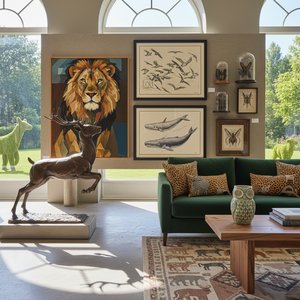 Animalia: Istraživanje trajne prisutnosti životinja u umjetnosti i uređenju interijeraIstražite trajan utjecaj životinja u umjetnosti i uređenju interijera! Otkrijte simboliku, povijest i inspiraciju za personaliziran prostor…
 25 Masterpieces by Francisco de Zurbarán: The Soul of Spanish BaroqueExplore 25 iconic Spanish Baroque masterpieces by Zurbarán. Discover the soul of Tenebrism on OriginalUniqueArt.com.
 The Evolution of Form: A History of Sculpture from Classical Antiquity to ModernityTrace the evolution of sculpture from classical ideals to modern metaphor. Explore the history of form now.