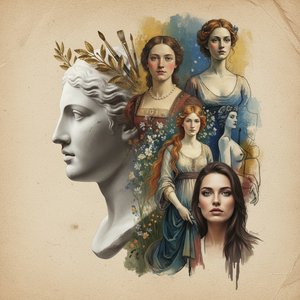
Lucretia Coffin Mott: A Life of Activism and Reform
Lucretia Coffin Mott (née Coffin; January 3, 1793 – November 11, 1880) was an American Quaker, abolitionist, women's rights activist, and social reformer. Her life was dedicated to fighting for equality and justice, leaving a lasting impact on American history.
Early Life and Influences
Born in Nantucket, Massachusetts, Lucretia Coffin received a solid education at the Friends Boarding School. This early exposure to Quaker principles – emphasizing equality, peace, and social justice – profoundly shaped her worldview. Quakerism instilled in her a deep sense of moral conviction and a commitment to challenging societal norms.
The Spark of Activism
A pivotal moment occurred at the 1840 World Anti-Slavery Convention in London. Mott, along with other female delegates, was excluded from full participation due to prevailing social attitudes. This experience ignited her passion for women’s rights and solidified her resolve to fight for gender equality alongside her abolitionist work.
Abolitionist Work
Mott became a prominent voice in the anti-slavery movement, delivering powerful speeches and advocating for immediate emancipation. She was a gifted orator, capable of captivating audiences with her eloquence and moral authority. Her home, along with that of her husband James Mott, served as a crucial station on the Underground Railroad, providing safe haven for escaping slaves.
The Seneca Falls Convention & Women’s Rights
In 1848, invited by Jane Hunt, Lucretia Mott played a central role in organizing the first public meeting about women's rights – the Seneca Falls Convention. This landmark event resulted in the creation of the “Declaration of Sentiments,” modeled after the Declaration of Independence, which boldly proclaimed that "all men and women are created equal."
Educational Contributions
Mott wasn’t solely focused on political activism. She also dedicated herself to improving educational opportunities for women and marginalized communities. She helped found both the Female Medical College of Pennsylvania and Swarthmore College, recognizing the importance of education as a tool for empowerment.
Later Life & Legacy
Throughout her life, Lucretia Mott remained actively involved in various reform movements. She continued to advocate for suffrage – the right to vote – for both Black men and women. She passed away in 1880, leaving behind a legacy of courage, conviction, and unwavering commitment to social justice.
Major Achievements & Historical Significance
- A leading figure in both the abolitionist and women’s rights movements
- Key organizer of the Seneca Falls Convention
- Co-founder of the Female Medical College of Pennsylvania and Swarthmore College
- Powerful orator and advocate for social reform
- Her home was a vital stop on the Underground Railroad
The area around her long-time residence in Cheltenham Township, Pennsylvania is now known as La Mott, in her honor. Lucretia Coffin Mott’s life serves as an inspiration to those who continue to fight for equality and justice today.
Pitanja i odgovori
Postoji li cjelovit popis umjetničkih djela autora Lucretia Coffin Mott?
Sva djela umjetnika Lucretia Coffin Mott na stranici ovaj web-mjesto možete pregledati na njegovoj/njezinoj Sva umjetnička djela stranici.
Kako mogu pronaći sva djela umjetnika Lucretia Coffin Mott prema određenom mediju?
Stranica Svi mediji prikazuje djela umjetnika Lucretia Coffin Mott grupirana prema tehnici izrade.
Kako se umjetnost autora Lucretia Coffin Mott razvijala tijekom vremena?
Kronološki prikaz djela umjetnika Lucretia Coffin Mott dostupan je na njegovoj stranici Kronika, gdje se umjetnička djela prikazuju redoslijedom nastanka, poglavlje po poglavlje.