

 Pregledaj u stvarnoj veličini
 Podijeli
 Podijeli
 Detalji
 Vodič
Vodič

 Preuzmi datoteku
 Slični predmeti
 Rentgenska snimka
 Slide show
 Statistika
Elijah
 Akril na platnu
- Zidna umjetnost
- Bezalel School Style
 1916
1916 90.0 x 91.0 cm
 Izraelski muzej
 Pročitajte više
Djelo prikazano na ovoj stranici zaštićeno je autorskim pravima, što znači da zakonski ne možemo izraditi niti prodati identičnu reprodukciju. Ova se zaštita provodi u skladu s međunarodnim sporazumima kao što su Bernska konvencija i nacionalnim zakonima, uključujući i one koji su utvrđeni u Američki zakon o autorskom pravu – Title 17.
Kao poštovana i legalna alternativa, nudimo prilagođena, ručno oslikana umjetnička djela inspirirana originalom. Naši vješti i profesionalni umjetnici pažljivo proučavaju stil, raspoloženje i umjetničku bit originala kako bi stvorili novo, jedinstveno djelo koje izaziva isti osjećaj – ostajući pritom vlastito, originalno stvaralaštvo.
Ova metoda u potpunosti je usklađena s autorskim pravima jer ne uključuje kopiranje ili dupliciranje zaštićenih umjetničkih djela. Umjesto toga, riječ je o kreativnoj reinterpretaciji – novoj slici koja je dobila utjecaj na izvornik, ali nije identična njemu.
Ručno rađena uljana reprodukcija
Ručno oslikano uljanim bojama na platnu u dimenzijama i okviru po vašem izboru, izrađeno po narudžbi od strane naših umjetnika. ( Prebacite na prodaju printova Prebacite na digitalnu prodaju slika)




P118B €10

P118H €10

P118W €10

P438Z €10

P508JH €12

P508YH €12

P805H €10

P805Z €10

P919BZ €10

P919G €10

P919XJ €10

P959ZH €10

P968JZ €12

W106C €8

W218G €10

W218JH €8

W218Y €10

W307PJ €10

W316G €10

W316PJ €8

W316Y €10

W398PJ €8

W4111J €10

W500HY €15

W500JH €15

W692G €12

W849H €8

W940BG €15

W953PJ €8




Odaberite jednu od naših unaprijed definiranih veličina koje odgovaraju izvornim proporcijama umjetničkog djela.

Unesite širinu i visinu koja vam je potrebna, kako bi odgovarali vašem okviru ili zidu. Budući da je ovo ručno oslikano djelo, umjetnik može malo proširiti rubove slike ili ih skratiti kako bi postigao željeni oblik — izbor je vaš. Prije početka slikanja poslat ćemo vam digitalni prikaz (mockup) radi potvrde. Slika prikazana na ovoj stranici ne predstavlja stvarni rezultat — samo digitalni prikaz to čini.
Nakon narudžbe, tim OriginalUniqueArt.com kontaktirat će klijenta putem e-pošte radi dobivanja uputa te dostaviti probni prikaz (mockup)
Isporuka širom svijeta () u roku od 3-4 tjedna umjesto standardnih 5 tjedana. (21 Listopad). Bez kompromisa u kvaliteti.

Besplatna ekspresna dostava širom svijeta

Visokokvalitetno laneno platno

Potpuno osiguranje transporta

Jamstvo povrata carine i uvoznih poreza

Jamstvo vjernosti boja

Politika povrata u roku od 100 dana (samo u slučaju nedostataka)

Jamstvo povrata 100% novca

Popust na više proizvoda
 Opcija stakla dostupna je samo za dimenzije manje od 110 cm

Elijah
Tehnika izrade
Veličina reprodukcije
-


Ukupna cijena
€ 262
Elijah – A Testament to Zionist Spirit and Biblical Tradition
“Elijah’s Chair,” crafted by the Bezalel School in Jerusalem in 1916, stands as a monumental achievement of early 20th-century decorative arts—a tangible embodiment of Jewish national revival. Created by Ze’ev Raban (Wolf Rawicki), this intricately carved wooden masterpiece transcends mere craftsmanship; it's a profound statement about faith, heritage, and the enduring connection between Israel’s past and its aspirations for the future.
The Bezalel School: Artistic Expression Rooted in Zionism
Founded in 1906 with the fervent aim of fostering artistic identity within the burgeoning Zionist movement, the Bezalel School represented a revolutionary approach to Jewish art. Artists sought inspiration from biblical narratives and symbols—specifically referencing the prophetic figure of Elijah—to convey a sense of collective pride and spiritual renewal. This wasn’t simply about replicating religious iconography; it was about actively shaping cultural consciousness through visual language.
Detailed Examination: Form and Technique
The chair itself is constructed from hardwood, showcasing exceptional woodworking skills. Artisans meticulously carved scenes depicting biblical narratives—particularly those highlighting Elijah's role in safeguarding Jewish tradition—alongside emblems representing the twelve tribes of Israel. Delicate inlaid details, likely crafted from gold or brass, add a layer of opulent embellishment and contribute to the overall grandeur of the piece. The chair’s seat design—shaped like a stylized dog’s head—further reinforces its symbolic significance.
Symbolism: Covenant and Remembrance
More than just an aesthetically pleasing object, “Elijah’s Chair” carries deep theological resonance. Its use in the circumcision ritual symbolizes the ongoing covenant between God and Judaism – a solemn rite commemorating the promise of divine protection and continuity across generations. The chair serves as a visual reminder of Israel's biblical roots and its unwavering faith in God’s providence.
A Legacy of Artistic Vision
Wolf Rawicki’s masterpiece exemplifies the stylistic hallmarks of his time—a blend of classical influences with Zionist ideals. This remarkable artwork continues to inspire admiration for its meticulous detail, masterful technique, and profound symbolic depth. Reproductions offer a beautiful way to honor this iconic piece of Jewish art history and bring its spirit of national revival into contemporary spaces.
Pitanja i odgovori
Koliko su intenzivne boje u djelu "Elijah" autora Wolf Rawicki (Ravitzki)?
Intenzitet boja djela "Elijah" je Monokromatsko. Intenzitet opisuje koliko se boje čine snažnima.
Kolika je percepcija svjetline djela "Elijah" autora Wolf Rawicki (Ravitzki)?
U pogledu percepcija svjetline, "Elijah" autora Wolf Rawicki (Ravitzki) je blistav.
Koliko svjetlosti se čini da boje djela "Elijah" reflektiraju?
"Elijah" autora Wolf Rawicki (Ravitzki) ima luminancu od Sjajan. Luminancija opisuje koliko se čini da boje reflektiraju svjetlosti.
Biografija umjetnika
The Pioneering Vision of Ze’ev Raban: From Rawicki to the Soul of Israeli Art
Ze’ev Raban, born Wolf Rawicki in Kaunas, Russia, in 1890, stands as a monumental figure in the genesis of Israeli art. His journey wasn't merely that of an artist finding his voice; it was the forging of a new aesthetic identity for a nation yearning to express itself. Rawicki’s early life, steeped in the cultural currents of Eastern Europe, laid the foundation for a career dedicated to synthesizing tradition and modernity, culminating in works that became iconic symbols of a burgeoning national consciousness. He wasn't simply *a* painter; he was an architect of visual culture, deeply involved in shaping the artistic landscape of the nascent State of Israel.
Early Formation & The Bezalel School
Rawicki’s formal training took him across Europe – Munich, Paris, and Brussels – exposing him to the prevailing styles of the early 20th century. He absorbed the lessons of Jugendstil, Symbolism, and Art Nouveau, but these influences were never adopted wholesale. A crucial turning point came with his arrival at Bezalel Academy in Jerusalem in 1906. Bezalel, founded by Boris Schatz, was more than an art school; it was a crucible for creating a distinctly “Hebrew style.” This wasn’t about replicating historical forms but rather excavating the spirit of Jewish culture and translating it into contemporary artistic expression. Raban quickly became a central figure in this endeavor, embracing the challenge of defining what that aesthetic might look like.
A Synthesis of Tradition & Modernity
Raban's work is characterized by a remarkable ability to blend diverse influences. He sought inspiration not only from European art movements but also from traditional Jewish crafts, Islamic motifs, and the archaeological discoveries unfolding in Palestine. This fusion manifested in his decorative arts – silver Hanukkah lamps, ceremonial objects, furniture—where intricate carvings and stylized forms evoked ancient patterns while remaining firmly rooted in a modern sensibility. He believed that true Hebrew art wasn’t about imitation but about *interpretation* – distilling the essence of Jewish heritage into new artistic languages. His designs weren't merely beautiful; they were imbued with symbolic meaning, reflecting a deep connection to history and faith.
Major Achievements & The Capitoline Wolf
While Raban excelled in numerous mediums, his impact extended beyond individual artworks. He was instrumental in establishing the aesthetic principles of early Israeli design, influencing everything from typography to public monuments. Perhaps his most enduring legacy is the “Capitoline Wolf,” a silver menorah created for the Hebrew University on Mount Scopus in 1926. This piece, inspired by the Roman wolf that suckled Romulus and Remus, became a powerful symbol of Jewish resilience and national aspiration. It wasn’t simply a religious object; it was a statement about reclaiming heritage and forging a new future. The menorah's design, incorporating stylized Hebrew letters and motifs, resonated deeply with the Zionist movement and solidified Raban’s position as a leading artistic voice.
Historical Significance & Lasting Influence
Ze’ev Raban died in 1970, leaving behind a body of work that continues to inspire. He wasn't just an artist; he was a cultural pioneer who helped define the visual identity of Israel. His commitment to synthesizing tradition and modernity, his dedication to creating a distinctly Hebrew aesthetic, and his ability to imbue objects with profound symbolic meaning cemented his place as one of the most important figures in Israeli art history. His influence can be seen in the work of subsequent generations of artists and designers, who continue to grapple with the challenges of balancing cultural heritage with contemporary expression. Raban’s legacy is a testament to the power of art to shape national identity and inspire a sense of belonging.
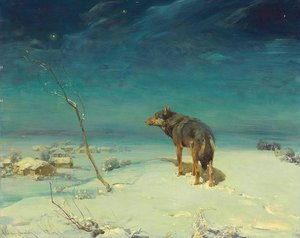
Wolf Rawicki (Ravitzki)
1890 - 1970 , Russia
Brzi pregled
- Full Name: Ze'ev Raban
- Nationality: Israeli
- Date Of Birth: 1890
- Date Of Death: 1970
- Place Of Birth: Kaunas, Russia
- Notable Artworks:
- Elijah
- Standing Hanukkah Lamp
- Capitoline Wolf
- Artistic Movement Or Style: Bezalel School Style
Povezani članci
The Barbizon School: A Professional Guide to Naturalism and Landscape Mastery for Interior Designers
Explore the Barbizon School's mastery of naturalism. An expert guide for hotel designers and procurement managers on sourcing high-quality landscape reproductions to elevate hospitality and corporate interiors with authentic, large-scale fine art solutions.
Elizabeth Adela Forbes: A Pioneering Impressionist of the Newlyn School
Explore the life & art of Elizabeth Adela Forbes, a pioneering Impressionist of the Newlyn School. Discover her captivating paintings, unique style, and lasting legacy with OriginalUniqueArt.

The Hague School: Realism, Atmosphere & the Dawn of Dutch Impressionism
Explore the Hague School's pivotal role in Dutch art history. Discover realism, atmospheric landscapes & its influence on Impressionism. Learn about key artists like Mauve & Maris with OriginalUniqueArt.

The Sublime Landscape: Exploring the Hudson River School Movement
Explore the captivating world of the Hudson River School! Discover the history, artists, and defining characteristics of this iconic American art movement. Learn about Romanticism's influence & find inspiration for your collection.

Desetak Remek-djela Koja Su Definirala Pokret Hudson River School
Otkrijte 10 remek-djela Hudson River škole – Thomas Cole, Frederic Church i više! Uronite u američku pejzažnu umjetnost 19. stoljeća. Inspirirajte se klasičnim slikama i pronađite savršenu reprodukciju za svoj dom na OriginalUniqueArt.com!
