- Početna stranica

- Digitalna umjetnina
- wolf huber
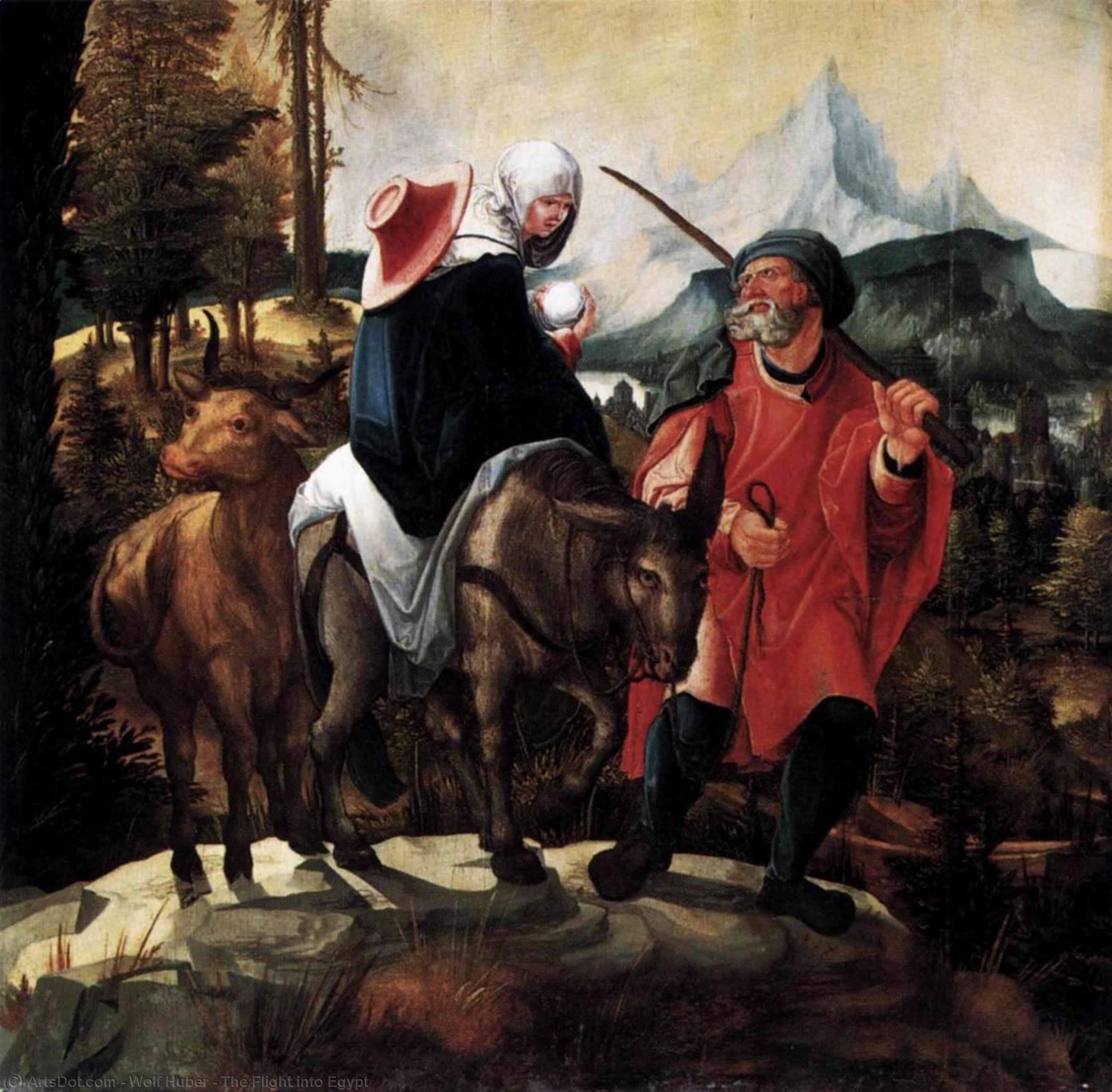
- The Flight into Egypt
 Pregledaj u stvarnoj veličini
 Pošalji
 Podijeli
 Detalji o umjetničkom djelu

 Preuzmi
 Slični predmeti
 Rentgenska snimka
 Automatska prezentacija
The Flight into Egypt
 Oil On Canvas
- WallArt
- Renaissance
 1525
1525- Renaissance
 56.0 x 57.0 cm
 Staatliche Museen
 Prikaži više
Kupite digitalnu sliku visoke rezolucije i poboljšane kvalitete, koja je znatno superiornija od online prikaza.
Svaka datoteka pedantno je pripremljena od strane naših internih stručnjaka koristeći napredne alate i vještinsku ručnu retušu. Osiguravamo da svaka slika ima iznimnu jasnoću, preciznu točnost boja i visoku razinu detalja.
Konačna datoteka dostavlja se putem e-pošte u roku od 72 sata, optimizirana za neposrednu upotrebu u profesionalnim, uredničkim i tiskarskim okruženjima. To je ista kvaliteta kojoj vjeruju vrhunski studiji dizajna, izdavači i galerije.
Digitalna slika
Preuzmite datoteku visoke rezolucije za osobnu izložbu, tisak i kreativne projekte. ( Pređi na tisak Prebacite se na ručno oslikano djelo)
Uključeno uz svaku narudžbu digitalne slike
Profesionalna digitalna dostava, zajamčena
Odabirom OriginalUniqueArt.com ne dobivate samo sliku – dobivate profesionalno unapređeno digitalno umjetničko djelo, izrađeno s najvećom preciznošću uz jamstvo zadovoljstva. Evo svega što automatski dolazi uz vašu narudžbu:

Brza dostava e-poštom
Vaša digitalna slika visoke rezolucije bit će vam poslana e-mailom u roku od 72 sata od narudžbe – spremna za neposrednu upotrebu.

Digitalna datoteka poboljšana AI-om
Vaše umjetničko djelo profesionalno je optimizirano pomoću naprednih AI alata i ručnog uređivanja, čime se osigurava maksimalna razina detalja, oštrine i točnosti boja.

Besplatna ponovna dostava doživotno
Slučajno ste obrisali ili izgubili svoju datoteku? Ne brinite – ponovno ćemo vam je poslati u bilo kojem trenutku, potpuno besplatno.

Bez uvoznih carina – ikada
Uživajte u svojim umjetničkim djelima trenutno, bez carina, pristojbi ili troškova dostave – digitalne datoteke uvijek su oslobođene poreza.

Jamstvo točnosti boja
Uz pomoć profesionalnih alata i upravljanja bojama, osiguravamo da vaša digitalna slika što vjernije odražava izvorne boje.

Jamstvo zadovoljstva u trajanju od 60 dana
Ako niste zadovoljni svojom digitalnom slikom, revidirat ćemo je ili vratiti 100% novca u roku od 60 dana – bez ikakvih pitanja.

100% Jamstvo povrata novca
Niste zadovoljni? Osigurajte puni povrat novca u roku od 60 dana od primitka vaše digitalne datoteke – bez suvišnih pitanja.

Popusti na velike narudžbe
Kupite 3 slike, uštedite 10% - Kupite 5 slika, uštedite 15% - Kupite 10+ slika, uštedite 20%. Odlično za kreativne projekte, galerije i agencije.
Biografija umjetnika
Titian: The Sun of Venice
The decade of the 1490s witnessed a burgeoning Renaissance across Europe, and within that vibrant landscape, Titian – born Tiziano Vecellio around 1488/90 in the small Alpine town of Pieve di Cadore – emerged as its most dazzling star. His life, spanning nearly eight decades, coincided with an extraordinary period of artistic innovation, marked by a shift towards individualism and a profound exploration of color and light. While often overshadowed by his contemporaries like Leonardo da Vinci and Michelangelo, Titian’s influence on subsequent generations of artists is undeniable, shaping the trajectory of Venetian painting for centuries to come.
Titian's early training was steeped in the traditions of the Veneto region. He began his apprenticeship with Sebastiano Zuccato, a prominent mosaicist, and later honed his skills under Gentile Bellini, one of Venice’s most esteemed masters. This formative period exposed him to the established techniques of Venetian painting – a style characterized by its rich pigments, atmospheric perspective, and a focus on depicting the beauty of everyday life. However, it was through his association with Giorgione, another influential painter in Venice, that Titian truly began to forge his own distinctive voice. Giorgione’s innovative use of color and his penchant for portraying idyllic landscapes profoundly impacted Titian's artistic development, laying the groundwork for his later mastery of chromatic harmony.
The Rise of a Master
Following Giorgione’s untimely death in 1510, Titian seized the opportunity to establish himself as an independent artist. He quickly gained recognition for his portraits and mythological scenes, attracting the attention of wealthy patrons throughout Italy – from Venice itself to the courts of Florence, Ferrara, Mantua, and even Spain. His ability to capture the essence of his subjects, combined with his innovative use of color and composition, made him one of the most sought-after painters in Europe. Early commissions included frescoes for prestigious buildings like the ‘Scuola del Santo’ in Padua, where he demonstrated his burgeoning compositional skills and mastery of perspective.
A pivotal moment in Titian's career came with the execution of the ‘Assunta’ altarpiece for Santa Maria Gloriosa dei Frari in Venice (1518). This monumental work, characterized by its dynamic composition, vibrant colors, and dramatic use of light, established Titian as a leading figure in Venetian painting and set a new standard for altarpieces throughout Italy. The ‘Assunta’ marked a decisive break from the more restrained styles of his predecessors, signaling the arrival of a truly original artistic voice.
Technique and Innovation
Titian's technical prowess was legendary. He possessed an unparalleled understanding of color theory, meticulously mixing pigments to achieve astonishingly luminous effects. His brushwork was loose and expressive, often employing rapid, gestural strokes to convey movement and emotion. Unlike the meticulous detail favored by some of his contemporaries, Titian prioritized capturing the *essence* of a subject – its mood, atmosphere, and inherent beauty. He experimented extensively with different techniques, including glazing (applying thin layers of translucent paint) and scumbling (creating textured surfaces through the application of broken color), further enhancing the richness and depth of his paintings.
Furthermore, Titian’s influence extended beyond mere technique. He was a pioneer in the use of color as a primary expressive device, moving away from the predominantly dark palettes favored by earlier Venetian painters. His compositions often featured dramatic contrasts between light and shadow, creating a sense of dynamism and visual excitement. His portraits were particularly notable for their psychological depth and ability to capture the personality of his subjects – whether noblemen, merchants, or religious figures.
Legacy and Influence
Titian’s impact on the course of Western art is profound. He established a new paradigm for Venetian painting, inspiring generations of artists with his innovative use of color, composition, and technique. His influence can be seen in the works of countless painters, including Tintoretto, Veronese, and even later masters such as Rembrandt and Turner. His emphasis on individual expression and his willingness to experiment with new approaches paved the way for the development of modern painting.
Despite facing challenges – including periods of financial hardship and professional rivalry – Titian remained a remarkably prolific and influential artist throughout his long career. He died in Venice in 1576, leaving behind a vast body of work that continues to captivate and inspire viewers today. Titian’s legacy as the “sun of Venice” endures, illuminating the artistic landscape for centuries to come.

wolf huber
1490 - 1553 , Austria
Kratke činjenice
- Artistic Movement Or Style: Renaissance painting”
- Artists Or Movements Influenced By This Artist:
- Venetian School
- European painting
- Artists Who Influenced This Artist:
- Giorgione
- Giovanni Bellini
- Date Of Birth: c. 1490
- Date Of Death: 1576
- Full Name: Tiziano Vecellio”
- Nationality: Venetian
- Notable Artworks:
- Assumption of the Virgin
- Venus of Urbino
- Bacchus and Ariadne
- Place Of Birth: Pieve di Cadore, Italy

