

 Pregledaj u stvarnoj veličini
 Pošalji
 Podijeli
 Detalji o umjetničkom djelu

 Preuzmi
 Slični predmeti
 Rentgenska snimka
 Automatska prezentacija
 Statistika
Atkinson


 Prikaži više
Giclée / Umjetnički otisak
Giclée tisak muzejske kvalitete ili otisak na platnu uz brzu proizvodnju i fleksibilne opcije završne obrade. ( Kupi ručno naslikanu sliku Prebacite na digitalnu sliku)




































Odaberite jednu od naših unaprijed definiranih veličina koje odgovaraju izvornim proporcijama umjetničkog djela.

Možete unijeti vlastite dimenzije kako biste umjetničko djelo prilagodili specifičnom okviru ili prostoru. Ako odabrana veličina ne odgovara proporcijama izvornog rada, izrezat ćemo dio slike ili je proširiti pomoću ogledalnog efekta ili jednobojne rubne površine. Digitalni prikaz (mockup) bit će vam poslan na odobrenje prije početka proizvodnje.
Imajte na umu da pregled na zaslonu ne odražava stvarno izrezivanje ili proširivanje. Samo će mockup točno prikazati konačnu kompoziciju.
Iako su dostupne prilagođene veličine, preporučujemo odabir dimenzije iz unaprijed definirane liste kako biste očuvali izvorne proporcije.
Dostava širom svijeta () u roku od 2 tjedna umjesto standardnih 4/5 tjedana. (14 Rujan)

Besplatna ekspresna dostava širom svijeta

Visokokvalitetno laneno platno

Potpuno osiguranje dostave

Jamstvo povrata carine i uvoznih poreza

Garancija vjernog podudaranja boja

Politika povrata u roku od 100 dana (samo u slučaju nedostataka)

Jamstvo povrata 100% novca

Popust na više proizvoda
 Opcija stakla dostupna je samo za dimenzije manje od 110 cm

Atkinson
Giclée / Umjetnički otisak
Veličina reprodukcije
-


Ukupna cijena
$ 80
Biografija umjetnika
William Walker Atkinson: Architect of Thought and the New Dawn
William Walker Atkinson (1862-1932) remains a curiously compelling figure in the annals of American thought, a man who, under multiple pseudonyms, profoundly shaped the landscape of the New Thought movement and influenced countless individuals seeking self-improvement and spiritual understanding. More than just an author, Atkinson was a meticulous organizer, a shrewd publisher, and a master of crafting accessible yet deeply resonant philosophies. His prolific output—estimated to be over 100 books—represents a sustained effort to disseminate his core principles: the power of thought, the potential for conscious creation, and the interconnectedness of mind, body, and spirit. His legacy isn’t one of grand artistic expression, but rather a quiet revolution in how people understood their own capabilities and their relationship with the world around them.
Born in Baltimore, Maryland, to a modest family, Atkinson's early life offered little indication of his future role as a spiritual innovator. He initially pursued a career in law and business, but experienced a significant personal crisis – a debilitating breakdown – that led him to seek healing through the burgeoning New Thought movement. This experience proved transformative; he embraced its tenets wholeheartedly, recognizing within them a practical path toward restoring his health and achieving a more fulfilling existence. It was during this period of recovery that Atkinson began to systematically explore the principles of mental science, laying the groundwork for his extensive writing career.
The Rise of Yogi Ramacharaka and Theron Q. Dumont
Atkinson’s most enduring contribution lies in his creation – or rather, orchestration – of multiple pseudonyms that dominated the New Thought publishing world for decades. Through these carefully constructed identities—Yogi Ramacharaka (1902-1906) and Theron Q. Dumont (1897-1932)—he produced a vast body of work, often exploring similar themes but with subtly distinct approaches. The precise reasons behind the use of these aliases remain somewhat shrouded in mystery, though it’s widely believed they served to protect Atkinson's personal identity while simultaneously expanding his reach and creating a sense of diverse voices within the movement. The prolific output under these names allowed him to maintain a consistent flow of material, catering to a wide range of interests within New Thought—from practical self-help techniques to explorations of advanced psychic phenomena.
The creation of these distinct personalities wasn’t merely a marketing tactic; it reflected Atkinson's own intellectual process. He meticulously researched and synthesized ideas from various sources – including Eastern philosophy, psychology, and spiritual traditions – presenting them in a way that was both accessible to the general public and intellectually stimulating for those seeking deeper understanding. The work attributed to Yogi Ramacharaka, particularly his series of books on meditation and self-mastery, became immensely popular, establishing Atkinson as a leading voice within the movement.
A System of Thought: Principles and Practices
Atkinson’s philosophy centered around the concept of “Thought Force,” the idea that our thoughts have the power to shape reality. He argued that by consciously directing our mental energy—focusing on positive intentions, cultivating gratitude, and eliminating negative emotions—we could manifest desired outcomes in our lives. This wasn't simply wishful thinking; it was a scientifically grounded approach based on principles of psychology and observation. His teachings emphasized the importance of self-discipline, visualization, affirmation, and the cultivation of a receptive state of mind.
Beyond individual transformation, Atkinson also explored the interconnectedness of all things—the idea that we are part of a larger cosmic consciousness. He advocated for ethical living, compassion, and service to others as essential components of spiritual growth. His writings frequently drew parallels between New Thought principles and ancient wisdom traditions, suggesting that these ideas were not merely modern innovations but rather timeless truths rediscovered by contemporary thinkers.
Legacy and Influence
Despite fading from public view in his later years, William Walker Atkinson’s influence continues to resonate within the New Thought movement and beyond. His books remain in print today, attracting readers who are drawn to his practical advice, optimistic worldview, and profound insights into the nature of consciousness. He is considered a foundational figure in the development of self-help literature, paving the way for later authors such as Dale Carnegie and Norman Vincent Peale.
Furthermore, Atkinson’s work has had an impact on related fields such as hypnotherapy, positive psychology, and even contemporary spiritual practices. His emphasis on the power of intention and the importance of mental discipline aligns with many modern approaches to personal development. William Walker Atkinson's legacy is not one of grand artistic achievement, but rather a testament to the transformative potential of thought—a quiet revolution that continues to inspire seekers around the world.
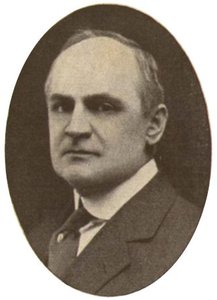
william walker atkinson
1862 - 1932 , United States of America
Osnovne informacije
- Artistic Movement Or Style: New Thought, Occultism
- Artists Or Movements Influenced By This Artist: ['New Thought Movement']
- Artists Who Influenced This Artist: ['Emma Curtis Hopkins']
- Date Of Birth: December 5, 1862
- Date Of Death: November 22, 1932
- Full Name: William Walker Atkinson
- Nationality: American
- Notable Artworks:
- Thought-Force in Business
- Yogi Ramacharaka's books
- Theron Q. Dumont works
- Place Of Birth: Baltimore, USA