

 Pregledaj u stvarnoj veličini
 Pošalji
 Podijeli
 Detalji o umjetničkom djelu

 Preuzmi
 Slični predmeti
 Rentgenska snimka
 Automatska prezentacija
A Breton Washing Pool
 Oil
Oil- WallArt
- Impressionism
 1930
1930- Modern
 105.0 x 128.0 cm
 Royal Scottish Academy of Art - Architecture
 Prikaži više
Ručno rađena uljana reprodukcija
Ručno oslikano uljanim bojama na platnu u dimenzijama i okviru po vašem izboru, izrađeno po narudžbi od strane naših umjetnika. ( Kupi print Kupi digitalnu sliku)




P118B $10

P118H $10

P118W $10

P438Z $10

P508JH $12

P508YH $12

P805H $10

P805Z $10

P919BZ $10

P919G $10

P919XJ $10

P959ZH $10

P968JZ $12

W106C $8

W218G $10

W218JH $8

W218Y $10

W307PJ $10

W316G $10

W316PJ $8

W316Y $10

W398PJ $8

W4111J $10

W500HY $15

W500JH $15

W692G $12

W849H $8

W940BG $15

W953PJ $8




Odaberite jednu od naših unaprijed definiranih veličina koje odgovaraju izvornim proporcijama umjetničkog djela.

Možete unijeti vlastite dimenzije kako bi odgovarale određenom okviru ili prostoru. Ako odabrana veličina ne odgovara proporcijama izvorne slike, izrezat ćemo umjetničko djelo ili proširiti sliku dodatnim ručno oslikanim elementima. Digitalni nacrt bit će vam poslan na odobrenje prije početka proizvodnje.
Imajte na umu da pregled na ekranu ne prikazuje stvarno izrezivanje ili proširivanje. Samo će nacrt točno prikazati konačni sastav.
Iako su dostupne prilagođene veličine, preporučujemo odabir dimenzije s preddefiniranog popisa kako bismo očuvali izvorne proporcije.
Nakon narudžbe, tim OriginalUniqueArt.com kontaktirat će klijenta putem e-pošte radi dobivanja uputa te dostaviti probni prikaz (mockup).
Isporuka širom svijeta () u roku od 3-4 tjedna umjesto standardnih 5 tjedana. (27 Kolovoz). Bez kompromisa u kvaliteti.

Besplatna ekspresna dostava širom svijeta

Visokokvalitetno laneno platno

Potpuno osiguranje dostave

Jamstvo povrata carine i uvoznih poreza

Garancija vjernog podudaranja boja

Politika povrata u roku od 60 dana (samo u slučaju nedostataka)

Jamstvo povrata 100% novca

Popust na više proizvoda
 Opcija stakla dostupna je samo za dimenzije manje od 110 cm

A Breton Washing Pool
Tehnika reprodukcije
Veličina reprodukcije
-


Ukupna cijena
$ 300
A Window into Coastal Serenity
In the gentle embrace of A Breton Washing Pool, we are transported to a sun-drenched moment on the French coast, where the rhythmic pulse of the tides meets the quiet industry of daily life. Painted in 1930 by the esteemed Scottish artist William Marshall Brown, this masterpiece captures a scene of profound tranquility. At the heart of the composition stands a solitary woman, her figure anchored by the weight of tradition and the simple grace of her task. Clad in attire suited for the coastal breeze and crowned with a modest hat, she holds a broom, a symbol of the humble, repetitive labors that define the rhythm of maritime communities. Around her, the landscape breathes; figures are scattered across the shoreline like notes on a musical staff, some drawn to the water's edge while others linger in the distance, all part of a larger, harmonious tapestry of existence.
The painting serves as more than just a depiction of a landscape; it is an invitation to witness the intersection of human presence and the vast, indifferent beauty of nature. The inclusion of boats drifting upon the water—one anchored near the left periphery and another nestled toward the center—adds a sense of depth and movement to the stillness. A solitary chair sits placed in the middle ground, perhaps left behind by a passerby, acting as a silent invitation for the viewer to pause, sit, and immerse themselves in the salt-tinged air. This subtle detail enhances the painting's emotional resonance, transforming the canvas from a mere observation into an experiential journey of leisure and reflection.
The Impressionist Touch and Technical Mastery
William Marshall Brown, a distinguished member of the Royal Scottish Academy, brings his profound mastery of light and color to this Breton scene. His technique, deeply rooted in the Impressionist tradition, avoids rigid outlines in favor of soft, luminous brushstrokes that capture the fleeting quality of natural light. The artist’s ability to render the subtle nuances of the atmosphere is nothing short of extraordinary; one can almost feel the warmth of the sun reflecting off the damp sand and the cool mist rising from the washing pool. His palette is a sophisticated blend of earthy coastal tones and shimmering aquatic hues, meticulously layered to create a sense of three-dimensional space and atmospheric perspective.
For the discerning collector or interior designer, this work offers an unparalleled opportunity to introduce a sense of calm and historical elegance into a living space. The composition’s balance between the detailed foreground elements and the expansive, hazy horizon creates a sense of openness that can breathe life into any room. Whether placed in a sunlit gallery or a sophisticated study, A Breton Washing Pool acts as a focal point of peace, evoking the timeless allure of the European seaside. It is a piece that does not merely decorate a wall but enriches the very soul of an environment, offering a permanent escape to a world of quiet beauty and enduring grace.
Biografija umjetnika
The Luminous Legacy of William Marshall Brown
In the quiet, salt-sprayed corners of the European coastline, where the rhythmic pulse of the tide meets the steady toil of humanity, lies the heart of William Marshall Brown’s artistic vision. A Scottish master of the Royal Scottish Academy, Brown (1863–1936) possessed a rare ability to transform the mundane labors of rural life into scenes of profound, luminous serenity. His work does not merely observe; it breathes with the atmosphere of the landscapes he frequented, particularly the sun-drenched shores of Holland, Belgium, and France. Through his eyes, we witness a world where the boundaries between nature and human existence are blurred by a soft, Impressionist light, creating a timeless tapestry of coastal tranquility.
Brown’s journey into the mastery of light began in the historic studios of Edinburgh. Studying at the RCA School of Art and Design, he was shaped by instructors who emphasized a rigorous dedication to realism, yet encouraged an expressive exploration of color. This foundational period instilled in him a technical discipline that would later allow him to execute complex atmospheric effects with breathtaking ease. His election into the Royal Scottish Academy in 1894 served as a definitive milestone, signaling his arrival as a significant voice within the Scottish artistic community and providing him the platform to share his evocative visions with a wider audience.
A Symphony of Light and Coastal Life
The essence of Brown’s oeuvre is found in his intimate portrayals of genre scenes—moments of everyday life captured with a sense of reverence. He was particularly drawn to the lives of fisherfolk, documenting the quiet industry of those who gathered mussels along sandy shores or hauled heavy nets onto the beach. These subjects were more than mere topical interests; they represented a deeper, symbolic connection between humanity and the natural world, echoing the Victorian ideals of pastoral harmony and moral virtue. In his hands, the act of gathering shellfish becomes a meditative dance with the sea.
Technically, Brown was a virtuoso of the Impressionist tradition. He achieved a remarkable sense of depth and luminosity by layering thin, delicate glazes of oil paint, a method that allowed light to appear as if it were emanating from within the canvas itself. This technique is nowhere more evident than in his celebrated works:
- Mussel Gatherers: A captivating study of rural Holland, where the artist masterfully renders the gritty textures of sand and the weathered, resilient faces of the workers.
- A Breton Washing Pool: A 1930 masterpiece that transports the viewer to the French coast, capturing a solitary woman amidst the rhythmic tides, her figure anchored by tradition and grace.
- Two Fishergirls: An exquisite example of his ability to use evocative light to create a sense of timeless, serene beauty.
- Fishing Girls: A charming depiction of women collecting shellfish, showcasing his signature soft light and intricate textural details.
Historical Significance and Enduring Charm
Beyond the technical brilliance of his brushwork, William Marshall Brown’s significance lies in his ability to evoke emotion through stillness. While many of his contemporaries sought the dramatic or the avant-garde, Brown found power in the quietude of a coastal meadow or the gentle movement of a boat drifting upon a calm bay. His paintings serve as historical windows into a way of life that was intimately tied to the seasons and the tides—a world of manual labor and natural rhythm that felt increasingly distant even during his own lifetime.
Today, Brown’s work remains a cherished cornerstone for collectors of 19th and early 20th-century art. His ability to capture the fleeting quality of light—the way it glints off wet sand or softens the edges of a distant horizon—ensures that his paintings continue to offer a sense of peace to the modern viewer. He remains a definitive figure of the Impressionist movement, leaving behind a legacy of beauty that celebrates the enduring, harmonious bond between the human spirit and the vast, indifferent majesty of the sea.

william marshall brown
1863 - 1936
Osnovne informacije
- Artistic Movement Or Style: Impressionism
- Date Of Death: 1936
- Full Name: William Marshall Brown
- Nationality: Scottish
- Notable Artworks:
- Mussel Gatherers
- Two Fishergirls
- Place Of Birth: Scotland
Srodni članci

The Allure of the Horizon: A Comprehensive Exploration of Seascape Art Through History & Emotion
Explore the captivating world of seascape art! Discover its history, key artists & movements – from Dutch Masters to Impressionism. Expert insights for collectors and enthusiasts at OriginalUniqueArt.
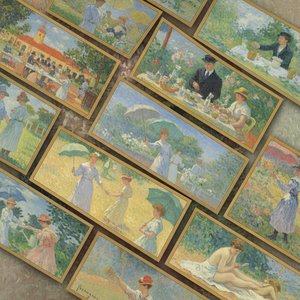
Pierre-Auguste Renoir: 25 Remek-djela Impresionizma za Uljepšanje Vašeg Doma | OriginalUniqueArt
Uronite u svijet Pierre-Auguste Renoira! Otkrijte 25 remek-djela impresionizma, priče iza slika i tehničku genijalnost ovog francuskog umjetnika. Kupite vrhunske reprodukcije na OriginalUniqueArt.com i uljepšajte svoj dom.
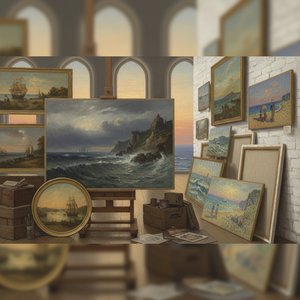
Evoking the Horizon: A Historical & Artistic Exploration of Coastal Scenes in Painting
Explore the rich history of coastal scenes in painting! Discover Impressionist masterpieces, American realism & contemporary visions. Learn about renowned artists and find your perfect seascape at OriginalUniqueArt.

Top 10 Impresionističkih Krajolika: Majstorski Otisci U Umjetnosti i Dekoraciji
Otkrijte 10 remek-djela impresionizma koja su definirala krajolik! Uronite u svijet Moneta, Renoira i Pissarra. Inspirirajte se umjetnošću i pronađite savršenu reprodukciju za svoj interijer na OriginalUniqueArt.com.
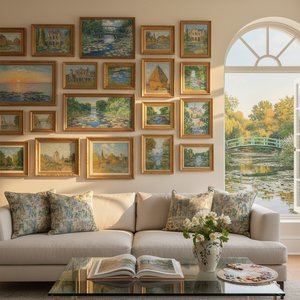
Claude Monet: 25 Remek-djela Impresionizma za Uljepšanje Vašeg Doma | OriginalUniqueArt
Uronite u svijet Claude Moneta s 25 najpoznatijih remek-djela impresionizma. Otkrijte priče iza slika, tehnike i inspiraciju ovog francuskog umjetnika. Kupite visokokvalitetne reprodukcije na OriginalUniqueArt.com i uljepšajte svoj dom!

