Pregledaj u stvarnoj veličini
 Podijeli
 Podijeli
 Detalji
 Vodič
Vodič

 Preuzmi datoteku
 Slični predmeti
 Rentgenska snimka
 Slide show
 Statistika
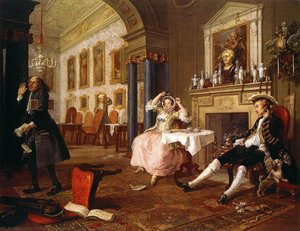
The Orgy
 Acrylic On Canvas
- WallArt
- Baroque
 1735
1735 62.0 x 75.0 cm
 Sir John Soane's Museum
 Pročitajte više
Giclée / Umjetnički otisak
Giclée tisak muzejske kvalitete ili otisak na platnu uz brzu proizvodnju i fleksibilne opcije završne obrade. ( Naručite ručno oslikano reprodukciju Prebacite na digitalnu prodaju slika)




P118B €10

P118H €10

P118W €10

P438Z €10

P508JH €12

P508YH €12

P805H €10

P805Z €10

P919BZ €10

P919G €10

P919XJ €10

P959ZH €10

P968JZ €12

W106C €8

W218G €10

W218JH €8

W218Y €10

W307PJ €10

W316G €10

W316PJ €8

W316Y €10

W398PJ €8

W4111J €10

W500HY €15

W500JH €15

W692G €12

W849H €8

W940BG €15

W953PJ €8




Odaberite jednu od naših unaprijed definiranih veličina koje odgovaraju izvornim proporcijama umjetničkog djela.

Unesite širinu i visinu koja vam je potrebna, kako bi odgovarali vašem okviru ili zidu. Print se može samo izrezati, nikada ne može biti veći od slike, stoga veličina s drugačijim oblikom gubi dio slike. Šaljemo vam digitalni prikaz (mockup) na odobrenje prije bilo kakve štampe. Slika prikazana na ovoj stranici ne prikazuje stvarni rez — to čini samo digitalni prikaz.
Dostava širom svijeta () u roku od 2 tjedna umjesto standardnih 4/5 tjedana. (21 Listopad)

Besplatna ekspresna dostava širom svijeta

Visokokvalitetno laneno platno

Potpuno osiguranje transporta

Jamstvo povrata carine i uvoznih poreza

Jamstvo vjernosti boja

Politika povrata u roku od 100 dana (samo u slučaju nedostataka)

Jamstvo povrata 100% novca

Popust na više proizvoda
 Opcija stakla dostupna je samo za dimenzije manje od 110 cm

The Orgy
Giclée / Umjetnički otisak
Veličina reprodukcije
-


Ukupna cijena
€ 70
A Snapshot of London Society: Hogarth’s “The Orgy”
William Hogarth's "The Orgy," completed in 1735, isn’t merely a depiction of a lavish dinner party; it’s a meticulously crafted indictment of aristocratic decadence and moral decay—a cornerstone of English Rococo art history. Executed with remarkable precision on canvas measuring 62 x 75 cm, the painting captures a scene brimming with opulent detail, inviting viewers to step back in time and confront the anxieties simmering beneath the veneer of polite society. Hogarth’s genius lay not just in his technical prowess—though undeniably impressive—but in his ability to transform observation into searing social commentary.- Subject Matter: The scene portrays a group of men gathered around a dining table, indulging in wine and conversation. Notably absent is any woman present, highlighting the prevailing societal obsession with male companionship and reinforcing Hogarth’s critique of traditional gender roles.
- Style & Technique: Characteristic of Rococo art, “The Orgy” employs delicate brushstrokes and pastel hues—primarily muted reds and browns—to create a sense of atmosphere rather than striving for photographic realism. Hogarth's masterful use of chiaroscuro – dramatic contrasts between light and dark – emphasizes the figures’ expressions and postures, conveying both pleasure and underlying unease.
- Interior Decoration Considerations: For interior designers seeking inspiration, “The Orgy” offers a fascinating study in contrasts—the richness of color against the austerity of form—providing valuable insights into the aesthetic sensibilities of the era.
Pitanja i odgovori
Kako se stil djela "The Orgy" odnosi na doba u kojem je njegov autor stvarao?
U djelu "The Orgy" autora Vilijam Hogarth, pokret Baroque susreće eru Rana moderna era.
Koliko svjetlosti se čini da boje djela "The Orgy" reflektiraju?
Zabilježena luminancija za "The Orgy" autora Vilijam Hogarth iznosi Dark.
O kakvom se djelu radi kod "The Orgy"?
"The Orgy" autora Vilijam Hogarth klasificirano je kao WallArt. Ova kategorija opisuje vrstu umjetničkog djela kojem original pripada.
Biografija umjetnika
Londinski život u tinjalu i boji: Hogarthov svijet
William Hogarth, rođen 1697. godine u užurbanom srcu Londona XVIII. stoljeća, bio je mnogo više od običnog umjetnika; bio je vizualni povjesničar, oštar promatrač ljudske prirode i satirični komentator društvenih strujanja svog doba. Njegova životna priča neraskidivo je povezana s samim tkanjem Engleske tijekom razdoblja značajnih transformacija – njezinih bujnih ambicija, underlying anksioznosti i sveprisutnog licemjerja, što su sve pronašli snažan izraz u njegovim nevjerojatno detaljnim i često oštricama prožetim djelima. Kao sin skromnog učitelja latinskog, Hogarthova rana iskustva u njemu su potaknula i ljubav prema učenju i oštru svijest o društvenim nejednakostima, što će se pokazati ključnim temeljom za oblikovanje njegove umjetničke vizije. Počeo je kao šegrt gravira, brzo pokazujući talent koji je nadilazio čistu tehničku vještinu; posjedovao je urođenu sposobnost opažanja nijansi ljudskog ponašanja i njihovo prevođenje u uvjerljive vizualne narative. Ipak, osjećao je pritisak ograničenja tradicionalnog graviranja, tražeći ekspresivniji izlaz za svoju bujnu kreativnost. To ga je vodilo na studije u Akademiju St. Martin’s Lane i pod učiteljstvo sir Jamesa Thornhilla, gdje je usavršio vještine slikarstva i kompozicije, upijajući utjecaje koji će kasnije oblikovati njegov jedinstveni stil.Rađanje modernih moralnih tema
Hogarthova prava inovacija nije ležala samo u tome *što* je slikao, već i u tome *kako*. On je pionirirao ono što je nazvao „modernim moralnim temama“ – serije slika osmišljenih da ispričaju priču, često prožete snažnom satiričnom oštricom. To nisu bili izolirani portreti ili pejzaže; to su bili vizualni romani koji se odvijaju pred očima gledatelja, nudeći prodorno komentiranje suvremenog društva.Tehnika i utjecaji: Sinteza stilova
Hogarthov umjetnički stil bio je jedinstvena amalgama raznih utjecaja. Duboko je cijenio realizam i narativnu detaljnost koja se nalazi u djelima holandskih žanrovskih slikara poput Pietera de Hoocha, što je vidljivo u njegovim pedantnim prikazima interijera i svakodnevnog života. Satirični printovi proizvedeni u Francuskoj također su odigrali ulogu u oblikovanju njegovog pristupa društvenom komentiranju. Međutim, Hogarth nije jednostavno imitirao te izvore; on ih je sintetizirao u nešto potpuno novo i izrazito svoje. Njegova je tehnika bila obilježena majstorskom upotrebom linije i sjene, što je posebno uočljivo u njegovim gravurama. Koristio je prepoznatljivu tehniku križnog šrafiranja koja je stvarala dubinu i teksturu, oživljavajući njegove scene s nevjerojatnom jasnoćom. Također je posjedovao iznimno oko za kompoziciju, raspoređujući figure i predmete unutar okvira kako bi stvorio dinamične i zanimljive narative. Izvan vizualne umjetnosti, na Hogartha su utjecala književna djela, posebno ona Jonathana Swifta i Henryja Fieldinga, čiji je satirični humor informirao njegova vlastita društvena promatranja. Vjerovao je da umjetnost ne bi trebala biti samo lijepa, već bi trebala služiti i moralnoj svrsi, izazivajući gledatelje da se suoče s neugodnim istinama o sebi i svom društvu. Težio je podići ogledalo pred prirodu, odražavajući i njezinu ljepotu i njezinu ružnoću s nepokolebljivom iskrenošću.Nasljeđe i trajni utjecaj
Utjecaj Williama Hogartha proteže se daleko izvan okvira umjetnosti XVIII. stoljeća. Njegova je djela stekla neizmjernu popularnost zahvaljujući masovnoj proizvodnji printova temeljjenih na njegovim slikama, čime je njegova satirična kritika postala dostupna široj publici poput nikada prije. Široko se smatra pretečom političkog stripa i stripova, postavljajući temelje za vizualno pripovijanje u popularnoj kulturi. Umjetnici poput Jamesa Gillraya i Georgea Cruikshanka bili su izravno pod utjecajem njegovog stila, nastavljajući njegovu tradiciju društvene satire. Čak je i Charles Lamb, slavni esejist, prepoznao narativnu snagu Hogarthovih slika, poznato komentirajući da su one „poput knjiga koje treba čitati, a ne samo gledati“.- Hogarth je uspostavio izrazito britanski umjetnički identitet.
- Njegovo djelo pruža neprocjenjiv uvid u englesko društvo XVIII. stoljeća.
- Utjecao je na generacije umjetnika i satiričara.

Vilijam Hogarth
1697 - 1764 , Ujedinjeno Kraljevstvo
Brzi pregled
- Artistic Movement Or Style: Satira i Realizam
- Artists Who Influenced This Artist:
- Pieter de Hooch
- Jonathan Swift
- Date Of Birth: 1697
- Full Name: William Hogarth
- Nationality: Engleski
- Notable Artworks:
- Život bludnice
- Život razvratnika
- Brak po modi
- Place Of Birth: London, UK
Povezani članci

John Leech: Satirical Visions of Victorian Society – A Comprehensive Examination of His Art & Influence
Explore the satirical world of John Leech, Victorian England's master caricaturist! Discover his iconic work for Punch magazine, illustrations with Dickens, and lasting impact on social commentary & art history. A comprehensive analysis.

William Hogarth: Satire, Social Commentary & the Birth of Modern British Art
Explore the satirical world of William Hogarth, pioneering British painter & engraver. Discover his iconic works like *A Rake's Progress* and insightful social commentary on 18th-century London life.
R.A. Benjamin Williams: Victorian Genre Painting & Social Commentary
Explore the captivating world of Benjamin Williams Leader's Victorian genre paintings. Discover his mastery of naturalism, social commentary & lasting influence on British art. Expert insights at OriginalUniqueArt.
18th Century Masters: 10 Artworks That Define an Era | OriginalUniqueArt
Journey through 18th century art! Explore 10 iconic paintings – from Rococo elegance to Neoclassical grandeur. Discover Fragonard, David & more. Find museum-quality reproductions and elevate your home decor on OriginalUniqueArt.com.
The Sharpest Wit: A Critical Exploration of Satire in Art History – From Hogarth to Contemporary Critique
Explore the history of satire in art! From Hogarth's London to contemporary critique, discover how artists use wit & visual power to reflect and challenge society. Expert insights at OriginalUniqueArt.