
 Pregledaj u realnoj veličini
 Pošalji
 Podijeli
 Detalji o umjetničkom djelu
 Vodič
Vodič

 Preuzmi umjetničko djelo
 Slični predmeti
 Rentgenska snimka
 Slide show
 Pitanja i odgovori
 Statistika
Landscape with a River

- 62.0 x 105.0 cm


 Prikaži više
Djelo prikazano na ovoj stranici zaštićeno je autorskim pravima, što znači da zakonski ne možemo izraditi niti prodati identičnu reprodukciju. Ova se zaštita provodi u skladu s međunarodnim sporazumima kao što su Bernska konvencija i nacionalnim zakonima, uključujući i one koji su utvrđeni u Američki zakon o autorskom pravu – Title 17.
Ova metoda u potpunosti je usklađena s autorskim pravima jer ne uključuje kopiranje ili dupliciranje zaštićenih umjetničkih djela. Umjesto toga, riječ je o kreativnoj reinterpretaciji – novoj slici koja je dobila utjecaj na izvornik, ali nije identična njemu.
Giclée / Umjetnički otisak
Giclée tisak muzejske kvalitete ili otisak na platnu uz brzu izradu i raznolike opcije završne obrade. ( Kupi ručno oslikano djelo Prebacite na digitalnu sliku)




































Odaberite jednu od naših unaprijed definiranih veličina koje odgovaraju izvornim proporcijama umjetničkog djela.

Unesite potrebnu širinu i visinu kako bi odgovarali vašem okviru ili zidu. Print se može samo izrezati, nikada ne može biti veći od slike, stoga format s drugačijim omjerom stranica uzrokuje gubitak dijela slike. Prije bilo kakve štampe šaljemo vam digitalni prikaz (mockup) na odobrenje. Slika prikazana na ovoj stranici ne prikazuje stvarni rez — to prikazuje isključivo digitalni prikaz.
Dostava širom svijeta () u roku od 2 tjedna umjesto standardnih 4/5 tjedana. (20 Studeni)

Besplatna ekspresna dostava širom svijeta

Visokokvalitetno laneno platno

Potpuno osiguranje dostave

Jamstvo povrata carine i uvoznih poreza

Jamstvo vjernosti boja

Politika povrata u roku od 100 dana (samo u slučaju nedostataka)

Jamstvo povrata 100% novca

Popust na više proizvoda
 Opcija stakla dostupna je samo za dimenzije manje od 110 cm

Landscape with a River
Giclée / Umjetnički otisak
Veličina reprodukcije
-


Ukupna cijena
€ 72
Biografija umjetnika
Early Life and Family Background
William E Harris emerged from the industrial landscape of Birmingham, United Kingdom. Born to Elias and Jane Harris, his early years were shaped by the loss of his father at a young age. This loss likely dictated the practical direction of his early career. Before establishing himself in the fine arts, Harris worked within the metal industry and practiced as an engraver. These technical beginnings provided a foundation of precision that would later define his approach to landscape and river scenes.
His personal life in Birmingham was marked by his marriage to Mary Ann Bayliss in December 1872. The couple resided at Victoria Road, Aston, during a period when Harris was transitioning from industrial labor toward professional exhibition. This period of development was not a solitary pursuit; his son, Edwin Elias Harris, would eventually follow his father's footsteps to become an artist himself. The family's connection to the craft of visual representation was clearly a generational trait.
Life and Activity in London and Berkshire
Harris’s move to London around 1885 marked a decisive shift in his professional trajectory. He did not merely linger in the capital; he established a presence within its competitive exhibition circuits. By 1889, his work had reached the Royal Academy, a clear indicator of his standing among his contemporaries. His output was prolific, evidenced by the fifty paintings he contributed to the Royal Society of British Artists between 1879 and 1900. This period of intense activity saw him moving beyond local Birmingham circles to engage with the broader British art establishment.
The late 1880s saw him settling in Eton Wick, Berkshire. This location provided the necessary proximity to the river landscapes that would define his career. His reputation expanded through consistent participation in major exhibitions, including the Royal Institute of Oil Painters, the Glasgow Institute, and the Royal Hibernian Society. He also secured space in the Walker Art Gallery. His ability to maintain such a wide range of exhibition credits across different institutions demonstrates a disciplined, professional approach to his craft.
- A view of Windsor from the Thames (1890)
- Rustic bridge at Boveney on Thames (1886)
Artistic Style and Subject Matter
Harris’s output is defined by a steadfast commitment to the river landscape and marine scenes. His approach to composition and light bears a clear resemblance to the work of John Constable, favoring a directness that avoids unnecessary ornamentation. He focused his gaze on the movement of water and the structures that line its banks, frequently capturing boats on the Thames or the quiet presence of rural mills. This was not a pursuit of the abstract, but a study of specific, tangible environments across Worcestershire, Berkshire, Surrey, and Wales.
There is a particular strength in his ability to render the physical force of water. In his 1916 work Fishing for trout, he provides a realistic depiction of a roaring river, moving beyond mere scenery to capture the actual energy of the current. His technical skill allowed him to translate the heavy, working nature of maritime life and the steady rhythm of the countryside into oil on canvas. He did not seek to idealize these locations; he documented them through a lens of observational realism.
- Fishing for trout (1916)
- The Pool of London downstream of London bridge, 1896
- A view of Windsor from the Thames (1890)
Later Years and Death
The final chapter of Harris's life was marked by a return to his roots in the Midlands. After his time in London and Berkshire, he moved back to the Worcestershire area, spending a period living in Broadway. This period of relocation eventually led him back to Birmingham, where he settled in the Balsall Heath district. His presence in the region remained steady as he transitioned into the final decade of his life.
In 1927, Harris married Alice Gertrude Russell. During these later years, he resided at 368 Moseley Road in Birmingham. His connection to the city remained central until his death on 1 June, 1934. He died in Birmingham, leaving behind a body of work that focused heavily on the river landscapes and maritime scenes that defined his career.
Where to See the Works Today
The physical legacy of William E Harris remains anchored in several significant British institutions. His presence in public collections ensures that his specific approach to river landscapes and maritime scenes is preserved for study. Collectors and historians can find his output within the holdings of the Chertsey Museum and the Museum of Farnham. These locations provide the necessary context for understanding his technical execution and his place within the landscape tradition.
Local governance also plays a role in preserving his visual record. The Henley Town Council maintains works that reflect his interest in the waterways of the region. This connection to specific locales is a recurring theme in his career, particularly regarding the river scenes that defined his professional output. His works are also held by the National Trust, which maintains a substantial collection of significant British landscape paintings.
- The River Wye near Bridge End (about 1880)
- Landscape with a River (about 1881)
- Cows Grazing in a Meadow (about 1891)
- Runnymede Island (about 1901)
- River Scene with a Bridge (about 1910)
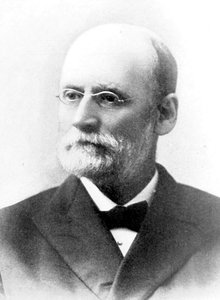
William E Harris
1860 - 1930 , United Kingdom
Osnovne informacije
- Artists Who Influenced This Artist: ['John Constable']
- Date Of Birth: 1854
- Date Of Death: 1934
- Full Name: William Elias Harris
- Nationality: British
- Notable Artworks:
- The River Wye near Bridge End
- Landscape with a River
- Cows Grazing in a Meadow
- Runnymede Island
- River Scene with a Bridge
- Place Of Birth: Birmingham, United Kingdom
Srodni članci

Alfred Sisley: Capturing the Ephemeral Essence of Impressionist Landscape
Explore the life & art of Alfred Sisley, a master of Impressionist landscape painting. Discover his dedication to 'en plein air' techniques and serene depictions of nature. Learn about his legacy & find high-quality reproductions at OriginalUniqueArt.

Beyond the Horizon: A Definitive Guide to the English Landscape Paintings of the Romantic Era
Explore the profound shift from reason to emotion in English Romantic landscapes. Discover the masters of the sublime today.

The River Thames in Art: From Seventeenth-Century Landscapes to Impressionist Light
Explore the Thames through centuries of art history, from Canaletto to Monet. Discover London's changing landscape today.

Mastering the English Landscape: The Top 25 John Constable Artworks
Immerse yourself in the soulful landscapes of John Constable. Explore our curated list of 25 iconic masterpieces, from atmospheric skies to the beauty of Dedham Vale. Find inspiration for museum-quality art reproductions and decor. Discover all masterpieces on OriginalUniqueArt.com.

Liquid History: Capturing the Soul of the River Thames Through Impressionist Art
Explore the Thames through the eyes of masters like Grimshaw and Watts. Discover the soul of the river in every brushstroke.