
 Pregledaj u stvarnoj veličini
 Pošalji
 Podijeli
 Detalji o umjetničkom djelu

 Preuzmi
 Slični predmeti
 Rentgenska snimka
 Automatska prezentacija
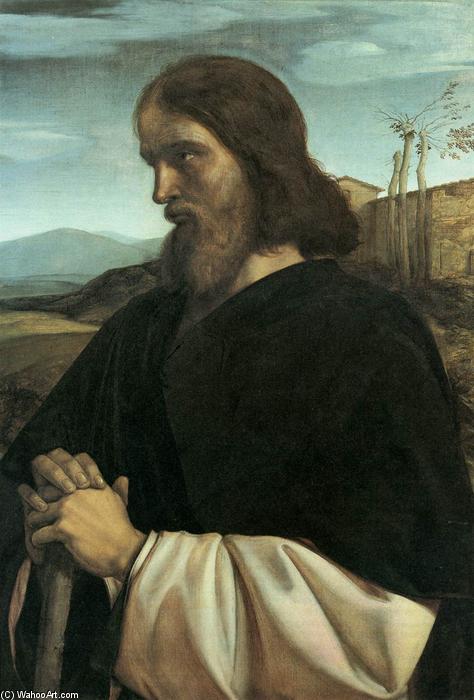
St Joseph
 Oil On Canvas
- WallArt
- Pre-Raphaelite
 1847
1847 79.0 x 55.0 cm
 Royal Collection
 Prikaži više
Kupite digitalnu sliku visoke rezolucije i poboljšane kvalitete, koja je znatno superiornija od online prikaza.
Svaka datoteka pedantno je pripremljena od strane naših internih stručnjaka koristeći napredne alate i vještinsku ručnu retušu. Osiguravamo da svaka slika ima iznimnu jasnoću, preciznu točnost boja i visoku razinu detalja.
Konačna datoteka dostavlja se putem e-pošte u roku od 72 sata, optimizirana za neposrednu upotrebu u profesionalnim, uredničkim i tiskarskim okruženjima. To je ista kvaliteta kojoj vjeruju vrhunski studiji dizajna, izdavači i galerije.
Digitalna slika
Preuzmite datoteku visoke rezolucije za osobnu izložbu, tisak i kreativne projekte. ( Kupi print Kupi ručno naslikanu sliku)
Uključeno uz svaku narudžbu digitalne slike
Profesionalna digitalna dostava, zajamčena
Odabirom OriginalUniqueArt.com ne dobivate samo sliku – dobivate profesionalno unapređeno digitalno umjetničko djelo, izrađeno s najvećom preciznošću uz jamstvo zadovoljstva. Evo svega što automatski dolazi uz vašu narudžbu:

Brza dostava e-poštom
Vaša digitalna slika visoke rezolucije bit će vam poslana e-mailom u roku od 72 sata od narudžbe – spremna za neposrednu upotrebu.

Digitalna datoteka poboljšana AI-om
Vaše umjetničko djelo profesionalno je optimizirano pomoću naprednih AI alata i ručnog uređivanja, čime se osigurava maksimalna razina detalja, oštrine i točnosti boja.

Besplatna ponovna dostava doživotno
Slučajno ste obrisali ili izgubili svoju datoteku? Ne brinite – ponovno ćemo vam je poslati u bilo kojem trenutku, potpuno besplatno.

Bez uvoznih carina – ikada
Uživajte u svojim umjetničkim djelima trenutno, bez carina, pristojbi ili troškova dostave – digitalne datoteke uvijek su oslobođene poreza.

Jamstvo točnosti boja
Uz pomoć profesionalnih alata i upravljanja bojama, osiguravamo da vaša digitalna slika što vjernije odražava izvorne boje.

Jamstvo zadovoljstva u trajanju od 100 dana
Ako niste zadovoljni svojom digitalnom slikom, revidirat ćemo je ili vratiti 100% iznosa u roku od 100 dana – bez suvišnih pitanja.

100% Jamstvo povrata novca
Niste zadovoljni? Osigurajte puni povrat novca u roku od 100 dana od primitka digitalne datoteke – bez suvišnih pitanja.

Popusti na velike narudžbe
Kupite 3 slike, uštedite 10% - Kupite 5 slika, uštedite 15% - Kupite 10+ slika, uštedite 20%. Odlično za kreativne projekte, galerije i agencije.
The Serene Figure: William Dyce’s St. Joseph
William Dyce's "St. Joseph" is more than a portrait; it’s a carefully constructed meditation on faith, domesticity, and the quiet dignity of a biblical figure. Painted in 1847 during a period of burgeoning Pre-Raphaelite influence in England, this oil-on-canvas work transcends mere representation to become a deeply evocative study of human character. Dyce, a pivotal figure in establishing art education within the British system, imbues the scene with an almost palpable sense of contemplation – Joseph’s gaze, slightly turned leftward, suggests a man lost in thought, perhaps reflecting on his role as guardian of Mary and infant Jesus.
The composition itself is remarkably restrained. Dyce eschews dramatic gestures or elaborate drapery, opting instead for a directness that draws the viewer into Joseph’s world. The muted palette – dominated by earthy browns, ochres, and subtle greens – contributes to the painting's overall sense of solemnity and timelessness. Notice how Dyce masterfully employs light and shadow; it isn’t harsh or theatrical but rather a gentle diffusion that softens the features and emphasizes the texture of Joseph’s clothing, hinting at both its practicality and the inherent value placed upon his role.
A Pre-Raphaelite Echo
Dyce's work firmly resides within the orbit of the Pre-Raphaelites, though he never formally joined their brotherhood. The influence is evident in his meticulous attention to detail, his preference for naturalistic rendering, and his exploration of religious themes with a heightened sense of emotional resonance. The painting shares similarities with works by Millais and Rossetti – particularly in its focus on the domestic sphere and the portrayal of biblical figures as relatable human beings. However, Dyce’s approach is subtly different; there's a greater emphasis on psychological depth and a quiet reverence that distinguishes his style.
The choice of subject matter itself—St. Joseph—is significant. Often overshadowed by Mary and Jesus in traditional iconography, Joseph represents the steadfastness, humility, and protective spirit essential to the Christian narrative. Dyce’s portrayal elevates him beyond a mere supporting character, presenting him as a man of quiet strength and unwavering devotion.
Craftsmanship and Context
Created in 1847, “St. Joseph” reflects the artistic climate of Victorian England. The Royal Collection, where it currently resides at Windsor Castle, speaks to its historical importance and enduring appeal. Dyce’s technical skill is undeniable; his brushwork is smooth and controlled, creating a sense of depth and texture that invites close examination. The canvas itself, likely prepared by a skilled craftsman, provides an ideal surface for Dyce's meticulous rendering.
Furthermore, the painting was commissioned by Prince Albert, highlighting its significance within the royal household. This connection adds another layer to the artwork’s narrative – it wasn’t merely a devotional image but also a symbol of familial piety and the values championed by the Victorian monarchy. The inclusion of the landscape background—rolling hills under a cloudy sky—further grounds the scene in a tangible reality, suggesting that Joseph's faith is rooted in the everyday world.
A Legacy of Reflection
“St. Joseph” remains a powerful and moving work of art. It’s a testament to Dyce’s artistic vision and his ability to capture the essence of human emotion through meticulous observation and skillful execution. More than just a depiction of a biblical figure, it's an invitation to contemplate themes of faith, family, and the quiet dignity of ordinary lives. Reproductions of this piece offer a beautiful opportunity to bring a touch of Victorian serenity and contemplative grace into any space.
Biografija umjetnika
Rano djetinjstvo i umjetničko obrazovanje
William Dyce (1806. – 1864.) rođen je u Aberdeenu, u Škotskoj, kao sin dr. Williama Dycea FRSE, liječnika i člana Kraljevskog društva, te Margaret Chalmers, kćeri bogatog bankara. Njegovo obiteljsko okruženje njegalo je u njemu duboko poštovanje prema znanju i kulturi, pružajući mu snažne temelje za buduće umjetničke težnje. Studirao je na Marischal Collegeu, sveučilištu u Aberdeenu, gdje je sa samo šesnaest godina stekao titulu magistra – što je u to vrijeme bilo izvanredno postignuće. Prepoznavši njegov talent za dizajn, Dyce je nastavio formalno obrazovanje u Kraljevskim akademskim školama u Edinburghu i Londonu, uranjajući u proučavanje klasične umjetnosti i usavršavajući tehnike koje su bile presudne za njegov kasniji rad. Njegove formativne godine obilježene su susretom s utjecajnim umjetničkim idejama koje su kružile Škotskom i Engleskom, oblikujući njegove estetske osjećaje i utvrđujući ga kao studenta duboko posvećenog umjetničkoj izvrsnosti.Talijanski utjecaji i umjetnički razvoj
Dycejevo prvo veliko putovanje u inozemstvo dogodilo se 1825. godine kada je otputovao u Rim – bio je to ključni trenutak koji je neopovratno promijenio smjer njegovog umjetničkog života. Inspiriran veličanstvenom renesansnom umjetnošću i očaran duhom nazarena, Dyce je proveo devet mjeseci marljivo proučavajući djela Tiziana i Poussina, upijajući njihove kompozicijske principe i usavršavajući njihovu majstorsku upotrebu boje. Ovo uranjanje u talijansku umjetničku tradiciju duboko je utjecalo na njegov stil, potičući preferenciju prema detaljnom promatranju i prijenosu duboke duhovne kontemplacije – karakteristika koje će postati zaštitni znak njegovog djela. Vratio se u Aberdeen 1826. godine, nastavljajući usavršavati svoje vještine slikara i stvarajući nekoliko značajnih djela, uključujući Bacchus Nursed by the Nymphs of Nysa, koje je doživjelo veliko priznanje.Edinburghske godine i portretistika
Sredinom 1830-ih, Dyce se u Edinburghu afirmirao kao portretist, dobivajući narudžbe od istaknutih figura škotskog društva. Njegova pedantna pažnja posvećena detaljima – osobito njegova sposobnost hvatanja suptilnih izraza i psiholoških nijansi – donijela mu je veliku slavu. Vješto je spajao klasične utjecaje s romantičnim osjećajima, stvarajući portrete koji su bili istovremeno estetski profinjeni i emocionalno snažni. Istovremeno, zastupao je cilj umjetničkog obrazovanja, zagovarajući uspostavu škole dizajna u Edinburghu – na toj poziciji ostao je sve do 1843. godine, nadgledajući njezino širenje i modernizaciju.London i umjetnička pokroviteljstvo
Godine 1837. Dyce se preselio u London, prihvaćajući ulogu učitelja u Školi dizajna u Somerset Houseu. To je označilo prekretnicu u njegovoj karijeri, lansirajući ga u samo srce viktorijanskog umjetničkog diskursa i omogućujući mu pristup utjecajnim pokroviteljima – najznačajnijem među njima bio je princ Albert. Przelao je opsežna istraživanja praksi umjetničkog obrazovanja u inozemstvu, što je izravno utjecalo na stvaranje „South Kensington sustava“, koji će desetljećima dominirati engleskom umjetničkom podukom. Dycejevo sudjelovanje protezalo se izvan pedagoških poduhvata; služio je kao konzultant na arhitektonskim projektima, uključujući dizajn novog Vijeća parlamenta – projekta koji je pokazao njegovo majstorstvo u freskom i učvrstio njegovu reputaciju kao jednog od vodećom umjetnika Britanije.Velika postignuća i naslijeđe
Dycejevo umjetničko naslijeđe počiva prvenstveno na dva monumentalna poduhvata: dekoraciji Westminsterske opatije i stvaranju zgrade Parlamenta. Njegove freske u Westminsterskoj opatiji – posebno Neptune Resigning to Britannia – predstavljaju trijumf viktorijanskih ambicija i umjetničke vizije, utjelovujući veličanstvenost imperijalne Britanije i demonstrirajući Dyceovu neprevladivu vještinu u tehnici freske. Ipak, njegovo najslavnije djelo ostaje Pegwell Bay, Kent – pejzažno slikarstvo koje primjeruje Dyceovom pedantnom promatranju prirode i njegovoj sposobnosti da prenese duboku emocionalnu težinu. Nadalje, Dycejev doprinos umjetničkom obrazovanju – uspostava Kraljevskog koledža umjetnosti i njegovo zagovaranje inovativnih pedagoških pristupa – opstao je kao svjedočanstvo njegove nepokolebljive vjere u transformativnu moć umjetničkog stjecanja. William Dyce ostaje umjetnik čije djelo utjelovljuje duh viktorijanske Britanije – obilježene intelektualnom znatiželjom, moralnom ozbiljnošću i strastvenom odanošću uzdizanju ljudske kulture.
William Dyce
1806 - 1864 , Ujedinjeno Kraljevstvo
Kratke činjenice
- Artistic Movement Or Style: Pre-rafaeliti
- Artists Or Movements Influenced By This Artist: ['Nazareni']
- Artists Who Influenced This Artist:
- Friedrich Overbeck
- John Ruskin
- Date Of Birth: 1806-09-19
- Date Of Death: 1864-02-14
- Full Name: William Dyce
- Nationality: Škotski
- Notable Artworks:
- Pegwell Bay, Kent
- Madonna i dijete
- Dunstan razdvaja Edwyja i Elgivu
- Place Of Birth: Aberdeen, Ujedinjeno Kraljevstvo