
 Pregledaj u realnoj veličini
 Pošalji
 Podijeli
 Detalji o umjetničkom djelu
 Vodič
Vodič

 Preuzmi umjetničko djelo
 Slični predmeti
 Rentgenska snimka
 Slide show
 Q&A
Q&A Statistika
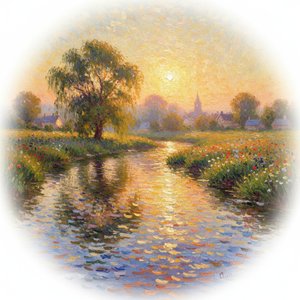
Landscape with a River

- 41.0 x 51.0 cm

 Prikaži više
Djelo prikazano na ovoj stranici zaštićeno je autorskim pravima, što znači da zakonski ne možemo izraditi niti prodati identičnu reprodukciju. Ova se zaštita provodi u skladu s međunarodnim sporazumima kao što su Bernska konvencija i nacionalnim zakonima, uključujući i one koji su utvrđeni u Američki zakon o autorskom pravu – Title 17.
Ova metoda u potpunosti je usklađena s autorskim pravima jer ne uključuje kopiranje ili dupliciranje zaštićenih umjetničkih djela. Umjesto toga, riječ je o kreativnoj reinterpretaciji – novoj slici koja je dobila utjecaj na izvornik, ali nije identična njemu.
Giclée / Umjetnički otisak
Giclée tisak muzejske kvalitete ili otisak na platnu uz brzu izradu i raznolike opcije završne obrade. ( Kupi ručno oslikano djelo Prebacite na digitalnu sliku)




































Odaberite jednu od naših unaprijed definiranih veličina koje odgovaraju izvornim proporcijama umjetničkog djela.

Unesite potrebnu širinu i visinu kako bi odgovarali vašem okviru ili zidu. Print se može samo izrezati, nikada ne može biti veći od slike, stoga format s drugačijim omjerom stranica uzrokuje gubitak dijela slike. Prije bilo kakve štampe šaljemo vam digitalni prikaz (mockup) na odobrenje. Slika prikazana na ovoj stranici ne prikazuje stvarni rez — to prikazuje isključivo digitalni prikaz.
Dostava širom svijeta () u roku od 2 tjedna umjesto standardnih 4/5 tjedana. (3 Studeni)

Besplatna ekspresna dostava širom svijeta

Visokokvalitetno laneno platno

Potpuno osiguranje dostave

Jamstvo povrata carine i uvoznih poreza

Jamstvo vjernosti boja

Politika povrata u roku od 100 dana (samo u slučaju nedostataka)

Jamstvo povrata 100% novca

Popust na više proizvoda
 Opcija stakla dostupna je samo za dimenzije manje od 110 cm

Landscape with a River
Giclée / Umjetnički otisak
Veličina reprodukcije
-


Ukupna cijena
€ 71
Biografija umjetnika
William Charles Penn (1877–1968): A Legacy of Realistic Portraiture
William Charles Penn (1877–1968) stands as a pivotal figure in British portrait painting, recognized for his meticulous attention to detail and ability to convey profound emotion through strikingly realistic depictions. Born into an aristocratic family steeped in naval tradition—his father, Sir William Penn, was a celebrated admiral—Penn’s artistic journey began amidst the intellectual ferment of the Edwardian era, shaping him as both a craftsman and a humanist.- Early Life & Education: Penn's formative years were marked by exposure to influential thinkers like Samuel Pepys and fostered a lifelong passion for horticulture. His formal education at Chigwell School instilled in him a disciplined approach to learning, preparing him for the rigorous demands of Oxford University where he pursued studies in Classics and Philosophy.
- Early Artistic Training: Recognizing his innate talent, Penn embarked on intensive artistic training under renowned instructors, honing his skills in drawing and painting techniques—primarily oil on canvas—that would define his distinctive style. He absorbed influences from Impressionism and Neo-Romanticism, embracing the expressive potential of color and light to capture fleeting moments of human experience.
- Notable Commissions & Artistic Style: Penn’s reputation grew rapidly as he secured prestigious commissions portraying prominent figures of British society—including statesmen, artists, and philanthropists. His canvases are characterized by a remarkable level of realism, achieved through painstaking observation and masterful blending of pigments. He skillfully rendered textures and nuances of expression, conveying psychological depth alongside visual accuracy.
- Major Achievements & Recognition: Penn’s artistic output spanned several decades, producing an impressive portfolio of portraits that continue to captivate audiences today. His work was exhibited extensively in London and internationally, garnering critical acclaim for its technical brilliance and emotional resonance. He became a Fellow of the Royal Society in 1908, cementing his position as one of Britain’s leading artists.
- Influence & Legacy: Penn's unwavering commitment to realism profoundly impacted subsequent generations of portrait painters. His meticulous technique served as an inspiration for artists striving to capture the essence of their subjects with uncompromising honesty. Beyond his artistic accomplishments, Penn championed social reform and humanitarian endeavors—supporting organizations dedicated to improving the lives of disadvantaged communities—leaving behind a legacy of compassion and intellectual curiosity.
Exploring His Artistic Technique: Detail & Emotion
Penn’s distinctive style hinged on several key principles. He prioritized anatomical accuracy, meticulously studying human anatomy to ensure that his figures possessed correct proportions and musculature. Furthermore, he employed a technique known as “alla prima,” applying paint directly onto the canvas without preliminary sketches—a bold departure from academic conventions—allowing him to capture spontaneous impressions of light and shadow. The artist’s use of color was particularly noteworthy; Penn skillfully modulated hues to convey mood and atmosphere, utilizing subtle gradations of tone to create depth and luminosity. He achieved remarkable emotional impact by capturing fleeting expressions of emotion—a furrowed brow, a wistful gaze—that conveyed the inner life of his subjects with uncanny sensitivity.Notable Portraits & Collaborations
Penn’s artistic career culminated in collaborations with celebrated writers and intellectuals, resulting in portraits that captured not only physical likeness but also intellectual spirit. Among his most enduring achievements are depictions of Bruton W. Eills (Mayor of Liverpool), Hilda Constance Allen (Principal of Liverpool Hope University) and numerous other distinguished individuals who graced the halls of British society. These portraits stand as testament to Penn’s artistic prowess and his ability to convey profound human dignity—a hallmark of his oeuvre.Critical Reception & Historical Significance
Penn's work received widespread acclaim from critics and fellow artists alike, establishing him as a cornerstone of British portraiture during the Edwardian period. His canvases were lauded for their technical virtuosity and emotional depth, reflecting the humanist sensibilities of his time. More importantly, Penn’s unwavering dedication to realism served as an antidote to prevailing artistic trends—promoting a return to observation and empathy—leaving behind a legacy that continues to inspire artists today. He remains remembered not merely as a skilled painter but as a man who embodied intellectual integrity and compassion—a figure whose art transcends time, capturing the spirit of his era with enduring beauty and insight.
William Charles Penn
1877 - 1968
Osnovne informacije
- Full Name: William Charles Penn
- Nationality: British
- Date Of Birth: 1877
- Date Of Death: 1968
- Place Of Birth: WahooArt
- Artistic Movement Or Style: Realism
Srodni članci
Capturing Light: A Masterclass in the Ethereal Beauty of Impressionistic Landscapes
Explore the ethereal beauty of Impressionist landscapes. Discover how masters like Monet captured fleeting light through color and texture, and learn to curate these timeless, luminous masterpieces for your home collection.

Evocations of Place: A Historical Journey Through Landscape Art
Explore the rich history of landscape art with OriginalUniqueArt. Discover renowned artists, movements like Impressionism & tonalism, and expert guidance for collecting timeless pieces. Find your perfect serene escape today!

John Constable: 25 Remek-djela Engleskog Majstora Krajolika | OriginalUniqueArt
Uronite u svijet John Constabla! Otkrijte 25 remek-djela engleskog romantizma i pejzaža. Ekskluzivne reprodukcije slika, zidna dekoracija & inspiracija za dizajn interijera na OriginalUniqueArt.com. Istražite cijelu kolekciju online!

Impressionistic Landscapes: 10 Masterpieces That Changed Art & Decor
Journey into the heart of Impressionism! Explore 10 masterpieces by Monet, Renoir & Degas that revolutionized landscape art. Discover their stories, techniques & find museum-quality reproductions to elevate your home decor on OriginalUniqueArt.com.

Top 10 Impresionističkih Krajolika: Majstorski Otisci U Umjetnosti i Dekoraciji
Otkrijte 10 remek-djela impresionizma koja su definirala krajolik! Uronite u svijet Moneta, Renoira i Pissarra. Inspirirajte se umjetnošću i pronađite savršenu reprodukciju za svoj interijer na OriginalUniqueArt.com.