Pregledaj u stvarnoj veličini
 Pošalji
 Podijeli
 Detalji o umjetničkom djelu

 Preuzmi
 Slični predmeti
 Rentgenska snimka
 Automatska prezentacija
 Statistika
Meg


 Prikaži više
Ručno rađena uljana reprodukcija
Ručno oslikano uljanim bojama na platnu u dimenzijama i okviru po vašem izboru, izrađeno po narudžbi od strane naših umjetnika. ( Prebacite na print Prebacite na digitalnu sliku)




P118B $10

P118H $10

P118W $10

P438Z $10

P508JH $12

P508YH $12

P805H $10

P805Z $10

P919BZ $10

P919G $10

P919XJ $10

P959ZH $10

P968JZ $12

W106C $8

W218G $10

W218JH $8

W218Y $10

W307PJ $10

W316G $10

W316PJ $8

W316Y $10

W398PJ $8

W4111J $10

W500HY $15

W500JH $15

W692G $12

W849H $8

W940BG $15

W953PJ $8




Odaberite jednu od naših unaprijed definiranih veličina koje odgovaraju izvornim proporcijama umjetničkog djela.

Možete unijeti vlastite dimenzije kako bi odgovarale određenom okviru ili prostoru. Ako odabrana veličina ne odgovara proporcijama izvorne slike, izrezat ćemo umjetničko djelo ili proširiti sliku dodatnim ručno oslikanim elementima. Digitalni nacrt bit će vam poslan na odobrenje prije početka proizvodnje.
Imajte na umu da pregled na ekranu ne prikazuje stvarno izrezivanje ili proširivanje. Samo će nacrt točno prikazati konačni sastav.
Iako su dostupne prilagođene veličine, preporučujemo odabir dimenzije s preddefiniranog popisa kako bismo očuvali izvorne proporcije.
Nakon narudžbe, tim OriginalUniqueArt.com kontaktirat će klijenta putem e-pošte radi dobivanja uputa te dostaviti probni prikaz (mockup).
Isporuka širom svijeta () u roku od 3-4 tjedna umjesto standardnih 5 tjedana. (12 Rujan). Bez kompromisa u kvaliteti.

Besplatna ekspresna dostava širom svijeta

Visokokvalitetno laneno platno

Potpuno osiguranje dostave

Jamstvo povrata carine i uvoznih poreza

Garancija vjernog podudaranja boja

Politika povrata u roku od 100 dana (samo u slučaju nedostataka)

Jamstvo povrata 100% novca

Popust na više proizvoda
 Opcija stakla dostupna je samo za dimenzije manje od 110 cm

Meg
Tehnika reprodukcije
Veličina reprodukcije
-


Ukupna cijena
$ 300
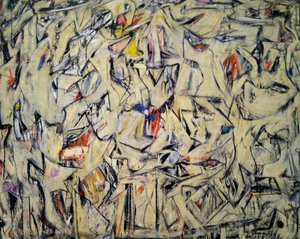
A Tempestuous Vision: Decoding Willem de Kooning’s “Meg”
Willem de Kooning's 1955 work, “Meg,” is not a painting one simply *looks* at; it’s an experience. A swirling vortex of color and form rendered in oil, pastel, and collage on paper, “Meg” embodies the raw energy and emotional turbulence that define Abstract Expressionism. It's a piece that demands attention, pulling the viewer into its chaotic yet strangely harmonious depths. The painting eschews traditional representation, instead offering a fragmented glimpse into an internal landscape – a world of feeling rather than concrete imagery. While lacking a definitive subject in the conventional sense, hints of figuration emerge from the abstraction, suggesting perhaps a female form or interacting figures caught within a dynamic interplay of gesture and color.
The Birth of Abstraction: De Kooning’s Artistic Journey
To understand “Meg,” one must consider Willem de Kooning's remarkable journey. Born in Rotterdam in 1904, he immigrated to the United States in 1926, a pivotal move that would shape his artistic trajectory. Initially grappling with commercial art and realistic depictions of urban life, De Kooning gradually moved towards abstraction, influenced by encounters with fellow artists like Arshile Gorky and Jackson Pollock. The post-World War II era saw the rise of Abstract Expressionism in New York City, a movement that sought to express subjective emotional experience through spontaneous, automatic or subconscious creation. De Kooning became a central figure in this revolution, known for his bold brushwork and willingness to challenge conventional artistic boundaries. His earlier “Woman” series, though controversial for their aggressive depiction of the female form, paved the way for the more liberated abstraction seen in works like “Meg.” The year 1955 was particularly significant; it also saw the creation of "Interchange," another landmark painting demonstrating his evolving style and mastery of color.
Technique and Texture: A Symphony of Materials
“Meg” is a testament to De Kooning’s innovative technique. The layering of oil paint, pastel, and collage elements creates a rich, tactile surface that invites close inspection. The artist's characteristic brushstrokes – energetic, slashing, and often seemingly haphazard – build up layers of color and texture, generating a sense of movement and depth. The use of collage adds another dimension to the work, introducing fragments of paper that disrupt the smooth surface and further emphasize the painting’s fragmented nature. This isn’t about precise control; it's about embracing chance and allowing the materials to dictate aspects of the composition. The vibrant palette – a mix of reds, blues, yellows, greens, pinks, oranges, and whites – contributes to the painting’s emotional intensity, evoking feelings of both exhilaration and unease. The overall effect is one of controlled chaos, a carefully orchestrated explosion of color and form.
Emotional Resonance: A Window into the Subconscious
Ultimately, “Meg” transcends mere aesthetic appeal; it's a deeply emotive work that resonates with viewers on a visceral level. The painting’s ambiguity allows for multiple interpretations, inviting each individual to project their own feelings and experiences onto its surface. Some see echoes of human figures struggling within the abstract forms, while others perceive a landscape ravaged by emotional turmoil. Regardless of one's interpretation, “Meg” evokes a sense of raw energy, vulnerability, and the complexities of the human condition. It’s a powerful reminder that art can be more than just representation; it can be a direct expression of inner life, a window into the subconscious mind.
Biografija umjetnika
Willem de Kooning: Divlji Prizorak Apstrakcije
Rođen 1904. u Rotterdamu, Nizozemskoj, Willem de Kooning bio je slikar čiji se život i djelo isprepliću s burnim razvojem moderne umjetnosti, posebno s pojavom apstraktnog ekspresionizma u New Yorku. Njegovo rano djetinjstvo obilježeno je obiteljskim raskolom, što je možda utjecalo na njegovu neprestanu potragu za izrazom i odbijanje ustaljenih normi. Napustivši formalno školovanje već s dvanaest godina, de Kooning se usavršavao u zanatu kroz rad u komercijalnoj tvrtki, ali je ubrzo osjetio poziv prema nečemu dubljem, slobodnijem i ekspresivnijem. Studij na Akademiji likovnih umjetnosti u Rotterdamu pružio mu je tehničke temelje, no pravi preobrazba dogodila se kada je 1926. odlučio emigrirati u Ameriku, zemlju koja je nudila prostor za eksperimentiranje i inovacije. Njegovo putovanje preko Atlantika, legendarna priča o skrivanju na brodu, simbolizira njegovu želju za novim horizontima i odbijanje ograničenja. New York, s pulsirajućom energijom i neprestanom promjenom, postao je njegovo utočište i inspiracija.Od Urbanih Prizora do Apstraktne Vatre
De Kooningove rane slike odražavale su atmosferu grada – urbani pejzaži i portreti koji su zabilježili dinamičnost New Yorka. No, ti radovi bili su samo priprema za dublji istraživački put u svijet forme i emocija. Ključni trenutak bio je njegov susret s Arshile Gorkijem, čiji je utjecaj bio transformativan. Gorky ga poticao na eksperimentiranje s apstrakcijom, na rušenje tradicionalnih načina prikazivanja u potrazi za nečim dubljim i iskrenijim. Tridesete godine prošlog stoljeća donijele su de Kooninga angažman u socijalnom realizmu i muralističkim projektima kroz WPA (Administracija za radna mjesta), što je oplemenjivalo njegove vještine, ali istodobno naglašavalo ograničenja isključivo reprezentativne umjetnosti. U tom razdoblju bio je pod snažnim utjecajem Stuarta Davisa i Johna Grahama, koji su također pomicali granice umjetničkog izražavanja. Ta spletka utjecaja postupno ga je odvodila od doslovnog prikazivanja prema sve apstraktnijem jeziku. Nije to bio nagli prekid, već polagano sagorijevanje – svjesno rušenje uspostavljenih normi potaknuto intelektualnom znatiželjom i neumornim nastojanjem za umjetničkom istinom.Serija "Žena": Vrhunsko Postignuće
Nakon Drugog svjetskog rata, de Kooning se pojavio kao središnja figura u razbuktavajućem pokretu apstraktnog ekspresionizma. Ovo razdoblje označilo je prekretnicu koja je kulminirala njegovom kultnom serijom "Žena" (1950-1953). Te slike – uključujući monumentalno djelo *Žena I* – nisu samo prikazi ženskih figura; one su visceralna istraživanja ženstvenosti, seksualnosti i složenosti ljudskih emocija. Karakterizirane agresivnim potezima kista, fragmentiranim oblicima i zbunjujućom kombinacijom boja, serija "Žena" izazvala je konvencionalne ideje o ljepoti i reprezentaciji. Bili su kontroverzni, čak šokantni za neke, ali njihova snaga ležala je upravo u odbijanju da se prilagode. De Kooning nije želio stvarati idealizirane slike; nastojao je uhvatiti sirovu, neukrotivu esenciju svojih subjekata. Osim serije "Žena", djela poput *The Glazier* i *Excavation* dodatno su demonstrirala njegov dinamičan pristup slikanju, pokazujući majstorski nadzor nad teksturama, bojama i kompozicijom. Nije se klonijo haosa ili neizvjesnosti; naprotiv, prihvatio ih je kao sastavni dio svog umjetničkog jezika.Razvoj Krajolika i Trajna Ostavština
U 1960-ima, de Kooningov stil doživio je još jednu značajnu evoluciju. Iako je apstrakcija ostala središnja u njegovom radu, elementi krajolika počeli su igrati istaknutiju ulogu, često prikazani s življom paletom i slobodnijim potezima kista. Nastavio je neumorno eksperimentirati tijekom cijelog života, istražujući različite tehnike i materijale, nikada zadovoljan sa status quo-om. Njegova kasnija djela svjedoče o iznimnoj sposobnosti da se reinventira, ostajući istovremeno vjeran svojim temeljnim umjetničkim principima. Willem de Kooningova povijesna važnost je neupitna. On je pomogao uspostaviti New York kao globalni centar za umjetnost, izazivajući dominaciju europskih tradicija i otvarajući put budućim generacijama umjetnika. Njegovo djelo nastavlja inspirirati divljenje i poticati rasprave, podsjećajući nas na moć apstrakcije da prenese duboke emocionalne istine. De Kooning je preminuo 1997., ostavivši iza sebe opsežan i utjecajan opus koji stoji kao svjedočanstvo njegove neprestane predanosti umjetničkoj inovaciji i njegovoj trajnoј ostavštini kao jednog od najvažnijih američkih umjetnika 20. stoljeća. Njegov utjecaj rezonira i danas.
Vilem De Kunning
1904 - 1997 , Nizozemska
Osnovne informacije
- Datum Rođenja: 24. travnja 1904.
- Državljanstvo: Nizozemsko-američki
- Mjesto Rođenja (Grad I Zemlja): Rotterdam, Nizozemska
- Puno Ime: Willem de Kooning
- Umjetnici Ili Pokreti Koje Je Ovaj Umjetnik Utjecao: ['New York School']
- Umjetnici Koji Su Utjecali Na Ovog Umjetnika:
- Arshile Gorky
- Stuart Davis
- John Graham
- Umjetnički Pokret Ili Stil: Apstraktni ekspresionizam
- Značajna Djela:
- Žena I
- Marilyn Monroe
- Reclining Man (JFK)
- Excavation
Srodni članci

Kandinsky's Masterpieces: 25 Paintings That Define Abstract Art | OriginalUniqueArt
Journey through Wassily Kandinsky's 25 most iconic abstract paintings. Explore his revolutionary use of color, form & spiritual expressionism. Find museum-quality Kandinsky reproductions and elevate your home decor with OriginalUniqueArt.com. Discover all masterpieces on OriginalUniqueArt.com!
Unveiling Abstraction: The Raw Power and Enduring Mastery of Pollock, Rothko, and De Kooning
Unveil the visceral power of Abstract Expressionism. Our expert exploration delves into the transformative legacies of Pollock, Rothko, and De Kooning, offering discerning collectors a profound understanding of the New York School’s enduring mastery and historical impact.

Francisco Goya: 25 Remek-djela Španjolskog Majstora za Vaš Dom | OriginalUniqueArt
Uronite u svijet Francisca Goye! Otkrijte 25 remek-djela španjolskog majstora – od portreta do crnih slika. Povijest umjetnosti, tehnike i inspiracija za vaš dom. Kupite reprodukcije na OriginalUniqueArt.com!

Desetak Remek-djela koja su Definirala Apstraktni Ekspresionizam: Uljane Slike i Moderna Dekoracija
Otkrijte 10 remek-djela koja su definirala apstraktni ekspresionizam! Jackson Pollock, Mark Rothko i drugi majstori uljane umjetnosti. Ispričajte priču svojim zidovima uz OriginalUniqueArt - vrhunske reprodukcije za vaš dom.

Willem de Kooning: Abstraction, Gesture & the Evolution of Post-War American Painting
Explore the evolution of Willem de Kooning's iconic Abstract Expressionist paintings. Discover his signature style, key themes & investment potential with expert insights for discerning art collectors.