Veličina teksta

() ·

Slika izrađena ručno, baš za vas

Abschied (small version) (Goodbye)

Ručno rađena uljana reprodukcija

Ručno oslikano uljanim bojama na platnu u dimenzijama i okviru po vašem izboru, izrađeno po narudžbi od strane naših umjetnika. ( Prebacite na printove Prebacite na digitalnu sliku)

Opis kolekcionarskog predmeta

Experience Wassily Kandinsky's 'Abschied' (Goodbye). This poignant black & white drawing captures a moment of farewell, reflecting the artist’s pioneering abstraction and spiritual themes. A stunning reproduction by OriginalUniqueArt.

Biografija umjetnika

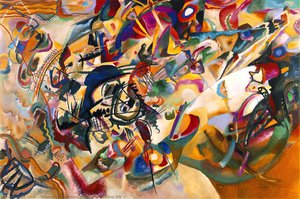
Otkrijte svijet apstraktne umjetnosti s Kandinskyjevom "Kompozicija VII" i drugim velikanskim djelima koja su promijenila povijest umjetnosti!

od ·

Poglavlje 1

Koje bi dimenzije trebalo imati?

Povucite kako biste promijenili dimenziju; slika s lijeve strane prikazuje okvir u njegovoj stvarnoj širini. Zadržane su proporcije originala.

Standardne dimenzije
po mjeri
CM
INCH

Odaberite jednu od naših unaprijed definiranih veličina koje odgovaraju izvornim proporcijama umjetničkog djela.

širina
visina

Unesite potrebnu širinu i visinu kako bi dimenzije odgovarale vašem okviru ili zidu. Budući da je riječ o ručno oslikanom djelu, umjetnik može malo proširiti rubove slike ili ih skratiti kako bi postigao drugačiji oblik — izbor je vaš. Prije početka slikanja poslat ćemo vam digitalni prikaz (mockup) radi potvrde. Slika prikazana na ovoj stranici ne predstavlja stvarni rezultat — samo digitalni prikaz to čini.

Poglavlje 2

U kakvom bi stanju trebalo stići?

Odaberite rubove platna

Odaberite svoj okvir

Corner sample of the WhiteWrap canvas edge finish, stretched on masivno drvo bars
Bijela rubna traka €1
Corner sample of the BlurSideWrap canvas edge finish, stretched on masivno drvo bars
Zamućeni rubovi €1
Corner sample of the ExtendedWrap canvas edge finish, stretched on masivno drvo bars
Prošireno €1
Corner sample of the P118B picture frame: oblikovani polistiren, 5 cm wide and 3 cm thick
P118B €10
Corner sample of the P118H picture frame: oblikovani polistiren, 5 cm wide and 3 cm thick
P118H €10
Corner sample of the P118W picture frame: oblikovani polistiren, 5 cm wide and 3 cm thick
P118W €10
Corner sample of the P438Z picture frame: oblikovani polistiren, 5.5 cm wide and 3.5 cm thick
P438Z €10
Corner sample of the P508JH picture frame: oblikovani polistiren, 7 cm wide and 3.5 cm thick
P508JH €12
Corner sample of the P508YH picture frame: oblikovani polistiren, 7 cm wide and 3.5 cm thick
P508YH €12
Corner sample of the P805H picture frame: oblikovani polistiren, 5 cm wide and 3.5 cm thick
P805H €10
Corner sample of the P805Z picture frame: oblikovani polistiren, 5 cm wide and 3.5 cm thick
P805Z €10
Corner sample of the P919BZ picture frame: oblikovani polistiren, 7 cm wide and 3.5 cm thick
P919BZ €10
Corner sample of the P919G picture frame: oblikovani polistiren, 7 cm wide and 3.5 cm thick
P919G €10
Corner sample of the P919XJ picture frame: oblikovani polistiren, 7 cm wide and 3.5 cm thick
P919XJ €10
Corner sample of the P959ZH picture frame: oblikovani polistiren, 5 cm wide and 3 cm thick
P959ZH €10
Corner sample of the P968JZ picture frame: oblikovani polistiren, 6 cm wide and 4 cm thick
P968JZ €12
Corner sample of the W106C picture frame: masivno drvo, 5 cm wide and 3 cm thick
W106C €8
Corner sample of the W218G picture frame: masivno drvo, 5 cm wide and 3 cm thick
W218G €10
Corner sample of the W218JH picture frame: masivno drvo, 5 cm wide and 3 cm thick
W218JH €8
Corner sample of the W218Y picture frame: masivno drvo, 5 cm wide and 3 cm thick
W218Y €10
Corner sample of the W307PJ picture frame: masivno drvo, 6 cm wide and 3 cm thick
W307PJ €10
Corner sample of the W316G picture frame: masivno drvo, 6 cm wide and 3 cm thick
W316G €10
Corner sample of the W316PJ picture frame: masivno drvo, 6 cm wide and 3 cm thick
W316PJ €8
Corner sample of the W316Y picture frame: masivno drvo, 6 cm wide and 3 cm thick
W316Y €10
Corner sample of the W398PJ picture frame: masivno drvo, 5 cm wide and 3 cm thick
W398PJ €8
Corner sample of the W4111J picture frame: masivno drvo, 6.5 cm wide and 3.5 cm thick
W4111J €10
Corner sample of the W500HY picture frame: masivno drvo, 7 cm wide and 5 cm thick
W500HY €15
Corner sample of the W500JH picture frame: masivno drvo, 7 cm wide and 5 cm thick
W500JH €15
Corner sample of the W692G picture frame: masivno drvo, 8 cm wide and 4 cm thick
W692G €12
Corner sample of the W849H picture frame: masivno drvo, 5 cm wide and 3 cm thick
W849H €8
Corner sample of the W940BG picture frame: masivno drvo, 7.5 cm wide and 4.5 cm thick
W940BG €15
Corner sample of the W953PJ picture frame: masivno drvo, 6 cm wide and 3.5 cm thick
W953PJ €8
Corner sample of the H24-GOLD picture frame: rezbarano drvo s gessom, 10 cm wide and 6 cm thick
H24-GOLD €30
Corner sample of the H24-SILVER picture frame: rezbarano drvo s gessom, 10 cm wide and 6 cm thick
H24-SILVER €30
Corner sample of the H36-GOLD picture frame: rezbarano drvo s gessom, 15 cm wide and 6.5 cm thick
H36-GOLD €45
Corner sample of the H36-SILVER picture frame: rezbarano drvo s gessom, 15 cm wide and 6.5 cm thick
H36-SILVER €45

Profil: . Ukupna veličina s okvirom: .

Poglavlje 3

Tko to slika i treba li išta promijeniti?

Primjeri onoga što se može promijeniti: Zamjena lica fotografijom kupca; Dodavanje ljubimca (npr. zamjena mačke psom); Uključivanje skrivene poruke u pozadini; Promjena krajolika ili elemenata u pozadini.
Nakon narudžbe, tim OriginalUniqueArt.com kontaktirat će klijenta putem e-pošte radi uputa te dostaviti pregledni prikaz (mockup)

Isporuka širom svijeta () u roku od 3-4 tjedna umjesto standardnih 5 tjedana. (5 Studeni). Bez kompromisa u kvaliteti.

Poglavlje 4

Završni dodir

Pločica s natpisom, kao u muzeju?

Detalji gravirane brončane pločice

This elegant plaque features the artist's name and the title of the artwork, finely engraved for a timeless presentation.

It is made from bronze with a refined, elegant finish. The text is precisely laser-engraved for a sharp and permanent result. Measuring 9x2 cm, the plaque is compact yet easy to read. It's built to be durable and scratch-resistant, offering a professional, museum-quality look. Mounting is simple thanks to the included adhesive backing.

Detalji prozirne akrilne pločice

The plaque includes essential engraved details such as the artist's name, the title of the artwork, the date it was created, the type of media used-like oil on canvas or watercolor-a brief description of the piece, and a QR code that links to the complete artwork information.

It is crafted from clear acrylic, offering a sleek, modern appearance. The text is UV-engraved in black to ensure strong visual contrast. With a size of 10x15 cm, it ensures optimal readability. It comes equipped with two metal hooks for secure wall mounting. The plaque is designed to be weather-resistant, making it suitable for various environments, and it includes interactive features that work seamlessly with smartphone scanning.

Detalji crne akrilne pločice

This elegant plaque includes engraved information such as the artist's name, the title of the artwork, the date it was created, the type of media used (like oil on canvas or watercolor), a short description of the artwork, and a QR code for quick access to more information.

The plaque itself is made from refined black acrylic with a premium finish. The text is laser-engraved in white for high contrast and readability. Its size is 10x15 cm, designed to be easy to read. It comes with two metal hooks for professional mounting. The design is sleek and fits any interior style. It is also weather-resistant and durable, with built-in digital integration for mobile compatibility.

Zaštitni lak?

Kada vam je potrebno?

Poglavlje 5

Vaša slika, prema vašoj narudžbi

Abschied (small version) (Goodbye)

Tehnika reprodukcije

Veličina reprodukcije

-

Odabrani vrhunski umjetnik

Više detalja, profinjenosti i dodatnog vremena za izradu

-

Okvir za reprodukciju

-

-

Za umjetnička djela ili reprodukcije veće od 105 cm (približno 41 inč) na bilo kojoj strani, okvir će biti isporučen u obliku rastavljenog seta za montažu. Ovaj način osigurava sigurnu dostavu i sprječava oštećenja tijekom transporta.

Potrebna je profesionalna montaža – ovo nije proizvod za samostalnu izradu.
Set mora sastaviti i platno zategnuti iskusni profesionalni uokvirivač, koristeći drvno ljepilo (nije uključeno u set), kljeste za zatezanje platna i stege kako bi se održao pravilan kut letvica dok se ljepilo suši. Nepravilna montaža ili neravnomjerno zategnuto platno mogu trajno oštetiti umjetničko djelo, a takva oštećenja nisu pokrivena našim jamstvom.

  • Sve letvice od punog drveta su uključene, precizno izrezane po mjeri.

  • Montira se pomoću priloženih vijaka, uz dodatak ljepila za drvo za spojeve u kutovima, koje nije uključeno u set i koje vaš okviraš mora vlastito nabaviti.

  • Potrebni su profesionalni alati koji nisu uključeni: škripc za zatezanje platna (zatezač) i stezaljke za održavanje pravokonačnosti letvica tijekom sušenja ljepila.

Važno:
Za spojeve u kutovima potrebno je ljepilo za drvo, letvice se moraju pričvrstiti stezgama dok se ljepilo potpuno ne osuši, a za zatezanje platna na sastavljenom okviru potreban je alat za zatezanje platna. Nijedan od ovih alata nije uključen u set. Molimo vas da prije narudžbe ove veličine osigurate uslugu iskusnog profesionalnog uokvirivača.

Natpisna pločica

-

-

Zaštitni lak

Sjajni lak (pojačava intenzitet boja, štiti od svjetlosti i vlage)

-

Prilagodite svoje umjetničko djelo

Primjeri mogućnosti prilagodbe: Zamijenite lice fotografijom kupca; Dodajte ljubimca (npr. zamijenite mačku psom); Uključite skrivenu poruku u pozadinu; Promijenite pejzaž ili elemente pozadine.

-

Hitna dostava

Globalna dostava () u roku od 3-4 tjedna umjesto standardnih 5 tjedana. (5 Studeni). Bez kompromisa u kvaliteti.

-

Brza dostava

Dostava širom svijeta () u roku od 5 tjedana. (12 Studeni).

Uključeno u cijenu

Ukupna cijena

€ 268

Ukupna cijena € 268

Opcija stakla dostupna je samo za dimenzije manje od 110 cm

Uključeno uz svaku narudžbu

  • Besplatna ekspresna dostava širom svijeta
  • Visokokvalitetno laneno platno
  • Potpuno osiguranje dostave
  • Jamstvo povrata carine i uvoznih poreza
  • Jamstvo vjernosti boja
  • Politika povrata u roku od 100 dana (samo u slučaju nedostataka)
  • Jamstvo povrata 100% novca
  • Popust na više proizvoda

The Genesis of a Vision: Context and Early Influences

Wassily Kandinsky’s “Abschied” – or “Farewell,” as it’s often translated – isn't merely a depiction of a scene; it’s a distillation of the artist’s evolving worldview, a visual embodiment of his burgeoning abstraction. Created in 1903, this black and white drawing emerges from a period of profound transformation for Kandinsky, a man who deliberately abandoned a promising legal career to pursue the uncharted territories of art. His journey began not with an immediate passion but with a series of pivotal encounters – a captivated response to Claude Monet’s “Haystacks,” and a deeply moving experience witnessing Wagner's opera "Lohengrin" – events that ignited within him a relentless desire for artistic expression.

Early influences played a crucial role in shaping Kandinsky’s nascent style. He was profoundly affected by Russian folk art, particularly the vibrant color palettes and symbolic imagery found in its traditional designs. This fascination with color wasn't simply aesthetic; it stemmed from an ethnographic expedition to the Vologda region of Russia, where he witnessed houses and churches adorned with shimmering hues that evoked a sense of entering another realm. This experience, combined with his study of Wagner’s music – which he saw as a parallel form of expression – laid the groundwork for his later exploration of color's psychological power. The drawing itself reflects this early interest in conveying emotion through visual elements, hinting at a deeper spiritual intent.

A Composition Steeped in Symbolism

“Abschied” is rich with symbolic details that invite interpretation and suggest a narrative beyond the literal depiction of a woman and a horse. The central figures – a woman holding a spear or similar weapon – immediately evoke themes of departure, transition, and perhaps even sacrifice. The horse, positioned on the left, could represent steadfastness, loyalty, or even the burden of the past. Notice the two birds in the upper right corner; they often symbolize freedom, hope, or messengers between worlds. The clock in the top left corner speaks to time’s passage and the inevitability of change, while the bowl at the bottom right might signify nourishment, completion, or a final offering.

The inclusion of these seemingly disparate elements – the spear, the birds, the clock, the bowl – creates a complex tapestry of meaning. Kandinsky wasn’t simply illustrating a scene; he was constructing a visual allegory, inviting the viewer to engage in a dialogue with the artwork and decipher its hidden symbolism. The drawing's overall mood is one of quiet contemplation, tinged with melancholy and anticipation.

The Dawn of Abstraction: A Revolutionary Approach

“Abschied” stands as a crucial bridge between Kandinsky’s early expressionistic works and his later explorations into pure abstraction. While retaining elements of representational imagery, the drawing demonstrates a growing detachment from direct imitation of reality. The simplified forms, the emphasis on line and shape, and the deliberate use of negative space all point toward a move away from traditional artistic conventions. This shift reflects Kandinsky’s belief that art should transcend mere representation and communicate directly with the soul.

It's important to note that this wasn’t an abrupt departure but a gradual evolution, driven by Kandinsky’s intense intellectual and spiritual investigations. He sought to create a visual language capable of expressing inner realities – emotions, ideas, and spiritual truths – independent of external appearances. “Abschied” exemplifies this ambition, offering a glimpse into the nascent stages of his revolutionary approach to art.

A Legacy in Color and Spirit

Wassily Kandinsky’s “Abschied” is more than just a drawing; it's a testament to the power of artistic vision. It represents a pivotal moment in the history of modern art, marking the beginning of abstraction and paving the way for countless artists who followed. Reproductions of this evocative work offer a unique opportunity to experience Kandinsky’s groundbreaking ideas firsthand, inviting viewers to contemplate the profound connections between color, form, and the human spirit.

Pitanja i odgovori

Je li "Abschied (small version) (Goodbye)" jedno od najpopularnijih djela autora Vasily Wassilyevich Kandinsky?

Zabilježena razina popularnosti za "Abschied (small version) (Goodbye)" autora Vasily Wassilyevich Kandinsky iznosi Iconic.

U kojoj je godini nastalo djelo "Abschied (small version) (Goodbye)" autora Vasily Wassilyevich Kandinsky?

"Abschied (small version) (Goodbye)" autora Vasily Wassilyevich Kandinsky nastalo je 1903.

Kako se "Abschied (small version) (Goodbye)" autora Vasily Wassilyevich Kandinsky može iskoristiti u uređenju doma?

"Abschied (small version) (Goodbye)" autora Vasily Wassilyevich Kandinsky preporučuje se za Statement, idealno u Hotel Lobby. Namjena i prostor zajedno sugeriraju gdje reprodukcija najbolje pristaje.

Više o ovoj slici

Prebacite na printove Prebacite na digitalnu sliku Pošalji
Detalji o umjetničkom djelu Vodič Dodaj u omiljene Preuzmi umjetničko djelo Slični predmeti Slide show Pitanja i odgovori Statistika

U brojkama

  • 1903godina nastanka
  • 29okviri koji možete odabrati
  • standardne dimenzije, u vlastitim proporcijama
  • 5tjedana za slikanje i dostavu
Vasily Wassilyevich Kandinsky

Vasily Wassilyevich Kandinsky

1866 - 1944, Rusija

Brzi pregled o Vasily Wassilyevich Kandinsky

  • Artistic Movement Or Style: Abstraktna umjetnost, Ekspresionizam
  • Artists Or Movements Influenced By This Artist: ['Abstrakt ekspresionizam']
  • Artists Who Influenced This Artist:
    • Claude Monet
    • Richard Wagner
  • Date Of Birth: 1866.
  • Date Of Death: 1944.
  • Full Name: Wassily Wassilyevich Kandinsky
  • Nationality: Rusija
  • Notable Artworks:
    • Murnau s Rainbow
    • Tempered Elan
    • An Intimate Party
  • Place Of Birth: Moskva, Rusija

Biografija umjetnika

A Life Immersed in Color and Spirit

Wassily Wassilyevich Kandinsky, born December 4, 1866, in Moscow, Russia, was a revolutionary figure who irrevocably altered the course of modern art. His journey wasn’t one of immediate artistic calling; initially destined for a career in law and economics at the University of Moscow, it was a profound encounter with Impressionist painting – specifically Claude Monet's “Haystacks” – and a deeply moving experience witnessing Wagner’s opera "Lohengrin" that ignited within him an irrepressible desire to pursue art. This pivotal moment, occurring around age thirty, marked not merely a career change but a complete transformation of perspective, setting him on a path toward pioneering abstraction. He soon relocated to Munich, enrolling at the prestigious Academy of Fine Arts and studying under Franz von Stuck, though even within formal training, Kandinsky’s spirit yearned for exploration beyond conventional boundaries. Early influences included Russian folk art, gleaned from an ethnographic expedition to the Vologda region in 1889, which instilled a fascination with vibrant color palettes and symbolic imagery. This foundation would prove crucial as he began to develop his unique artistic language. These early explorations weren’t simply about aesthetic preference; they were rooted in a deep cultural connection and a burgeoning understanding of how art could communicate beyond the literal. He experimented with landscapes and portraits, demonstrating considerable skill but always feeling constrained by representational limitations.

The Dawn of Abstraction: From Expressionism to Inner Necessity

Kandinsky’s early works reveal a strong expressionistic bent, characterized by bold colors and emotional intensity – pieces like “Papeln (Poplars)” from 1902 exemplify this period. However, he wasn't content with merely representing the external world; he sought to express inner realities, spiritual truths that transcended mere visual depiction. This quest led him gradually away from representational art and toward a revolutionary exploration of color, form, and their emotional resonance. He believed that colors possessed inherent psychological effects, capable of evoking specific feelings and sensations in the viewer. This conviction was deeply intertwined with his burgeoning interest in Theosophy, a spiritual movement emphasizing esoteric knowledge and universal brotherhood. As he delved deeper into these ideas, Kandinsky’s paintings became increasingly non-objective, shedding recognizable forms in favor of abstract compositions driven by an “inner necessity.” This wasn't simply about abandoning representation; it was about discovering a new visual language capable of expressing the intangible realms of emotion and spirituality. He sought to create a visual equivalent of music, where color and form harmonized to evoke profound emotional responses.
  • Notable Early Works: “Papeln (Poplars),” “Fruitful Tree,” “Moscow Landscape”
  • Influences: Impressionism (Monet), Russian Folk Art

Geometric Harmony and Spiritual Resonance

The period following his involvement with the influential artist group Der Blaue Reiter (The Blue Rider), which he co-founded in Munich in 1911, saw a further evolution in Kandinsky’s style. While earlier works often featured fluid, organic shapes, he began to explore geometric abstraction, focusing on the interplay of circles, triangles, and squares. “Several Circles” (140 x 140 cm) stands as a prime example of this phase – a dynamic composition where color and form interact in a harmonious yet energetic dance. He theorized extensively about the relationship between art and spirituality, arguing that abstract forms could convey spiritual truths more effectively than figurative representations.
  • Theoretical Writings: “Concerning the Spiritual in Art” (1911)
  • The Blaue Reiter Group: Collaboration with Franz Marc and Alexei von Jawlensky

Bauhaus Influence and Lasting Legacy

The outbreak of World War I forced Kandinsky's return to Russia in 1914, but following the Russian Revolution, he found himself increasingly at odds with the prevailing artistic climate. In 1920, he accepted a teaching position at the Bauhaus school in Germany, where he profoundly influenced generations of artists with his theories on color, form, and abstraction. The Bauhaus provided an ideal environment for Kandinsky to further develop his ideas and explore new creative avenues. He continued to experiment with geometric forms and vibrant colors, often incorporating layered impasto techniques to create textured surfaces that added depth and complexity to his compositions – as seen in later works like “An Intimate Party” (1942). After the closure of the Bauhaus by the Nazi regime in 1933, Kandinsky moved to France, where he remained for the rest of his life. His impact on modern art is immeasurable; he is widely recognized as a pioneer of abstract expressionism and a key figure in the development of non-representational painting. His works are held in major museums worldwide, including the Tretyakov Gallery in Moscow, which houses his monumental “Composition VII,” a testament to his artistic vision and enduring legacy. He died December 13, 1944, in Neuilly-sur-Seine, France.
  • Major Achievements: Bauhaus Teaching Position, Development of Geometric Abstraction
  • Notable Later Works: “Composition VII,” “Landscape with Figures”

Osnovne informacije

  • Notable elements: Horse, woman, spear, birds, clock, bowl
  • Medium: Black and white drawing
  • Influences:
    • Monet
    • Wagner
  • Artist: Wassily Kandinsky
  • Artistic style: Abstract

Kviz o umjetnosti

Svako pitanje ima samo jedan točan odgovor.

Pitanje 1:
What is the primary subject depicted in ‘Abschied (small version) (Goodbye)’?
Pitanje 2:
The drawing includes several symbolic elements. Which of the following best describes the significance of the birds?
Pitanje 3:
Which artistic movement is most closely associated with Wassily Kandinsky’s work in ‘Abschied (small version) (Goodbye)’?
Pitanje 4:
According to the provided information, what influenced Kandinsky's early artistic development?
Pitanje 5:
What does the inclusion of a clock in the drawing likely symbolize?