

 Pregledaj u realnoj veličini
 Pošalji
 Podijeli
 Detalji o umjetničkom djelu
 Vodič
Vodič

 Preuzmi umjetničko djelo
 Slični predmeti
 Rentgenska snimka
 Slide show
 Q&A
Q&A Statistika
Timely Clearing After Snowfall


 Prikaži više
Djelo prikazano na ovoj stranici zaštićeno je autorskim pravima, što znači da zakonski ne možemo izraditi niti prodati identičnu reprodukciju. Ova se zaštita provodi u skladu s međunarodnim sporazumima kao što su Bernska konvencija i nacionalnim zakonima, uključujući i one koji su utvrđeni u Američki zakon o autorskom pravu – Title 17.
Ova metoda u potpunosti je usklađena s autorskim pravima jer ne uključuje kopiranje ili dupliciranje zaštićenih umjetničkih djela. Umjesto toga, riječ je o kreativnoj reinterpretaciji – novoj slici koja je dobila utjecaj na izvornik, ali nije identična njemu.
Giclée / Umjetnički otisak
Giclée tisak muzejske kvalitete ili otisak na platnu uz brzu izradu i raznolike opcije završne obrade. ( Kupi ručno oslikano djelo Prebacite na digitalnu sliku)




P118B €10

P118H €10

P118W €10

P438Z €10

P508JH €12

P508YH €12

P805H €10

P805Z €10

P919BZ €10

P919G €10

P919XJ €10

P959ZH €10

P968JZ €12

W106C €8

W218G €10

W218JH €8

W218Y €10

W307PJ €10

W316G €10

W316PJ €8

W316Y €10

W398PJ €8

W4111J €10

W500HY €15

W500JH €15

W692G €12

W849H €8

W940BG €15

W953PJ €8




Odaberite jednu od naših unaprijed definiranih veličina koje odgovaraju izvornim proporcijama umjetničkog djela.

Unesite potrebnu širinu i visinu kako bi odgovarali vašem okviru ili zidu. Print se može samo izrezati, nikada ne može biti veći od slike, stoga format s drugačijim omjerom stranica uzrokuje gubitak dijela slike. Prije bilo kakve štampe šaljemo vam digitalni prikaz (mockup) na odobrenje. Slika prikazana na ovoj stranici ne prikazuje stvarni rez — to prikazuje isključivo digitalni prikaz.
Dostava širom svijeta () u roku od 2 tjedna umjesto standardnih 4/5 tjedana. (28 Listopad)

Besplatna ekspresna dostava širom svijeta

Visokokvalitetno laneno platno

Potpuno osiguranje dostave

Jamstvo povrata carine i uvoznih poreza

Jamstvo vjernosti boja

Politika povrata u roku od 100 dana (samo u slučaju nedostataka)

Jamstvo povrata 100% novca

Popust na više proizvoda
 Opcija stakla dostupna je samo za dimenzije manje od 110 cm

Timely Clearing After Snowfall
Giclée / Umjetnički otisak
Veličina reprodukcije
-


Ukupna cijena
€ 71
Wang Xizhi: Timely Clearing After Snowfall – A Masterpiece of Tranquility
Wang Xizhi (王羲之), style name Yishao (逸少), stands as arguably the pinnacle of Chinese calligraphy, a figure whose influence reverberates through centuries of artistic tradition. Born in Lin-i, Shandong Province, during the waning years of the Jin Dynasty (265–420), his life was marked by both political ambition and profound artistic devotion—a duality that culminated in one of the most celebrated works of art ever conceived: “Timely Clearing After Snowfall” (快雪時晴帖). This exquisite album leaf, measuring 23 x 14.8 cm and housed within the National Palace Museum in Taipei, transcends mere visual representation; it embodies a philosophical contemplation on beauty, impermanence, and the enduring power of nature’s serenity.- Historical Context: The Jin Dynasty was nearing its end, beset by internal strife and external pressures from nomadic tribes. Amidst this turbulent backdrop, Wang Xizhi sought solace in scenic excursions with fellow intellectuals—a deliberate rejection of political engagement in favor of artistic pursuits. This retreat profoundly shaped his worldview and informed his creative output.
- Style & Technique: “Timely Clearing After Snowfall” exemplifies Wang Xizhi’s mastery of multiple calligraphy styles, skillfully blending Qin Dynasty seal script and Han Dynasty clerical script into a harmonious standard, running, and cursive form. The brushwork is characterized by remarkable fluidity and precision—a testament to his meticulous observation of nature and his unwavering dedication to perfecting his craft. Notably, the artist employed a technique that deliberately obscures the tip of the brush, creating dots and hooked strokes that convey a sense of effortless grace and understated power.
Decoding the Symbolism: Snowfall and Reflection
The imagery itself is laden with symbolic significance. The snowstorm represents hardship and adversity—challenges faced by all human endeavors. However, “Timely Clearing After Snowfall” captures precisely what Wang Xizhi wished to convey: the ephemeral beauty of winter’s tranquility following a period of darkness. The round, forceful brushstrokes mirror the cyclical nature of existence, reminding us that even amidst difficulties, moments of profound peace and clarity can emerge. This visual metaphor aligns seamlessly with the philosophical underpinning of Wang Xizhi's work—a celebration of simplicity and an acceptance of impermanence as integral components of life’s journey.- Influence on Later Calligraphers: Chan Ching-feng, a Ming Dynasty connoisseur, recognized the profound impact of “Timely Clearing After Snowfall” on Chao Mengfu's running script—a stylistic innovation that solidified Wang Xizhi’s legacy as the progenitor of modern calligraphy.
- Imperial Recognition: The Qianlong Emperor lauded this piece as "The one and only; a masterpiece for all time (天下無雙,古今鮮對)," underscoring its unparalleled artistic merit and cementing its place within Chinese art history.
A Legacy of Elegance and Harmony
“Timely Clearing After Snowfall” remains an enduring emblem of aesthetic perfection—a testament to Wang Xizhi’s unwavering commitment to capturing the essence of beauty through calligraphy. Its understated elegance, combined with its introspective harmony, continues to inspire artists and collectors alike. Reproductions of this iconic artwork offer a captivating glimpse into the artistic sensibilities of the Jin Dynasty and serve as a poignant reminder that true artistry resides not merely in technical skill but also in conveying profound philosophical truths—a timeless message rendered exquisitely on paper.Pitanja i odgovori
Kakvu atmosferu odiše "Timely Clearing After Snowfall"?
"Timely Clearing After Snowfall" autora Wang Hsi-Chih opisuje se kao djelo Spokojno raspoloženja. Ova klasifikacija može pomoći u usklađivanju umjetnine s prostorom.
S obzirom na svoje boje, za koju se prostoriju preporučuje "Timely Clearing After Snowfall" autora Wang Hsi-Chih?
Neutralne boje boje djela "Timely Clearing After Snowfall" autora Wang Hsi-Chih savršeno se uklapaju u preporučeni prostor: Dnevni boravak.
Je li "Timely Clearing After Snowfall" poznato djelo Tang Dynasty Calligraphy pokreta?
"Timely Clearing After Snowfall" je zabilježeno kao Ikonografski među djelima Tang Dynasty Calligraphy u katalogu.
Biografija umjetnika
The Sage of Calligraphy: A Life Dedicated to the Art of Brush and Ink
Wang Xizhi, born around 303 CE in Linyi, Shandong province, China, stands as a monumental figure in East Asian art history—a calligrapher whose name resonates with reverence even today. Often hailed as the “Sage of Calligraphy” (Shu Sheng), Wang didn’t simply practice calligraphy; he embodied it, elevating the art form to unprecedented heights and establishing standards that would influence generations of artists across China, Korea, and Japan. His life, though documented through historical accounts and anecdotes, reveals a journey marked by both aristocratic privilege and profound dedication to aesthetic pursuit.
Born into a prominent family during the Jin dynasty, Wang’s early years offered little indication of his future mastery. Accounts suggest he initially struggled with writing, yet driven by an unwavering commitment, he devoted himself tirelessly to honing his skills. Legend has it that he practiced so diligently, even inscribing characters on his arm with his finger, and that the pond beside his studio was perpetually stained black from the constant flow of ink. This relentless pursuit laid the foundation for a revolutionary approach to calligraphy.
A Flourishing Career Amidst Political Turmoil
The Jin dynasty was a period of significant political upheaval, and Wang Xizhi’s life mirrored this instability. Following the collapse of the Western Jin dynasty, his family fled south, seeking refuge from the turmoil. Despite these challenges, he managed to secure various government positions between 324 and 354 CE, reaching the esteemed title of “General of the Right Army” in 347 and later becoming administrator of Kuaiji (present-day Shaoxing, Zhejiang). However, Wang’s true passion lay not in politics but in the refinement of his artistic expression. He eventually retired from public service in 355 to fully immerse himself in Taoist practices and calligraphy.
His engagement to Xi Xuan around 323 CE proved pivotal, resulting in eight children, including Wang Xianzhi, who would also achieve renown as a calligrapher—cementing the family’s legacy within the art world. The collaborative spirit and shared dedication to calligraphy within the Wang family further amplified their influence on subsequent generations.
The Lantingji Xu: A Masterpiece Born of Celebration
Wang Xizhi's most celebrated work, composed in 353 CE, is the Lantingji Xu (蘭亭集序; “Preface to the Poems Composed at the Orchid Pavilion”). This remarkable piece emerged from a convivial gathering hosted by Wang for forty-one friends, relatives, and pupils at Mount Kuaiji. The occasion involved a "winding stream party," where participants composed poetry as they enjoyed wine flowing down a creek. It was during this spirited event that Wang penned the Lantingji Xu, a preface to the collection of poems created that day.
Written in the Running Style (xingshu), the Lantingji Xu is lauded for its effortless fluidity, dynamic brushwork, and harmonious balance between legibility and artistic expression. The work captures not only the joy of the gathering but also Wang’s profound connection to nature and his philosophical reflections on life's transience. While no original versions survive today—only rubbings and tracing copies remain—the Lantingji Xu continues to be revered as the pinnacle of Chinese calligraphy, studied and emulated by artists for centuries.
Legacy and Enduring Influence
Wang Xizhi’s mastery extended beyond the Running Style; he excelled in Regular Script (kaishu) and Cursive Script (caoshu) as well. However, his true innovation lay in his ability to synthesize these styles, creating a unique aesthetic that prioritized naturalness, spontaneity, and emotional resonance. He didn’t merely copy existing texts; he infused them with his own personality and artistic vision.
His impact on the art world was profound. Emperor Taizong of Tang (626-649 CE) recognized Wang Xizhi as the defining standard for Chinese calligraphy, mandating that imperial court scholars study his techniques. He commissioned calligraphers to create handwritten tracing copies and ink rubbings of Wang’s works, ensuring their preservation and dissemination. This patronage solidified Wang's position as a cultural icon and established his style as the benchmark for excellence.
Today, Wang Xizhi remains an enduring symbol of artistic dedication and innovation. His influence permeates East Asian calligraphy, inspiring artists to strive for balance, harmony, and emotional depth in their work. The “Sage of Calligraphy” continues to captivate audiences with his timeless masterpieces, reminding us of the power of brush and ink to transcend time and culture.
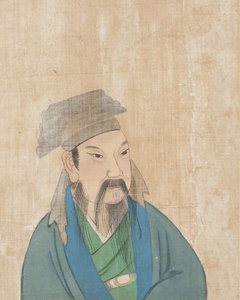
Wang Hsi-Chih
China
Osnovne informacije
- Artistic Movement Or Style: Chinese calligraphy
- Artists Or Movements Influenced By This Artist:
- Wang Xianzhi
- Tang calligraphy
- Artists Who Influenced This Artist:
- Wei Shuo
- Zhao Mengfu
- Date Of Birth: c. 303
- Date Of Death: c. 361
- Full Name: Wang Xizhi
- Nationality: Chinese
- Notable Artworks:
- Lantingji Xu
- Timely Clearing After Snowfall
- Place Of Birth: Linyi, China
Srodni članci

Evocations of Place: A Historical Journey Through Landscape Art
Explore the rich history of landscape art with OriginalUniqueArt. Discover renowned artists, movements like Impressionism & tonalism, and expert guidance for collecting timeless pieces. Find your perfect serene escape today!

John Constable: 25 Remek-djela Engleskog Majstora Krajolika | OriginalUniqueArt
Uronite u svijet John Constabla! Otkrijte 25 remek-djela engleskog romantizma i pejzaža. Ekskluzivne reprodukcije slika, zidna dekoracija & inspiracija za dizajn interijera na OriginalUniqueArt.com. Istražite cijelu kolekciju online!
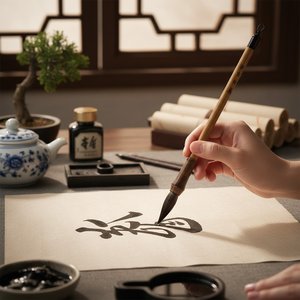
The Timeless Beauty of Chinese Calligraphy: An Exploration of Ink, Spirit, and the Art of the Brush
Embark on a profound journey through the soul of Chinese calligraphy. Explore the historical mastery of ink, brush, and script, from ancient Zhuanshu to elegant running script, and discover how this timeless art form reflects the enduring spirit of classical East Asian aesthetics.

Glavna 10 Remek-djela Romantizma: Uljepšajte Svoj Dom Umjetnošću
Otkrijte 10 remek-djela romantizma koja su definirala pejzažno slikarstvo! Uronite u svijet Friedricha, Turnera i Aivazovskog. Inspirirajte svoj interijer vrhunskim umjetničkim djelima. Kupujte reprodukcije na OriginalUniqueArt.com!

Evocations of Place: A Historical Journey Through Landscape Art
Explore the rich history of landscape art with OriginalUniqueArt. Discover renowned artists, movements like Impressionism & Romanticism, and expert guidance for collecting timeless pieces. Find your perfect serene escape today!
