

 Pregledaj u stvarnoj veličini
 Podijeli
 Podijeli
 Detalji
 Vodič
Vodič

 Preuzmi datoteku
 Slični predmeti
 Rentgenska snimka
 Slide show
 Statistika
Judith
 Akril na platnu
- Zidna umjetnost
- Venetian Renaissance
 1520
1520 82.0 x 65.0 cm
 Fondazione Querini Stampalia
 Pročitajte više
Giclée / Umjetnički otisak
Giclée tisak muzejske kvalitete ili otisak na platnu uz brzu proizvodnju i fleksibilne opcije završne obrade. ( Naručite ručno oslikano reprodukciju Prebacite na digitalnu prodaju slika)




P118B €10

P118H €10

P118W €10

P438Z €10

P508JH €12

P508YH €12

P805H €10

P805Z €10

P919BZ €10

P919G €10

P919XJ €10

P959ZH €10

P968JZ €12

W106C €8

W218G €10

W218JH €8

W218Y €10

W307PJ €10

W316G €10

W316PJ €8

W316Y €10

W398PJ €8

W4111J €10

W500HY €15

W500JH €15

W692G €12

W849H €8

W940BG €15

W953PJ €8




Odaberite jednu od naših unaprijed definiranih veličina koje odgovaraju izvornim proporcijama umjetničkog djela.

Unesite širinu i visinu koja vam je potrebna, kako bi odgovarali vašem okviru ili zidu. Print se može samo izrezati, nikada ne može biti veći od slike, stoga veličina s drugačijim oblikom gubi dio slike. Šaljemo vam digitalni prikaz (mockup) na odobrenje prije bilo kakve štampe. Slika prikazana na ovoj stranici ne prikazuje stvarni rez — to čini samo digitalni prikaz.
Dostava širom svijeta () u roku od 2 tjedna umjesto standardnih 4/5 tjedana. (24 Listopad)

Besplatna ekspresna dostava širom svijeta

Visokokvalitetno laneno platno

Potpuno osiguranje transporta

Jamstvo povrata carine i uvoznih poreza

Jamstvo vjernosti boja

Politika povrata u roku od 100 dana (samo u slučaju nedostataka)

Jamstvo povrata 100% novca

Popust na više proizvoda
 Opcija stakla dostupna je samo za dimenzije manje od 110 cm

Judith
Giclée / Umjetnički otisak
Veličina reprodukcije
-


Ukupna cijena
€ 70
Judith: A Venetian Masterpiece Reflecting Mortality and Divine Justice
Vincenzo Catena’s “Judith,” painted circa 1520, stands as a testament to the enduring fascination with biblical narratives within the Venetian Renaissance. This striking depiction captures a pivotal moment from Jewish legend – Judith, a Moabite widow driven by piety and courage, decapitates Holofernes, Assyrian king besieging Jerusalem, securing Israel’s salvation.
- Subject Matter: The painting portrays Judith holding the severed head of Holofernes, accompanied by Abraam, her loyal servant. This dramatic composition immediately draws the viewer's eye to the gruesome act and its symbolic significance.
- Style & Influences: Catena’s artistic vision is deeply rooted in the stylistic traditions of Giovanni Bellini and Giorgione, artists who championed a nuanced approach to portraying human emotion and spiritual contemplation. However, unlike Bellini’s serene Madonnas, Catena introduces a palpable tension—a visceral reaction to violence that foreshadows the burgeoning influence of Titian.
Technique & Materials: A Blend of Observation and Artistic Skill
Catena skillfully employs oil paint on canvas, utilizing layering techniques characteristic of Venetian painting. The artist meticulously renders textures—the smooth flesh of Judith’s face contrasted with the rough linen cloth draped around Abraam—demonstrating a profound understanding of anatomical detail. Careful attention to light and shadow enhances the dramatic atmosphere, creating depth and realism that would have captivated audiences of its time.
- Color Palette: The painting utilizes a restrained color palette dominated by earthy tones – browns, ochres, and reds—reflecting the solemnity of the biblical scene. However, Catena strategically employs crimson to highlight Judith’s dress, symbolizing courage and nobility amidst suffering.
- Composition: The pyramidal composition directs the viewer's gaze towards Judith’s central figure, emphasizing her unwavering determination. Abraam’s positioning serves as a counterweight, grounding the scene while simultaneously conveying his devotion.
Historical Context & Symbolism: Beyond Mere Narrative
“Judith” emerged during a period of intense religious fervor within Venice and Italy—the High Renaissance—where artists sought to convey moral lessons through visual representations of biblical stories. Holofernes embodies pagan arrogance and cruelty, representing the antithesis of Christian virtue. Judith’s decapitation symbolizes triumph over evil and affirms God's justice. The painting speaks to themes of courage, faith, and sacrifice – concepts central to humanist thought.
- Religious Significance: The artwork underscores the importance of piety and righteousness in safeguarding spiritual freedom.
- Psychological Depth: Catena’s portrayal captures Judith's gaze—a look imbued with resolve and sorrow—suggesting a complex psychological landscape reflecting both bravery and vulnerability.
Emotional Impact & Legacy
"Judith" continues to resonate with viewers today due to its masterful execution and profound exploration of human emotion. Catena’s ability to convey the drama of the biblical narrative—coupled with his meticulous attention to detail—creates an unforgettable visual experience. It serves as a powerful reminder of the enduring power of art to inspire contemplation and communicate timeless moral truths.
Pitanja i odgovori
Odgovara li datum 1520. godine za "Judith" kojoj fazi karijere Vincenzo Catena pripada?
"Judith", nastalo 1520. godine, pripada Mature Period u karijeri umjetnika Vincenzo Catena.
Kako je izgrađena koloristička kompozicija djela "Judith" autora Vincenzo Catena?
U djelu "Judith", Izjava kontrast uparuje se s Ujednačena paleta harmonijom.
Nalazi li se "Judith" autora Vincenzo Catena u domovini umjetnika?
Ne – umjetničko djelo se nalazi u inozemstvu. Rodna zemlja umjetnika Vincenzo Catena je Italy, dok se muzej u kojem se čuva izvornik djela "Judith" nalazi u državi Italija.
Biografija umjetnika
Vincenzo Catena: A Venetian Renaissance Painter
Life and Background
- Born in Venice, Italy around 1470, Vincenzo Catena was a painter of the Venetian Renaissance.
- Little is known about his early life or formal training. Records are scarce regarding his upbringing and initial artistic development.
- He was also sometimes referred to as Vincenzo de Biagio.
- Catena passed away in 1531, leaving behind a modest but significant body of work.
Artistic Development and Influences
- Initially, Catena’s style closely resembled that of Giovanni Bellini, a leading Venetian painter known for his serene Madonnas and refined technique.
- The earliest documented mention of Catena is an inscription on the back of La Laura by Giorgione, where he’s described as Giorgione's *colego* (colleague).
- However, it wasn’t until after Giorgione’s death in 1510 that his innovative influence began to manifest itself in Catena’s paintings.
- He also shows some influences from Titian, another prominent figure of the Venetian School, particularly in his use of color and composition.
Major Works and Style
- Approximately a dozen paintings are confidently attributed to Catena based on signatures.
- The Martyrdom of St. Christina (1520), located in the church of Santa Maria Mater Domini in Venice, is his most securely dated work thanks to an inscription on its marble surround.
- Other notable works include The Adoration of the Shepherds, and several depictions of the Madonna and Child with Saints and Donors.
- Catena’s paintings often feature religious scenes and portraits, characterized by a blend of Bellini's precision and Giorgione’s atmospheric qualities.
- His style is marked by detailed realism, warm color palettes, and rich symbolism, typical of Venetian Renaissance art.
Historical Significance and Legacy
- While not as widely celebrated as some of his contemporaries like Titian or Giorgione, Catena played a role in the development of Venetian painting during a crucial period.
- His work demonstrates the transition between the High Renaissance and the emerging Mannerist styles.
- Wills left by Catena reveal he was a man of considerable wealth and had connections within Venetian humanist circles, suggesting his artistic success extended beyond purely aesthetic recognition.
- Today, Vincenzo Catena’s paintings are valued for their historical importance and offer insights into the artistic landscape of 16th-century Venice.
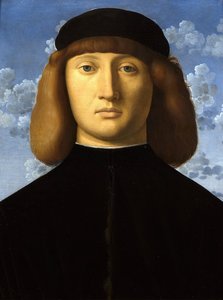
Vincenzo Catena
1470 - 1531 , Italy
Brzi pregled
- Name: Vincenzo Catena
- Movement: Renaissance, Venetian School
- Birth Date: 1470
- Death Date: 1531
- Birth Place: Venice, Italy
- Nationality: Italian
- Date Of Birth: 1470
- Date Of Death: 1531
- Influenced By:
- Giovanni Bellini
- Giorgione
- Notable Works:
- Santa Cristina Altarpiece
- The Adoration of the Shepherds
- Madonna and Child with a Holy Female Martyr, Saint Francis of Assisi and the Donor
- Place Of Birth: Venice, Italy
Povezani članci

Venetian Renaissance: The Golden Age of Color, Light, and Luminous Artistry
Embark on a journey through the Venetian Renaissance. Discover how masters like Giorgione and Titian revolutionized art through luminous color and light. Explore the profound legacy of the Venetian School and its enduring influence on the world of fine art.

Venetian Renaissance: The Mastery of Color, Light, and the Art of Colorito
Explore the luminous mastery of the Venetian Renaissance. Discover how masters like Titian and Giorgione revolutionized art through colorito, light, and atmosphere. An expert guide to the golden age of Italian painting for collectors and enthusiasts.

Giorgione: Enigma and Innovation in Early Venetian Renaissance Painting
Explore the enigmatic world of Giorgione, a pivotal figure in the Venetian Renaissance. Discover his innovative techniques, iconic paintings like 'The Tempest', and lasting influence on art history. Learn more at OriginalUniqueArt.
Titian: Innovation, Technique & the Venetian Renaissance Portrait Tradition
Explore the revolutionary techniques & enduring legacy of Titian, the master of Venetian Renaissance portraiture. Discover insights for collectors & appreciate his impact on art history.

The Golden Light of Innovation: Exploring the Venetian Renaissance Art Movement (1430–1580)
Explore the Golden Age of Venetian art (1430–1580). Discover Giorgione, Titian & Tintoretto's techniques, the 'colorito' revolution, and lasting influence. Expert insights for collectors & enthusiasts.
