Prebacite na printove
 Prikaži više







































 Za umjetnička djela ili reprodukcije veće od 105 cm (približno 41 inč) na bilo kojoj strani, okvir će biti isporučen u obliku rastavljenog seta za montažu. Ovaj način osigurava sigurnu dostavu i sprječava oštećenja tijekom transporta.


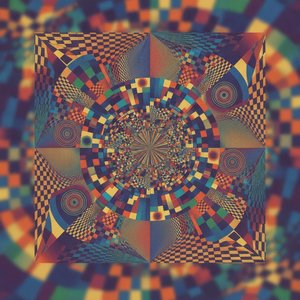
Vega-Wa-3: A Dance of Geometric Illusion
Victor Vasarely’s “Vega-Wa-3” stands as a testament to the revolutionary spirit of Op Art – Optical Art – and its profound influence on 20th-century visual culture. Painted in 1968, this striking artwork embodies Vasarely's meticulous approach to abstraction, transforming seemingly simple geometric forms into captivating illusions that challenge our perception of space and color. The canvas presents a mesmerizing interplay of red and white circles arranged in a complex checkerboard pattern, creating an effect akin to movement without any physical stimulus. This isn’t merely decoration; it’s an exploration of how the human eye perceives visual information.- Style: Op Art – Characterized by its deliberate manipulation of optical illusions, “Vega-Wa-3” exemplifies Vasarely's dedication to creating artworks that stimulate sensory experience beyond mere visual observation.
- Technique: Vasarely employed a precise method of applying pigment onto canvas, ensuring consistent color saturation and meticulous alignment of the circles. This technique reflects the artist’s commitment to scientific rigor alongside artistic creativity.
- Historical Context: Emerging in the mid-1960s, Op Art coincided with a period of significant experimentation in art and design, fueled by advancements in psychology and neuroscience. Vasarely's work positioned itself at the forefront of this movement, responding to questions about how visual stimuli affect our consciousness.
Decoding Geometric Symbolism
Beyond its aesthetic appeal, “Vega-Wa-3” carries symbolic weight rooted in Vasarely’s philosophical framework. He believed that geometric forms could represent fundamental concepts of order and harmony – mirroring the underlying structure of the universe itself. The concentric circles symbolize unity and interconnectedness, while their rhythmic repetition evokes a sense of dynamism and constant transformation. This deliberate structuring isn't accidental; it’s an intentional effort to communicate ideas about balance and equilibrium.Emotional Resonance: Capturing Perception
The artwork’s impact transcends intellectual understanding, eliciting visceral responses from viewers. The vibrant red and white hues generate a stimulating visual experience that draws attention to the subtleties of color perception. “Vega-Wa-3” invites contemplation on how our brains actively construct reality based on sensory input – prompting us to question what we see and feel. It’s an artwork designed not just to be looked at, but to be experienced.A Legacy of Innovation
Victor Vasarely's “Vega-Wa-3” remains a cornerstone of Op Art’s enduring legacy. Its influence can be seen in subsequent artistic endeavors and continues to inspire designers seeking innovative ways to engage audiences visually. Reproductions offer an opportunity to appreciate the brilliance of Vasarely’s vision – bringing this captivating geometric illusion into contemporary spaces and enriching our understanding of art history.Pitanja i odgovori
Što prikazuje "Вега-ВА-3"?
Teme prisutne u djelu "Вега-ВА-3" autora Viktor Vasareli uključuju geometric abstraction, optical illusion, circular patterns, color vibration, dynamic composition, minimalist design, retro futurism, što zajedno sažima samu bit umjetničkog djela.
Gdje se "Вега-ВА-3" nalazi među uobičajenim motivima umjetnika Viktor Vasareli?
"Вега-ВА-3" prikazuje geometric abstraction, optical illusion, circular patterns, color vibration, dynamic composition, minimalist design, retro futurism, dok su zabilježene teme umjetnika Viktor Vasareli povezani s bauhaus influence, geometric forms, visual perception exploration, minimalist aesthetic vision, kinetic art pioneer role, city future utopia dream. Usporedba ova dva elementa pokazuje kako se ovo djelo povezuje s uobičajenim motivima umjetnika.
Koliko je godina Viktor Vasareli imao/la kada je stvorio/la "Вега-ВА-3"?
Viktor Vasareli je imao/la 62 godina u trenutku stvaranja djela "Вега-ВА-3" u 1968 godini. Dob je izračunata na temelju godine umjetnikovog rođenja, 1906.
 Pregledaj u realnoj veličini
 Pošalji
 Podijeli
 Detalji o umjetničkom djelu
 Vodič
Vodič

 Preuzmi umjetničko djelo
 Slični predmeti
 Rentgenska snimka
 Slide show
 Pitanja i odgovori
 Statistika