- Početna stranica

- Otisak na platnu
- thomas worlidge
- The Draughtsman

 Pregledaj u stvarnoj veličini
 Pošalji
 Podijeli
 Detalji o umjetničkom djelu

 Preuzmi
 Slični predmeti
 Rentgenska snimka
 Automatska prezentacija
The Draughtsman
 1750
1750 38.0 x 29.0 cm
 Peterborough Museum And Art Gallery
 Prikaži više
Giclée / Umjetnički otisak
Giclée tisak muzejske kvalitete ili otisak na platnu uz brzu proizvodnju i fleksibilne opcije završne obrade. ( Prebacite se na ručno oslikano djelo Prebacite na sliku)




































Odaberite jednu od naših unaprijed definiranih veličina koje odgovaraju izvornim proporcijama umjetničkog djela.

Možete unijeti vlastite dimenzije kako biste umjetničko djelo prilagodili specifičnom okviru ili prostoru. Ako odabrana veličina ne odgovara proporcijama izvornog rada, izrezat ćemo dio slike ili je proširiti pomoću ogledalnog efekta ili jednobojne rubne površine. Digitalni prikaz (mockup) bit će vam poslan na odobrenje prije početka proizvodnje.
Imajte na umu da pregled na zaslonu ne odražava stvarno izrezivanje ili proširivanje. Samo će mockup točno prikazati konačnu kompoziciju.
Iako su dostupne prilagođene veličine, preporučujemo odabir dimenzije iz unaprijed definirane liste kako biste očuvali izvorne proporcije.
Dostava širom svijeta () u roku od 2 tjedna umjesto standardnih 4/5 tjedana. (31 Srpanj)

Besplatna ekspresna dostava širom svijeta

Visokokvalitetno laneno platno

Potpuno osiguranje dostave

Jamstvo povrata carine i uvoznih poreza

Garancija vjernog podudaranja boja

Politika povrata u roku od 60 dana (samo u slučaju nedostataka)

Jamstvo povrata 100% novca

Popust na više proizvoda
 Opcija stakla dostupna je samo za dimenzije manje od 110 cm

The Draughtsman
Giclée / Umjetnički otisak
Veličina reprodukcije
-


Ukupna cijena
$ 80
Biografija umjetnika
A Life Etched in Light: The World of Thomas Worlidge
Thomas Worlidge, a name perhaps less celebrated than some of his contemporaries, nevertheless occupies a fascinating niche within the 18th-century English art world. Born in Peterborough in 1700 to Roman Catholic parents—a circumstance that would subtly shape his early career—Worlidge embarked on an artistic journey marked by meticulous technique, a keen eye for portraiture, and a profound engagement with the legacy of Rembrandt van Rijn. His life unfolded against a backdrop of shifting artistic tastes, burgeoning print culture, and the growing prominence of London as a center for both artistic production and consumption. Worlidge’s story is not one of immediate acclaim, but rather of steady development, skillful adaptation, and ultimately, a distinctive voice forged through dedicated study and practice.From Grimaldi's Studio to Birmingham Glass
Worlidge’s formal artistic training began in London under the tutelage of Alessandro Maria Grimaldi, a Genoese refugee artist who instilled in him a foundation of portraiture skills. He quickly demonstrated aptitude, even painting portraits *of* his master and Grimaldi's wife around 1720—a testament to early promise and a burgeoning talent for capturing likeness. A significant turning point came with his marriage to Grimaldi’s daughter, solidifying his connection to this influential artistic family and ensuring continued mentorship from Alexander Grimaldi, the elder artist’s son. Further instruction under Louis Peter Boitard broadened his technical repertoire. Around 1736, Worlidge accompanied the younger Grimaldi on a visit to Birmingham, an event that proved pivotal in reintroducing the art of painting on glass to the region—a skill he practiced for a time alongside his portrait work. A brief sojourn practicing portraiture in Bath further honed his skills before his eventual settling in London around 1740, establishing a base near Covent Garden that would remain central to his life and career.London Life and the Rise of Miniature Portraiture
The years spent in London were crucial for Worlidge’s development as an artist. He initially established himself with miniature portraits, capitalizing on their popularity among a fashionable clientele. These small-scale works demanded exceptional precision and attention to detail—qualities that would become hallmarks of his style. He moved between addresses in the Covent Garden neighborhood – first ‘at the Piazza,’ then Bedford Street and King Street – becoming increasingly integrated into the artistic fabric of the city. By 1763, he had settled in a substantial house on Great Queen Street, built by Inigo Jones, near what would become the Freemasons’ Tavern—a location indicative of his growing status and professional success. However, this period also saw Worlidge grapple with personal challenges; he became increasingly prone to obesity and excessive drinking, ultimately succumbing to gout in his later years. He retreated to a country house in Hammersmith during these final years, where he died on September 23, 1766, and was buried in the local church—a simple marble slab inscribed with verses by William Kenrick serving as his lasting memorial.Rembrandt’s Shadow: Etching and Artistic Identity
While Worlidge enjoyed success with oil and pastel portraits, it was his later embrace of etching that truly defined his artistic identity. He became fascinated with the techniques employed by Rembrandt van Rijn, particularly the use of dry-needle with a triangular point to create richly textured prints. He didn’t merely copy Rembrandt; he *studied* him, attempting to emulate the Dutch master's atmospheric effects and psychological depth. Worlidge copied some of Rembrandt’s most iconic prints—including his self-portrait and the renowned “hundred-guelder plate”—but also created original works inspired by Rembrandt’s style. He became known as the ‘English Rembrandt,’ a title that, while perhaps an oversimplification, acknowledged his profound engagement with the Dutch artist's oeuvre. His etchings of faces in blacklead pencil—for which he charged two guineas apiece—were particularly popular among London society, demonstrating his ability to capture both likeness and character. A notable etching depicted the installation of John Fane, the Earl of Westmorland, at Oxford University in 1761, a complex composition that included self-portraits of himself, his second wife, and his brother-in-law, Alexander Grimaldi, alongside portraits of numerous other figures.A Lasting Legacy: Technique, Influence, and Historical Significance
Thomas Worlidge’s significance lies not in groundbreaking innovation but in skillful adaptation and the dissemination of artistic knowledge. He reintroduced glass painting to Birmingham, popularized miniature portraiture, and brought Rembrandt's etching techniques to a wider English audience. His meticulous approach to portraiture—evident in his oil paintings, pastels, and etchings—reflects a dedication to capturing both physical likeness and psychological nuance. He was a product of his time, responding to the demands of a growing market for portraits while simultaneously engaging with the artistic traditions of the past. While he may not be a household name today, Worlidge’s work offers valuable insights into 18th-century English art—a testament to the enduring power of skillful technique and the transformative influence of artistic masters like Rembrandt van Rijn. His etchings, in particular, remain compelling examples of his artistry, showcasing a unique blend of observation, adaptation, and personal expression.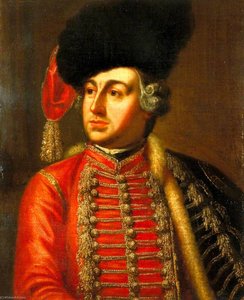
thomas worlidge
1700 - 1766
Osnovne informacije
- Artistic Movement Or Style: Portraiture, Etching
- Artists Who Influenced This Artist:
- Alessandro Grimaldi
- Louis Peter Boitard
- Date Of Birth: 1700
- Date Of Death: 1766
- Full Name: Thomas Worlidge
- Nationality: English
- Notable Artworks:
- Mrs Francis Hales
- David Garrick as Tancred
- Portrait of a Man
- Place Of Birth: Peterborough, England

