
 Pregledaj u realnoj veličini
 Pošalji
 Podijeli
 Detalji o umjetničkom djelu
 Vodič
Vodič

 Preuzmi umjetničko djelo
 Slični predmeti
 Rentgenska snimka
 Slide show
 Q&A
Q&A Statistika
Martial Attire


 Prikaži više
Djelo prikazano na ovoj stranici zaštićeno je autorskim pravima, što znači da zakonski ne možemo izraditi niti prodati identičnu reprodukciju. Ova se zaštita provodi u skladu s međunarodnim sporazumima kao što su Bernska konvencija i nacionalnim zakonima, uključujući i one koji su utvrđeni u Američki zakon o autorskom pravu – Title 17.
Ova metoda u potpunosti je usklađena s autorskim pravima jer ne uključuje kopiranje ili dupliciranje zaštićenih umjetničkih djela. Umjesto toga, riječ je o kreativnoj reinterpretaciji – novoj slici koja je dobila utjecaj na izvornik, ali nije identična njemu.
Giclée / Umjetnički otisak
Giclée tisak muzejske kvalitete ili otisak na platnu uz brzu izradu i raznolike opcije završne obrade. ( Kupi ručno oslikano djelo Prebacite na digitalnu sliku)




































Odaberite jednu od naših unaprijed definiranih veličina koje odgovaraju izvornim proporcijama umjetničkog djela.

Unesite potrebnu širinu i visinu kako bi odgovarali vašem okviru ili zidu. Print se može samo izrezati, nikada ne može biti veći od slike, stoga format s drugačijim omjerom stranica uzrokuje gubitak dijela slike. Prije bilo kakve štampe šaljemo vam digitalni prikaz (mockup) na odobrenje. Slika prikazana na ovoj stranici ne prikazuje stvarni rez — to prikazuje isključivo digitalni prikaz.
Dostava širom svijeta () u roku od 2 tjedna umjesto standardnih 4/5 tjedana. (2 Studeni)

Besplatna ekspresna dostava širom svijeta

Visokokvalitetno laneno platno

Potpuno osiguranje dostave

Jamstvo povrata carine i uvoznih poreza

Jamstvo vjernosti boja

Politika povrata u roku od 100 dana (samo u slučaju nedostataka)

Jamstvo povrata 100% novca

Popust na više proizvoda
 Opcija stakla dostupna je samo za dimenzije manje od 110 cm

Martial Attire
Giclée / Umjetnički otisak
Veličina reprodukcije
-


Ukupna cijena
€ 71
Pitanja i odgovori
U kojem se muzeju čuva izvornik djela "Martial Attire"?
Originalno djelo "Martial Attire" autora Sun Pengzu čuva se u muzeju China Modern and Contemporary Art Document Research Center, Beijing, Narodna Republika Kina. Reprodukcija omogućuje prikazivanje ovog djela u vašem domu.
Kako mogu dobiti digitalnu datoteku djela "Martial Attire" autora Sun Pengzu?
"Martial Attire" dostupan je kao preuzimanje digitalne slike visoke rezolucije, uz izravnu kupnju na njegovoj Digitalna umjetnina stranici.
Kako mogu preuzeti sliku djela "Martial Attire" autora Sun Pengzu?
"Martial Attire" autora Sun Pengzu možete preuzeti na stranici Preuzimanje digitalne slike za ovo umjetničko djelo, kao preuzimanje digitalne slike visoke rezolucije.
Biografija umjetnika
Sun Pengzu: The Tragic Emperor and Master of Brush
Sun Pengzu, more commonly known as Sun Hao (243 – January or February 284), was a figure inextricably linked to the twilight years of the Eastern Wu dynasty during the Three Kingdoms period. Born into a lineage steeped in imperial ambition, he ascended to the throne amidst a yearning for stability and experience—a desire tragically unmet by his own capabilities. His reign, though brief, became a symbol of decline, ultimately contributing to the empire’s swift fall. Yet, beyond the political turmoil, Sun Hao was also a skilled artist, leaving behind a small but significant body of work that offers glimpses into his personality and artistic sensibilities.Initially named Sun Pengzu (彭祖), he was born into a family with imperial connections, the son of Sun He, a prince who had been sidelined by court politics. This early experience of marginalization profoundly shaped his worldview. Following the death of Emperor Jing in 264, driven by popular sentiment and a perceived need for an older ruler to guide Wu through turbulent times, he was thrust onto the throne. However, this elevation proved disastrous. Sun Hao lacked the strategic acumen, political finesse, and administrative skills necessary to govern effectively. He indulged in extravagant displays of wealth, prioritized personal pleasures over state affairs, and surrounded himself with sycophants who shielded him from reality.
Sun Hao’s artistic talent was evident early on. He received a thorough education, mastering the traditional arts of calligraphy, painting, and poetry. His most famous works are believed to be “Hero Song” (英雄歌) and “Martial Attire” (武衣), both rendered in meticulous pencil shading and hatching—a technique that emphasized texture and detail. "Martial Attire," depicting a horse with remarkable realism and symbolic weight, is particularly noteworthy for its use of grayscale tones to evoke a sense of mythic grandeur and the power of nature. The painting’s composition suggests a connection to Daoist philosophy, emphasizing harmony and balance—a stark contrast to the chaos that characterized his reign.
A Reign of Excess and Decline
Sun Hao's rule was marked by a series of disastrous decisions. He ignored the counsel of experienced officials, continued military campaigns against weakened enemies without strategic planning, and squandered the empire’s resources on lavish projects like the Zhaoming Palace. The constant drain on the treasury exacerbated Wu’s economic woes, while his cruelty and arbitrary justice alienated potential allies and fueled resentment among the populace. The fall of Shu Han in 263 further destabilized the situation, creating a power vacuum that Sun Hao was ill-equipped to fill. His inability to effectively respond to these challenges ultimately sealed Wu's fate.Legacy and Historical Context
Following the Jin dynasty’s conquest of Wu in 280, Sun Hao surrendered and was given the title Marquis of Wucheng (烏程侯), a recognition of his former status. After the Jin forces captured him, he was further demoted to Marquis Guiming (歸命侯) – literally “the marquis who resigns to his fate” – a poignant reflection of his downfall. Later, he became known as the Later Lord of Wu (吳後主) and the Last Emperor of Wu (吳末帝), titles used by historians to underscore his role as the final representative of a once-proud dynasty.Sun Hao’s story serves as a cautionary tale about the dangers of incompetence, vanity, and a disconnect from reality. While he is remembered primarily for his disastrous reign, his artistic legacy offers a glimpse into the man behind the emperor—a skilled artist who, despite his flaws, possessed a keen eye for detail and an appreciation for beauty. His “Martial Attire” remains a testament to his talent, a poignant reminder of a lost empire, and a window into the complex world of Three Kingdoms art.
Artistic Influences and Techniques
Sun Hao’s artistic style reflects a blend of traditional Wu styles with elements of Daoist aesthetics. The meticulous pencil shading and hatching techniques employed in works like “Martial Attire” are reminiscent of the Northern Song dynasty, particularly the work of artists who emphasized realism and texture. The use of grayscale tones also suggests an influence from Buddhist art, where monochrome palettes were often used to convey a sense of solemnity and spiritual depth. Furthermore, his artistic output demonstrates a deep understanding of symbolism—particularly in “Martial Attire,” where the horse represents strength, power, and the connection between humanity and nature.
Sun Pengzu
China
Osnovne informacije
- Full Name: Sun Pengzu (243 – January/February 284)
- Nationality: Chinese
- Date Of Birth: N/A, China
- Place Of Birth: N/A, China
- Notable Artworks:
- Hero Song
- Martial Attire
- Artistic Movement Or Style: Three Kingdoms Art
Srodni članci
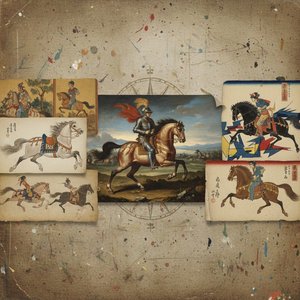
The Noble Steed on Canvas: A Historical & Artistic Exploration of Horse Painting Across Cultures
Explore the rich history of horse painting! Discover masterpieces from Stubbs to Munnings & learn about symbolism, techniques & artists. Find museum-quality reproductions at OriginalUniqueArt.

The Equine Muse: A Historical & Artistic Exploration of Horses in Painting
Explore the captivating history of horses in painting! Discover Renaissance masterpieces, Baroque grandeur & expert insights for collecting equestrian art. Learn about symbolism, techniques & lasting value with OriginalUniqueArt.
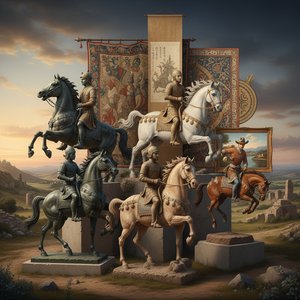
The Noble Steed: A Historical & Artistic Exploration of Equestrian Art Across Cultures
Explore the captivating history of equestrian art with OriginalUniqueArt. Discover masterpieces from Velázquez to Van Dyck & learn about collecting these timeless works. Expert insights for discerning connoisseurs.

Equestrian Elegance: Discovering the Timeless Majesty of Masterpiece Horse Paintings
Immerse yourself in the majesty of equestrian art. Discover museum-quality, hand-painted horse reproductions and bespoke commissions that capture the power and grace of the equine form. Perfect for discerning collectors seeking timeless elegance and unparalleled craftsmanship.
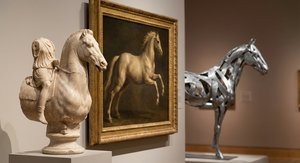
The Noble Steed: A Historical and Artistic Exploration of Horses in Fine Art
Explore the rich history of horses in fine art! From ancient depictions to Renaissance masterpieces & beyond, discover iconic artworks and artists. Learn about symbolism, techniques, and find museum-quality reproductions at OriginalUniqueArt.