

 Podijeli
 Podijeli
 Detalji
 Vodič
Vodič

 Preuzmi datoteku
 Slični predmeti
 Slide show
 Statistika
High Life


 Pročitajte više
Djelo prikazano na ovoj stranici zaštićeno je autorskim pravima, što znači da zakonski ne možemo izraditi niti prodati identičnu reprodukciju. Ova se zaštita provodi u skladu s međunarodnim sporazumima kao što su Bernska konvencija i nacionalnim zakonima, uključujući i one koji su utvrđeni u Američki zakon o autorskom pravu – Title 17.
Kao poštovana i legalna alternativa, nudimo prilagođena, ručno oslikana umjetnička djela inspirirana originalom. Naši vješti i profesionalni umjetnici pažljivo proučavaju stil, raspoloženje i umjetničku bit originala kako bi stvorili novo, jedinstveno djelo koje izaziva isti osjećaj – ostajući pritom vlastito, originalno stvaralaštvo.
Ova metoda u potpunosti je usklađena s autorskim pravima jer ne uključuje kopiranje ili dupliciranje zaštićenih umjetničkih djela. Umjesto toga, riječ je o kreativnoj reinterpretaciji – novoj slici koja je dobila utjecaj na izvornik, ali nije identična njemu.
Ručno rađena uljana reprodukcija
Ručno oslikano uljanim bojama na platnu u dimenzijama i okviru po vašem izboru, izrađeno po narudžbi od strane naših umjetnika. ( Prebacite na prodaju printova Prebacite na digitalnu prodaju slika)




































Odaberite jednu od naših unaprijed definiranih veličina koje odgovaraju izvornim proporcijama umjetničkog djela.

Unesite širinu i visinu koja vam je potrebna, kako bi odgovarali vašem okviru ili zidu. Budući da je ovo ručno oslikano djelo, umjetnik može malo proširiti rubove slike ili ih skratiti kako bi postigao željeni oblik — izbor je vaš. Prije početka slikanja poslat ćemo vam digitalni prikaz (mockup) radi potvrde. Slika prikazana na ovoj stranici ne predstavlja stvarni rezultat — samo digitalni prikaz to čini.
Nakon narudžbe, tim OriginalUniqueArt.com kontaktirat će klijenta putem e-pošte radi dobivanja uputa te dostaviti probni prikaz (mockup)
Isporuka širom svijeta () u roku od 3-4 tjedna umjesto standardnih 5 tjedana. (22 Listopad). Bez kompromisa u kvaliteti.

Besplatna ekspresna dostava širom svijeta

Visokokvalitetno laneno platno

Potpuno osiguranje transporta

Jamstvo povrata carine i uvoznih poreza

Jamstvo vjernosti boja

Politika povrata u roku od 100 dana (samo u slučaju nedostataka)

Jamstvo povrata 100% novca

Popust na više proizvoda
 Opcija stakla dostupna je samo za dimenzije manje od 110 cm

High Life
Tehnika izrade
Veličina reprodukcije
-


Ukupna cijena
€ 263
The Alchemy of the Everyday: Subodh Gupta’s High Life
In the vast landscape of contemporary sculpture, few artists possess the ability to transmute the mundane into the monumental quite like Subodh Gupta. His work, High Life, serves as a breathtaking testament to this transformative power. At first glance, the viewer is confronted by a massive, shimmering orb that seems to defy gravity, suspended in mid-air with an ethereal lightness. Yet, upon closer inspection, the sheer complexity of the piece reveals itself through a meticulous mosaic of hundreds of silver spoons. This striking juxtaposition—the heavy, industrial presence of a large metal sphere contrasted with the delicate, repetitive arrangement of domestic utensils—creates a visual tension that is both mesmerizing and deeply profound.
The technique employed in High Life is a masterclass in sculptural accumulation. Gupta eschews traditional bronze or marble, opting instead for the humble vocabulary of the kitchen. By meticulously attaching each spoon to the central form, he creates a textured, reflective surface that catches the light from every conceivable angle. This interplay of light and shadow does more than just showcase craftsmanship; it breathes life into the metal, making the sphere appear to pulse with an internal energy. For the discerning collector or interior designer, this piece offers a dynamic focal point that changes character depending on the lighting of the room, providing a sophisticated layer of texture and brilliance to any high-end space.
Symbolism and the Soul of Modernity
Beyond its dazzling exterior, High Life is steeped in layers of cultural and social symbolism. Subodh Gupta, rooted in the traditions of rural India, uses these everyday objects to explore themes of globalization, ritual, and the shifting tides of identity. The spoon, a universal tool of sustenance, carries with it the weight of domesticity, family, and the basic human need for nourishment. By aggregating these singular, intimate objects into a grand, celestial-like form, Gupta elevates the concept of the "everyday" to something sacred and extraordinary.
The title itself, High Life, invites a contemplative dialogue regarding class, consumption, and the aspirations of a modernizing society. There is a poignant irony in using mass-produced kitchenware to create an object of such perceived luxury and grandeur. It prompts the viewer to reflect on how our material possessions define us and how the remnants of our daily rituals can be recontextualized to tell a larger story about humanity's place in a globalized world. This emotional depth ensures that the artwork remains intellectually stimulating long after the initial visual impact has faded.
A Timeless Addition to Contemporary Collections
For those seeking to curate an environment of distinction, a high-quality reproduction of High Life offers an unparalleled opportunity to introduce contemporary brilliance into a home or gallery. The piece functions as a bridge between the familiar and the avant-garde, making it an ideal selection for spaces that value both comfort and intellectual rigor. Its reflective surfaces and intricate detail provide a sense of movement and luxury, while its conceptual roots offer a conversation starter of immense depth.
Whether placed in a minimalist modern loft or a classic, richly textured study, the presence of Gupta’s vision brings an air of sophisticated wonder. Owning a piece that captures this specific alchemy—the turning of steel and silver into poetry—allows a collector to possess not just a beautiful object, but a profound meditation on the beauty hidden within the ordinary rhythms of our lives.
Pitanja i odgovori
Jesu li boje djela "High Life" autora Subodh Gupta zasićene ili prigušene?
Boje djela "High Life" autora Subodh Gupta imaju Balanced Soft zasićenost. Zasićenost opisuje koliko su boje živopisne ili prigušene.
O čemu je "High Life"?
"High Life" autora Subodh Gupta prikazuje: silver spoons, metal ball, brick wall, shiny metal, suspended sphere.
Koji prostor najbolje odgovara bojama djela "High Life" autora Subodh Gupta?
Earthy boje djela "High Life" autora Subodh Gupta savršeno se uklapaju u preporučeni prostor: Hotel Lobby.
Biografija umjetnika
The Alchemy of the Everyday: The Visionary World of Subodh Gupta
In the quiet, dust-moted landscapes of Khagaul, Bihar, a journey began that would eventually reshape the global perception of contemporary Indian art. Born in 1964, Subodh Gupta’s early life was steeped in the textures of rural India—a world where the rhythms of tradition and the necessity of survival were inextricably linked. His formative years, marked by the loss of his father and a childhood spent navigating the simplicity of village life, instilled in him a profound reverence for the mundane. This deep-seated connection to the elemental is the heartbeat of his mature practice. Before he was an international icon, Gupta was a student of the tangible, finding inspiration in the way light hit a steel plate or how the communal ritual of eating bound a community together. His education at the College of Arts & Crafts in Patna provided the technical foundation, but it was the lived experience of India’s shifting social fabric that provided his true medium.
Gupta’s artistic language is one of transformation, where the humble becomes monumental. He possesses a singular ability to take the ubiquitous—stainless steel tiffin boxes, milk pails, bicycles, and thali pans—and elevate them into profound sculptural statements. These are not merely objects; they are vessels of memory and symbols of a nation in flux. By meticulously arranging mass-produced utensils into sweeping, geometric installations, Gupta invokes the spirit of Minimalism while imbuing it with a heavy, cultural weight. To a viewer in the West, these gleaming steel structures might appear as exotic artifacts of a distant land; yet, to those familiar with the Indian household, they are intimate, domestic echoes of daily life. This duality allows his work to act as a bridge, navigating the complex tensions between local tradition and the relentless tide of globalization.
Symbolism and the Sculptural Narrative
The power of Gupta’s work lies in its capacity to hold contradictory truths simultaneously. His sculptures often function as icons of both sustenance and scarcity, reflecting the economic transformations of modern India. In his most celebrated installations, such as the monumental Untitled (Chimta), the repetition of steel trays creates an imposing visual rhythm that mirrors the sheer scale of India's population and its collective identity. There is a sacredness in his use of materials; by incorporating elements like rice, spices, or even cow dung, he touches upon the ritualistic nature of Indian life, where food and earth are deeply intertwined with faith and survival.
As his career progressed, Gupta’s focus underwent a subtle but significant evolution. While his early fame was built upon the pristine, reflective surfaces of new stainless steel, he began to gravitate toward found objects that bore the scars of previous ownership. This shift introduced a poignant layer of human narrative into his work. The scratches, dents, and patinas on these weathered items serve as traces of lives lived, turning inanimate utensils into vessels of storytelling. Through this lens, his art becomes an exploration of migration and dislocation, capturing the essence of individuals moving through a world that is constantly being redefined by economic and social shifts.
A Global Legacy and Artistic Significance
Subodh Gupta’s ascent to the pinnacle of the contemporary art world has been nothing short of meteoric. Often referred to with reverence as a towering figure in Indian art, his presence in major international institutions—from the Tate Modern in London to the Venice Biennale—has cemented his status as a global messenger. His ability to translate local vernacular into a universal aesthetic has allowed him to transcend cultural boundaries, making him one of the most influential artists of his generation.
The historical significance of Gupta’s contribution can be summarized through several key pillars of his impact:
- Redefining Materiality: He successfully challenged the hierarchy of sculptural materials, proving that the most common, mass-produced objects can carry immense conceptual and aesthetic weight.
- Cultural Translation: His work serves as a vital medium for exploring how Indian identity is negotiated within the context of a globalized, interconnected world.
- The Intersection of Ritual and Modernity: By utilizing everyday objects to evoke ancient rituals, he creates a dialogue between the historical past and the industrial present.
- Global Representation: He has been instrumental in bringing the complexities of contemporary Indian social reality to the forefront of the international art discourse.
Today, as Gupta continues to live and work in New Delhi, his practice remains an ongoing investigation into the soul of the everyday. He remains an artist who does not merely observe the world but reconstructs it, one steel spoon at a time, inviting us all to find the extraordinary within the ordinary.
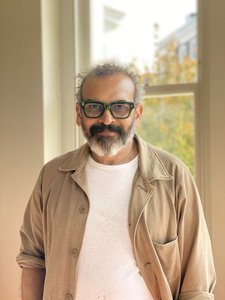
Subodh Gupta
1964 - , India
Brzi pregled
- Full Name: Subodh Gupta
- Nationality: Indian
- Date Of Birth: 1964
- Place Of Birth: Khagol, India
- Notable Artworks:
- Rani
- The Other Thing (Chimta)
- High Life
- Artistic Movement Or Style: Contemporary art
- Artists Or Movements Influenced By This Artist: ['Bharti Kher']
Povezani članci

The Enduring Form: Exploring Themes & Techniques in Sculpture Across Historical Periods
Explore the rich history of sculpture from ancient masterpieces to contemporary innovations. Discover key techniques, influential artists & investment potential for discerning art collectors.

Bronze Sculptures That Defined Art History | OriginalUniqueArt
Journey through art history with our Top 10 bronze sculptures! Explore masterpieces by Rodin, Michelangelo & more. Discover stories behind iconic statues and find museum-quality reproductions for your home decor at OriginalUniqueArt.com.

The Enduring Form: Sculpture Across History, Technique & Emotional Resonance
Explore the rich history of sculpture with OriginalUniqueArt. Discover key techniques, influential artists & investment potential for discerning collectors. Expert insights into valuing and collecting timeless masterpieces.

Metal Art for Commercial Spaces: A Procurement Guide to Durable & Modern Large-Scale Decor Solutions
Expert procurement guide for hotel designers and managers. Discover durable, large-scale metal art solutions for commercial spaces. Learn about material selection, maintenance, and efficient bulk ordering for high-traffic hospitality and corporate interiors.

Forged in Fire: The Timeless Strength and Ethereal Beauty of Metal Art
Discover the enduring allure of metal art. Explore how masterfully forged sculptures blend industrial strength with organic elegance to create timeless investment pieces for sophisticated collectors and luxury interiors.