
 Pregledaj u stvarnoj veličini
 Pošalji
 Podijeli
 Detalji o umjetničkom djelu

 Preuzmi
 Slični predmeti
 Rentgenska snimka
 Automatska prezentacija
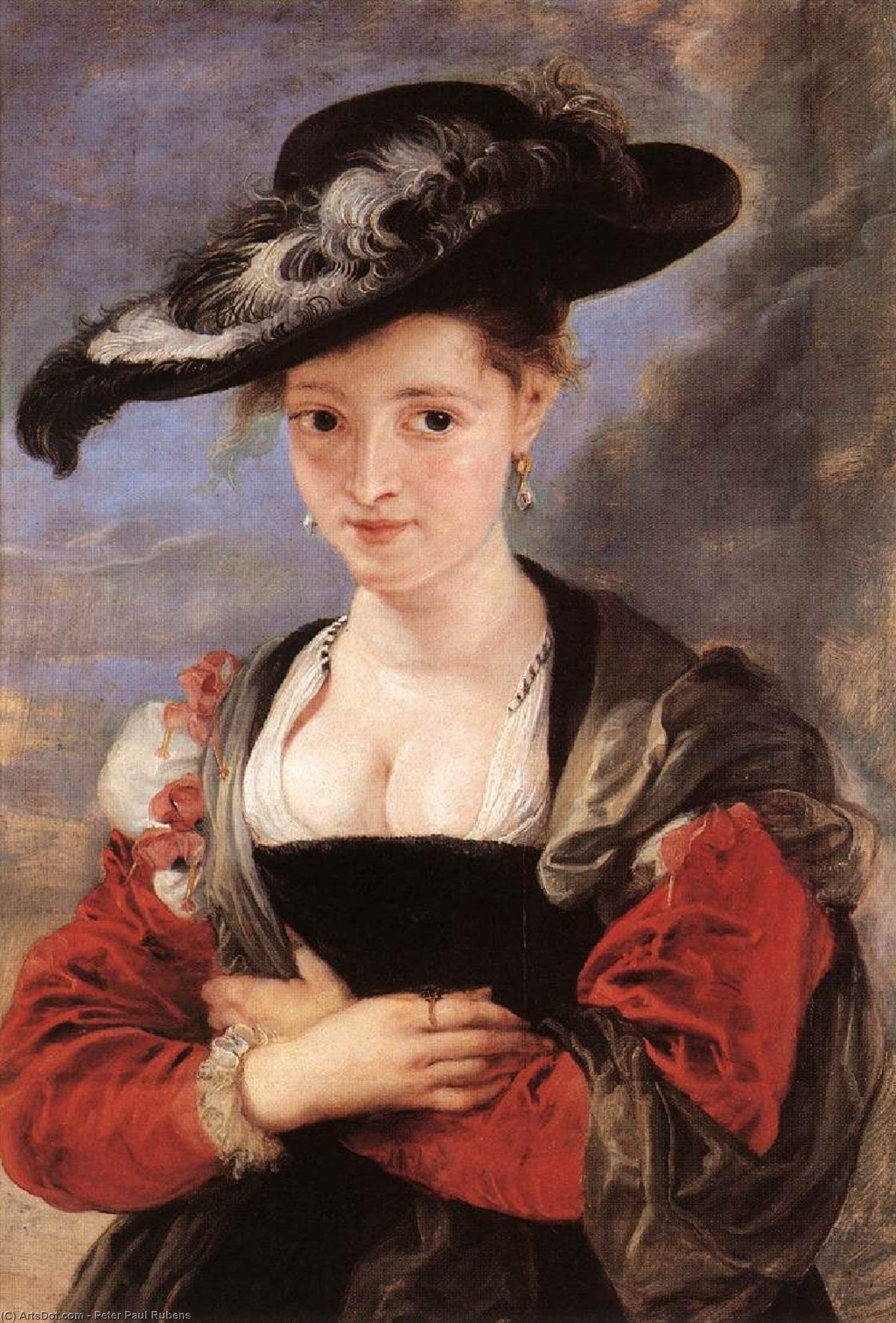
The Straw Hat
 Oil On Canvas
- WallArt
- Baroque Art
 1625
1625- Early Modern
 79.0 x 55.0 cm
 National Gallery
 Prikaži više
Kupite digitalnu sliku visoke rezolucije i poboljšane kvalitete, koja je znatno superiornija od online prikaza.
Svaka datoteka pedantno je pripremljena od strane naših internih stručnjaka koristeći napredne alate i vještinsku ručnu retušu. Osiguravamo da svaka slika ima iznimnu jasnoću, preciznu točnost boja i visoku razinu detalja.
Konačna datoteka dostavlja se putem e-pošte u roku od 72 sata, optimizirana za neposrednu upotrebu u profesionalnim, uredničkim i tiskarskim okruženjima. To je ista kvaliteta kojoj vjeruju vrhunski studiji dizajna, izdavači i galerije.
Digitalna slika
Preuzmite datoteku visoke rezolucije za osobnu izložbu, tisak i kreativne projekte. ( Kupi print Kupi ručno naslikanu sliku)
Uključeno uz svaku narudžbu digitalne slike
Profesionalna digitalna dostava, zajamčena
Odabirom OriginalUniqueArt.com ne dobivate samo sliku – dobivate profesionalno unapređeno digitalno umjetničko djelo, izrađeno s najvećom preciznošću uz jamstvo zadovoljstva. Evo svega što automatski dolazi uz vašu narudžbu:

Brza dostava e-poštom
Vaša digitalna slika visoke rezolucije bit će vam poslana e-mailom u roku od 72 sata od narudžbe – spremna za neposrednu upotrebu.

Digitalna datoteka poboljšana AI-om
Vaše umjetničko djelo profesionalno je optimizirano pomoću naprednih AI alata i ručnog uređivanja, čime se osigurava maksimalna razina detalja, oštrine i točnosti boja.

Besplatna ponovna dostava doživotno
Slučajno ste obrisali ili izgubili svoju datoteku? Ne brinite – ponovno ćemo vam je poslati u bilo kojem trenutku, potpuno besplatno.

Bez uvoznih carina – ikada
Uživajte u svojim umjetničkim djelima trenutno, bez carina, pristojbi ili troškova dostave – digitalne datoteke uvijek su oslobođene poreza.

Jamstvo točnosti boja
Uz pomoć profesionalnih alata i upravljanja bojama, osiguravamo da vaša digitalna slika što vjernije odražava izvorne boje.

Jamstvo zadovoljstva u trajanju od 60 dana
Ako niste zadovoljni svojom digitalnom slikom, revidirat ćemo je ili vratiti 100% novca u roku od 60 dana – bez ikakvih pitanja.

100% Jamstvo povrata novca
Niste zadovoljni? Osigurajte puni povrat novca u roku od 60 dana od primitka vaše digitalne datoteke – bez suvišnih pitanja.

Popusti na velike narudžbe
Kupite 3 slike, uštedite 10% - Kupite 5 slika, uštedite 15% - Kupite 10+ slika, uštedite 20%. Odlično za kreativne projekte, galerije i agencije.
Opis kolekcionarskog djela
A Portrait Steeped in Baroque Drama: Examining Rubens’ “The Straw Hat”
“The Straw Hat,” painted by Sir Peter Paul Rubens in 1625, transcends mere visual representation; it embodies the very spirit of the Baroque era—a period defined by opulent grandeur, theatrical emotion, and a masterful manipulation of light and shadow. Currently residing within the hallowed halls of the National Gallery in London, this canvas offers an unparalleled glimpse into the artistic sensibilities of one of Europe’s most influential figures.Subject Matter and Composition
At its core lies a captivating portrait of a woman whose gaze holds the viewer captive. Rubens meticulously captures her expression—a subtle blend of serenity and contemplation—against a backdrop of a turbulent sky, mirroring the emotional intensity characteristic of Baroque art. The hat itself, adorned with feathers and embellished with pearls, serves as more than just an accessory; it symbolizes status and refinement, reflecting the societal values prevalent during Rubens’ time. The artist's keen eye for detail ensures that every element contributes to the overall narrative, creating a harmonious balance between subject and environment.Rubensian Style: Chiaroscuro and Dynamic Movement
Rubens’ distinctive Baroque style is immediately apparent through his masterful use of chiaroscuro—the dramatic interplay of light and dark—which sculpts the woman's face and imbues the painting with palpable energy. Unlike earlier Renaissance styles, Rubens prioritized conveying emotion over idealized beauty, prioritizing dynamism and movement to capture the essence of human experience. The brushstrokes are loose and expressive, reflecting a desire to portray not just what is seen but also what is felt. This technique elevates “The Straw Hat” beyond a simple likeness, transforming it into an embodiment of Baroque artistic ideals.Historical Context: Rubens’ Patronage and Artistic Legacy
Born in Siegen, Germany, in 1577, Peter Paul Rubens ascended to prominence as a diplomat and artist during the reign of James I of England. His prolific output—spanning monumental canvases like “The Descent from Calvary” and “The Elevation of the Cross”—established him as a cornerstone of Flemish Baroque art. Rubens’ commissions frequently drew inspiration from classical mythology and Christian narratives, demonstrating his erudition and reflecting the intellectual currents of his era. The patronage he secured from influential figures solidified his position at the forefront of artistic innovation, ensuring that his legacy would endure for centuries to come.Symbolism Beyond Appearance
The pearl necklace encircling the woman’s neck symbolizes purity and virtue—values considered paramount in Baroque society. Furthermore, the feathers adorning her hat represent nobility and elegance, reinforcing the portrait's message of refined femininity. Rubens skillfully employs symbolism to enrich the narrative, inviting viewers to contemplate deeper meanings beneath the surface beauty of the image.Emotional Resonance: A Window into Human Experience
“The Straw Hat” continues to resonate with audiences today because it captures a profound truth about human emotion—the ability to convey inner thoughts and feelings through outward expression. Rubens’ masterful technique allows for an intimate connection between the viewer and the subject, fostering contemplation on themes of beauty, grace, and resilience. It stands as a testament to the enduring power of art to illuminate the complexities of the human condition.Biografija umjetnika
Sir Peter Paul Rubens: A Baroque Master!
Peter Paul Rubens, a name that resonates with the very essence of Baroque dynamism, was far more than simply a painter. He was a diplomat, a scholar, and a cultural architect who fundamentally reshaped the artistic landscape of 17th-century Europe. Born in Siegen, Germany, in 1577, his early life was marked by displacement—a formative experience that would subtly permeate his later work with an undercurrent of drama and emotional depth. His father, Jan Rubens, a lawyer fleeing religious persecution for his Calvinist beliefs, uprooted the family from their native Antwerp, then under Spanish rule. This initial exile instilled in young Peter Paul a sense of resilience and adaptability, qualities that would serve him well throughout his multifaceted career. Following his father’s death in 1587, the family returned to Antwerp, where he received a humanist education before embarking on his artistic training around 1590, apprenticing under Tobias Verhaecht and Adam van Noort, honing foundational skills in drawing and painting techniques. However, it was his time with Otto van Veen that proved pivotal, exposing him to the rich legacy of Italian Renaissance art—a world he would soon embrace wholeheartedly.The Italian Awakening and Artistic Synthesis
In 1600, Rubens embarked on a transformative journey to Italy, a pilgrimage that irrevocably shaped his artistic vision. For eight years, he immersed himself in the masterpieces of Michelangelo, Raphael, and Titian, absorbing their mastery of form, color, and composition. The influence of these Renaissance giants is readily apparent in his early Italian works, characterized by classical themes and idealized figures. Yet, Rubens didn’t merely imitate; he synthesized these influences with his own innate talent, developing a distinctive style marked by vibrant hues, dynamic compositions, and a sensuous depiction of the human form. He studied anatomy meticulously, resulting in figures that possessed both physical realism and emotional power—robust bodies imbued with life and movement. This period wasn’t solely about artistic development; it was a profound intellectual awakening, fostering a deep appreciation for classical mythology and literature which would become recurring motifs throughout his oeuvre. Upon returning to Antwerp in 1608, Rubens swiftly established himself as the leading artist of his time, receiving a flood of commissions that testified to his burgeoning reputation and solidifying his position at the forefront of Flemish art.A Master of Many Forms: Painting Beyond Boundaries
Rubens’s artistic output was astonishingly diverse and prolific. He didn't confine himself to a single genre; instead, he excelled in history paintings, mythological scenes, portraits, landscapes, and religious works—a testament to his versatility and boundless creativity. His large-scale canvases, often intended for churches, palaces, and public spaces, were breathtaking displays of technical virtuosity and dramatic storytelling. The Descent from the Cross (c. 1616-1617) exemplifies his masterful use of light and shadow to create a scene of profound emotional intensity, drawing viewers into the heart of the narrative. The Raising of the Cross (1610-1611), with its swirling figures and dynamic composition, showcases his ability to convey movement and energy—a hallmark of his Baroque style. Even in seemingly static subjects like The Judgement of Paris (c. 1636), Rubens infused a sense of life and vitality through his vibrant color palette and sensual depiction of the human form. His technique was equally remarkable – a masterful command of oil painting, employing impasto to create texture and depth, alongside delicate glazing techniques to achieve luminous effects. He frequently employed allegorical figures and symbolic imagery, layering narratives with complex meanings that invited contemplation and interpretation.Diplomacy, Legacy, and Enduring Influence
Rubens’s influence extended far beyond the realm of art. His diplomatic skills were highly sought after by the Southern Netherlands (modern-day Belgium), and he undertook numerous missions to England, France, and Spain, negotiating treaties and fostering political alliances—a unique dual role that afforded him a nuanced perspective on European affairs and further enhanced his reputation as a man of intellect and influence. In 1622 he was commissioned by Maria de Medici, where he was quickly forced to hone a new skill set—the political maneuver. Cardinal Richelieu hated him, Maria was unpredictable, and the project eventually fell apart, leaving many works uncompleted. But Rubens still brought home a commission. After the death of his first wife in 1625, Rubens traveled again, this time wielding his skill in painting as a diplomatic tool. He traveled to England to work for King Charles I. In both France and England, Rubens arrived as a painter and left as a confidant of the powerful and dangerous. In his travels he negotiated allegiances for Isabella Clara Eugenia, the governor of the Spanish Netherlands. In exchange, Isabella bestowed knighthood on her loyal painter, and the artist became Sir Peter Paul Rubens. He continued to paint prolifically until his death in Antwerp in 1640, leaving behind a vast legacy that continues to inspire awe and admiration. His impact on subsequent generations of artists is immeasurable; painters like Anthony van Dyck, Jacob Jordaens, and Eugène Delacroix all drew inspiration from his dynamic compositions, vibrant colors, and sensuous figures. Rubens didn’t just define the Baroque style—he elevated painting to a new level of prestige and influence, solidifying Antwerp as a major center of artistic production during the 17th century. He remains, centuries later, a towering figure in the history of art, a testament to the power of human creativity and the enduring allure of Baroque splendor.Key Characteristics of Rubens’s Style
- Dynamic Composition: Rubens' paintings are known for their energetic and dramatic arrangements of figures.
- Vibrant Color Palette: He employed a rich, warm color scheme that brought his canvases to life.
- Sensuous Figures: His depictions of the human form were characterized by fullness, vitality, and often, overt sensuality.
- Masterful Use of Light and Shadow: Rubens skillfully manipulated light and shadow to create depth, drama, and emotional impact.
- Allegorical Symbolism: His works frequently incorporated allegorical figures and symbolic imagery, adding layers of meaning and complexity.

Petar Petrovič Rubins
1577 - 1640 , Njemačka
Kratke činjenice
- Artistic Movement Or Style: Barok
- Artists Or Movements Influenced By This Artist:
- Antoni van Dijk
- Jakob Jordans
- Artists Who Influenced This Artist:
- Mikelijel Đevet
- Rafael
- Titijan
- Date Of Birth: 28. juni 1577.
- Date Of Death: 30. maj 1640.
- Full Name: Sir Peter Paul Rubens
- Nationality: Flamanjski
- Notable Artworks:
- Descent iz križa
- Podizanje križa
- Portret Izabele Brant
- Place Of Birth: Siegen, Njemačka

