

 Pregledaj u stvarnoj veličini
 Pošalji
 Podijeli
 Detalji o umjetničkom djelu

 Preuzmi
 Slični predmeti
 Rentgenska snimka
 Automatska prezentacija
Captain Robert Orme
 Oil On Canvas
- WallArt
- Rococo
 1756
1756- Early Modern
 240.0 x 147.0 cm
 Prikaži više
Kupite digitalnu sliku visoke rezolucije i poboljšane kvalitete, koja je znatno superiornija od online prikaza.
Svaka datoteka pedantno je pripremljena od strane naših internih stručnjaka koristeći napredne alate i vještinsku ručnu retušu. Osiguravamo da svaka slika ima iznimnu jasnoću, preciznu točnost boja i visoku razinu detalja.
Konačna datoteka dostavlja se putem e-pošte u roku od 72 sata, optimizirana za neposrednu upotrebu u profesionalnim, uredničkim i tiskarskim okruženjima. To je ista kvaliteta kojoj vjeruju vrhunski studiji dizajna, izdavači i galerije.
Digitalna slika
Preuzmite datoteku visoke rezolucije za osobnu izložbu, tisak i kreativne projekte. ( Kupi print Kupi ručno naslikanu sliku)
Uključeno uz svaku narudžbu digitalne slike
Profesionalna digitalna dostava, zajamčena
Odabirom OriginalUniqueArt.com ne dobivate samo sliku – dobivate profesionalno unapređeno digitalno umjetničko djelo, izrađeno s najvećom preciznošću uz jamstvo zadovoljstva. Evo svega što automatski dolazi uz vašu narudžbu:

Brza dostava e-poštom
Vaša digitalna slika visoke rezolucije bit će vam poslana e-mailom u roku od 72 sata od narudžbe – spremna za neposrednu upotrebu.

Digitalna datoteka poboljšana AI-om
Vaše umjetničko djelo profesionalno je optimizirano pomoću naprednih AI alata i ručnog uređivanja, čime se osigurava maksimalna razina detalja, oštrine i točnosti boja.

Besplatna ponovna dostava doživotno
Slučajno ste obrisali ili izgubili svoju datoteku? Ne brinite – ponovno ćemo vam je poslati u bilo kojem trenutku, potpuno besplatno.

Bez uvoznih carina – ikada
Uživajte u svojim umjetničkim djelima trenutno, bez carina, pristojbi ili troškova dostave – digitalne datoteke uvijek su oslobođene poreza.

Jamstvo točnosti boja
Uz pomoć profesionalnih alata i upravljanja bojama, osiguravamo da vaša digitalna slika što vjernije odražava izvorne boje.

Jamstvo zadovoljstva u trajanju od 60 dana
Ako niste zadovoljni svojom digitalnom slikom, revidirat ćemo je ili vratiti 100% novca u roku od 60 dana – bez ikakvih pitanja.

100% Jamstvo povrata novca
Niste zadovoljni? Osigurajte puni povrat novca u roku od 60 dana od primitka vaše digitalne datoteke – bez suvišnih pitanja.

Popusti na velike narudžbe
Kupite 3 slike, uštedite 10% - Kupite 5 slika, uštedite 15% - Kupite 10+ slika, uštedite 20%. Odlično za kreativne projekte, galerije i agencije.
Captain Robert Orme: A Portrait of Valor and Reflection
“Captain Robert Orme” is a captivating portrait painted in 1756 by the esteemed Sir Joshua Reynolds, a pivotal figure in British art during the Rococo period. This artwork stands as a testament to Reynolds' skill in capturing not just likeness but also the essence of his subject’s character and experiences. The painting depicts Captain Robert Orme, a British Army officer recently returned from North America following service in the conflict against the French. It is more than just a representation; it's a window into a moment suspended between action and contemplation.
Artistic Style and Influences
Reynolds’ style in “Captain Robert Orme” exemplifies the Rococo aesthetic, characterized by its dramatic lighting, rich colors, and dynamic composition. The painting draws inspiration from Jacopo Ligozzi's fresco of "Saint Francis embracing a Sick Man," evident in Reynolds’ compositional choices. Notably, the division of Captain Orme’s face into contrasting light and shadow is a deliberate technique employed to convey the emotional toll of battle and the loss experienced by his comrades. This masterful use of chiaroscuro creates depth and emphasizes the psychological complexity of the subject.
- Medium: Oil on canvas, showcasing Reynolds' expertise in layering paint (glazing) to achieve luminous effects.
- Compositional Elements: The painting features a dynamic arrangement with Orme positioned beside his horse against a backdrop of a stormy sky and glimpses of the battlefield. This creates a sense of movement and immediacy.
- Historical Context: Painted during a period of heightened military activity, the portrait reflects the era's fascination with martial figures and their contributions to British society.
Symbolism and Interpretation
Beyond its aesthetic appeal, “Captain Robert Orme” is rich in symbolism. The horse represents power, nobility, and readiness for action – qualities associated with military leadership. Captain Orme’s attire signifies his status and wealth within the British social hierarchy. However, it's the subtle details—the dispatch he holds, the stormy sky—that deepen the painting’s meaning. These elements suggest a sense of responsibility, impending news, and the weight of command during times of conflict. The dramatic lighting further emphasizes the emotional intensity of the scene, inviting viewers to contemplate the psychological impact of war on individuals.
Emotional Impact and Legacy
“Captain Robert Orme” evokes a powerful blend of emotions—awe at military prowess, empathy for the burdens of leadership, and reflection on the human cost of conflict. Reynolds’ ability to capture these nuances elevates the portrait beyond mere representation, transforming it into a poignant exploration of character and experience. The painting's enduring appeal lies in its capacity to resonate with viewers across generations, prompting contemplation about themes of duty, sacrifice, and the complexities of human nature. Today, “Captain Robert Orme” remains a celebrated example of Rococo artistry and a testament to Sir Joshua Reynolds’ skill as a portraitist.
Biografija umjetnika
Sir Joshua Reynolds (1723 - 1792): Leading British portrait painter of the 18th century & first Royal Academy President
Born in 1723 in the quaint Devonshire town of Plympton, Sir Joshua Reynolds emerged as a pivotal figure during a period of immense cultural transformation in Britain. His father, Reverend Samuel Reynolds, instilled in him a love for learning and intellectual pursuits, initially steering young Joshua towards a scholarly path. However, an undeniable artistic inclination soon surfaced, leading to his apprenticeship with Thomas Hudson in London at the age of seventeen. This formative experience provided Reynolds with a solid foundation in portraiture—a genre that would define his illustrious career. Hudson’s studio was a bustling hub of fashionable society, exposing Reynolds to the demands and expectations of aristocratic patrons, shaping not only his technique but also his understanding of the social landscape he would come to depict so masterfully. It wasn't merely about capturing likeness; it was about constructing an image that reflected status, taste, and aspiration.Early Life and Artistic Formation
Reynolds’s upbringing fostered a deep appreciation for classical literature and philosophy—influences that would permeate his artistic sensibilities throughout his life. At seventeen, he entered into an apprenticeship with Thomas Hudson, a highly respected portraitist whose studio served as a crucible of artistic innovation during the mid-18th century. This relationship proved invaluable, providing Reynolds with hands-on experience in mastering the techniques of oil painting and honing his observational skills. Hudson’s emphasis on meticulous detail and dramatic composition—drawing inspiration from the works of Rembrandt and Rubens—established Reynolds' stylistic trajectory toward a distinctive approach that would distinguish him from his contemporaries. Notably, Reynolds’s early portraits demonstrated an acute awareness of psychological nuance, capturing not just physical appearance but also conveying subtle expressions of emotion and character—a hallmark of his artistic vision.The Influence of Raphael and the Pursuit of Ideal Beauty
Reynolds' artistic sensibilities were profoundly shaped by his admiration for Raphael—particularly Raphael’s frescoes in the Vatican Palace. Reynolds believed that Raphael embodied the pinnacle of artistic excellence, prioritizing idealized beauty and harmonious proportion as guiding principles. He meticulously studied Raphael’s compositions and techniques, striving to emulate his mastery of chiaroscuro (the dramatic interplay of light and shadow) – a technique he would skillfully employ throughout his career. This devotion to classical ideals fueled Reynolds' determination to elevate British portraiture beyond mere representation, infusing it with a sense of dignity and intellectual depth previously unseen in the genre. He envisioned portraits as vehicles for conveying moral virtue and demonstrating social refinement—a reflection of the Enlightenment’s preoccupation with reason and human potential.Rome and the Birth of the ‘Grand Style’
A pivotal moment in Reynolds' artistic development arrived in 1750 when he embarked on a transformative journey to Rome—a pilgrimage that would solidify his commitment to the burgeoning ‘Grand Style’. Inspired by the grandeur of ancient sculpture and the luminous canvases of Venetian masters like Titian and Veronese, Reynolds absorbed the principles of classical art and embraced a stylistic approach characterized by monumental scale, theatrical lighting, and meticulous attention to detail. He sought to recapture the spirit of Renaissance artistic achievement—a quest that would propel him to become one of Britain’s foremost painters. During his Roman sojourn, Reynolds meticulously studied the works of Michelangelo and Raphael, absorbing their compositional strategies and mastering their use of color and texture. These influences profoundly impacted his subsequent paintings, shaping his distinctive visual language and establishing him as a champion of artistic idealism.Royal Patronage and Artistic Legacy
Reynolds’s reputation soared during the latter half of his life thanks to the unwavering support of King George III—who recognized Reynolds' genius and appointed him Principal Painter to the Crown in 1784. This honor cemented Reynolds’s position as Britain’s most celebrated portraitist, securing his legacy as a transformative figure in British art history. He established the Royal Academy of Arts in 1768, serving as its inaugural president until his death in 1792—a role he undertook with unwavering dedication and conviction. Reynolds tirelessly advocated for the importance of artistic education and championed the recognition of artists as professionals deserving of respect and patronage. His annual Discourses – lectures delivered to Academy students – became seminal texts on artistic theory and practice, outlining his vision for a distinctly British school of painting. He stressed the importance of studying nature, mastering technique, and cultivating imagination, urging artists to strive for originality while remaining grounded in tradition. Reynolds’s influence extended far beyond his own canvases—he fundamentally reshaped the cultural landscape of Britain, elevating artistic standards and fostering a vibrant artistic community that continues to inspire creativity today. His paintings remain treasured masterpieces—testaments to his unparalleled skill and enduring vision—ensuring that Sir Joshua Reynolds' name will forever be synonymous with British artistic excellence.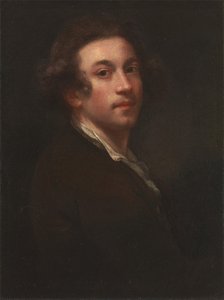
Josip Rejnolds
1723 - 1792 , Ujedinjeno Kraljevstvo
Kratke činjenice
- Artistic Movement Or Style: Grand Style
- Artists Or Movements Influenced By This Artist: ['Thomas Gainsborough']
- Artists Who Influenced This Artist: ['Thomas Hudson']
- Date Of Birth: 16 srpnja 1723.
- Date Of Death: 23 veljače 1792.
- Full Name: Sir Joshua Reynolds
- Nationality: Engleski
- Notable Artworks:
- Peter Darnell Muilman...
- Mr and Mrs William Lindow
- Portrait of John Hayes...
- Place Of Birth: Plymouth, UK

