Pregledaj u stvarnoj veličini
 Podijeli
 Podijeli
 Detalji
 Vodič
Vodič

 Preuzmi datoteku
 Slični predmeti
 Rentgenska snimka
 Slide show
 Statistika
A married couple
 Oil On Canvas
- WallArt
- Baroque
 1620
1620 154.0 x 120.0 cm
 Art Gallery of South Australia
 Pročitajte više
Giclée / Umjetnički otisak
Giclée tisak muzejske kvalitete ili otisak na platnu uz brzu proizvodnju i fleksibilne opcije završne obrade. ( Naručite ručno oslikano reprodukciju Prebacite na digitalnu prodaju slika)




P118B €10

P118H €10

P118W €10

P438Z €10

P508JH €12

P508YH €12

P805H €10

P805Z €10

P919BZ €10

P919G €10

P919XJ €10

P959ZH €10

P968JZ €12

W106C €8

W218G €10

W218JH €8

W218Y €10

W307PJ €10

W316G €10

W316PJ €8

W316Y €10

W398PJ €8

W4111J €10

W500HY €15

W500JH €15

W692G €12

W849H €8

W940BG €15

W953PJ €8




Odaberite jednu od naših unaprijed definiranih veličina koje odgovaraju izvornim proporcijama umjetničkog djela.

Unesite širinu i visinu koja vam je potrebna, kako bi odgovarali vašem okviru ili zidu. Print se može samo izrezati, nikada ne može biti veći od slike, stoga veličina s drugačijim oblikom gubi dio slike. Šaljemo vam digitalni prikaz (mockup) na odobrenje prije bilo kakve štampe. Slika prikazana na ovoj stranici ne prikazuje stvarni rez — to čini samo digitalni prikaz.
Dostava širom svijeta () u roku od 2 tjedna umjesto standardnih 4/5 tjedana. (23 Listopad)

Besplatna ekspresna dostava širom svijeta

Visokokvalitetno laneno platno

Potpuno osiguranje transporta

Jamstvo povrata carine i uvoznih poreza

Jamstvo vjernosti boja

Politika povrata u roku od 100 dana (samo u slučaju nedostataka)

Jamstvo povrata 100% novca

Popust na više proizvoda
 Opcija stakla dostupna je samo za dimenzije manje od 110 cm

A married couple
Giclée / Umjetnički otisak
Veličina reprodukcije
-


Ukupna cijena
€ 70
The Intimate Portrait: A Study in Baroque Grace
Sir Anthony van Dyck’s “A Married Couple,” painted circa 1620, is more than a simple portrait; it's a carefully constructed tableau of domestic harmony and subtle emotional resonance. Executed during the artist’s formative years in Antwerp and later refined during his influential period at the English court, this work exemplifies the burgeoning Baroque style’s emphasis on naturalism, dramatic lighting, and an exploration of human psychology. The painting captures a moment of quiet intimacy – a man and woman seated together on a bench beneath a crimson curtain, their gazes meeting with a shared sense of contentment. It's a scene that feels both familiar and profoundly moving, inviting the viewer to step into this private world.
Van Dyck’s masterful technique is immediately apparent. He employs a loose, almost impasto brushstroke, particularly noticeable in the rendering of fabrics – the man’s ruffled collar, the woman's voluminous sleeves, and the rich velvet drapes behind them. This textural approach adds depth and vibrancy to the composition, while his use of chiaroscuro—the dramatic contrast between light and shadow—creates a sense of theatricality and draws attention to key elements within the scene. The subtle gradations of color, achieved through meticulous layering of glazes, contribute to an overall luminosity that is characteristic of the artist’s style.
Courtly Dignity and Royal Influence
The painting's creation coincided with a pivotal moment in Van Dyck’s career. Following his apprenticeship under Peter Paul Rubens in Antwerp, he quickly established himself as a leading portraitist, securing commissions from prominent figures across Europe. His work for Charles I of England, beginning in 1632, cemented his reputation and profoundly influenced the development of English portraiture. “A Married Couple” reflects this shift towards courtly formality, showcasing the refined elegance favored by the aristocracy. The couple’s attire—the man's elaborate doublet and hose, the woman’s richly embroidered gown—underscores their status and wealth, while their composed demeanor suggests a shared understanding and mutual respect.
Interestingly, the painting has been linked to Charles I and Henrietta Maria of France. While not definitively proven, many art historians believe this portrait served as a preparatory sketch for a larger, more elaborate depiction of the royal couple intended for Charles’s private collection. The composition—the seated figures, the curtain backdrop—mirrors elements found in later portraits commissioned by the King, suggesting Van Dyck meticulously planned his approach to capturing the essence of the royal family.
Symbolism and Emotional Resonance
Beyond its formal qualities, “A Married Couple” is rich in symbolic meaning. The crimson curtain, a recurring motif in Van Dyck’s work, represents passion, love, and domesticity—a safe haven from the outside world. The couple's direct gaze suggests intimacy and connection, while their relaxed posture conveys a sense of comfort and security. The subtle smile on the woman’s face hints at contentment and happiness, creating an emotional core that resonates with viewers even centuries later. It is not merely a depiction of two individuals; it’s a meditation on love, companionship, and the quiet beauty of everyday life.
Van Dyck's ability to capture such nuanced emotion within a formal portrait is a testament to his artistic skill and psychological insight. “A Married Couple” remains a powerful example of Baroque artistry—a timeless depiction of human connection that continues to captivate audiences today.
Pitanja i odgovori
Gdje mogu vidjeti originalno djelo "A married couple" autora Sir Anthony Van Dyck?
Originalno djelo "A married couple" možete vidjeti u muzeju Art Gallery of South Australia, Adelaide, Australija.
Kolika je percepcija svjetline djela "A married couple" autora Sir Anthony Van Dyck?
U pogledu percepcija svjetline, "A married couple" autora Sir Anthony Van Dyck je deep_shadow.
Gdje mogu pronaći vodič za "A married couple"?
Dostupna je stranica Vodič za "A married couple" autora Sir Anthony Van Dyck: isprintana informativnica o umjetničkom djelu, dizajnirana za učenike i upotrebu u učionici.
Biografija umjetnika
Flamanski majstor na europskim dvorovima
Sir Anthony van Dyck, rođen u Antverpenu 1599. godine, istaknuo se kao jedan od najslavljenih i najutjecajnijih portretista barokne ere. Njegov život, iako tragično skraćen u samo četrdeset dvije godine, bio je vrtlog umjetničkog istraživanja i prestižnih narudžbi koje su ga vodile od rodne Flandrije do Italije i, naposljetku, u samo srce engleskog dvora. Od rane mladosti, Van Dyck je pokazivao izniman talent, ulazeći u radionicu Hendricka van Balena kao mladi šegrt te brzo upijajući tadašnje prevladavajuće stilove. Ipak, upravo je njegova povezanost s Peterom Paulom Rubensom – ne samo kao učenika, već i suradnika – istinski oblikovala njegove umjetničke temelje. Od Rubensa je naučio dinamičnim kompozicijama, bogatim paletama boja te majstorstvu u rukovanju svjetlom i sjenom, no Van Dyck je ubrzo počeo stvarati vlastiti, prepoznatljiv put, obilježen elegancijom i profinjenošću koja će postati njegov zaštitni znak.Talijanska boravišta i rađanje stila
Godine koje je Van Dyck proveo u Italiji, počevši od oko ente 1621., pokazale su se presudnima za njegov umjetnički razvoj. Boravio je prvenstveno u Genovi, gdje je stekao naklonost tamošnjih aristokratskih obitelji. Upravo je tu počeo njegovati sofisticirani stil po kojem će postati poznat – stil obilježen gracioznim pozama, luksuznim tkaninama i gotovo opipljivim osjećajem plemenitosti. Za razliku od snažne energije koja se često nalazi u Rubensovim djelima, Van Dyckovi talijanski portreti zrače profinjenom stremenosti, bilježeći ne samo fizičku sličnost, već i unutarnji karakter te društveni status svojih modela. Tijekom tog razdoblja započeo je i rad na svojoj Iconografiji, nizu pedantno izrađenih portretnih litografija koje prikazuju istaknute ličnosti tog vremena – umjetnike, učenjake, ali i vladare. Ovaj projekt pokazao je njegov izniman tehnički vještinu i utvrdio ga kao vodećeg grafičara. Ti su radovi nisu bili samo puki zapisi; bili su to pažljivo konstruirani prikazi osmišljeni da vječno oživjele subjekte te prenesu njihov status i intelekt.Dvorski slikar: Van Dyck u Engleskoj
Godine 1632. Van Dyck je primio poziv koji će zauvijek promijeniti njegovu karijeru – poziv kralja Charlesa I. Engleskog da postane službeni dvorski slikar. Ovo imenovanje označilo je prekretnicu, ne samo za samog Van Dycka, već i za englesko portretstvo. Do Londona je stigao s značajnom reputacijom te je brzo postao neophodan kralju, povjeren stvaranju slika koje projektiraju auru moći, veličanstvenosti i božanskog prava. Van Dyckovi portreti Charlesa I. posebno su vrijedni pažnje; odmaknuo se od krutih, formalnih prikaza koje su preferirali raniji umjetnici, umjesto toga prikazujući kralja kao dinamičnog, karizmatičnog vođu. Koristio je inovativne tehnike – dramatično osvjetljenje, široke pokrete i pažljivo odabrane pozadine – kako bi stvorio slike koje su istovremeno vizualno zadivljujuće i politički snažne. Njegov utjecaj protezao se izvan kraljevske obitelji, oblikujući vizualnu kulturu engleske aristokracije generacijama koje dolaze. On nije samo slikao portrete; on je stvarao sliku kraljevstva, utječući na to kako se monarhija doživljavala više od jednog stoljeća.Naslijeđe i trajni utjecaj
Van Dyckova prerana smrt 1641. godine oduzela je umjetničkom svijetu nevjerojatan talent, no njegovo naslijeđe traje i danas. Njegov utjecaj na englesko portretstvo neizmjeren je; postavio je standard elegancije i sofisticiranosti koji će potonji umjetnici težiti oponašati.- Tehničke inovacije: Bio je majstor i uljanog slikarstva i litografije, neprestano eksperimentirajući s novim tehnikama.
- Stilsko usavršavanje: Njegovi portreti odlikuju se gracioznim pozama, luksuznim tkaninama i suptilnim psihološkim uvidima.
- Dvorski utjecaj: Transformirao je sliku engleske monarhije, stvarajući vizualni jezik moći i prestiža.
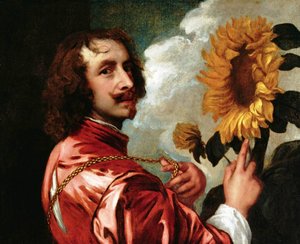
Sir Anthony Van Dyck
1599 - 1641 , België
Brzi pregled
- Artistic Movement Or Style: Barok
- Artists Who Influenced This Artist: ['Petar Petrovič Rubins']
- Date Of Birth: March 22, 1599
- Full Name: Sir Anthony van Dyck
- Nationality: Flamanski
- Notable Artworks:
- Portret žene i dijete
- Kolezijski portret Čarlsa I.
- Lord John Stuart & brat
- Dobrota
- Čarls I u Tri Pozicije
- Place Of Birth: Antwerp, Belgium
Povezani članci

Sir Anthony van Dyck: Courtly Portraiture & the Shaping of Baroque Identity
Explore the life & legacy of Sir Anthony van Dyck, the leading court painter of his era. Discover his innovative portraiture, Baroque masterpieces, and investment potential for discerning collectors. Learn more at OriginalUniqueArt.

Rembrandt van Rijn: 25 Majstorstava Svjetla i Sjene | Reprodukcije za Vaš Dom
Uronite u svijet Rembrandta van Rijna! Otkrijte 25 najpoznatijih djela nizozemskog baroka, priče iza portreta i biblijskih scena te majstorstvo svjetla i sjene. Kupite reprodukcije vrhunske kvalitete za vaš dom na OriginalUniqueArt.com

Barokna Genijalnost: Top 10 Remekdjela Koja Su Definirala Umjetnički Pokret
Otkrijte 10 remekdjela barokne umjetnosti koja su obilježila epohu! Karavaggio, Bernini, Rubens i drugi majstori. Istražite priče iza slika, tehnike i vječne ljepote. Inspirirajte se za svoj interijer s OriginalUniqueArt.com - vrhunskim reprodukcijama i kuriranim idejama za dekoraciju doma.
The Grandeur of Baroque Portraiture: Power, Emotion & Artistic Innovation
Explore the grandeur of Baroque portraiture! Discover Rubens, Van Dyck & the masters of 17th-century art. Uncover symbolism, techniques & lasting influence. Expert insights for collectors and enthusiasts.

Dutch Baroque Masters: 10 Paintings That Shaped an Era | OriginalUniqueArt
Journey through the Golden Age with our guide to the Top 10 Dutch Baroque masterpieces! Explore iconic paintings by Rembrandt, Vermeer & Frans Hals. Find museum-quality art reproductions and elevate your home decor at OriginalUniqueArt.com.