

 Pregledaj u stvarnoj veličini
 Podijeli
 Podijeli
 Detalji
 Vodič
Vodič

 Preuzmi datoteku
 Slični predmeti
 Rentgenska snimka
 Slide show
 Statistika
Last Supper
 Oil On Canvas
- WallArt
- High Renaissance
 1713
1713 67.0 x 104.0 cm
 National Gallery of Art
 Pročitajte više
Giclée / Umjetnički otisak
Giclée tisak muzejske kvalitete ili otisak na platnu uz brzu proizvodnju i fleksibilne opcije završne obrade. ( Naručite ručno oslikano reprodukciju Prebacite na digitalnu prodaju slika)




P118B €10

P118H €10

P118W €10

P438Z €10

P508JH €12

P508YH €12

P805H €10

P805Z €10

P919BZ €10

P919G €10

P919XJ €10

P959ZH €10

P968JZ €12

W106C €8

W218G €10

W218JH €8

W218Y €10

W307PJ €10

W316G €10

W316PJ €8

W316Y €10

W398PJ €8

W4111J €10

W500HY €15

W500JH €15

W692G €12

W849H €8

W940BG €15

W953PJ €8




Odaberite jednu od naših unaprijed definiranih veličina koje odgovaraju izvornim proporcijama umjetničkog djela.

Unesite širinu i visinu koja vam je potrebna, kako bi odgovarali vašem okviru ili zidu. Print se može samo izrezati, nikada ne može biti veći od slike, stoga veličina s drugačijim oblikom gubi dio slike. Šaljemo vam digitalni prikaz (mockup) na odobrenje prije bilo kakve štampe. Slika prikazana na ovoj stranici ne prikazuje stvarni rez — to čini samo digitalni prikaz.
Dostava širom svijeta () u roku od 2 tjedna umjesto standardnih 4/5 tjedana. (24 Listopad)

Besplatna ekspresna dostava širom svijeta

Visokokvalitetno laneno platno

Potpuno osiguranje transporta

Jamstvo povrata carine i uvoznih poreza

Jamstvo vjernosti boja

Politika povrata u roku od 100 dana (samo u slučaju nedostataka)

Jamstvo povrata 100% novca

Popust na više proizvoda
 Opcija stakla dostupna je samo za dimenzije manje od 110 cm

Last Supper
Giclée / Umjetnički otisak
Veličina reprodukcije
-


Ukupna cijena
€ 70
A Moment Frozen in Time: The Story of the Last Supper
Sebastiano Ricci’s “Last Supper,” a monumental fresco dominating the refectory of Santa Maria delle Grazie in Milan, isn't merely a depiction of a biblical event; it’s a profound exploration of human emotion and betrayal. Painted between 1713 and 1714, this work captures the immediate aftermath of Jesus’ announcement that one among his disciples will betray him – a moment charged with disbelief, apprehension, and simmering resentment. Ricci masterfully conveys the palpable tension in the room, drawing the viewer into the heart of this dramatic exchange. The composition is carefully orchestrated; Jesus sits at the center, radiating an almost serene authority, while the apostles react with a spectrum of responses—shock, denial, suspicion, and outright anger – each face meticulously rendered to reveal their individual personalities and inner turmoil.
The painting’s historical context is crucial to understanding its power. Commissioned during the late Baroque period, Ricci's work reflects the era’s fascination with dramatic narratives and intense emotional expression. The Renaissance ideals of humanism are present, not in a purely idealized form, but through the realistic portrayal of flawed humanity – the vulnerability beneath the bravado, the fear masked by defiance. Ricci was part of a vibrant artistic milieu in Venice, influenced by masters like Dal Simè and Titian, yet he developed a distinct style characterized by a luminous palette and dynamic compositions. His work stands as a bridge between the grandeur of the High Renaissance and the more emotionally charged sensibilities of the Baroque.
Technique and Materials: A Delicate Balance
What sets Ricci’s “Last Supper” apart is not just its subject matter, but also the innovative – and ultimately problematic – techniques he employed. Unlike traditional fresco methods, which involve painting directly onto wet plaster, Ricci utilized tempera on a prepared gesso ground. This allowed for greater flexibility in altering details after the paint had dried, a crucial element for a work of this scale and complexity. However, it also introduced instability; the materials used were not entirely compatible with the wall’s structure, leading to rapid deterioration over centuries. The painting's surface has undergone numerous restorations, each attempting to mitigate the damage caused by humidity, temperature fluctuations, and the inherent fragility of tempera paint.
- The Gesso Ground: A carefully prepared layer of gesso provided a stable base for the pigment.
- Tempera Paint: Ricci used tempera, a fast-drying emulsion of pigments in egg yolk, known for its luminosity and rich colors.
- Pitch and Mastic: These substances were applied to seal the wall and create a barrier against moisture, though they ultimately proved insufficient to protect the delicate paint layer.
Symbolism and Emotional Resonance
Beyond the immediate narrative of betrayal, Ricci’s “Last Supper” is rich in symbolic detail. The arrangement of the apostles around the table reflects their social standing and relationships within the group. Judas Iscariot, often depicted with a subtly averted gaze and a gesture of offering, embodies deceit and treachery. The use of light and shadow – *chiaroscuro* – dramatically emphasizes key figures and creates a sense of drama and psychological intensity. Notice how Ricci uses subtle shifts in color to convey the emotional state of each apostle; the vibrant reds and yellows associated with Jesus contrast sharply with the muted blues and grays used for the disciples, highlighting their internal conflict.
The inclusion of the dog at the bottom left corner is a particularly intriguing detail. While its precise meaning remains debated by art historians, it’s often interpreted as representing loyalty or perhaps even the impending doom that awaits Judas. The overall effect is one of profound emotional depth – a visceral portrayal of human fallibility and the devastating consequences of betrayal.
A Timeless Masterpiece: Reproduction and Legacy
“The Last Supper” remains one of the most studied and admired paintings in the world, captivating viewers with its dramatic composition, masterful technique, and profound emotional resonance. High-quality reproductions capture much of the original’s power, offering a window into this pivotal moment in Christian history. When selecting a reproduction, consider factors such as print quality, color accuracy, and archival suitability to ensure that you are preserving the essence of Ricci's masterpiece for years to come. This iconic image continues to inspire artists, designers, and art lovers alike, solidifying its place as a cornerstone of Western artistic heritage.
Pitanja i odgovori
Preporučena veličina za "Last Supper" u prostoriji tipa Dining Room je?
Za Dining Room, preporučena veličina printa za "Last Supper" autora Sebastiano Ricci je Large.
Odgovara li datum 1713. godine za "Last Supper" kojoj fazi karijere Sebastiano Ricci pripada?
"Last Supper", nastalo 1713. godine, pripada Late Renaissance u karijeri umjetnika Sebastiano Ricci.
Može li se djelo "Last Supper" autora Sebastiano Ricci, koje se nalazi u muzeju National Gallery of Art, pravno reproducirati?
Originalno djelo "Last Supper" nalazi se u National Gallery of Art, a rad je u javnom vlasništvu – autorska prava su istekla.
Biografija umjetnika
Rani život i umjetnički počeci Sebastiana Riccija
Sebastiano Ricci, rođen 1. kolovoza 1659. godine u Bellunu, bio je istaknuti predstavnik kasnog venecijanskog baroka, čiji su freske odražavale grandioznost i svjetlost karakteristične za ovo razdoblje. Njegov umjetnički put započeo je rano; 1671. godine postaje učenik Federica Cervellija u Veneciji, iako neki izvori spominju Sebastiana Mazzonija kao njegovog prvog učitelja. Bez obzira na točan identitet mentora, Ricci se brzo istaknuo talentom i željom za eksperimentiranjem s tehnikama i stilovima.
Razvoj stila i utjecaji
Riccijev umjetnički razvoj bio je duboko povezan s njegovim putovanjima i upoznavanjem različitih umjetničkih sredina. Boravak u Bologni ostavio je snažan trag na njegov stil, posebno pod utjecajem Giovannija Gioseffa dal Solea. Njegove rane radove karakterizira elegancija linije i pažnja prema detaljima, no s vremenom se okreće monumentalnijim kompozicijama i dramatičnim efektima svjetla i sjene. U Veneciji je apsorbirao duh baroka, ali ga nije slijepo kopirao; umjesto toga, stvorio je vlastiti prepoznatljiv izraz koji kombinira grandioznost s osjećajem lakoće i gracioznosti.
Važne narudžbe i remek-djela
Riccijev talent ubrzo privlači pažnju važnih mecena, što rezultira nizom značajnih narudžbi. Jedno od njegovih najpoznatijih djela je Bakho i Ariadna, koje se danas nalazi u Nacionalnoj galeriji u Londonu. Slika demonstrira Riccijevu virtuoznost u baroknom stilu, s dinamičnim kompozicijom, bogatom paletom boja i dramatičnom atmosferom. Također je poznat po izvedbi Spomenika admiralu Sir Clowdisleyju Shovellu, uljanom slikom koja svjedoči o njegovoj sposobnosti da uhvati esenciju trenutka i prenese snažne emocije. Posebno značajna bila je dekoracija oratorija Gospe od Seraglioa (1685.-1687.), u suradnji s Ferdinando Galli-Bibienom, za koju je primio impresivnih 4.482 lire.
Kasniji život i nasljeđe
Riccijeva karijera nije bila bez izazova; suočio se s razdobljima nemira, uključujući zatvor i skandale. Ipak, nastavio je stvarati značajna djela, poput Venere koja odlazi od Adonisa, u kojem pokazuje majstorstvo u prikazivanju nebeskih prizora. U potpunosti prihvaća inozemnu narudžbu i radi na projektu za lorda Burlingtona u Londonu. Njegova umjetnost ostavila je trajan utjecaj na kasniji razvoj venecijanskog slikarstva, a njegov stil inspirirao je mnoge umjetnike koji su slijedili njegove stope.
- Istražite više o Sebastijan Riccijevim djelima na OriginalUniqueArt.com.
- Saznajte više o venecijanskoj školi baroka i njezinim utjecajima na Wikipediji.
- Otkrijte druge istaknute umjetnike iz istog razdoblja, poput Luigija Bonazze, na OriginalUniqueArt.com.
Važno: Ovaj članak temelji se na dostupnim informacijama s OriginalUniqueArt.coma i može biti podložan promjenama kako budu dostupni novi podaci.

Sebastiano Ricci
1659 - 1734 , Italija
Brzi pregled
- Datum Rođenja: 1. kolovoza 1659.
- Datum Smrti: 15. svibnja 1734.
- Državljanstvo: Talijan
- Mjesto Rođenja: Belluno, Italija
- Puno Ime: Sebastiano Ricci
- Umjetnički Pokret: Kasni barok
- Utjecaj Umjetnika: ['Marco Ricci']
- Utjecali Na Umjetnika: ['Giovanni dal Sole']
- Značajna Djela:
- Bakh i Ariadna
- Polazak Venere
Povezani članci
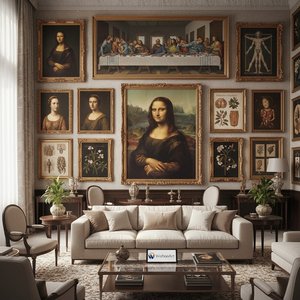
Leonardo da Vinci: 25 Remek-djela Genija za Uljepšavanje Vašeg Doma
Uronite u svijet genija Leonarda da Vincija! Otkrijte 25 remek-djela renesanse – Mona Lisa, Posljednja večera i mnoge druge. Povijest umjetnosti, tehnike slikanja i inspiracija za vaš dom. Kupite reprodukcije vrhunske kvalitete na OriginalUniqueArt.com
Leonardo da Vinci: A Renaissance Master’s Synthesis of Art, Science & Human Observation – Reinterpreted for the Collector
Explore Leonardo da Vinci’s timeless masterpieces with OriginalUniqueArt. Discover insights into his art, science, and legacy – trusted expertise for discerning collectors seeking authentic reproductions & investment opportunities.
25 Remek-djela Galerije Uffizi: Umjetnička Baština Firence za Vaš Dom
Uronite u svijet renesanse s 25 remek-djela Galerije Uffizi! Otkrijte priče iza Botticellijevih, Leonardovih i Michelangelovih djela. Inspirirajte se za dekoraciju doma s umjetninama vrhunske kvalitete. Istražite cijelu kolekciju na OriginalUniqueArt.com
Renaissance Humanism's Greatest Art: 10 Masterpieces for Your Home
Explore 10 Renaissance Humanism masterpieces by Leonardo da Vinci, Michelangelo & Raphael. Discover the stories behind these iconic paintings & sculptures and bring timeless art into your home with museum-quality reproductions from OriginalUniqueArt.com. Explore the full collection online!
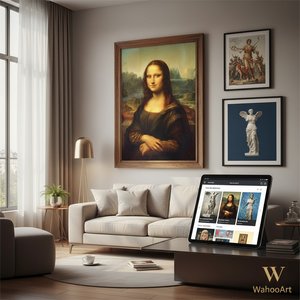
25 Remek-djela Louvrea: Umjetnička Baština za Vaš Dom | OriginalUniqueArt.com
Otkrijte 25 najpoznatijih remek-djela Louvrea! Mona Lisa, Venus Miloska i druge ikone francuske umjetnosti. Povijest, tehnika i inspiracija za dekoraciju doma s reprodukcijama vrhunske kvalitete na OriginalUniqueArt.com.


