

 Pregledaj u stvarnoj veličini
 Pošalji
 Podijeli
 Detalji o umjetničkom djelu

 Preuzmi
 Slični predmeti
 Rentgenska snimka
 Automatska prezentacija
 Statistika
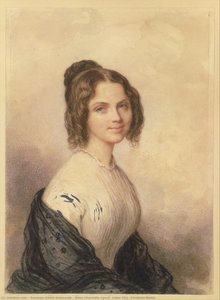
Henry Clay
 1845
1845 8.0 x 7.0 cm
 Prikaži više
Giclée / Umjetnički otisak
Giclée tisak muzejske kvalitete ili otisak na platnu uz brzu proizvodnju i fleksibilne opcije završne obrade. ( Kupi ručno naslikanu sliku Prebacite na digitalnu sliku)




































Odaberite jednu od naših unaprijed definiranih veličina koje odgovaraju izvornim proporcijama umjetničkog djela.

Možete unijeti vlastite dimenzije kako biste umjetničko djelo prilagodili specifičnom okviru ili prostoru. Ako odabrana veličina ne odgovara proporcijama izvornog rada, izrezat ćemo dio slike ili je proširiti pomoću ogledalnog efekta ili jednobojne rubne površine. Digitalni prikaz (mockup) bit će vam poslan na odobrenje prije početka proizvodnje.
Imajte na umu da pregled na zaslonu ne odražava stvarno izrezivanje ili proširivanje. Samo će mockup točno prikazati konačnu kompoziciju.
Iako su dostupne prilagođene veličine, preporučujemo odabir dimenzije iz unaprijed definirane liste kako biste očuvali izvorne proporcije.
Dostava širom svijeta () u roku od 2 tjedna umjesto standardnih 4/5 tjedana. (16 Rujan)

Besplatna ekspresna dostava širom svijeta

Visokokvalitetno laneno platno

Potpuno osiguranje dostave

Jamstvo povrata carine i uvoznih poreza

Garancija vjernog podudaranja boja

Politika povrata u roku od 100 dana (samo u slučaju nedostataka)

Jamstvo povrata 100% novca

Popust na više proizvoda
 Opcija stakla dostupna je samo za dimenzije manje od 110 cm

Henry Clay
Giclée / Umjetnički otisak
Veličina reprodukcije
-


Ukupna cijena
$ 80
Biografija umjetnika
The Luminous Precision of Savinien Edme Dubourjal
In the delicate, translucent world of nineteenth-century portraiture, few artists possessed the ability to capture the psychological weight of a statesman with the same quiet grace as Savinien Edme Dubourjal. Born in Paris in 1795, Dubourjal emerged from the vibrant artistic atmosphere of France to become a master of watercolor and miniature painting. While his contemporaries often sought the grand, sweeping stages of the academic salons, Dubourjal carved out a distinguished niche through intimate commissions, focusing his gaze on the nuanced expressions of the era's most influential figures. His work serves as a window into a period of profound political transition, rendered with a technical finesse that turned mere likenesses into enduring historical documents.
The foundation of Dubourjal’s mastery can be traced back to his apprenticeship under Jean-Baptiste Camille Bouchardy, a respected watercolorist who imparted the essential secrets of the medium. From Bouchardy, Dubourjal learned that watercolor was not merely a tool for sketching, but a sophisticated vehicle for emotion and atmosphere. He mastered the art of building layers upon layers of translucent washes, a process requiring immense patience to achieve depth without obscuring the light. This training instilled in him a dedication to realism that was never clinical; rather, it was tempered by a Romantic sensitivity, allowing him to use subtle tonal gradations and soft edges to breathe life into his subjects.
A Bridge Between Continents and Cultures
Though deeply rooted in the French tradition, Dubourjal’s artistic legacy is inextricably linked to the American political landscape. His talent for capturing character made him a sought-after hand for portraits of prominent American statesmen, creating a visual dialogue between European technique and New World leadership. His ability to render the striking, unidealized features of figures such as John C. Calhoun demonstrates his commitment to truth in portraiture. In his depiction of Calhoun, Dubourjal utilized delicate cross-hatching and strategic touches of white gouache to emphasize the senator's piercing eyes and hollowed cheeks, eschewing flattery in favor of a profound, almost haunting, realism.
This connection to the American elite extended into the social fabric of New York’s literary and artistic circles. Through figures like Anne Charlotte Lynch—a pivotal salonnière whose home served as a gathering point for the era's intelligentsia—Dubourjal’s work found its way into the most influential collections in America. It is believed that artists such as George Peter Alexander Healy may have played a role in introducing Dubourjal to these vibrant social circles, further cementing his reputation as an artist capable of capturing both the political power and the social elegance of the mid-nineteenth century.
Technical Mastery and Lasting Legacy
The enduring allure of Dubourjal’s oeuvre lies in his technical command over the ephemeral qualities of watercolor. His approach to the medium was characterized by several key artistic elements:
- Luminous Layering: The use of multiple translucent washes to create an ethereal, glowing quality within the skin tones of his sitters.
- Textural Contrast: A sophisticated interplay between fine cross-hatching in backgrounds and the fluid, sinuous lines used for hair and drapery.
- Controlled Color: A disciplined use of pigment, often relying on a palette of subtle grays, blacks, and whites, punctuated by strategic bursts of color to draw the viewer's eye to the face.
- Psychological Depth: An ability to move beyond superficial likeness to capture the "inner" person, whether through the weary gaze of a politician or the delicate features of a socialite.
Savinien Edme Dubourjal passed away in 1853, leaving behind a body of work that remains a vital touchstone for historians and art lovers alike. His miniatures and watercolors do more than just document faces; they capture the very breath of an era. Through his meticulous observation and mastery of light, he ensured that the personalities of the nineteenth century would remain vibrant, luminous, and profoundly human for generations to come.
savinien edme dubourjal
1795 - 1853 , France
Osnovne informacije
- Artistic Movement Or Style: Watercolor painting
- Date Of Birth: 1795
- Full Name: Savinien Edme Dubourjal
- Nationality: French
- Notable Artworks: ['John C. Calhoun']
- Place Of Birth: Paris, France