Prebacite na printove
 Prikaži više







































 Za umjetnička djela ili reprodukcije veće od 105 cm (približno 41 inč) na bilo kojoj strani, okvir će biti isporučen u obliku rastavljenog seta za montažu. Ovaj način osigurava sigurnu dostavu i sprječava oštećenja tijekom transporta.


A Vision of Papal Majesty: Botticelli’s St Sixtus II
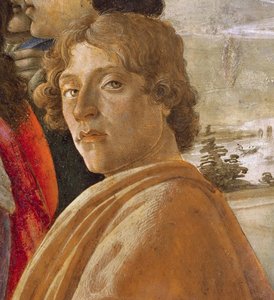
In the hallowed, silent atmosphere of the Sistine Chapel, Sandro Botticelli’s fresco of St Sixtus II emerges as a profound testament to the spiritual and political gravity of the Early Renaissance. Executed in 1481, this work is far more than a mere portrait; it is an eloquent expression of papal authority and divine legitimacy. The painting captures the essence of a pivotal figure in Church history, known for his steadfast defense of Catholic dogma during a period of intense ecclesiastical turbulence. Through his masterful hand, Botticelli transforms a historical figure into an icon of serene strength, inviting the viewer into a space of deep theological contemplation.
The composition is characterized by a remarkable restraint that belies its monumental setting. Rather than employing the overwhelming grandeur often associated with large-scale frescoes, Botticelli utilizes a delicate approach to convey dignity. The figure of Sixtus II is rendered with graceful lines and an ethereal quality, his features possessing a subtle luminosity achieved through the meticulous application of tempera on plaster. By skillfully employing sfumato, Botticelli softens the contours of the saint, creating an atmospheric haze that lends the work a sense of profound stillness and depth. This technique allows the subject to appear almost as if he is emerging from a divine mist, bridging the gap between the earthly and the celestial.
Symbolism and the Sacred Architecture of Faith
Every element within this fresco serves a higher narrative purpose, weaving together classical beauty and Christian piety. The architectural backdrop, featuring a wall adorned with a fan-like motif, references classical ornamentation to represent a sense of divine order. Above the head of St Sixtus II, a prominent cross dominates the composition, serving as a powerful symbol of redemption and the enduring strength of the Christian faith. This sacred geometry is further reinforced by a shield bearing papal insignia, which underscores the saint's role as a protector of the Church.
The presence of a book positioned within the scene suggests the weight of theological study and the importance of scripture in guiding spiritual life. These symbolic layers coalesce to communicate a narrative of leadership and devotion that transcends time. For the collector or the designer, this piece offers more than just aesthetic beauty; it provides an intellectual anchor for any space. The painting’s ability to evoke both tranquility and solemnity makes it an extraordinary choice for those seeking to infuse their interiors with a sense of historical weight, grace, and timeless spiritual elegance.
Pitanja i odgovori
Koje se raspoloženje i emocija prepliću u djelu "St Sixtus II"?
Zabilježeno raspoloženje djela "St Sixtus II" autora Sandro Botticelli je Classic, a njegov emocionalni ton je Spiritual.
U kojoj je tehnici izvedeno djelo "St Sixtus II" autora Sandro Botticelli?
Tehnika djela "St Sixtus II" autora Sandro Botticelli je Fresco. Reprodukcije imaju za cilj dočarati izgled ove tehnike.
Za što se preporučuje korištenje djela "St Sixtus II" autora Sandro Botticelli?
Preporučena uporaba printa djela "St Sixtus II" je Cultural.
 Pošalji
 Podijeli
 Detalji o umjetničkom djelu
 Vodič
Vodič

 Preuzmi umjetničko djelo
 Slični predmeti
 Slide show
 Q&A
Q&A Statistika