Renaissance
St. Jerome (Sandro Botticelli)
Sandro Botticelli (1445–1510) je izradio St. Jerome. Pripada pokretu Renaissance. Izrađeno je u Oil On Panel. Čuva se u muzeju Ermitaž u mjestu Sankt Peterburg, Rusija.
- Oil On Panel
- Ermitaž, Sankt Peterburg

 Pregledaj u realnoj veličini

 Ručno oslikano uljanim bojama
 Pošalji
 Podijeli
 Informativni list


 Preuzmi umjetničko djelo
 Slični predmeti
 Rentgenska snimka
 Slide show
 Pitanja i odgovori

 Statistika
St. Jerome, ukratko
- Naslov
- St. Jerome
- umjetnik
- Sandro Botticelli (1445–1510)
- Rođen/a u
- Firenca, Italija
- Tehnika
- Oil On Panel
- Gdje se može vidjeti
- Ermitaž, Sankt Peterburg, Rusija
- Pokret
- Renaissance
- Razdoblje
- Renaissance
- Tema
- religious lamentation, medieval grief scene, renaissance figures, classical composition, memento mori theme, oil painting technique
Što prikazuje St. Jerome?
A Moment of Profound Grief: Exploring Botticelli’s *St. Jerome*
Sandro Botticelli's *St. Jerome*, a poignant depiction of sorrow and contemplation, offers a captivating glimpse into the artistic sensibilities of the Early Renaissance. While often overshadowed by his more celebrated mythological works like *The Birth of Venus*, this painting reveals Botticelli’s mastery of religious iconography and emotional depth.
Subject & Narrative
- A Scene of Lamentation: Though initially identified as the Lamentation, recent scholarship suggests this work depicts St. Jerome in his final moments, receiving communion before death. The central figure, surrounded by mourners, is likely not Joseph of Arimathea but figures expressing grief over the saint’s impending passing.
- St. Jerome – A Scholar and Ascetic: Saint Jerome (c. 347–420 AD) was a prominent theologian and translator of the Bible into Latin (the Vulgate). His life, marked by both scholarly pursuits and periods of intense asceticism, makes him a compelling subject for artistic representation.
- Setting the Stage: The rocky, cave-like setting evokes a sense of seclusion and spiritual retreat. This isolated location emphasizes the solemnity of the occasion and invites contemplation on mortality.
Artistic Style & Technique
- Renaissance Linearity: Botticelli’s style is characterized by elegant, flowing lines that define forms with precision. This linearity bridges the gap between the late Gothic and Early Renaissance aesthetics.
- Oil on Panel – A Flourishing Medium: Executed in oil on panel, the technique allows for subtle gradations of color and a smooth application of paint, enhancing the realism of the figures and drapery.
- Subdued Palette & Dramatic Lighting: The painting employs a subdued color palette, dominated by earth tones and muted hues. This is contrasted with dramatic lighting that highlights the central figure and casts shadows, intensifying the emotional impact.
- Perspective & Composition: While perspective isn’t fully developed as in later Renaissance works, Botticelli utilizes layering and overlapping forms to create a sense of depth within the confined space. The composition draws the viewer's eye towards St. Jerome through strategic arrangement and contrast.
Symbolism & Iconography
- Mortality & Remembrance: Symbolic elements, such as a skull (a *memento mori*), serve as reminders of human mortality and the transient nature of life.
- Religious Devotion: The act of receiving communion underscores St. Jerome’s unwavering faith and devotion to God in his final moments.
- The Mourners: The surrounding figures represent the grief and sorrow felt by those witnessing the saint's passing, emphasizing the human cost of spiritual dedication.
Historical Context & Legacy
- Florentine Renaissance: Created during the vibrant artistic climate of Florence in the late 15th century, *St. Jerome* reflects the humanist ideals and religious fervor of the period.
- Botticelli’s Diverse Oeuvre: While renowned for his mythological paintings, Botticelli also produced numerous religious works, demonstrating his versatility as an artist.
- Rediscovery & Appreciation: Like many Renaissance masters, Botticelli's work experienced a period of relative obscurity before being rediscovered and celebrated by the Pre-Raphaelites in the 19th century.
Emotional Impact & Interpretation
St. Jerome* evokes feelings of profound sadness, reverence, and contemplation. The painting invites viewers to reflect on themes of mortality, faith, and the human condition. Its quiet intensity and masterful execution make it a compelling work of art that continues to resonate with audiences today.
U kojem se muzeju nalazi St. Jerome?
Ermitaž
Sankt Peterburg, Rusija
Podrijetlo i povijest muzeja Ermitaž Povijest muzeja Ermitaž započela je 1764. godine, a njezini korijeni sežu do trenutka kada je kupljena kolekcija od 225 slika od njemačkog trgovca Johanna Ernsta Gotzkowskyja. Katarina Velika bila je ta koja je pokrenula prikupljanje ove kolekcije, čime je utemeljeno prisustvo muzeja u Sankt Peterburgu u Rusiji.


Slike visoke rezolucije djela St. Jerome
Javno dobro: umjetnik je preminuo 1510.
Sandro Botticelli, St. Jerome, Ermitaž. Javno dobro.
Odgovori na pitanja o St. Jerome
Gdje se danas može vidjeti "St. Jerome" autora Sandro Botticelli?
Originalno djelo "St. Jerome" autora Sandro Botticelli čuva se u muzeju Ermitaž, Sankt Peterburg, Rusija. Reprodukcija omogućuje prikazivanje ovog djela u vašem domu.
Koja je tehnika korištena za "St. Jerome" autora Sandro Botticelli?
Sandro Botticelli koristio je tehniku Oil On Panel za "St. Jerome". Ova tehnika definira materijalnu prirodu izvornog djela.
Koje se teme pojavljuju u djelu "St. Jerome" autora Sandro Botticelli?
Teme prisutne u djelu "St. Jerome" autora Sandro Botticelli uključuju religious lamentation, medieval grief scene, renaissance figures, classical composition, memento mori theme, oil painting technique, symbolic imagery, što zajedno sažima samu bit umjetničkog djela.
Je li "St. Jerome" u javnom vlasništvu?
Što se tiče autorskih prava, "St. Jerome" je u u javnom vlasništvu – autorska prava su istekla.
Koji umjetnik se pripisuje djelu "St. Jerome"?
Autor djela "St. Jerome" je Sandro Botticelli. Rad je katalogiziran pod imenom Sandro Botticelli.
Koji umjetnički pravac obuhvaća "St. Jerome" autora Sandro Botticelli?
"St. Jerome" autora Sandro Botticelli pripada pokretu Renaissance. Ovaj pokret pruža stilski kontekst djela.
U kojoj se fazi stvaralaštva umjetnika Sandro Botticelli nalazi djelo "St. Jerome"?
Unutar karijere umjetnika Sandro Botticelli, djelo "St. Jerome" pripada razdoblju Mature Renaissance. Ova faza omogućuje usporedbu s ostalim djelima tog umjetnika.
Zašto je status autorskih prava za "St. Jerome" takav kakav jest?
Djelo "St. Jerome" autora Sandro Botticelli nalazi se u u javnom vlasništvu – autorska prava su istekla. Autorska prava se obračunavaju od godine smrti umjetnika, a Sandro Botticelli je preminuo/la 1510.
Nalazi li se "St. Jerome" u zemlji svog tvorca?
Ne – umjetničko djelo se nalazi izvan zemlje umjetnika. Sandro Botticelli je rođen/a u Italija, a izvorni primjerak djela "St. Jerome" čuva se u muzeju u Rusija.
O umjetniku, Sandro Botticelli
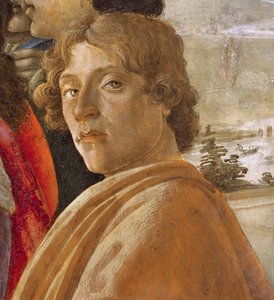
1445–1510, Italija
Sandro Botticelli
Život Sandra Botticellija Sandro Botticelli proživio je svoj život unutar uskih, užurbanih ulica Firence, u Italiji. Rođen kao Alessandro di Mariano di Vanni Filipepi oko 1445. godine, bio je sin kožara. Njegova obitelj živjela je u četvrti Ognissanti, mjestu kojem je ostao blizu tijekom svih svojih godina.
O Sandro Botticelli Značajna djela umjetnika Sandro Botticelli
I ostalo djelo autora Sandro Botticelli
 Rođenje Venere1485
 Primavera1482
 Venus i Mars1483
 Poklonstvo mudraca
Eseji o djelu St. Jerome
 25 Masterpieces by Sandro Botticelli: The Ultimate Guide to Renaissance BeautyJourney through the ethereal beauty of Sandro Botticelli's greatest works. From The Birth of Venus to his mythic Renaissance masterpieces, …
 The Scholar and the Hermit: Examining the Iconography of Saint Jerome in Renaissance and Baroque ArtExplore the profound iconography of Saint Jerome through Renaissance and Baroque masters. Discover the secrets of sacred art history now.
 Master of Shadow: The Top 25 Essential Artworks by Jusepe de RiberaExplore 25 iconic works by Jusepe de Ribera. Master the drama of Baroque tenebrism. Discover all masterpieces on OriginalUniqueArt.com.