

 Pošalji
 Podijeli
 Detalji o umjetničkom djelu

 Preuzmi
 Slični predmeti
 Automatska prezentacija
 Statistika
Vidim Ja Igračke


 Prikaži više
Giclée / Umjetnički otisak
Giclée tisak muzejske kvalitete ili otisak na platnu uz brzu proizvodnju i fleksibilne opcije završne obrade. ( Kupi ručno naslikanu sliku Prebacite na digitalnu sliku)




































Odaberite jednu od naših unaprijed definiranih veličina koje odgovaraju izvornim proporcijama umjetničkog djela.

Možete unijeti vlastite dimenzije kako biste umjetničko djelo prilagodili specifičnom okviru ili prostoru. Ako odabrana veličina ne odgovara proporcijama izvornog rada, izrezat ćemo dio slike ili je proširiti pomoću ogledalnog efekta ili jednobojne rubne površine. Digitalni prikaz (mockup) bit će vam poslan na odobrenje prije početka proizvodnje.
Imajte na umu da pregled na zaslonu ne odražava stvarno izrezivanje ili proširivanje. Samo će mockup točno prikazati konačnu kompoziciju.
Iako su dostupne prilagođene veličine, preporučujemo odabir dimenzije iz unaprijed definirane liste kako biste očuvali izvorne proporcije.
Dostava širom svijeta () u roku od 2 tjedna umjesto standardnih 4/5 tjedana. (17 Rujan)

Besplatna ekspresna dostava širom svijeta

Visokokvalitetno laneno platno

Potpuno osiguranje dostave

Jamstvo povrata carine i uvoznih poreza

Garancija vjernog podudaranja boja

Politika povrata u roku od 100 dana (samo u slučaju nedostataka)

Jamstvo povrata 100% novca

Popust na više proizvoda
 Opcija stakla dostupna je samo za dimenzije manje od 110 cm

Vidim Ja Igračke
Giclée / Umjetnički otisak
Veličina reprodukcije
-


Ukupna cijena
$ 80
I See Me Dolls – Sana Musasama: A Ceramic Echo of Identity and Resilience
Sana Musasama’s “I See Me Dolls” isn't merely a sculpture; it’s a poignant meditation on femininity, childhood memory, and the enduring influence of cultural narratives. Created by this American ceramic artist, born in Saint Albans, New York in 1951, the piece embodies a distinctive folk art aesthetic—characterized by expressive forms sculpted from humble materials like clay – reflecting Musasama’s profound connection to African traditions and her unwavering commitment to exploring themes of empowerment.
- Subject Matter: The sculpture depicts a stylized humanoid figure, deliberately distorted yet imbued with an undeniable sense of presence. It's a deliberate departure from conventional portraiture, prioritizing emotional resonance over precise representation.
- Style & Technique: Musasama’s approach leans heavily into the traditions of outsider art—artists who operate outside established artistic institutions—resulting in a tactile and visually arresting piece. The ceramic medium itself is skillfully manipulated through raku firing – a Japanese technique known for its unpredictable oxidation process – creating surface textures that are both rough and luminous, mirroring the complexities of human experience.
- Historical Context: Musasama’s work draws inspiration from the Maple Tree Movement—a collective of abolitionists in the late 18th century who championed the end of slavery on sugar cane plantations by substituting maple syrup for sugar cane—symbolizing resilience and resistance against oppression. The artist's exploration of female excision – a ritual practiced across diverse cultures—further underscores her commitment to confronting societal injustices and celebrating female agency.
The sculpture’s central element is a ceramic doll, meticulously crafted by Musasama herself alongside collaborators from various communities around the globe. This doll serves as a conduit for exploring themes of identity and self-perception—specifically referencing Musasama's childhood memory of her mother creating a doll to help her appreciate her own hair type – a gesture that speaks volumes about nurturing inner beauty and confronting societal pressures regarding appearance.
- Material & Texture: The doll’s surface is adorned with beads, fabric scraps, and pipe cleaners—found objects that contribute to its textural richness and visual dynamism. These materials are carefully arranged to evoke the patterns of landscapes from Musasama's travels – rice paddies in Vietnam and temple carvings in Burma – symbolizing cultural exchange and artistic inspiration.
- Symbolism: The doll’s inverted pose—representing a deliberate challenge to conventional notions of femininity—reflects Musasama’s belief that art can serve as a catalyst for social change. Like many of her collaborators, Musasama herself has experienced profound transformations through encounters with diverse cultures and communities, shaping her artistic vision and informing her unwavering advocacy for human rights.
“I See Me Dolls” transcends mere aesthetic beauty; it’s a testament to Musasama's dedication to capturing the essence of human experience—a celebration of vulnerability, resilience, and the transformative power of storytelling. Its enduring appeal lies in its ability to provoke contemplation about identity, cultural heritage, and the importance of honoring inner strength.
Biografija umjetnika
Sana Musasama: Life and Art
Early Life and Education
- Born in Saint Albans, New York in 1951, Sana Musasama is an African-American ceramic and mixed-media artist.
- She received a B.A. in Ceramics and Education from City College in 1974.
- Musasama continued her artistic journey with an M.F.A. from Alfred State College of Ceramics in 1987.
- Her dedication to the craft led her to further studies at institutions like the Archie Bray Foundation (Montana), Gakium Designer College (Tokyo, Japan), Tuscarora International School of Ceramics (Nevada), and Mende Pottery (Sierra Leone).
Artistic Development & Influences
- Musasama’s artistic practice is deeply intertwined with her extensive travels across Africa, Asia, and Latin America.
- These journeys – including visits to Sierra Leone, Cambodia, Vietnam, and Japan – profoundly shaped her understanding of non-Western cultures, particularly concerning womanhood and socio-political issues impacting women.
- Influences: Her work reflects a synthesis of traditional ceramic techniques with contemporary themes, drawing inspiration from folk art traditions and the lived experiences of women globally.
- She is also influenced by her commitment to human rights causes.
Themes and Artistic Style
- Musasama’s work frequently addresses critical social issues, most notably the human trafficking of women.
- Her pieces often serve as powerful visual narratives that raise awareness and promote dialogue around these sensitive topics.
- She masterfully blends ceramics with mixed-media elements to create textured and evocative artworks.
- A signature element of her work is the creation of ceramic figures, particularly dolls, which embody themes of identity, resilience, and cultural heritage.
Notable Works: “I See Me Dolls”
- Perhaps Musasama’s most recognized series is the “I See Me Dolls.”
- These ceramic sculptures are not merely representations of figures; they are celebrations of identity and difference.
- Each doll possesses unique characteristics, reflecting diverse cultural backgrounds and personal stories.
- The dolls serve as poignant reminders of the importance of self-acceptance and recognizing the inherent worth of every individual.
Major Achievements & Recognition
- Musasama has exhibited her work in numerous solo and group exhibitions, gaining recognition for her powerful artistic voice.
- Her artworks are held in various public and private collections, attesting to their cultural significance.
- She received the prestigious Anonymous Was A Woman Award in 2002, acknowledging her contributions to the field of art.
- Currently, she serves as an Associate Adjunct Professor at Hunter College, sharing her knowledge and passion with aspiring artists.
Historical Significance & Legacy
- Sana Musasama’s work stands out for its unique blend of artistic skill, social consciousness, and cultural sensitivity.
- She has carved a niche for herself as an artist who fearlessly tackles challenging issues through her art.
- Her commitment to amplifying the voices of marginalized communities and raising awareness about human rights makes her a significant figure in contemporary art.
- Musasama’s legacy lies not only in her captivating artworks but also in her dedication to education and advocacy, inspiring future generations of artists to use their creativity for positive change.

Sana Musasama
1951 - , United States of America
Osnovne informacije
- Birth Date: 1951
- Birth Place: Saint Albans, New York, United States of America
- Influenced By: Non-Western cultures (African, Asian, Latin American)
- Movement: Contemporary ceramics, Mixed media
- Name: Sana Musasama
- Nationality: American
- Notable Works: I See Me Dolls
Srodni članci

The Enduring Form: Sculpture Across History, Technique & Emotional Resonance
Explore the rich history of sculpture with OriginalUniqueArt. Discover key techniques, influential artists & investment potential for discerning collectors. Expert insights into valuing and collecting timeless masterpieces.

Bronze Sculptures That Defined Art History | OriginalUniqueArt
Journey through art history with our Top 10 bronze sculptures! Explore masterpieces by Rodin, Michelangelo & more. Discover stories behind iconic statues and find museum-quality reproductions for your home decor at OriginalUniqueArt.com.

The Alchemy of Clay: A Collector's Guide to the Mastery, Texture, and Timeless Form of Ceramic Art
Discover the profound beauty of ceramic art. Our expert guide explores the alchemy of clay, texture, and glaze, offering collectors deep insights into mastering earth and fire to create timeless, sculptural masterpieces for any curated collection.
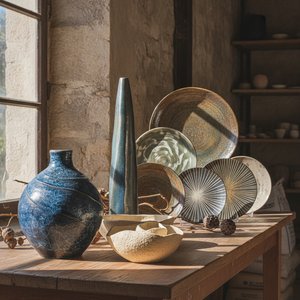
The Art of Ceramics: A Guide to Mastery, Texture, and Timeless Form for the Discerning Collector
Explore the profound elegance of ceramic art. From master glazes to sculptural forms, our expert guide offers discerning collectors deep insights into the mastery, texture, and timeless value of fine ceramics for sophisticated collections and luxury interiors.

The Enduring Form: Exploring Themes & Techniques in Sculpture Across Historical Periods
Explore the rich history of sculpture from ancient masterpieces to contemporary innovations. Discover key techniques, influential artists & investment potential for discerning art collectors.
