
 Pregledaj u stvarnoj veličini
 Pošalji
 Podijeli
 Detalji o umjetničkom djelu

 Preuzmi
 Slični predmeti
 Rentgenska snimka
 Automatska prezentacija
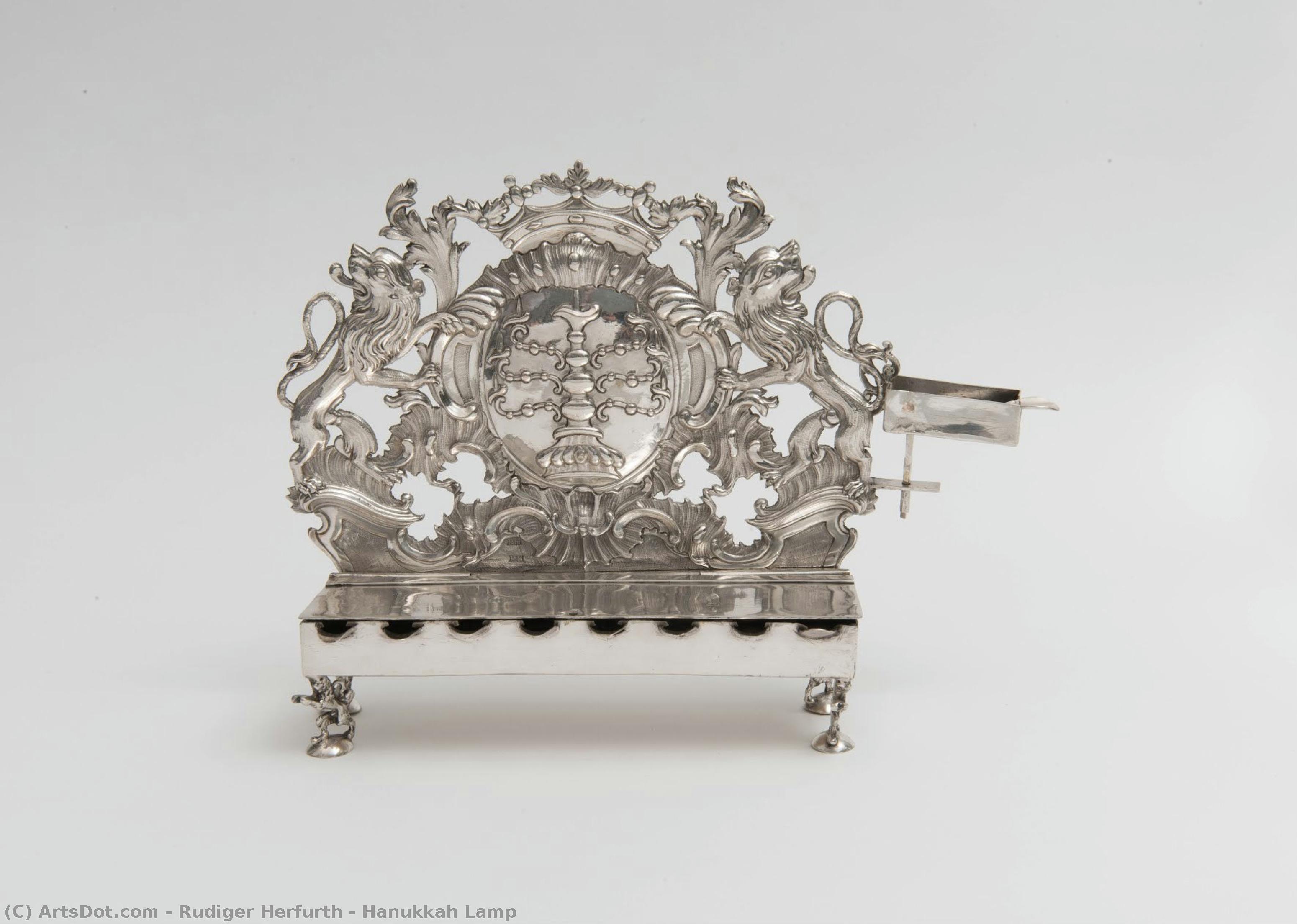
Hanukkah Lamp


 Prikaži više
Kupite digitalnu sliku visoke rezolucije i poboljšane kvalitete, koja je znatno superiornija od online prikaza.
Svaka datoteka pedantno je pripremljena od strane naših internih stručnjaka koristeći napredne alate i vještinsku ručnu retušu. Osiguravamo da svaka slika ima iznimnu jasnoću, preciznu točnost boja i visoku razinu detalja.
Konačna datoteka dostavlja se putem e-pošte u roku od 72 sata, optimizirana za neposrednu upotrebu u profesionalnim, uredničkim i tiskarskim okruženjima. To je ista kvaliteta kojoj vjeruju vrhunski studiji dizajna, izdavači i galerije.
Digitalna slika
Preuzmite datoteku visoke rezolucije za osobnu izložbu, tisak i kreativne projekte. ( Kupi print Kupi ručno naslikanu sliku)
Uključeno uz svaku narudžbu digitalne slike
Profesionalna digitalna dostava, zajamčena
Odabirom OriginalUniqueArt.com ne dobivate samo sliku – dobivate profesionalno unapređeno digitalno umjetničko djelo, izrađeno s najvećom preciznošću uz jamstvo zadovoljstva. Evo svega što automatski dolazi uz vašu narudžbu:

Brza dostava e-poštom
Vaša digitalna slika visoke rezolucije bit će vam poslana e-mailom u roku od 72 sata od narudžbe – spremna za neposrednu upotrebu.

Digitalna datoteka poboljšana AI-om
Vaše umjetničko djelo profesionalno je optimizirano pomoću naprednih AI alata i ručnog uređivanja, čime se osigurava maksimalna razina detalja, oštrine i točnosti boja.

Besplatna ponovna dostava doživotno
Slučajno ste obrisali ili izgubili svoju datoteku? Ne brinite – ponovno ćemo vam je poslati u bilo kojem trenutku, potpuno besplatno.

Bez uvoznih carina – ikada
Uživajte u svojim umjetničkim djelima trenutno, bez carina, pristojbi ili troškova dostave – digitalne datoteke uvijek su oslobođene poreza.

Jamstvo točnosti boja
Uz pomoć profesionalnih alata i upravljanja bojama, osiguravamo da vaša digitalna slika što vjernije odražava izvorne boje.

Jamstvo zadovoljstva u trajanju od 60 dana
Ako niste zadovoljni svojom digitalnom slikom, revidirat ćemo je ili vratiti 100% novca u roku od 60 dana – bez ikakvih pitanja.

100% Jamstvo povrata novca
Niste zadovoljni? Osigurajte puni povrat novca u roku od 60 dana od primitka vaše digitalne datoteke – bez suvišnih pitanja.

Popusti na velike narudžbe
Kupite 3 slike, uštedite 10% - Kupite 5 slika, uštedite 15% - Kupite 10+ slika, uštedite 20%. Odlično za kreativne projekte, galerije i agencije.
Opis kolekcionarskog djela
Biografija umjetnika
A Master Silversmith of the Rococo: The Life and Legacy of Rötger Herfurth
Rötger Herfurth, born in Frankfurt in 1722, stands as a compelling figure within the world of eighteenth-century decorative arts. Though not a household name like some of his contemporaries, his contribution to the field of Judaica—ceremonial objects used in Jewish religious practice—is profoundly significant. He wasn’t merely crafting silver; he was shaping symbols of identity and continuity for a community navigating complex social and political landscapes. Herfurth's story is one interwoven with the economic realities of his time, the artistic currents of the Rococo period, and the specific needs of Frankfurt’s Jewish population following a devastating fire that spurred a demand for new ritual items.
Early Life and Apprenticeship in Frankfurt
Frankfurt in the early eighteenth century was a bustling center of trade and craftsmanship. The city held a unique position as a home to a substantial Jewish community, yet one subject to restrictions that limited their participation in many trades. Herfurth entered this world as an aspiring silversmith, becoming a master craftsman in 1748. He joined the established workshop of the Leschhorn family, a name synonymous with silver production in Frankfurt for nearly a century. This apprenticeship proved crucial, providing him with both technical expertise and access to a network of patrons—including the Jewish community who would become his primary clientele.
The Rise of Judaica Production
A pivotal event shaped Herfurth’s career trajectory: a major fire in Frankfurt's Jewish ghetto earlier in the century. This catastrophe destroyed countless homes and, crucially, a wealth of communal ritual objects. The resulting need for replacements created an opportunity for silversmiths like Herfurth to specialize in Judaica. Because of legal restrictions preventing Jews from entering the silver trade themselves, they relied on Christian artisans such as Herfurth to fulfill their needs. This dynamic—a blend of artistic skill, economic necessity, and religious commission—defined much of his output.
Distinctive Style and Iconic Designs
Herfurth’s work is immediately recognizable for its embrace of the Rococo aesthetic. Characterized by ornate detailing, asymmetrical curves, and a playful lightness, the style perfectly suited the ceremonial objects he created. He became particularly renowned for his Kiddush cups, used in the sanctification of wine on Shabbat and holidays, and his Hanukkah lamps. The Hanukkah lamps, often referred to as the “Frankfurt type,” are perhaps his most enduring legacy. These feature a distinctive backplate adorned with elaborate Rococo motifs—scrollwork, shells, and floral designs—and prominently display lion rampant supports. This design wasn’t merely decorative; it became a symbol of Jewish identity in itself, replicated by other artisans well into the nineteenth century.
Historical Significance and Enduring Influence
Rötger Herfurth's significance extends beyond his artistic skill. He represents a fascinating intersection of religious communities and economic forces. His willingness to cater specifically to Jewish needs—and to do so with such artistry—helped preserve and revitalize ritual traditions in the wake of hardship. The “Frankfurt type” Hanukkah lamp, born from his workshop, became a widespread emblem of Jewish life, demonstrating the power of art to embody cultural memory and resilience. While he died in 1776, his influence continued for generations, solidifying his place as a master silversmith whose work continues to be admired and studied today.

rudiger herfurth
1722 - 1776 , Germany
Kratke činjenice
- Artistic Movement Or Style: Rococo silverware
- Date Of Birth: 1722
- Date Of Death: 1776
- Full Name: Rötger Herfurth
- Nationality: German
- Notable Artworks:
- Kiddush cups
- Hanukkah lamps
- Place Of Birth: Frankfurt, Germany

