Pregledaj u stvarnoj veličini
 Pošalji
 Podijeli
 Detalji o umjetničkom djelu

 Preuzmi
 Slični predmeti
 Rentgenska snimka
 Automatska prezentacija
Woman


 Prikaži više
Ručno rađena uljana reprodukcija
Ručno oslikano uljanim bojama na platnu u dimenzijama i okviru po vašem izboru, izrađeno po narudžbi od strane naših umjetnika. ( Kupi print Kupi digitalnu sliku)




P118B $10

P118H $10

P118W $10

P438Z $10

P508JH $12

P508YH $12

P805H $10

P805Z $10

P919BZ $10

P919G $10

P919XJ $10

P959ZH $10

P968JZ $12

W106C $8

W218G $10

W218JH $8

W218Y $10

W307PJ $10

W316G $10

W316PJ $8

W316Y $10

W398PJ $8

W4111J $10

W500HY $15

W500JH $15

W692G $12

W849H $8

W940BG $15

W953PJ $8




Odaberite jednu od naših unaprijed definiranih veličina koje odgovaraju izvornim proporcijama umjetničkog djela.

Možete unijeti vlastite dimenzije kako bi odgovarale određenom okviru ili prostoru. Ako odabrana veličina ne odgovara proporcijama izvorne slike, izrezat ćemo umjetničko djelo ili proširiti sliku dodatnim ručno oslikanim elementima. Digitalni nacrt bit će vam poslan na odobrenje prije početka proizvodnje.
Imajte na umu da pregled na ekranu ne prikazuje stvarno izrezivanje ili proširivanje. Samo će nacrt točno prikazati konačni sastav.
Iako su dostupne prilagođene veličine, preporučujemo odabir dimenzije s preddefiniranog popisa kako bismo očuvali izvorne proporcije.
Nakon narudžbe, tim OriginalUniqueArt.com kontaktirat će klijenta putem e-pošte radi dobivanja uputa te dostaviti probni prikaz (mockup).
Isporuka širom svijeta () u roku od 3-4 tjedna umjesto standardnih 5 tjedana. (13 Kolovoz). Bez kompromisa u kvaliteti.

Besplatna ekspresna dostava širom svijeta

Visokokvalitetno laneno platno

Potpuno osiguranje dostave

Jamstvo povrata carine i uvoznih poreza

Garancija vjernog podudaranja boja

Politika povrata u roku od 60 dana (samo u slučaju nedostataka)

Jamstvo povrata 100% novca

Popust na više proizvoda
 Opcija stakla dostupna je samo za dimenzije manje od 110 cm

Woman
Tehnika reprodukcije
Veličina reprodukcije
-


Ukupna cijena
$ 325
Opis umjetničkog djela
A Dynamic Embrace: Decoding Lichtenstein’s ‘Woman’ (1981)
This vibrant artwork by Roy Lichtenstein, created in 1981, is a quintessential example of his enduring Pop Art style. It depicts two figures locked in an intimate embrace – a subject matter rendered with the artist's signature boldness and graphic precision. The work isn’t simply a representation of affection; it’s a dynamic exploration of physicality, emotion, and the very language of visual communication.Style & Technique: A Masterclass in Pop Art
Lichtenstein masterfully employs the hallmarks of Pop Art. Bold black outlines define the forms, creating a striking contrast against the predominantly white background. The composition is deliberately chaotic yet controlled, with intersecting lines and planes generating a sense of movement and energy. This isn’t about subtle shading or realistic representation; it's about flattening perspective and emphasizing two-dimensionality. The technique strongly suggests screen printing – or a similar process – resulting in crisp edges and areas of flat, unmodulated color. Texture is achieved through the layering of these colored blocks rather than traditional brushwork, contributing to its distinctly *industrial* aesthetic.Historical Context: Lichtenstein & The Pop Art Revolution
Roy Lichtenstein (1923-1997) rose to prominence in the 1960s, becoming a leading figure in the Pop Art movement. Rejecting the perceived elitism of Abstract Expressionism, Pop Art embraced popular culture – advertising, comic books, and mass-produced imagery – as its subject matter. Lichtenstein specifically drew inspiration from comic book aesthetics, elevating them to the realm of fine art. By 1981, he had firmly established his unique visual vocabulary, continuing to explore themes of consumerism, desire, and representation through this distinctive lens. His work challenged conventional notions of artistic value and blurred the boundaries between “high” and “low” culture.Symbolism & Interpretation: Love, Desire, and Modern Connection
While seemingly straightforward, ‘Woman’ invites deeper interpretation. The stylized depiction of the figures – their exaggerated features and simplified forms – suggests a commentary on human interaction in a modern context. The embrace itself can be seen as representing love or desire, but also potentially alienation or the commodification of relationships within a consumer-driven society. The intense saturation of color, deliberately artificial and removed from naturalistic representation, further emphasizes this sense of constructed reality. The lack of detailed background elements focuses all attention on the figures themselves, intensifying their emotional charge.Emotional Impact & Interior Design Considerations
‘Woman’ is a visually arresting piece that commands attention. Its vibrant colors and dynamic composition create an emotionally charged atmosphere – simultaneously playful and provocative. In an interior design context, this artwork would serve as a powerful focal point. It pairs well with minimalist or modern décor schemes, adding a bold splash of color and graphic energy. The work’s scale (though currently unknown) will dictate its placement; however, it is ideally suited for living rooms, dining areas, or contemporary office spaces where it can spark conversation and inspire creativity. A high-quality reproduction would bring Lichtenstein's iconic style to a wider audience, offering a statement piece that embodies the spirit of Pop Art.Biografija umjetnika
The Genesis of a Pop Visionary
Roy Fox Lichtenstein, born in the vibrant metropolis of New York City on October 27, 1923, indelibly altered the landscape of twentieth-century art. Emerging as a pivotal figure within the Pop Art movement, Lichtenstein didn’t simply reflect his era; he actively interrogated it, transforming commonplace imagery into compelling artistic statements. His upbringing in an upper-middle-class Jewish family fostered both a cultural awareness and an early artistic inclination. Childhood exposure to museums and concerts, coupled with a deep appreciation for jazz music, laid the groundwork for a creative spirit that would challenge conventional notions of fine art. Though initially drawn to realistic drawing and painting during his formative years, Lichtenstein’s formal training commenced at the Art Students League in 1939 under Reginald Marsh, followed by studies at Ohio State University – interrupted briefly by wartime service in the Army. These experiences provided a robust technical foundation that would later be brilliantly re-contextualized through the lens of mass culture and commercial aesthetics. The seeds of his signature style weren’t sown within the hallowed halls of artistic tradition but rather in the often-overlooked world of everyday imagery, particularly comic books and advertising.Early Influences and Artistic Exploration
Lichtenstein's formative years were marked by a fascination with European art history—particularly Rembrandt and Picasso—whose mastery of chiaroscuro and expressive brushwork profoundly impacted his artistic sensibilities. He absorbed the lessons of Reginald Marsh at OSU, embracing abstraction as a means of conveying emotion and exploring innovative compositional techniques. His early drawings demonstrated an acute sensitivity to line and form, reflecting a meticulous attention to detail that would characterize his later work. Lichtenstein’s intellectual curiosity extended beyond art; he pursued scientific studies alongside his artistic endeavors, demonstrating a holistic approach to learning and creative expression. He was deeply influenced by Allan Kaprow's proto-pop aesthetic—specifically, the concept of "chance operations"—which encouraged him to experiment with unconventional materials and processes. The American Museum of Natural History served as an enduring source of inspiration, fostering his appreciation for natural forms and stimulating his imaginative vision.The Birth of Pop Art: Comic Books and Commercial Reproduction
The pivotal moment in Lichtenstein’s artistic trajectory arrived during his tenure at Rutgers University where he encountered Allan Kaprow, whose influence reignited Lichtenstein’s interest in the burgeoning movement of Pop Art. Recognizing the potential for artistic innovation within popular culture—particularly comic books and advertising—he embarked on a radical stylistic transformation that would redefine the boundaries between “high” and “low” art. He began meticulously recreating comic strip images using techniques mimicking commercial printing processes, most notably employing Ben-Day dots – tiny colored squares that created halftone patterns—to simulate the texture of newspaper reproduction. This wasn’t merely imitation; it was a deliberate critique of mass culture and its impact on artistic expression. Lichtenstein's first major Pop painting, *Look Mickey* (1961), immediately established him as a pioneer of this new aesthetic direction. He skillfully manipulated color palettes and compositional arrangements to convey both humor and pathos—challenging traditional notions of artistic seriousness while simultaneously engaging with the visual language of popular media.Major Achievements and Artistic Legacy
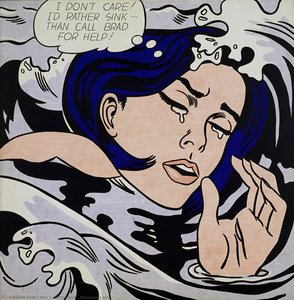
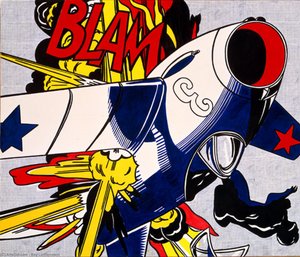
Lichtenstein’s prolific output spanned decades, encompassing paintings, prints, sculptures, murals, and commissions that cemented his position as one of the most influential artists of the second half of the twentieth century. His masterful command of technique—characterized by bold outlines, vibrant colors, and meticulous attention to detail—became synonymous with Pop Art style. He achieved international recognition through groundbreaking exhibitions at galleries and museums across Europe and North America, establishing himself as a leading voice in contemporary art discourse. Lichtenstein’s work continues to inspire graphic designers, illustrators, and visual artists worldwide—a testament to the enduring power of his artistic vision. His exploration of themes such as war, romance, and societal expectations—filtered through the lens of comic book imagery—challenged conventional artistic conventions and provoked critical reflection on cultural values.- Iconic Paintings: *Whaam!*, *Drowning Girl*, *Oh, Jeff…I Love You, Too…But…*, *Masterpiece*.
- Influence on Graphic Design: His techniques profoundly impacted the visual language of advertising and illustration.

Roy Fox Lichtenstein
1923 - 1997 , Sjedinjene Američke Države
Osnovne informacije
- Artistic Movement Or Style: Pop Art
- Artists Who Influenced This Artist:
- Reginald Marsh
- Allan Kaprow
- Date Of Birth: 27. listopada 1923.
- Date Of Death: 29. rujna 1997.
- Full Name: Roy Fox Lichtenstein
- Nationality: Američan
- Notable Artworks:
- Whaam!
- Drowning Girl
- Oh, Jeff…I Love You, Too…But…
- Place Of Birth: New York City, SAD.
Srodni članci
Roy Lichtenstein: 25 Remek-djela Pop Arta za Vaš Dom | OriginalUniqueArt
Istražite 25 remek-djela Roya Lichtensteina, ikone pop arta! Otkrijte priče iza bend-dots tehnike, stripova i živih boja. Reprodukcije slika vrhunske kvalitete za vaš dom na OriginalUniqueArt.com.
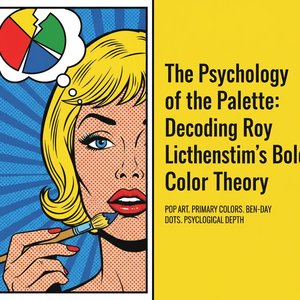
The Psychology of the Palette: Decoding Roy Lichtenstein's Bold Color Theory
Explore the profound psychological depth of Roy Lichtenstein's color theory. Discover how his use of primary colors and Ben-Day dots revolutionized modern art, transforming mass media imagery into sophisticated fine art for the discerning collector.
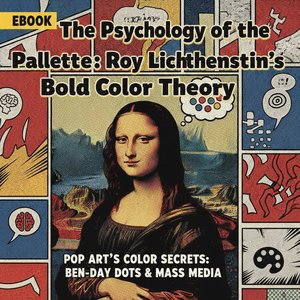
The Psychology of the Palette: Decoding Roy Lichtenstein's Bold Color Theory
Explore the psychological depth of Roy Lichtenstein's color theory. An expert analysis for art students and collectors on Ben-Day dots, primary palettes, and the intersection of Pop Art with mass media history.
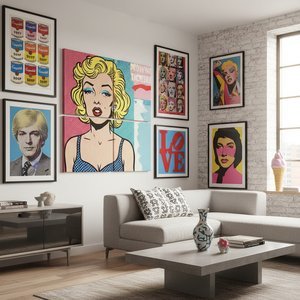
Pop Art: 10 Remek-djela koja su definirala umjetnički pokret | OriginalUniqueArt
Otkrijte 10 remek-djela koja su definirala pop art! Andy Warhol, Roy Lichtenstein i drugi umjetnici promijenili su svijet. Istražite priče iza ikoničnih djela i pronađite inspiraciju za svoj interijer na OriginalUniqueArt.com. Explore the full collection online!
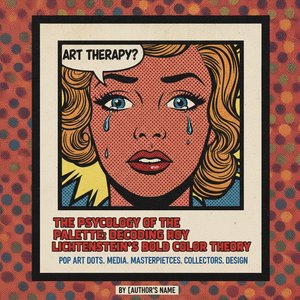
The Psychology of the Palette: Decoding Roy Lichtenstein’s Bold Color Theory
Explore the vibrant psychology behind Roy Lichtenstein’s color theory. Discover how Ben-Day dots and primary colors revolutionized Pop Art, transforming mass media into timeless masterpieces for modern collectors and interior design enthusiasts.