Pregledaj u stvarnoj veličini
 Podijeli
 Podijeli
 Detalji
 Vodič
Vodič

 Preuzmi datoteku
 Slični predmeti
 Rentgenska snimka
 Slide show
 Statistika
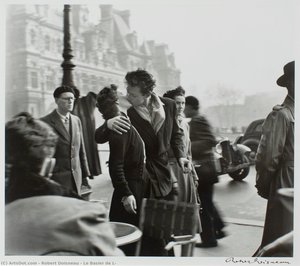
Le Baiser de l’Hôtel de Ville


 Pročitajte više
Djelo prikazano na ovoj stranici zaštićeno je autorskim pravima, što znači da zakonski ne možemo izraditi niti prodati identičnu reprodukciju. Ova se zaštita provodi u skladu s međunarodnim sporazumima kao što su Bernska konvencija i nacionalnim zakonima, uključujući i one koji su utvrđeni u Američki zakon o autorskom pravu – Title 17.
Ova metoda u potpunosti je usklađena s autorskim pravima jer ne uključuje kopiranje ili dupliciranje zaštićenih umjetničkih djela. Umjesto toga, riječ je o kreativnoj reinterpretaciji – novoj slici koja je dobila utjecaj na izvornik, ali nije identična njemu.
Giclée / Umjetnički otisak
Giclée tisak muzejske kvalitete ili otisak na platnu uz brzu proizvodnju i fleksibilne opcije završne obrade. ( Naručite ručno oslikano reprodukciju Prebacite na digitalnu prodaju slika)




P118B €10

P118H €10

P118W €10

P438Z €10

P508JH €12

P508YH €12

P805H €10

P805Z €10

P919BZ €10

P919G €10

P919XJ €10

P959ZH €10

P968JZ €12

W106C €8

W218G €10

W218JH €8

W218Y €10

W307PJ €10

W316G €10

W316PJ €8

W316Y €10

W398PJ €8

W4111J €10

W500HY €15

W500JH €15

W692G €12

W849H €8

W940BG €15

W953PJ €8




Odaberite jednu od naših unaprijed definiranih veličina koje odgovaraju izvornim proporcijama umjetničkog djela.

Unesite širinu i visinu koja vam je potrebna, kako bi odgovarali vašem okviru ili zidu. Print se može samo izrezati, nikada ne može biti veći od slike, stoga veličina s drugačijim oblikom gubi dio slike. Šaljemo vam digitalni prikaz (mockup) na odobrenje prije bilo kakve štampe. Slika prikazana na ovoj stranici ne prikazuje stvarni rez — to čini samo digitalni prikaz.
Dostava širom svijeta () u roku od 2 tjedna umjesto standardnih 4/5 tjedana. (27 Listopad)

Besplatna ekspresna dostava širom svijeta

Visokokvalitetno laneno platno

Potpuno osiguranje transporta

Jamstvo povrata carine i uvoznih poreza

Jamstvo vjernosti boja

Politika povrata u roku od 100 dana (samo u slučaju nedostataka)

Jamstvo povrata 100% novca

Popust na više proizvoda
 Opcija stakla dostupna je samo za dimenzije manje od 110 cm

Le Baiser de l’Hôtel de Ville
Giclée / Umjetnički otisak
Veličina reprodukcije
-


Ukupna cijena
€ 70
Robert Doisneau: Poetic Capturer of Parisian Soul
Robert Doisneau’s “Le Baiser de l'Hôtel de Ville” isn’t merely a photograph; it’s crystallized emotion, a fleeting glimpse into the heart of postwar Paris. Captured in 1950, this iconic image transcends documentation, becoming a symbol of love amidst urban indifference—a testament to Doisneau’s extraordinary ability to distill complex human experience into deceptively simple compositions.- Subject Matter: The photograph portrays a young couple embracing passionately on a Parisian street corner, bathed in the soft glow of lamplight. Their intimacy stands out starkly against the backdrop of bustling pedestrians and towering buildings, highlighting the contrast between personal connection and the anonymity of city life.
- Composition & Technique: Doisneau’s masterful framing draws the viewer's eye directly to the couple’s embrace, utilizing a shallow depth of field to ensure their faces are sharply defined while blurring the surrounding figures—creating an illusion of movement and emphasizing the isolation of this tender moment within a crowded space. The photographer skillfully employed Leica cameras and darkroom techniques to achieve remarkable tonal control and textural detail.
- Style & Medium: This piece exemplifies Doisneau’s signature style – humanist realism infused with subtle irony. He eschewed grand narratives, preferring instead to observe and record the everyday dramas unfolding on Parisian streets. The photograph is executed in silver gelatin print, a medium known for its archival stability and ability to faithfully reproduce nuanced tonal variations.
- Historical Context: Doisneau’s work emerged from the immediate aftermath of World War II, reflecting the spirit of resilience and optimism that characterized France during this period. It captures a moment of youthful romance against the backdrop of societal upheaval—a poignant reminder of humanity's enduring capacity for beauty and connection.
- Symbolism & Emotional Impact: The kiss itself serves as a powerful symbol – representing love, spontaneity, and defiance of social conventions. Doisneau’s photograph resonates deeply with viewers because it captures not just an image but an emotion—a feeling of yearning, vulnerability, and the desire for intimacy amidst the impersonal pressures of urban existence.
A Masterful Blend of Light & Texture
Doisneau's meticulous attention to detail is evident in every aspect of “Le Baiser de l’Hôtel de Ville.” The soft illumination—likely captured during daylight hours—creates a romantic atmosphere, subtly enhancing the emotional impact of the scene. Careful consideration was given to tonal range, utilizing deep blacks and bright whites to sculpt form and texture, mirroring the cobblestone street beneath their feet and conveying the tactile qualities of the couple’s coats.- Lighting & Perspective: Doisneau positioned himself at a slight elevation, granting him a panoramic view of the street scene while simultaneously focusing on the central subject—the embracing lovers.
Beyond Documentation: Artistic Observation
Robert Doisneau wasn’t simply recording what he saw; he was actively shaping it through his artistic vision. Like many Impressionists before him, Doisneau prioritized capturing the essence of a moment rather than striving for photographic realism. His approach—characterized by patience, careful framing, and an intuitive understanding of composition—elevates “Le Baiser de l’Hôtel de Ville” beyond mere documentation into a profound meditation on human connection and urban life. It's a photograph that invites contemplation and reminds us to appreciate the beauty found in unexpected places.Pitanja i odgovori
Gdje mogu kupiti digitalnu sliku djela "Le Baiser de l’Hôtel de Ville" autora Robert Doisneau?
Kako biste dobili digitalnu datoteku djela "Le Baiser de l’Hôtel de Ville" autora Robert Doisneau, naručite preuzimanje digitalne slike visoke rezolucije na njegovoj stranici Digitalna slika.
O kakvom se djelu radi kod "Le Baiser de l’Hôtel de Ville"?
U katalogu je djelo "Le Baiser de l’Hôtel de Ville" autora Robert Doisneau klasificirano kao Zidna umjetnost. Kategorija pomaže u pronalaženju sličnih radova.
Je li "Le Baiser de l’Hôtel de Ville" poznato djelo Street Photography pokreta?
Unutar Street Photography pokreta, "Le Baiser de l’Hôtel de Ville" ima Ikonografski razinu popularnosti.
Biografija umjetnika
A Parisian Chronicler: The Life and Legacy of Robert Doisneau
Robert Doisneau, born in Gentilly, France, in 1912, wasn’t merely a photographer; he was a visual poet of the streets, a chronicler of everyday life who captured the heart and soul of post-war Paris with an unparalleled blend of humanism, irony, and playful observation. His journey began amidst personal hardship – orphaned at a young age, raised by an unloving aunt – yet it blossomed into a career that celebrated the resilience and charm of the human spirit. Initially drawn to the technical arts, Doisneau trained in engraving and lithography at the École Estienne, skills that would later inform his compositional eye. However, it was the allure of the streets, the spontaneous narratives unfolding before him, that truly ignited his artistic passion. He began tentatively, reportedly photographing cobblestones to overcome initial shyness, gradually building confidence to capture the lives of children and adults in their natural environment.From Advertising to Artistic Vision
Doisneau’s early career was a pragmatic blend of necessity and opportunity. He navigated the world of advertising, working first as a draughtsman at Atelier Ullmann and later as a photographer for Renault. While these roles provided financial stability, they also fueled his growing interest in people and their interactions. His time at Renault, though ultimately cut short by his habitual tardiness, proved formative, exposing him to the possibilities of photography beyond mere commercial application. The late 1930s saw him join the Rapho photographic agency, a pivotal moment that allowed him to pursue street photography more seriously. This period coincided with the looming shadow of World War II, and Doisneau’s life took on another layer of complexity as he served in the French army and actively participated in the Resistance, utilizing his skills to forge documents for those fleeing persecution. It was a time of immense risk and moral responsibility, shaping his commitment to documenting the lives of ordinary people with dignity and respect.The Humanist Lens: Style and Influences
Doisneau’s photographic style is instantly recognizable – a masterful blend of candid observation, carefully composed framing, and a gentle, often ironic, perspective. He wasn't interested in grand narratives or dramatic events; instead, he found beauty and meaning in the mundane, the fleeting moments of everyday life. Influenced by masters like André Kertész, Eugène Atget, and Henri Cartier-Bresson, Doisneau developed his own unique voice, one that prioritized human connection over technical perfection. He possessed an extraordinary ability to anticipate and capture decisive moments, often with a touch of humor or whimsy. His work frequently features amusing juxtapositions, contrasting social classes, and eccentric characters, all set against the backdrop of bustling Parisian streets and cafes. Le Baiser de l'Hôtel de Ville (The Kiss by the Town Hall), his most iconic image from 1950, perfectly encapsulates this approach – a spontaneous moment of intimacy amidst the chaos of city life, an enduring symbol of love and freedom. He famously stated, “The marvels of daily life are so exciting; no movie director can arrange the unexpected that you find in the street.”A Legacy of Empathy and Observation
Throughout his career, Doisneau consistently championed the overlooked and marginalized. He had a particular fondness for children, portraying their play with seriousness and respect, recognizing their inherent dignity and freedom from adult constraints. His photographs offer a poignant glimpse into a post-war Paris rebuilding itself, grappling with social change, yet retaining its unique charm and spirit. While he briefly experimented with fashion photography for Vogue, his heart remained on the streets, capturing the authentic pulse of Parisian life. Despite receiving an invitation to join Magnum Photos from Henri Cartier-Bresson, Doisneau chose to remain with Rapho, valuing the agency’s independence and allowing him greater creative freedom. He was appointed a Chevalier (Knight) of the Legion of Honour in 1984, a testament to his significant contribution to French culture. Robert Doisneau passed away in 1994, leaving behind a vast body of work that continues to inspire and captivate audiences worldwide. His photographs are not simply records of a time and place; they are enduring celebrations of the human condition, reminding us to find beauty and meaning in the everyday moments that shape our lives.
Robert Doisneau
1922 - 1994 , France
Brzi pregled
- Full Name: Robert Doisneau
- Nationality: French
- Date Of Birth: 1922
- Date Of Death: 1994
- Place Of Birth: Gennevilliers, France
- Notable Artworks: ["Le Baiser de l'hôtel de ville"]
- Artistic Movement Or Style: Humanist photography
- Artists Who Influenced This Artist:
- André Kertész
- Eugène Atget
- Henri Cartier-Bresson
Povezani članci

Dark Masterpieces: 10 Iconic Paintings Dominated by Black Tones |
Explore 10 iconic paintings dominated by black tones, from Rembrandt’s chiaroscuro to Goya's dark expressions. Discover the stories behind these masterpieces & find museum-quality art reproductions for your home at .
Timeless Shadows: The Artistry, History, and Emotional Resonance of Black and White Photography
Explore the profound artistry of black and white photography. From historical mastery to the interplay of light and shadow, discover how monochrome captures timeless emotion and form through a sophisticated lens of art history.

Monochrome Visions: Exploring the Aesthetic & Historical Significance of Black & White Photography
Explore the rich history & artistic power of black and white photography. From early techniques to iconic masters like Ansel Adams, discover why monochrome continues to captivate art lovers today. Expert insights for collectors.
Shadow & Soul: Why Black & White Photography Remains the Ultimate Power Move in Modern Art
Discover why black & white photography remains a powerful force in contemporary art. Explore the impact of light, shadow, and texture through a visual journey of monochrome mastery and learn how to elevate your space with timeless grayscale aesthetics.

Beyond the Lens: Photography's Enduring Influence on Modern & Contemporary Art
Explore photography's pivotal role in shaping modern & contemporary art. Discover key movements, influential artists like Stieglitz, and expert collecting advice from OriginalUniqueArt.