Gongbi Landscape · 1530
Handscroll (Qiu Ying, 1530)
Qiu Ying (1494–1552) je izradio Handscroll. Datira iz 1530. Pripada pokretu Gongbi Landscape. Izrađeno u Acrylic On Canvas. Čuva se u muzeju Metropolitan Museum of Art u mjestu New York, Sjedinjene Američke Države.
- 1530
- Acrylic On Canvas
- Metropolitan Museum of Art, New York

 Pregledaj u realnoj veličini

 Ručno oslikano uljanim bojama
 Pošalji
 Podijeli
 Informativni list za tisak


 Preuzmi umjetničko djelo
 Slični predmeti
 Rentgenska snimka
 Slide show
 Pitanja i odgovori

 Statistika
Handscroll, ukratko
- Naslov
- Handscroll
- Umjetnik
- Qiu Ying (1494–1552)
- Mjesto i godina rođenja umjetnika
- Taicang, Narodna Republika Kina
- Datum
- 1530
- Medij
- Acrylic On Canvas
- Gdje se može vidjeti
- Metropolitan Museum of Art, New York, Sjedinjene Američke Države
- Pokret
- Gongbi Landscape
- Razdoblje
- Late Medieval
- Tema
- ming dynasty, landscape, scroll, qiu ying, luohans, chinese art
Što prikazuje Handscroll?
Qiu Ying’s “Up the River During Qingming”: A Masterpiece of Ming Dynasty Serenity
“Up the River During Qingming,” painted by Qiu Ying during the mid-16th century, is more than just a landscape; it's a carefully constructed meditation on harmony, leisure, and the enduring beauty of nature. Attributed to one of China’s Four Masters of the Ming Dynasty – alongside Shen Zhou, Tang Yin, and Wen Zhengming – this exquisite handscroll offers a rare glimpse into the refined aesthetic sensibilities of Suzhou during that era. The work, currently residing in the collection of the National Gallery of Canada, invites viewers into a tranquil scene brimming with subtle symbolism and masterful brushwork.
Qiu Ying’s artistic journey was remarkably unconventional for his time. Rather than pursuing formal training within established art circles, he began as a lacquer artisan, honing his skills in meticulous detail – a foundation that profoundly influenced the precision and control evident throughout “Up the River During Qingming.” This early experience instilled in him an unparalleled understanding of line and color, qualities he would later translate into his celebrated landscape paintings. His apprenticeship with Zhou Chen in Suzhou further solidified his technical abilities, exposing him to the techniques of the Wu School, known for its emphasis on ink washes and a more expressive approach to nature.
A Symphony of Detail: Technique and Style
The painting’s remarkable quality stems from Qiu Ying's mastery of the gongbi technique – a highly detailed, realistic style that was favored by court painters. Each element—from the meticulously rendered bamboo stalks to the delicate folds of the pavilions—is executed with painstaking precision, creating an illusion of incredible depth and texture. Notice the subtle gradations of color achieved through layering washes of ink and pigment; this creates a luminous quality that brings the scene to life. The composition is carefully balanced, drawing the eye across the landscape in a deliberate and engaging manner. The artist’s use of loose brushwork, particularly in depicting the distant mountains and flowing river, contrasts beautifully with the tightly controlled detail of the foreground elements, demonstrating Qiu Ying's versatility and his ability to seamlessly blend different artistic approaches.
Symbolism Woven into the Landscape
“Up the River During Qingming” is rich in symbolic meaning. The scene depicts a scholar leisurely enjoying a day by the river, surrounded by carefully arranged pavilions and gardens. This imagery reflects the Confucian ideals of scholarly pursuits, contemplation, and harmony with nature – values highly esteemed during the Ming Dynasty. The presence of the tavern and the farmer gathering water vegetables adds a touch of everyday life to the scene, reminding us that even amidst beauty and tranquility, human activity continues. The bamboo grove, a recurring motif in Chinese art, symbolizes resilience, integrity, and longevity—qualities admired in virtuous individuals. The distant mountains represent permanence and stability, while the flowing river embodies fluidity and change.
A Window into Ming Dynasty Culture
Beyond its aesthetic beauty, “Up the River During Qingming” offers a valuable insight into Ming Dynasty culture. It reflects the importance of gardens as spaces for contemplation, artistic expression, and social interaction. The lavish furnishings within the pavilions—including the exquisite celadon vase—demonstrate the wealth and sophistication of the era’s elite. The painting also reveals the influence of philosophical ideas, particularly those associated with Zhou Dunyi, whose “On the Love for the Lotus” inspired the scene's composition and symbolism. Qiu Ying’s ability to seamlessly integrate these diverse elements into a cohesive and harmonious whole is a testament to his artistic skill and cultural awareness.
Collecting a Legacy: Reproduction and Inspiration
Reproductions of “Up the River During Qingming” capture only a fraction of the painting's original impact. The subtle nuances of color, texture, and brushwork are difficult to replicate fully, but high-quality reproductions offer an accessible way to appreciate Qiu Ying’s artistry. This work serves as a powerful reminder of the enduring appeal of Chinese landscape painting—a genre that continues to inspire artists and captivate viewers with its beauty, symbolism, and profound sense of serenity.
U kojem se muzeju nalazi Handscroll?
Metropolitan Museum of Art
New York, Sjedinjene Američke Države
Podrijetlo i povijest Metropolitan Museum of Art Početak Metropolitan Museum of Art započeo je s vizijom koju je dijelila skupina poslovnika, financijera te vodećih umjetnika i mislilaca. Nakon osnivanja 1870. godine, institucija je tražila trajno utočište kako bi smjestila svoje stalno rastuće zbirke.


Slike visoke rezolucije djela Handscroll

Javno dobro: umjetnik je preminuo 1552.
Ostale veličine, izrezivi dijelovi i citiranje →Qiu Ying, Handscroll (1530), Metropolitan Museum of Art. Javno dobro.
Odgovori na pitanja o Handscroll
Gdje se danas može vidjeti "Handscroll" autora Qiu Ying?
"Handscroll" autora Qiu Ying izložen/a je u muzeju Metropolitan Museum of Art, New York, Sjedinjene Američke Države. Navedeni muzej odnosi se na izvornom djelo, a ne na reprodukcije.
U kojoj je godini nastalo "Handscroll"?
"Handscroll" autora Qiu Ying nastalo je 1530.
U kojoj je tehnici izvedeno djelo "Handscroll" autora Qiu Ying?
Qiu Ying koristio je tehniku Acrylic On Canvas za "Handscroll". Ova tehnika definira materijalnu prirodu izvornog djela.
Koje se teme pojavljuju u djelu "Handscroll" autora Qiu Ying?
Teme prisutne u djelu "Handscroll" autora Qiu Ying uključuju ming dynasty, landscape, scroll, qiu ying, luohans, chinese art, gongbi, što zajedno sažima samu bit umjetničkog djela.
Je li "Handscroll" u javnom vlasništvu?
Status autorskih prava za "Handscroll" autora Qiu Ying: djelo je u javnom vlasništvu – autorska prava su istekla. To određuje smiju li se slobodno izrađivati reprodukcije slike.
Tko je stvorio "Handscroll"?
"Handscroll" je djelo koje je stvorio/la Qiu Ying. Informacije na ovoj stranici opisuju izvorni rad umjetnika Qiu Ying.
Koji umjetnički pravac obuhvaća "Handscroll" autora Qiu Ying?
"Handscroll" autora Qiu Ying pripada pokretu Gongbi Landscape. Ovaj pokret pruža stilski kontekst djela.
U kojem se razdoblju karijere umjetnika Qiu Ying nalazi djelo "Handscroll"?
Unutar karijere umjetnika Qiu Ying, djelo "Handscroll" pripada razdoblju Mid-16th Century. Ova faza omogućuje usporedbu s ostalim djelima tog umjetnika.
Koliko je godina Qiu Ying imao/la kada je stvorio/la "Handscroll"?
Qiu Ying je imao/la 36 godina u trenutku stvaranja djela "Handscroll" u 1530 godini. Dob je izračunata na temelju godine umjetnikovog rođenja, 1494.
O umjetniku, Qiu Ying
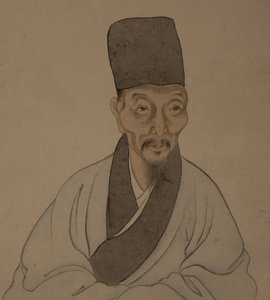
1494–1552, Narodna Republika Kina
Qiu Ying
Život urezan u potez četkice: Svijet Qiu Yinga Rođen u skromnim okolnostima 1494. godine, u gradu Taicangu blizu današnje provincije Jiangsu, Qiu Ying se uzdigao do statusa jednog od najslavnijih slikara dinastije Ming. Za razliku od mnogih umjetnika svog doba koji su imali koristi od učenog odgoja i formalnog obrazovanja unutar utvrđenih umjetničkih krugova, put Qiu Yinga bio je iznimno samostalan. Svoje umjetničko putovanje nije započeo tradicionalnim kanalima, već kao šegrt umjetnika lakiranja, usavršavajući vještine u detaljnom dekorativnom radu – temelj koji će duboko utjecati na pedantnu preciznost karakterističnu za njegove kasnije slike.
Također i Qiu Ying
 Up the River During Qingming1644
 Zhao Mengfu Writing the Heart (Hridaya) Sutra in Exchange for Tea1542
 Lady Su Hui and Her Verse Puzzle501
 The Seven sages of the bamboo grove1552

Eseji o djelu Handscroll
 Understanding Chinese Painting: A Comparison of Gongbi and XieyiMaster the differences between Gongbi and Xieyi styles. Discover the history and techniques of Chinese ink painting now.
 25 Must-See Masterpieces at Berlin's Alte NationalgalerieExplore 25 iconic masterpieces from Berlin's Alte Nationalgalerie. From Romanticism to Impressionism, discover them all on OriginalUniqueAr…
 Understanding Chinese Art: Literati Painting and Song Academy PaintingMaster the distinction between Song Academy and Literati painting styles. Explore Chinese art history through expert analysis today.