
 Pregledaj u stvarnoj veličini
 Pošalji
 Podijeli
 Detalji o umjetničkom djelu

 Preuzmi
 Slični predmeti
 Rentgenska snimka
 Automatska prezentacija
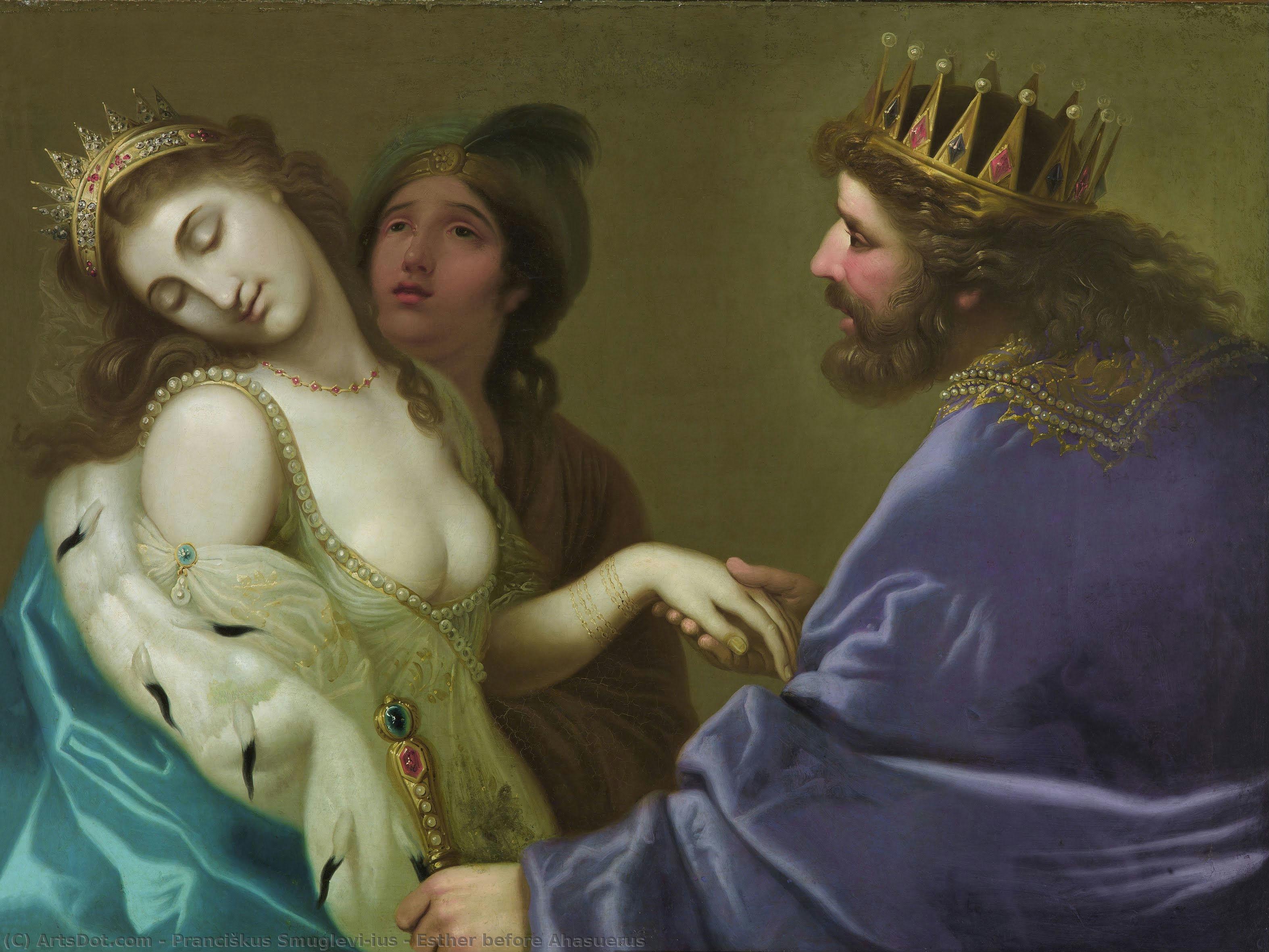
Esther before Ahasuerus
 Oil
Oil- WallArt
- Neo-Classical
 1778
1778- Early Modern
 78.0 x 106.0 cm
 Lithuanian Art Centre TARTLE
 Prikaži više
Ručno rađena uljana reprodukcija
Ručno oslikano uljanim bojama na platnu u dimenzijama i okviru po vašem izboru, izrađeno po narudžbi od strane naših umjetnika. ( Kupi print Kupi digitalnu sliku)




P118B $10

P118H $10

P118W $10

P438Z $10

P508JH $12

P508YH $12

P805H $10

P805Z $10

P919BZ $10

P919G $10

P919XJ $10

P959ZH $10

P968JZ $12

W106C $8

W218G $10

W218JH $8

W218Y $10

W307PJ $10

W316G $10

W316PJ $8

W316Y $10

W398PJ $8

W4111J $10

W500HY $15

W500JH $15

W692G $12

W849H $8

W940BG $15

W953PJ $8




Odaberite jednu od naših unaprijed definiranih veličina koje odgovaraju izvornim proporcijama umjetničkog djela.

Možete unijeti vlastite dimenzije kako bi odgovarale određenom okviru ili prostoru. Ako odabrana veličina ne odgovara proporcijama izvorne slike, izrezat ćemo umjetničko djelo ili proširiti sliku dodatnim ručno oslikanim elementima. Digitalni nacrt bit će vam poslan na odobrenje prije početka proizvodnje.
Imajte na umu da pregled na ekranu ne prikazuje stvarno izrezivanje ili proširivanje. Samo će nacrt točno prikazati konačni sastav.
Iako su dostupne prilagođene veličine, preporučujemo odabir dimenzije s preddefiniranog popisa kako bismo očuvali izvorne proporcije.
Nakon narudžbe, tim OriginalUniqueArt.com kontaktirat će klijenta putem e-pošte radi dobivanja uputa te dostaviti probni prikaz (mockup).
Isporuka širom svijeta () u roku od 3-4 tjedna umjesto standardnih 5 tjedana. (18 Kolovoz). Bez kompromisa u kvaliteti.

Besplatna ekspresna dostava širom svijeta

Visokokvalitetno laneno platno

Potpuno osiguranje dostave

Jamstvo povrata carine i uvoznih poreza

Garancija vjernog podudaranja boja

Politika povrata u roku od 60 dana (samo u slučaju nedostataka)

Jamstvo povrata 100% novca

Popust na više proizvoda
 Opcija stakla dostupna je samo za dimenzije manje od 110 cm

Esther before Ahasuerus
Tehnika reprodukcije
Veličina reprodukcije
-


Ukupna cijena
$ 300
Opis umjetničkog djela
A Moment of Divine Courage
In the grand tapestry of Neo-Classical history painting, few moments capture the tension between vulnerability and sovereignty as poignantly as Pranciškus Smuglevičius’s Esther before Ahasuerus. Painted in 1778, this masterpiece transports the viewer into the heart of a biblical drama where destiny hangs by a single thread. The canvas centers on the breathtaking figure of Esther, whose presence commands the frame not merely through her regal attire, but through the profound emotional complexity etched upon her face. As she stands before the formidable King Ahasuerus, there is a palpable sense of disbelief and trepidation—a silent prayer captured in pigment. Smuglevičius masterfully utilizes the light to illuminate Esther’s beauty, turning her physical grace into a symbol of the spiritual fortitude required to intercede for her people.
The composition is a sophisticated study in depth and narrative layering. While Esther remains the luminous focal point, the artist subtly populates the periphery with secondary figures who serve as silent witnesses to this high-stakes encounter. These observers, rendered with careful attention to detail, add a layer of courtly intrigue and social context, suggesting the watchful eyes of an empire. The interplay between the central subjects and the background figures creates a theatrical atmosphere, reminiscent of a stage set where every glance and gesture carries the weight of historical consequence. For the discerning collector, this painting offers more than just a depiction of a scene; it offers a window into the psychological landscape of courage.
The Mastery of Neo-Classical Elegance
Smuglevičius, a scholar of the Roman school and a protégé of the great masters, brings a refined technical precision to this work that defines the late 18th-century aesthetic. His training under Anton von Maron is evident in the meticulous handling of textures—the heavy, regal weight of the crown, the delicate sheen of royal fabrics, and the soft, lifelike rendering of skin tones. The artist employs a palette that balances the warmth of human emotion with the cool, structured dignity of the Neo-Classical style. Every brushstroke serves to reinforce the clarity of the narrative, ensuring that the viewer is not lost in ornamentation but remains anchored to the dramatic tension of the subject matter.
For interior designers and curators of fine art reproductions, this piece represents a pinnacle of classical sophistication. The artwork possesses a timeless quality that allows it to anchor a room with authority and grace. Whether placed in a formal study, a grand hallway, or a curated gallery space, Esther before Ahasuerus acts as a conversation piece that invites contemplation on themes of justice, bravery, and the human condition. It is an exquisite choice for those seeking to infuse their environments with the intellectual depth and aesthetic splendor of the Enlightenment era.
Biografija umjetnika
Rano djetinjstvo i obrazovanje
Pranciškus Smuglevičius, poljsko-litavski crtač i slikar, rođen je 6. listopada 1745. godine u Varšavi, u Poljskoj. Bio je sin Łukasha Smuglevičiusa, također slikara, i Regine Olesińskiej. Njegovo rano djetinjstvo obilježili su prvi umjetnički koraci postavljeni u očevom radionici u Varšavi.Umjetnička karijera
U 1763. godini, Smuglevičius je otputovao u Rim, gdje je započeo studiranje lijepih umjetnosti pod mentorstvom Antona von Marona. U Rimu je boravio čak 21 godinu, u potpunosti prihvaćajući estetiku neoklasicizma. Godine 1765. primio je kraljevsku stipendiju od kralja Stanisława Augusta Poniatowskiego te bio primljen u Akademiju Svetog Luke.Značajna djela i nasljeđe
Smuglevičiusova najznačajnija djela uključuju:- Sastanak četverogodišnjeg Sejm-a (1793.), koji prikazuje njegov stil povijesnog slikarstva.
- Kościuszkina zakletva na trgu starog grada u Krakovu (1797.), ističući njegovu sposobnost dočaravanja svakodnevnog života i arhitekture.
- Litavski seljaci, oslobađanje seljaka od kmetstva u Merkinė, što demonstrira njegovu posvećenost društvenim pitanjima.
Podučavanje i utjecaj
Smuglevičius je bio mentor generacijama poljsko-litavskih slikara, među kojima su bili Jan Rustem, Jan Krzysztof Damel, Gaspar Borowski i Józef Oleszkiewicz. U Litvu je donio klasične ideje i viđenja prosvijećenog klasicizma, snažno utječući na razvoj litavske umjetnosti.Kasni život i smrt
Smuglevičius se preselio u Vilnius 1797. godine, gdje je postao osnivač i prvi dekan Instituta za skicu i slikarstvo pri Vilniuskoj akademiji. Izradio je alegorijske stropne slike za cara Pavla I u njegovoj novoj imperialnoj palači, Mihajlovskom dvorcu, u Sankt Peterburgu. Smuglevičius je preminuo 18. rujna 1807. u Vilniusu, Litva. Pogledajte više djela umjetnika Pranciškusa Smuglevičiusa na OriginalUniqueArt.com Istražite profil i umjetnička djela umjetnika na OriginalUniqueArt.com Pročitajte više o Franciszku Smuglewiczu na Wikipediji
Pranciškus Smuglevičius
1745 - 1807 , Poljska
Osnovne informacije
- Artistic Movement Or Style: Neoklasicizam
- Artists Or Movements Influenced By This Artist: ['Litvanska umjetnost']
- Artists Who Influenced This Artist: ['Anton von Maron']
- Date Of Birth: 6. listopada 1745.
- Date Of Death: 18. rujna 1807.
- Full Name: Pranciškus Smuglevičius
- Nationality: Poljsko-litavski
- Notable Artworks:
- Sastanak Sejm-a četverogodišnjeg perioda
- Kościuszkova prisega
- Litvanski seljaci
- Place Of Birth: Varšava, Poljska
Srodni članci
Neo-Classicism's Greatest Hits: 10 Masterpieces for Your Home |
Journey through Neo-Classicism's finest! Explore 10 iconic masterpieces by David, Ingres & Canova. Discover art history, techniques & timeless beauty – perfect for inspiring your home decor. Find museum-quality reproductions at

Neo-Classicism Reimagined: The Bold Return of Order, Power, and Timeless Aesthetic Authority
Explore the resurgence of Neo-Classicism. Discover how the bold return of order, symmetry, and mythic power is redefining modern luxury interiors through museum-quality, hand-painted reproductions and bespoke classical commissions for the discerning art collector.
The Enduring Legacy of Classicism: Principles, Evolution & Influence in Western Art
Explore the enduring legacy of Classicism in Western art! Discover its historical context, key principles, iconic masterpieces & lasting influence. Learn about Renaissance and Neoclassical movements with OriginalUniqueArt.
Timeless Resonance: Exploring Classic Vibe in Art – A Historical & Aesthetic Analysis
Explore the rich history & enduring aesthetic of Classicism art! Discover key movements, iconic artists like Raphael & David, and its lasting influence on Western art. Deepen your appreciation today.
The Enduring Legacy of Classical Style: Form, Narrative & Influence in Art
Explore the enduring legacy of classical art – from ancient Greece & Rome to Neoclassicism. Discover key artists, philosophical roots & build a timeless collection with OriginalUniqueArt's expert guidance.

