

 Pregledaj u stvarnoj veličini
 Podijeli
 Podijeli
 Detalji
 Vodič
Vodič

 Preuzmi datoteku
 Slični predmeti
 Rentgenska snimka
 Slide show
 Statistika
Galatea (?)
 1509
1509 63.0 x 100.0 cm
 Pročitajte više
Kupite digitalnu sliku visoke rezolucije i poboljšane kvalitete, koja je znatno superiornija od online prikaza.
Svaku datoteku pedantno pripremaju naši internim stručnjaci koristeći napredne alate i vještinsku ručnu retušu. Osiguravamo da svaka slika ima iznimnu jasnoću, preciznu točnost boja i vrhunsku razinu detalja.
Konačna datoteka dostavlja se putem e-pošte u roku od 72 sata, optimizirana za neposrednu upotrebu u profesionalnim, uredničkim i tiskarskim okruženjima. To je ista kvaliteta kojoj vjeruju vrhunski studiji dizajna, izdavači i galerije.
Digitalna slika
Preuzmite datoteku visoke rezolucije za osobnu izložbu, tisak i kreativne projekte. ( Prebacite na prodaju printova Naručite ručno oslikano reprodukciju)
Uključeno uz svaku narudžbu digitalne slike
Stručna digitalna dostava, zajamčena
Odabirom OriginalUniqueArt.com ne dobivate samo sliku – dobivate profesionalno unapređeno digitalno umjetničko djelo, izrađeno s najvećom preciznošću uz jamstvo zadovoljstva. Evo svega što automatski dolazi uz vašu narudžbu:

Brza dostava e-poštom
Vaša digitalna slika visoke rezolucije bit će vam poslana e-mailom u roku od 72 sata od trenutka narudžbe – spremna za neposrednu upotrebu.

Digitalna datoteka uz pomoć AI-a
Vaše umjetničko djelo profesionalno je optimizirano pomoću naprednih AI alata i ručnog uređivanja, čime se osigurava maksimalna razina detalja, oštrine i točnosti boja.

Besplatna doživotna ponovna dostava
Slučajno ste obrisali ili izgubili svoju datoteku? Ne brinite – ponovno ćemo vam je poslati u bilo kojem trenutku, potpuno besplatno.

Bez uvoznih pristojnika – ikada
Uživajte u svojim umjetničkim djelima trenutno, bez carina, pristojbi ili troškova dostave – digitalni downloadi uvijek su oslobođeni poreza.

Jamstvo točnosti boja
Uz pomoć profesionalnih alata i upravljanja bojama, osiguravamo da vaša digitalna slika što vjernije odražava izvorne boje.

Jamstvo zadovoljstva u trajanju od 100 dana
Ako niste zadovoljni svojom digitalnom slikom, revidirat ćemo je ili vratiti 100% iznosa u roku od 100 dana – bez suvišnih pitanja.

100% Jamstvo povrata novca
Niste zadovoljni? Osigurajte puni povrat novca u roku od 100 dana od primitka digitalne datoteke – bez suvišnih pitanja.

Popusti na velike narudžbe
Kupite 3 slike, uštedite 10% - Kupite 5 slika, uštedite 15% - Kupite 10+ slika, uštedite 20%. Odlično za kreativne projekte, galerije i agencije.
Pitanja i odgovori
Mogu li detaljnije pregledati "Galatea (?)"?
X-ray prikaz djela "Galatea (?)" autora Pinturicchio možete pronaći na stranici Rentgenska snimka za to umjetničko djelo: interaktivno istraživanje slike kroz jedanaest optičkih slojeva.
Gdje mogu kupiti print djela "Galatea (?)" autora Pinturicchio?
"Galatea (?)" je dostupan kao umjetnički otisak na pamučnom platnu ili arhivskom kanvas papiru. Narudžbe se izvršavaju na stranici Umjetnička litografija, u dimenziji po vašem izboru.
Kako mogu otkriti umjetnička djela slična djelu "Galatea (?)" autora Pinturicchio?
Djela slična djelu "Galatea (?)" autora Pinturicchio prikupljena su na stranici Slična djela tog umjetničkog djela.
Biografija umjetnika
Enigmatična milost Pinturicchia: Renesansni majstor
Bernardino di Betto, svijetu poznat kao Pinturicchio – nadimak mu je s ljubavlju dodijeljen zbog njegovog sitnog stasa – izronio je iz umjetničkog srca Perugije 1454. godine. Njegov život odvijao se u razdoblju golemog kulturnog fervora, dok je visoka renesansa cvjetala diljem Italije, no Pinturicchio je izbrusio vlastiti, jedinstveni put, koji je spojio preostalu eleganciju gotičkih tradicija s novonastalim inovacijama tog doba. Dok su divovi poput Leonarda da Vincija i Michelangela težili anatomskoj savršenstvu i dramatičnom realizmu, Pinturicchio je njegovao stil obilježen profinjenom milošću, zamrštenim detaljima i živopisnim, dekorativnim osjećajem. Njegovo putovanje nije bilo od revolucionarnih previranja, već od izvrsnog usavršavanja – svjedočanstva njegove vještine u transformaciji utvrđenih oblika u nešto neotklonjivo očaravajuće.Od umbrijskih radionica do papalnih narudžbi
Pinturicchiho rano školovanje ostaje donekle obavijeno misterijom, iako se vjeruje da je svoje vještine usavršavao pod vodstvom manje poznatih perugijskih majstora poput Bonfiglija i Fiorenzo di Lorenza. Ključni trenutak nastupio je kada je ušao u krugove Pietro Perugina, vodeće figure umbrijske škole. Prema Giorgio Vasariju, Pinturicchio je služio kao asistent Peruginu, što je suradnja neosporno oblikovala njegov umjetnički razvoj. Ova veza pokazala se presudnom za dobivanje narudžbe za Sistinu kapelu u Rimu početkom 16. stoljeća. Radeći uz neke od najslavnijih umjetnika tog vremena – među kojima su bili Botticelli, Ghirlandaio i Signorelli – Pinturicchio je doprinio ovom monumentalnom projektu, iako su nažalosti njegove freske kasnije uništene kako bi napravile mjesta za Michelangelov Posljednji sud. To iskustvo je, međutim, poslužilo kao ključna prekretnica, izlažući ga novim utjecajima i učvršćujući njegovu reputaciju.Plodno razdoblje: Rim i Borgia apartmani
Godine između 1484. i 1492. označile su razdoblje intenzivne produktivnosti za Pinturicchia, prvenstveno smješteno u Rimu. Primao je narudžbe od istaknutih obitelji poput Della Rovere, ukrašavajući kapelice unutar crkve Santa Maria del Popolo svojim prepoznatljivim stilom. Ova djela pokazala su njegovo majstorstvo u tehnici freske, obilježeno nježnim figurama, bogato ornamentiranim pozadinama i sklonošću prema zamrštenim dekorativnim motivima. Ipak, upravo je njegov rad za papu Aleksandra VI. – Rodrigo Borgia – temeljito utvrdio njegovo mjesto u povijesti umjetnosti. Zadužen za dekoraciju Borgia apartmana unutar Vatikanske palače između 1492. i 1494. godine, Pinturicchio je stvorio niz prostorija raskošno ukrasjenih freskama koje prikazuju mitološke scene, portrete i alegorijske prikaze. Ovi apartmani, iako kontroverzni zbog svoje povezanosti s nečuvenom obitelji Borgia, stoje kao izvanredan primjer renesansne dekorativne umjetnosti, otkrivajući Pinturicchiovu sposobnost spajanja klasičnih motiva s vlastitim jedinstvenim estetskim osjećajem. Upotreba pozlatćenog listića, živopisnih boja i iluzionističkih tehnika stvorila je atmosferu raskošnog sjaja, odražavajući moć i ambiciju papalnog dvora.Nasljeđe i trajni utjecaj
Pinturicchiho umjetničko nasljeđe obilježeno je profinjenom elegancijom i pedantnim umećem. Iako možda nije dosezao istu razinu slave kao neki od njegovih suvremenika, njegov utjecaj na sljedeće generacije umjetnika je neporeciv. Njegov jedinstveni stil – skladni spoj gotičke milosti i renesansne inovacije – odjekivao je kod onih koji su cjenili suptilnost i detalj. Pokazao je iznimnu sposobnost stvaranja vizualno zadivljujućih kompozicija koje su bile istovremeno estetski ugodne i intelektualno poticajne. Njegovo djelo u Piccolomini knjižnici u Sijeni, dovršeno neposredno prije njegove smrti 1513. godine, stoji kao dokaz njegovog trajnog talenta. Freske koje prikazuju scene iz života pape Pija II. pokazuju jasnoću forme i boje koja nagovještava stil visoke renesanse. Pinturicchiova umjetnost nastavlja očaravati gledatelje i danas, nudeći uvid u svijet ljepote, profinjenosti i umjetničkog majstorstva – svijet u kojem je nježni dodir „malog slikara” ostavio neizbrisiv trag na krajoliku talijanske renesansne umjetnosti.- Značajna djela: Freske u Sistinskoj kapeli (uništene), Borgia apartmani u Vatikanu, Piccolomini knjižnica u Sijeni.
- Utjecaji: Perugino, umbrijska škola slikarstva, gotičke tradicije.
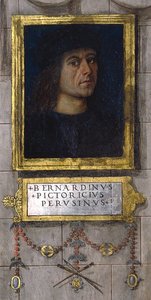
Pinturicchio
1454 - 1513 , Italija
Osnovne informacije
- Datum Rođenja: 1454
- Datum Smrti: 1513
- Mjesto Rođenja: Perugia, Italija
- Nacionalnost: Talijanska
- Puno Ime: Bernardino di Betto
- Umjetnici Ili Pokreti Koje Je Ovaj Umjetnik Utjecao: ['Rafael']
- Umjetnici Koji Su Utjecali Na Ovog Umjetnika:
- Perugino
- Bonfigli
- Fiorenzo di Lorenzo
- Umjetnički Pokret Ili Stil: Renesansa
- Značajna Umjetnička Djela:
- Freske u Sistinskoj kapeli
- Dekoracija Borgia apartmana
- Sveti Augustin
- Bez naslova (739)