 Pregledaj u realnoj veličini
 Pošalji
 Podijeli
 Detalji o umjetničkom djelu
 Vodič
Vodič

 Preuzmi umjetničko djelo
 Slični predmeti
 Rentgenska snimka
 Slide show
 Pitanja i odgovori
 Statistika
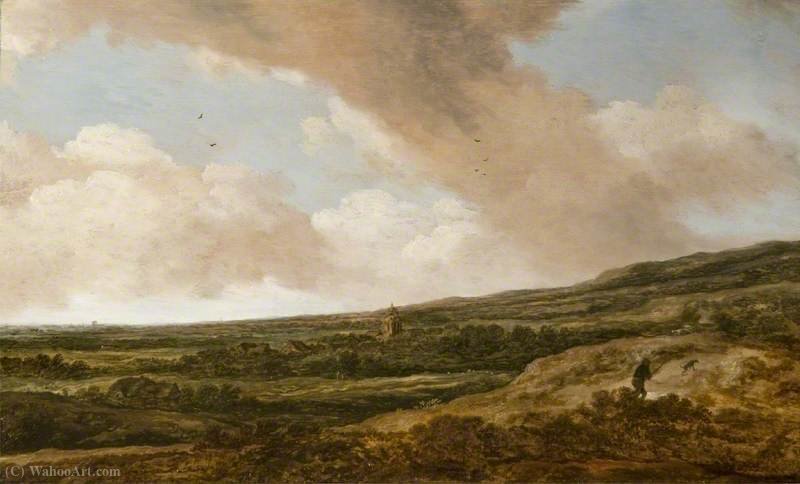
Landscape with a Huntsman
 Prikaži više
Preuzmite datoteku spremnu za tisak koja kvalitom daleko nadilazi web prikaz. Svaka digitalna slika koju prodajemo prosljeđuje se iz visokorezolucijske master datoteke iz naše baze — obično širine od 5.000 do 15.000 piksela — što vam omogućuje tisak velikih dimenzija, precizno izrezivanje ili sigurnu reprodukciju najfinijih detalja.
Nijedna datoteka ne napušta naš studio netaknuta. Digitalni stručnjak uspoređuje boje s izvornim slikama i po potrebi ih ispravlja, a zatim poboljšava jasnoću i detalje pomoću profesionalnih alata za retuširanje — uvijek ostajući vjerni umjetnikovim potezima četkice i stilu. Rezultat je prikaz koji izgleda kao prava slika, a ne kao sken s filtrima.
Odobravanje prije završetka: naš stručnjak šalje sliku e-poštom u roku od 72 sata na vaš pregled. Niste zadovoljni? Zatražite poboljšanja ili ispravke, ili tražite povrat novca ako kvaliteta ne ispunjava vaša očekivanja.
To je kvaliteta na koju se oslanjaju izdavači, dizajn studiji, galerije i tiskare.
Digitalna slika
Preuzmite datoteku visoke rezolucije za osobnu izložbu, tisak i kreativne projekte. ( Prebacite na printove Kupi ručno oslikano djelo)
Uključeno uz svaku narudžbu digitalne slike
Profesionalna digitalna dostava, zajamčena
Odabirom OriginalUniqueArt.com ne dobivate samo sliku – dobivate profesionalno unapređeno digitalno umjetničko djelo, izrađeno s najvećom preciznošću uz jamstvo zadovoljstva. Evo svega što automatski dolazi uz vašu narudžbu:

Brza dostava e-poštom
Vaša digitalna slika visoke rezolucije bit će vam poslana e-mailom u roku od 72 sata od trenutka narudžbe – spremna za neposrednu upotrebu.

Digitalna datoteka poboljšana umjetnom inteligencijom
Vaše umjetničko djelo profesionalno je optimizirano pomoću naprednih AI alata i ručnog uređivanja, čime se osigurava maksimalna razina detalja, oštrine i točnosti boja.

Besplatna doživotna ponovna dostava
Slučajno ste obrisali ili izgubili svoju datoteku? Ne brinite – ponovno ćemo vam je poslati u bilo kojem trenutku, potpuno besplatno.

Bez uvoznih pristojnika – ikada
Uživajte u svojim umjetničkim djelima trenutno, bez carina, pristojbi ili troškova dostave – digitalni downloadi uvijek su oslobođeni poreza.

Jamstvo točnosti boja
Uz pomoć profesionalnih alata i upravljanja bojama, osiguravamo da vaša digitalna slika što vjernije odražava izvorne boje.

Jamstvo zadovoljstva u trajanju od 100 dana
Ako niste zadovoljni svojom digitalnom slikom, revidirat ćemo je ili vratiti 100% iznosa u roku od 100 dana – bez suvišnih pitanja.

100% Jamstvo povrata novca
Niste zadovoljni? Osigurajte puni povrat novca u roku od 100 dana od primitka digitalne datoteke – bez suvišnih pitanja.

Popusti na velike narudžbe
Kupite 3 slike, uštedite 10% - Kupite 5 slika, uštedite 15% - Kupite 10+ slika, uštedite 20%. Odlično za kreativne projekte, galerije i agencije.
Biografija umjetnika
A Life Between Borders
The story of Pieter de Molyn is one of movement and cultural intersection, reflecting the very fluidity of the Dutch Golden Age. Born in London to a Flemish father from Ghent and a mother from Brussels, his early life was shaped by the shifting tides of Europe. Though baptized in the Dutch Reformed Austin Friars church in London, his roots were deeply embedded in the Low Countries. This unique heritage—English birth with Flemish descent—provided him with a cosmopolitan perspective that would later inform his versatile approach to painting and engraving.
His journey likely took him through the artistic heart of Italy, an experience common among ambitious painters of his era seeking to refine their craft. By 1616, he had established himself within the prestigious Haarlem Guild of St. and Luke, marking his official entry into the professional artistic community of the Netherlands. His career saw him moving between significant artistic hubs, including a period spent in Delft between 1616 and 1627, where he navigated both personal transitions and new creative inspirations.
Mastery of the Dutch Landscape
De Molyn’s true legacy lies in his ability to capture the soul of the Dutch countryside. He was a master of the landscape, yet his oeuvre was far from limited to a single subject. While he is most celebrated for his serene vistas, he was a true jack-of-all-trades, producing genre pieces, marine scenes, portraits, and architectural works. This versatility allowed him to capture the diverse rhythms of 17th-century life, from the quietude of rural cottages to the bustling energy of travelers on a road.
In his most renowned works, such as Landscape with a Cottage, one finds a profound sense of tranquility. He utilized a masterful command of light and texture, employing delicate brushstrokes to render lush foliage and expansive, luminous skies. His landscapes often serve as more than mere topographical records; they are emotional sanctuaries. Through the use of warm earth tones—ochres, siennas, and burnt umbers—he imbued his canvases with a palpable warmth, inviting viewers into a world of pastoral peace and quiet contemplation.
Technique and Artistic Influence
The technical prowess of De Molyn is characterized by an extraordinary attention to detail that borders on the immersive. Whether it is the meticulous rendering of a horse's harness in A Party of Riders Resting beside an Inn or the subtle, soft grayish-blue washes used to create fluffy white clouds, his work reflects a deep commitment to realism. His style was deeply influenced by the broader Baroque movement, which sought to portray life with emotional depth and grounded accuracy, moving away from idealized representations.
As a teacher, his influence extended far beyond his own brushstrokes. He mentored several notable artists, including:
- Gerard ter Borch the Elder
- Jan Coelenbier
- Allart van Everdingen
- Christian de Hulst
- Anthony Molijn
- Jan Wils
Through these students, De Molyn’s dedication to the nuances of light, shadow, and natural texture helped shape the trajectory of Dutch landscape painting. His ability to blend the dramatic potential of the Baroque with the quiet, atmospheric realism of the Dutch tradition ensures his place as a vital figure in the history of the Golden Age.

Pieter De Molyn
1595 - 1661