
 Pregledaj u stvarnoj veličini
 Podijeli
 Podijeli
 Detalji
 Vodič
Vodič

 Preuzmi datoteku
 Slični predmeti
 Rentgenska snimka
 Slide show
 Statistika
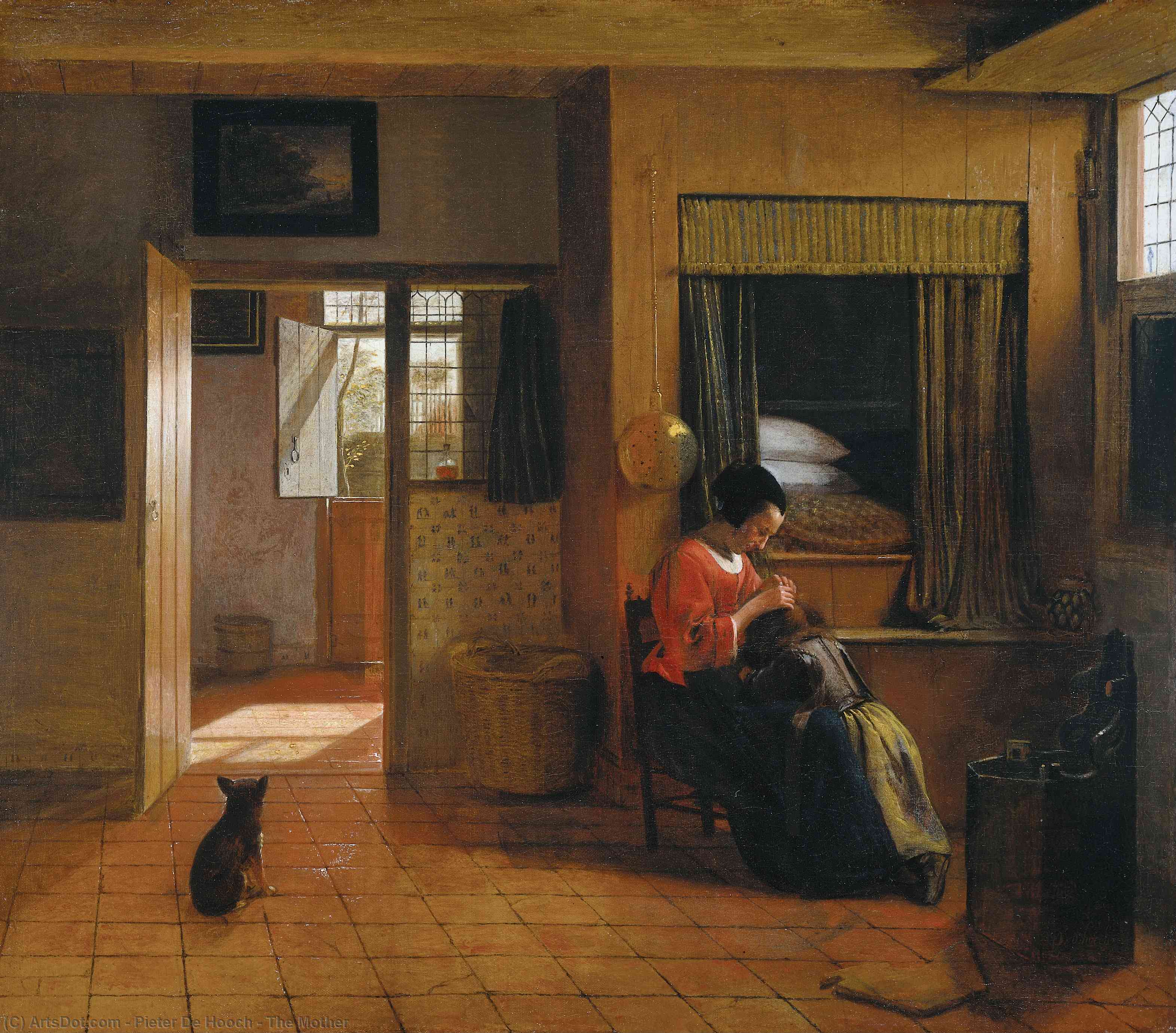
The Mother
 Oil On Canvas
- WallArt
- Dutch Golden Age
 1660
1660- Early Modern
 52.0 x 61.0 cm
 Rijksmuseum
 Pročitajte više
Ručno rađena uljana reprodukcija
Ručno oslikano uljanim bojama na platnu u dimenzijama i okviru po vašem izboru, izrađeno po narudžbi od strane naših umjetnika. ( Prebacite na prodaju printova Prebacite na digitalnu prodaju slika)




P118B $10

P118H $10

P118W $10

P438Z $10

P508JH $12

P508YH $12

P805H $10

P805Z $10

P919BZ $10

P919G $10

P919XJ $10

P959ZH $10

P968JZ $12

W106C $8

W218G $10

W218JH $8

W218Y $10

W307PJ $10

W316G $10

W316PJ $8

W316Y $10

W398PJ $8

W4111J $10

W500HY $15

W500JH $15

W692G $12

W849H $8

W940BG $15

W953PJ $8




Odaberite jednu od naših unaprijed definiranih veličina koje odgovaraju izvornim proporcijama umjetničkog djela.

Možete unijeti vlastite dimenzije kako bi odgovarale određenom okviru ili prostoru. Ako odabrana veličina ne odgovara proporcijama izvorne slike, izrezat ćemo umjetničko djelo ili proširiti sliku dodatnim ručno oslikanim elementima. Digitalni nacrt bit će vam poslan na odobrenje prije početka proizvodnje.
Imajte na umu da pregled na ekranu ne prikazuje stvarno izrezivanje ili proširivanje. Samo će nacrt točno prikazati konačni sastav.
Iako su dostupne prilagođene veličine, preporučujemo odabir dimenzije s preddefiniranog popisa kako bismo očuvali izvorne proporcije.
Nakon narudžbe, tim OriginalUniqueArt.com kontaktirat će klijenta putem e-pošte radi dobivanja uputa te dostaviti probni prikaz (mockup)
Isporuka širom svijeta () u roku od 3-4 tjedna umjesto standardnih 5 tjedana. (25 Rujan). Bez kompromisa u kvaliteti.

Besplatna ekspresna dostava širom svijeta

Visokokvalitetno laneno platno

Potpuno osiguranje transporta

Jamstvo povrata carine i uvoznih poreza

Jamstvo vjernosti boja

Politika povrata u roku od 100 dana (samo u slučaju nedostataka)

Jamstvo povrata 100% novca

Popust na više proizvoda
 Opcija stakla dostupna je samo za dimenzije manje od 110 cm

The Mother
Tehnika izrade
Veličina reprodukcije
-


Ukupna cijena
$ 300
A Window Into Domestic Tranquility
Pieter de Hooch's “The Mother” (circa 1660) stands as a quintessential emblem of Dutch Golden Age artistry—a serene tableau that transcends mere representation to embody the very values and sensibilities of its era. Captured on canvas with meticulous detail, this painting transports viewers into a softly lit bedroom interior where a woman diligently attends to her child’s care. More than just a portrait, it is an exploration of motherhood, quiet contemplation, and the subtle beauty found within everyday domestic life. The scene unfolds as a tender moment of intimacy, inviting the observer to step into a world where time seems to slow, and the frantic pace of the outside world is replaced by the rhythmic, peaceful motions of household devotion.
The composition is masterfully orchestrated to guide the eye through a narrative of light and shadow. De Hooch employs a pyramidal structure, a classical technique that provides stability to the scene while directing our gaze upward toward the window. This window serves as the painting's soul, acting as a crucial element in establishing a luminous, ethereal quality. Through its frame, natural light pours into the room, illuminating the textures of the space—from the delicate thread held by the mother to the smooth surfaces of the furniture. The artist’s use of chiaroscuro—the dramatic interplay between light and dark—sculpts the forms within the room, imbuing the simple act of sewing or tending to a child with an almost sacred emotional resonance.
The Artistry of the Dutch Golden Age
To understand the brilliance of “The Mother,” one must look at the technical mastery De Hooch brought to the genre of kamergezichten, or room-views. His style is characterized by a profound attention to detail and a naturalism that makes the atmosphere feel palpable. The brushstrokes are delicately blended to create soft shadows and highlights, enhancing the sense of depth and conveying an impression of stillness. Every element in the room—the presence of a cat resting near the woman, the placement of books in the corner, and the subtle glint of light on a ceramic bowl—is rendered with a precision that celebrates the material reality of seventeenth-century Holland.
This technical prowess was not merely for show; it served to ground the painting in a recognizable, lived-in reality. For collectors and lovers of fine art, the painting offers a masterclass in how light can be used to define space and mood. The way the sunlight interacts with the interior elements creates a sense of warmth and comfort, making the artwork not just a piece to be viewed, but an environment to be experienced. It is this ability to transform the mundane into the magnificent that makes De Hooch’s work so enduringly captivating for modern interiors.
A Reflection of Social Virtue and Stability
Beyond its aesthetic beauty, “The Mother” serves as a historical mirror, reflecting the significant social transformations occurring in the Netherlands during the mid-seventeenth century. As the Dutch middle class burgeoned, so too did a new set of values centered on family life, moral virtue, and domestic stability. De Hooch’s depiction of a woman engaged in quiet, productive work within the sanctuary of her home aligns perfectly with these cultural aspirations. The inclusion of fine details, such as the Delft blue tiles adorning the walls, speaks to the pride in Dutch craftsmanship and the burgeoning prosperity of the era.
For the discerning decorator or art enthusiast, this piece offers more than just visual elegance; it provides a sense of historical continuity and emotional depth. The painting evokes a longing for the "quiet" moments—the sanctity of the home and the dignity of daily labor. Whether placed in a sunlit study or a quiet corner of a living room, a high-quality reproduction of “The Mother” brings with it an aura of peace and a sophisticated connection to the rich heritage of the Dutch masters. It is an invitation to find beauty in the ordinary and to cherish the tranquil rhythms of life.
Biografija umjetnika
ranim i edukacija
Pieter de Hooch, istaknuta figura hollandskog zlatnog doba, rođen je 20. prosinca 1629. godine u Rotterdamu, u Nizozemskoj. Bio je najstariji od petoro djece Hendricka Hendricksza de Hoocha, zidar, i Annetge Pieters, koja je bila pratilja pri rođenju. Iako su detalji o njegovom ranoj životu oskudni, vjeruje se da je stvarao u Rotterdamu, Delftu i Amsterdamu. De Hoochina umjetnička edukacija odvijala se u Haarlemu pod vodstvom pejzažnog slikara Nicolaesa Berchema, uz sudjelovanje Jacoba Ochtervelta. To su razdoblje postavila temelje njegovom budućem uspjehu kao majstora tihih domaćih scena koje često krase otvorena vrata.umjetnički stil i teme
De Hoochoovo djelo prepoznatljivo je po nevjerojatnoj pažnji posvećenoj detaljima, naturalizmu i virtuoznom korištenju svjetlosti. Njegova umjetnost često slavi svakodnevni život, odražavajući vrijednosti i težnje tada usredotočenog novog sloja srednje klase. Izvanredan primjer tog stila je "dvorište kuće u Delftu" (1658), koje demonstrira njegovu sposobnost da uhvati najobičnije detalje svakodnevice. Iako de Hoochovo djelo dijeli teme i kompozicije s Emanuelom de Wittem, njegova fokusiranost na ljude i njihove međusobne odnose izdvaja ga od ostalih. To je jasno vidljivo u djelima kao što su "žena koja doji" (1658) i "žena s bebom u krilu" (1658), koja svjedoče njegovom dubokom interesu za intimne domaće prizore.istaknuta djela i naslijeđe
Neka od najznačajnijih de Hoochevih remek-djela uključuju:- "veseli pijanica" (oko 1650.)
- "igrači karata u suncem okupanom prostoriji" (1658.)
- "žena koja priprema kruh i maslac za dječaka" (1661.)
muzeji i kolekcije
De Hoocheva djela mogu se pronaći u brojnim muzejima, uključujući Koninklijk Museum voor Schone Kunsten u Antverpu, Belgija, koji posjeduje goleme zbirke europske umjetnosti od 15. do 20. stoljeća. Otkrijte više o Pieteru de Hoochu i njegovim djelima na OriginalUniqueArt: [https://OriginalUniqueArt.com/@/pieter-de-hooch](https://OriginalUniqueArt.com/@/pieter-de-hooch) /hr/art/show/art-d3b4kt-hr/ (otkrijte remek-djela iz Koninklijk Museum voor Schone Kunsten, Belgija)
Pieter De Hooch
1629 - 1694 , Nizozemska
Brzi pregled
- Datum Rođenja: 20. prosinca 1629.
- Datum Smrti: 1694.
- Državljanstvo: Nizozemac
- Mjesto Rođenja: Rotterdam, Nizozemska
- Puno Ime: Pieter Hendricksz de Hooch
- Umjetnici Koji Su Utjecali Na Njega: ['Nicolaes Berchem']
- Umjetnici/Pokreti Koje Je Utjecao: ['Jan Vermeer']
- Umjetnički Pokret/Stil: Delft School, Zlatno doba
- Značajna Djela:
- Veseli pijanac
- Kartaši u sunčanoj sobi
- Žena priprema kruh i maslac
Povezani članci
Illuminating Innovation: Exploring the Dutch Golden Age of Painting
Explore the Dutch Golden Age of painting with OriginalUniqueArt. Discover Rembrandt, Vermeer & other Masters. Learn about key characteristics, iconic artworks, and lasting influence. Expert insights for collectors & enthusiasts.
Pieter de Hooch: Illuminating Dutch Domestic Life & Golden Age Charm
Explore the captivating world of Pieter de Hooch, a master of Dutch Golden Age painting. Discover his innovative use of light, intimate domestic scenes, and lasting influence on art history. Learn more at OriginalUniqueArt.
Illuminating Realism: Exploring the Dutch Golden Age of Painting (1600-1700)
Explore the Dutch Golden Age of painting (1600-1700) with OriginalUniqueArt. Discover Rembrandt, Vermeer & other masters. Learn about techniques, history & find museum-quality reproductions.

Zlatno Dobo Nizozemske: 10 Remekdjela Koja Su Definirala Umjetnost i Dekor
Otkrijte remekdjela nizozemskog Zlatnog doba! Uronite u svijet Rembrandta, Vermeera i drugih majstora. 10 slika koje su definirale holandsku umjetnost & barokni stil. Inspirirajte se za dekoraciju doma s OriginalUniqueArt.com – reprodukcije vrhunske kvalitete!

Golden Age Reflections: Dutch Baroque Painting & Cultural Innovation
Explore the Dutch Golden Age of painting! Discover key artists like Vermeer & ter Borch, their innovative techniques, and the rich cultural context behind these Baroque masterpieces. Learn about collecting & appreciating this iconic art period.
