
 Pregledaj u realnoj veličini
 Pošalji
 Podijeli
 Detalji o umjetničkom djelu
 Vodič
Vodič

 Preuzmi umjetničko djelo
 Slični predmeti
 Rentgenska snimka
 Slide show
 Pitanja i odgovori
 Statistika
Merry Company

- 64.0 x 74.0 cm


 Prikaži više
Giclée / Umjetnički otisak
Giclée tisak muzejske kvalitete ili otisak na platnu uz brzu izradu i raznolike opcije završne obrade. ( Kupi ručno oslikano djelo Prebacite na digitalnu sliku)




P118B €10

P118H €10

P118W €10

P438Z €10

P508JH €12

P508YH €12

P805H €10

P805Z €10

P919BZ €10

P919G €10

P919XJ €10

P959ZH €10

P968JZ €12

W106C €8

W218G €10

W218JH €8

W218Y €10

W307PJ €10

W316G €10

W316PJ €8

W316Y €10

W398PJ €8

W4111J €10

W500HY €15

W500JH €15

W692G €12

W849H €8

W940BG €15

W953PJ €8




Odaberite jednu od naših unaprijed definiranih veličina koje odgovaraju izvornim proporcijama umjetničkog djela.

Unesite potrebnu širinu i visinu kako bi odgovarali vašem okviru ili zidu. Print se može samo izrezati, nikada ne može biti veći od slike, stoga format s drugačijim omjerom stranica uzrokuje gubitak dijela slike. Prije bilo kakve štampe šaljemo vam digitalni prikaz (mockup) na odobrenje. Slika prikazana na ovoj stranici ne prikazuje stvarni rez — to prikazuje isključivo digitalni prikaz.
Dostava širom svijeta () u roku od 2 tjedna umjesto standardnih 4/5 tjedana. (3 Studeni)

Besplatna ekspresna dostava širom svijeta

Visokokvalitetno laneno platno

Potpuno osiguranje dostave

Jamstvo povrata carine i uvoznih poreza

Jamstvo vjernosti boja

Politika povrata u roku od 100 dana (samo u slučaju nedostataka)

Jamstvo povrata 100% novca

Popust na više proizvoda
 Opcija stakla dostupna je samo za dimenzije manje od 110 cm

Merry Company
Giclée / Umjetnički otisak
Veličina reprodukcije
-


Ukupna cijena
€ 72
A Moment of Quiet Revelry: Pieter de Hooch’s “Merry Company”
Pieter de Hooch's "Merry Company," painted around 1600, isn’t merely a depiction of a gathering; it’s a carefully constructed tableau brimming with subtle symbolism and the quiet elegance characteristic of Dutch Golden Age art. This remarkable work, now housed within the Museum’s collection, offers a captivating glimpse into the social life of Amsterdam during its burgeoning prosperity – a world where commerce, artistry, and refined leisure intertwined. De Hooch, a master of capturing fleeting moments and intimate interiors, elevates an everyday scene to a level of profound observation, inviting us to contemplate the complexities of human interaction and the nuances of wealth and status. The painting’s enduring appeal lies not just in its technical brilliance but also in its ability to evoke a sense of understated charm and intellectual curiosity.The Composition: A Dance of Light and Gesture
At first glance, “Merry Company” presents a seemingly simple scene: a group of individuals assembled around a richly appointed table within a warmly lit room. However, closer inspection reveals a meticulously orchestrated composition. De Hooch’s masterful use of light is immediately striking – a soft, diffused illumination that washes over the figures and subtly defines their forms. The light source, cleverly positioned to suggest an unseen window, creates a sense of depth and atmosphere, drawing the viewer into the heart of the gathering. Notice how he employs chiaroscuro—the dramatic contrast between light and shadow—to emphasize key elements, such as the faces of those engaged in conversation and the details of the table setting. The figures themselves are rendered with remarkable sensitivity, each exhibiting a unique posture and expression that hints at their individual personalities and relationships. The arrangement isn’t haphazard; it's carefully balanced, creating a harmonious visual experience.Symbolism Within the Scene: Five Senses and Allegory
Beyond its surface beauty, “Merry Company” is rich in symbolic meaning. The painting has been interpreted as a meditation on the five senses – a concept central to Renaissance thought. The presence of food and drink clearly represents taste and touch, while music (implied by the instruments) speaks to hearing. However, the most intriguing element lies above the fireplace: a depiction of Ganymede, the mythological abduction of the beautiful youth by Zeus in the form of an eagle. This scene, often interpreted as a reference to the concept of the Five Senses, is not merely decorative; it adds a layer of complexity and perhaps even a touch of eroticism or theological allegory to the composition. Some critics suggest that Ganymede embodies the human soul, elevated by divine will, while others see a veiled commentary on earthly desires. The inclusion of this mythological episode elevates the scene beyond a simple depiction of social interaction, transforming it into a visual riddle inviting contemplation.Historical Context and Artistic Style
Pieter de Hooch’s work is firmly rooted in the Dutch Golden Age (1600-1700), a period of unprecedented economic prosperity and artistic innovation. His paintings reflect the values and aspirations of the emerging middle class – a society that valued both material wealth and intellectual pursuits. De Hooch was particularly renowned for his “room scenes,” capturing intimate moments within domestic interiors with remarkable realism and psychological insight. Unlike the grand, heroic narratives favored by some of his contemporaries, de Hooch focused on the everyday lives of ordinary people, offering a nuanced portrayal of their social interactions and emotional experiences. His style is characterized by its meticulous attention to detail, naturalism, and use of light – qualities that distinguish him from other artists of his time. The painting’s composition echoes works by earlier masters like Jacob van der Meer, but de Hooch imbues it with a distinctly personal touch, creating a unique and unforgettable image.A Timeless Appeal: Reproduction and Interior Design
“Merry Company” continues to resonate with audiences today, not only for its artistic merit but also for its evocative portrayal of human connection. Reproductions of this masterpiece offer a beautiful addition to any interior space, bringing a touch of Dutch Golden Age elegance and intellectual curiosity into the home. The painting’s subtle color palette, masterful composition, and rich symbolism create a visually stimulating experience that invites contemplation and conversation. Consider pairing a reproduction with warm, inviting furnishings – perhaps a richly upholstered armchair or a vintage wooden table – to further enhance its atmosphere. “Merry Company” is more than just a painting; it's an invitation to slow down, observe, and appreciate the beauty of everyday life.Pitanja i odgovori
Je li "Merry Company" poznato djelo Dutch Golden Age pokreta?
"Merry Company" autora Pieter De Hooch klasificira se kao Recognized i pripada pokretu Dutch Golden Age.
Nalazi li se "Merry Company" autora Pieter De Hooch u domovini umjetnika?
Ne – umjetničko djelo se nalazi izvan zemlje umjetnika. Rodna zemlja umjetnika Pieter De Hooch je Nizozemska, dok se muzej u kojem se čuva izvornik djela "Merry Company" nalazi u državi Portugal.
U kojoj je tehnici izvedeno djelo "Merry Company" autora Pieter De Hooch?
Pieter De Hooch koristio je tehniku Oil On Canvas za "Merry Company". Ova tehnika definira materijalnu prirodu izvornog djela.
Biografija umjetnika
ranim i edukacija
Pieter de Hooch, istaknuta figura hollandskog zlatnog doba, rođen je 20. prosinca 1629. godine u Rotterdamu, u Nizozemskoj. Bio je najstariji od petoro djece Hendricka Hendricksza de Hoocha, zidar, i Annetge Pieters, koja je bila pratilja pri rođenju. Iako su detalji o njegovom ranoj životu oskudni, vjeruje se da je stvarao u Rotterdamu, Delftu i Amsterdamu. De Hoochina umjetnička edukacija odvijala se u Haarlemu pod vodstvom pejzažnog slikara Nicolaesa Berchema, uz sudjelovanje Jacoba Ochtervelta. To su razdoblje postavila temelje njegovom budućem uspjehu kao majstora tihih domaćih scena koje često krase otvorena vrata.umjetnički stil i teme
De Hoochoovo djelo prepoznatljivo je po nevjerojatnoj pažnji posvećenoj detaljima, naturalizmu i virtuoznom korištenju svjetlosti. Njegova umjetnost često slavi svakodnevni život, odražavajući vrijednosti i težnje tada usredotočenog novog sloja srednje klase. Izvanredan primjer tog stila je "dvorište kuće u Delftu" (1658), koje demonstrira njegovu sposobnost da uhvati najobičnije detalje svakodnevice. Iako de Hoochovo djelo dijeli teme i kompozicije s Emanuelom de Wittem, njegova fokusiranost na ljude i njihove međusobne odnose izdvaja ga od ostalih. To je jasno vidljivo u djelima kao što su "žena koja doji" (1658) i "žena s bebom u krilu" (1658), koja svjedoče njegovom dubokom interesu za intimne domaće prizore.istaknuta djela i naslijeđe
Neka od najznačajnijih de Hoochevih remek-djela uključuju:- "veseli pijanica" (oko 1650.)
- "igrači karata u suncem okupanom prostoriji" (1658.)
- "žena koja priprema kruh i maslac za dječaka" (1661.)
muzeji i kolekcije
De Hoocheva djela mogu se pronaći u brojnim muzejima, uključujući Koninklijk Museum voor Schone Kunsten u Antverpu, Belgija, koji posjeduje goleme zbirke europske umjetnosti od 15. do 20. stoljeća. Otkrijte više o Pieteru de Hoochu i njegovim djelima na OriginalUniqueArt: [https://OriginalUniqueArt.com/@/pieter-de-hooch](https://OriginalUniqueArt.com/@/pieter-de-hooch) /hr/art/show/art-d3b4kt-hr/ (otkrijte remek-djela iz Koninklijk Museum voor Schone Kunsten, Belgija)
Pieter De Hooch
1629 - 1694 , Nizozemska
Osnovne informacije
- Datum Rođenja: 20. prosinca 1629.
- Datum Smrti: 1694.
- Državljanstvo: Nizozemac
- Mjesto Rođenja: Rotterdam, Nizozemska
- Puno Ime: Pieter Hendricksz de Hooch
- Umjetnici Koji Su Utjecali Na Njega: ['Nicolaes Berchem']
- Umjetnici/Pokreti Koje Je Utjecao: ['Jan Vermeer']
- Umjetnički Pokret/Stil: Delft School, Zlatno doba
- Značajna Djela:
- Veseli pijanac
- Kartaši u sunčanoj sobi
- Žena priprema kruh i maslac
Srodni članci

About Us
Discover our story! We bring world-class art into your life through expert curation, personalized creations, and free previews. Trusted by individuals and businesses since 2000.
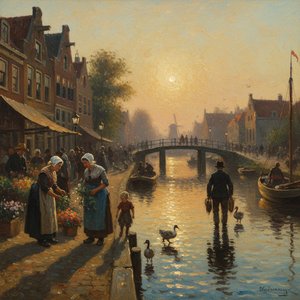
Wilhelmus de Zwart: Capturing Dutch Life Through the Lens of Realism & Impressionism
Explore the captivating world of Wilhelmus de Zwart, a Dutch master bridging Realism & Impressionism. Discover his landscapes, cityscapes, and unique technique – a compelling study for art enthusiasts and collectors.

Willem van de Velde the Elder: Master of Maritime Painting & Chronicler of the Dutch Golden Age
Discover the captivating maritime paintings of Willem van de Velde the Elder, a master chronicler of the Dutch Golden Age. Explore his unparalleled realism and lasting influence on naval art history.

Francisco Goya: 25 Remek-djela Španjolskog Majstora za Vaš Dom | OriginalUniqueArt
Uronite u svijet Francisca Goye! Otkrijte 25 remek-djela španjolskog majstora – od portreta do crnih slika. Povijest umjetnosti, tehnike i inspiracija za vaš dom. Kupite reprodukcije na OriginalUniqueArt.com!
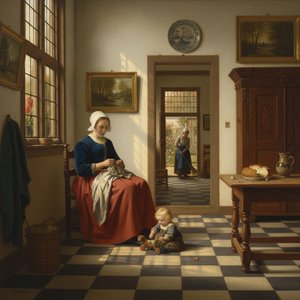
Pieter de Hooch: Illuminating Dutch Domestic Life & Golden Age Charm
Explore the captivating world of Pieter de Hooch, a master of Dutch Golden Age painting. Discover his innovative use of light, intimate domestic scenes, and lasting influence on art history. Learn more at OriginalUniqueArt.
