Pregledaj u stvarnoj veličini
 Podijeli
 Podijeli
 Detalji
 Vodič
Vodič

 Preuzmi datoteku
 Slični predmeti
 Rentgenska snimka
 Slide show
 Statistika
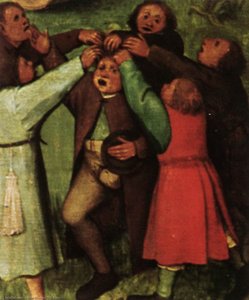
Desidia (Sloth), 1557


 Pročitajte više
Giclée / Umjetnički otisak
Giclée tisak muzejske kvalitete ili otisak na platnu uz brzu proizvodnju i fleksibilne opcije završne obrade. ( Naručite ručno oslikano reprodukciju Prebacite na digitalnu prodaju slika)




P118B €10

P118H €10

P118W €10

P438Z €10

P508JH €12

P508YH €12

P805H €10

P805Z €10

P919BZ €10

P919G €10

P919XJ €10

P959ZH €10

P968JZ €12

W106C €8

W218G €10

W218JH €8

W218Y €10

W307PJ €10

W316G €10

W316PJ €8

W316Y €10

W398PJ €8

W4111J €10

W500HY €15

W500JH €15

W692G €12

W849H €8

W940BG €15

W953PJ €8




Odaberite jednu od naših unaprijed definiranih veličina koje odgovaraju izvornim proporcijama umjetničkog djela.

Unesite širinu i visinu koja vam je potrebna, kako bi odgovarali vašem okviru ili zidu. Print se može samo izrezati, nikada ne može biti veći od slike, stoga veličina s drugačijim oblikom gubi dio slike. Šaljemo vam digitalni prikaz (mockup) na odobrenje prije bilo kakve štampe. Slika prikazana na ovoj stranici ne prikazuje stvarni rez — to čini samo digitalni prikaz.
Dostava širom svijeta () u roku od 2 tjedna umjesto standardnih 4/5 tjedana. (25 Listopad)

Besplatna ekspresna dostava širom svijeta

Visokokvalitetno laneno platno

Potpuno osiguranje transporta

Jamstvo povrata carine i uvoznih poreza

Jamstvo vjernosti boja

Politika povrata u roku od 100 dana (samo u slučaju nedostataka)

Jamstvo povrata 100% novca

Popust na više proizvoda
 Opcija stakla dostupna je samo za dimenzije manje od 110 cm

Desidia (Sloth), 1557
Giclée / Umjetnički otisak
Veličina reprodukcije
-


Ukupna cijena
€ 70
A Tapestry of Inertia: The World Within Bruegel’s Desidia
In the vast, swirling landscape of Pieter Bruegel the Elder’s 1557 masterpiece, Desidia (Sloth), the viewer is not merely presented with a painting, but rather invited into a profound psychological state. At first glance, the composition appears to be a bustling tableau of Northern Renaissance life, yet beneath the surface of this lively scene lies a biting critique of human stagnation. Bruegel, a master of capturing the intricate dance between the mundane and the moral, utilizes a sprawling landscape to house a multitude of figures—men, women, animals, and even aquatic life—all caught in various states of aimless existence. It is a world where movement exists without purpose, and activity serves only to mask a deeper, more unsettling stillness.
The technique employed by Bruegel is nothing short of miraculous, showcasing a meticulous attention to detail that draws the eye through an endless labyrinth of narrative threads. Every brushstroke contributes to a sense of overwhelming abundance; one might find themselves mesmerized by the texture of a distant boat laden with goods or the subtle, weary expression on a figure lost in thought. This level of precision creates a sensory experience that is both immersive and exhausting, mirroring the very concept of sloth—a heavy, inescapable weight that settles over the landscape. For the collector or designer, this complexity offers an unparalleled depth, as the artwork reveals new secrets upon every subsequent viewing.
Symbolism and the Weight of the Human Condition
To gaze upon Desidia is to engage with the intellectual ferment of the mid-16th century. Created during a period where the High Renaissance was transitioning into the more stylized Mannerism, Bruegel’s work stands as a humanist observation of vice and virtue. The painting serves as a moralizing mirror, reflecting the anxieties of a society grappling with newfound wealth and the temptations of material luxury. The central personification of Sloth—often depicted through dozing figures or sluggish animals like the iconic donkey—acts as a focal point for a broader commentary on the loss of spiritual and civic purpose. Bruegel masterfully weaves visual proverbs into the scenery, where even a man stuck in a house or a group of gamblers at a tavern becomes a symbol of the soul's inertia.
There is an undeniable emotional resonance in how Bruegel balances the grotesque with the beautiful. He does not shy away from portraying the unpolished or the unsightly, yet he imbues the entire composition with a rhythmic, almost musical quality. This duality makes the piece particularly compelling for modern interiors; it possesses the gravitas of a historical document while maintaining a vibrant, living energy. It is an artwork that demands contemplation, challenging the viewer to reflect on their own relationship with ambition, productivity, and the quiet, often dangerous, allure of doing nothing at all.
An Eternal Masterpiece for the Discerning Eye
For those seeking to curate a space with profound narrative power, a high-quality reproduction of Desidia offers more than just decoration; it provides a window into the Renaissance mind. The painting’s ability to anchor a room with its historical weight and intricate storytelling makes it an ideal centerpiece for libraries, studies, or sophisticated living areas. It is a piece that speaks to the intellect and stirs the imagination, bridging the gap between the 16th-century Flemish landscape and the contemporary aesthetic of thoughtful, curated living.
Owning a tribute to Bruegel’s genius allows one to preserve the legacy of Northern European expression. Whether viewed as a study in Renaissance technique or as a profound philosophical statement on the nature of human behavior, Desidia remains an enduring icon of art history—a timeless reminder that even in our most idle moments, there is a complex and beautiful story unfolding.
Pitanja i odgovori
Koji prostor najbolje odgovara bojama djela "Desidia (Sloth), 1557" autora Pieter Bruegel Stariji?
Uz svoju paletu u nijansama Neutrals, djelo "Desidia (Sloth), 1557" autora Pieter Bruegel Stariji preporučuje se za Living Room. Boje su jedan od razloga za ovaj prijedlog.
Je li "Desidia (Sloth), 1557" autora Pieter Bruegel Stariji svijetlo ili tamno umjetničko djelo?
Za djelo "Desidia (Sloth), 1557" autora Pieter Bruegel Stariji zabilježena je svjetlina od brilliant, uz luminancu od Bright Balance.
Koja su prava na reprodukciju djela "Desidia (Sloth), 1557" u muzeju Albertina?
Status autorskih prava za djelo "Desidia (Sloth), 1557" autora Pieter Bruegel Stariji je jasan: rad pripada u javnom vlasništvu – autorska prava su istekla. Njegovo prisustvo u muzeju Albertina ne mijenja taj status.
Biografija umjetnika
Pieter Bruegel the Elder (c. 1525–1569): Renaissance Master of Landscapes & Peasant Life
Pieter Bruegel the Elder emerged during a period of profound change, a time when the artistic landscape of Europe was shifting from the High Renaissance ideals of Italy towards the burgeoning complexities of Northern European expression. Born sometime between 1525 and 1530, likely in Breda – though details surrounding his early life remain somewhat elusive – Bruegel’s formative years unfolded amidst religious upheaval and a flourishing merchant culture. He began his artistic journey around 1545 as an apprentice to Pieter Coecke van Aelst, a respected Antwerp painter known for both his artistry and his designs for tapestries. This apprenticeship provided Bruegel with a solid grounding in the technical skills of oil painting and drawing, but perhaps more importantly, it exposed him to the humanist currents that were beginning to permeate intellectual circles. Van Aelst’s workshop was not merely a place of artistic instruction; it was a crucible where traditional techniques met new ideas, shaping Bruegel's future vision.Early Life & Artistic Training
Bruegel’s initial artistic training took place in Antwerp, the undisputed center of Flemish art and commerce during his time. He studied under Pieter Coecke van Aelst, absorbing the master’s meticulous attention to detail and mastering the techniques of oil painting – a medium that was gaining prominence in Northern Europe as artists sought to emulate the luminous effects achieved by Italian Renaissance painters. However, Bruegel's artistic sensibilities were distinctly rooted in the traditions of Flemish art, characterized by a focus on realism, expressive color palettes, and a profound understanding of human psychology. This early exposure to humanist thought would profoundly influence his subsequent artistic endeavors, shaping his worldview and informing his creative choices.Travels & Artistic Transformation
Following his apprenticeship, Bruegel embarked on extensive travels that would indelibly mark his artistic development. Between 1551 and 1553, he journeyed through France, Switzerland, and Italy – a daring undertaking for a young artist venturing into unfamiliar cultural landscapes. These expeditions were not merely sightseeing trips; they were deliberate explorations of artistic inspiration. While in Italy, Bruegel encountered the monumental works of Renaissance masters—Leonardo da Vinci, Michelangelo, Raphael—and absorbed their stylistic innovations. Yet, crucially, he resisted the temptation to adopt Italianate conventions wholesale. Instead, he internalized their influence and filtered it through his own unique temperament, resulting in a distinctive artistic style that blended Northern European realism with elements of Italian grandeur. The Alps, with their dramatic peaks and valleys, captivated Bruegel’s imagination and profoundly impacted the compositional structure and atmospheric perspective found in many of his later landscapes.The Birth of a Unique Vision: Landscapes & Peasant Life
Bruegel's artistic breakthrough occurred when he turned his gaze inward—towards the everyday lives of Flemish peasants and villagers. Unlike many of his contemporaries who favored mythological narratives or religious iconography, Bruegel chose to depict scenes from rural existence with remarkable honesty and psychological insight. His landscapes were not merely decorative backgrounds; they were active participants in the narrative, imbued with symbolic meaning and reflecting a deep understanding of nature’s power and beauty. Paintings like *The Hunters in the Snow* exemplify his masterful command of atmospheric perspective—creating depth and realism through subtle gradations of color and tone—while *Peasant Wedding* captures the vibrant energy and social customs of a Flemish village with astonishing detail. Bruegel's artistic vision was characterized by a humanist impulse to portray humanity as it truly is—with its joys, sorrows, triumphs, and failures—without resorting to idealized representations or moralizing judgments.Iconic Works & Lasting Influence
Pieter Bruegel the Elder’s legacy extends far beyond his individual paintings. He established himself as one of the foremost artists of his era, influencing generations of painters who followed him. His innovative approach to landscape painting paved the way for developments in the genre that would resonate throughout the Baroque period and beyond. Furthermore, Bruegel's unflinching portrayal of peasant life challenged prevailing artistic conventions and contributed to a broader cultural shift towards valuing vernacular culture and depicting human experience with psychological realism. Paintings like *The Tower of Babel*, *Landscape with the Fall of Icarus*, and *The Peasant Wedding* remain among the most celebrated works of art in history—testaments to Bruegel’s artistic genius and enduring influence on Western art. He died in Brussels in 1569 at the relatively young age of forty-three, leaving behind a body of work that continues to captivate audiences worldwide and cementing his place as one of the most important figures in the history of art.
Pieter Bruegel Stariji
1525 - 1569 , Nizozemska
Brzi pregled
- Artistic Movement Or Style: Renaissance painting
- Artists Or Movements Influenced By This Artist: ['Dutch Golden Age painting']
- Artists Who Influenced This Artist: ['Hieronymus Bosch']
- Date Of Birth: c. 1525
- Date Of Death: 1569
- Full Name: Pieter Bruegel the Elder
- Nationality: Flemish
- Notable Artworks:
- Landscape with the Flight into Egypt
- The Triumph of Death
- Peasant Wedding
- Hunters in the Snow
- Place Of Birth: Breda, Netherlands
Povezani članci

Pieter Bruegel the Elder: A Master of Genre, Landscape & Social Commentary
Explore the life & art of Pieter Bruegel the Elder, a pivotal figure of the Renaissance. Discover his groundbreaking genre scenes, symbolic landscapes, and lasting influence on art history. Learn more at OriginalUniqueArt.

Early Netherlandish Masters: 10 Paintings That Revolutionized Art & Decor
Journey into the world of Early Netherlandish painting! Explore 10 masterpieces by Jan van Eyck, Rogier van der Weyden & more. Discover stunning detail, symbolism & Renaissance art for your home decor. Find museum-quality reproductions on OriginalUniqueArt.com

Idyllic Visions: Exploring the Pastoral Scene in Art History – From Arcadia to Modern Interpretations
Explore the captivating history of pastoral art from classical Arcadia to modern masterpieces. Discover key artists like Millet & Cole at OriginalUniqueArt. Find serene landscape paintings for your home.
Jan Brueghel the Elder: A Master of Flemish Landscape & Allegory – Exploring Innovation & Influence
Explore the captivating world of Jan Brueghel the Elder, a Flemish Baroque master renowned for his stunning landscapes & allegorical paintings. Discover his collaborations with Rubens and lasting artistic legacy.
Idyllic Visions: Exploring the Pastoral Tradition in Western Art – Themes, Techniques & Enduring Appeal
Explore the rich history of pastoral art from classical Arcadia to contemporary interpretations. Discover key artists, themes & collecting tips at OriginalUniqueArt.