
 Pregledaj u realnoj veličini
 Pošalji
 Podijeli
 Detalji o umjetničkom djelu
 Vodič
Vodič

 Preuzmi umjetničko djelo
 Slični predmeti
 Rentgenska snimka
 Slide show
 Pitanja i odgovori
 Statistika
St Thomas


 Prikaži više
Giclée / Umjetnički otisak
Giclée tisak muzejske kvalitete ili otisak na platnu uz brzu izradu i raznolike opcije završne obrade. ( Kupi ručno oslikano djelo Prebacite na digitalnu sliku)




































Odaberite jednu od naših unaprijed definiranih veličina koje odgovaraju izvornim proporcijama umjetničkog djela.

Unesite potrebnu širinu i visinu kako bi odgovarali vašem okviru ili zidu. Print se može samo izrezati, nikada ne može biti veći od slike, stoga format s drugačijim omjerom stranica uzrokuje gubitak dijela slike. Prije bilo kakve štampe šaljemo vam digitalni prikaz (mockup) na odobrenje. Slika prikazana na ovoj stranici ne prikazuje stvarni rez — to prikazuje isključivo digitalni prikaz.
Dostava širom svijeta () u roku od 2 tjedna umjesto standardnih 4/5 tjedana. (15 Studeni)

Besplatna ekspresna dostava širom svijeta

Visokokvalitetno laneno platno

Potpuno osiguranje dostave

Jamstvo povrata carine i uvoznih poreza

Jamstvo vjernosti boja

Politika povrata u roku od 100 dana (samo u slučaju nedostataka)

Jamstvo povrata 100% novca

Popust na više proizvoda
 Opcija stakla dostupna je samo za dimenzije manje od 110 cm

St Thomas
Giclée / Umjetnički otisak
Veličina reprodukcije
-


Ukupna cijena
€ 72
Biografija umjetnika
The Dramatic Spirit of Roman Baroque
To speak of Pierre Le Gros is to invoke the very breath of High Baroque Rome—a period where art did not merely decorate space, but wrestled with divine drama itself. Though his lineage traces back to Paris, the soul of his genius was forged in the fervent crucible of Italian sculpture. He was a master whose hands seemed perpetually caught in a moment of ecstatic revelation or profound spiritual struggle. His work pulses with an almost palpable energy, capturing the dramatic tension that defined Counter-Reformation art.
While modern scholarship often refers to him by his later name, Legros, it is crucial to remember that he signed his works as Le Gros. This distinction speaks volumes about his immersion in the Roman artistic milieu; he became less a French expatriate and more an intrinsic part of Rome's sculptural narrative. His reputation soared, establishing him as the pre-eminent sculptor for nearly two decades, a towering figure whose influence shaped the religious art commissioned by powerful orders such as the Jesuits and Dominicans.
Training and Parisian Roots
Le Gros’s artistic journey began amidst a family steeped in creative endeavor. Born in Paris in 1666, his early life was marked by both loss and intense tutelage. Though tragedy struck with the passing of his mother at a tender age, he remained connected to the vibrant world of sculpture through his maternal uncles. His formal training was multifaceted; while he absorbed the craft from his father, Jean Le Pautre’s influence on his drawing skills provided an essential foundation for the detailed rendering that would characterize his later pieces.
His ambition led him to Rome, where he earned the prestigious Prix de Rome. This period of study proved transformative, renewing a vital friendship with his cousin, Pierre Lepautre. The years spent within the confines of the French Academy in Rome were fertile ground for artistic growth, even as the institution itself navigated financial turbulence due to the demands of Louis XIV’s wars. It was here, through the rigorous process of copying classical antiquity—most notably from the magnificent Vetturia sculpture—that his technical prowess was honed to an almost superhuman degree.
The Zenith of Roman Mastery
It is in Rome that Le Gros truly found his voice. His style eschewed mere academic polish for something far more visceral and emotionally charged. The "ardent drama" mentioned by art historians is not hyperbole; it is the hallmark of his genius. He possessed an unparalleled ability to imbue marble with narrative life, making stone seem capable of sudden movement or agonizing emotion. Whether depicting martyrdom, ecstasy, or divine intervention, his figures do not simply stand; they writhe, they plead, and they ascend.
His dedication to the religious commissions meant that his work was deeply intertwined with the spiritual fervor of the era. The altarpieces and devotional sculptures he created were not just art objects; they were instruments of piety designed to move the soul toward contemplation and devotion. This profound connection between technique and theology elevates his status beyond mere craftsman.
Legacy and Enduring Impact
Despite the sheer power radiating from his surviving works, Le Gros’s name sometimes fades into the background when compared to the monumental figures who followed him. Yet, his significance lies precisely in that dramatic tension—the moment just before the climax, or immediately after the peak of emotion. He carved for an age obsessed with visible spiritual fervor, and he delivered exactly what they craved: sculpture that demanded participation from the viewer.
His legacy endures as a testament to the power of Baroque emotionalism in stone. To study his work is to witness a sculptor who successfully bridged the rigorous classical training with an almost untamed, passionate spirit, forever marking him as a master whose touch was both technically impeccable and deeply, dramatically human.

Pierre Le Gros
1666 - 1719 , France
Osnovne informacije
- Full Name: Pierre Le Gros
- Nationality: French
- Date Of Birth: 1666
- Date Of Death: 1719
- Place Of Birth: Paris, France
- Notable Artworks:
- Religion Overthrowing Heresy
- St Stanilas Kostka on his Deathbed
- S. Luigi Gonzaga relief
- Artistic Movement Or Style: Baroque sculpture
- Artists Who Influenced This Artist:
- Pierre Le Gros the Elder
- Gaspard Marsy
- Balthazard Marsy
- Artists Or Movements Influenced By This Artist: Roman Baroque sculptors
Srodni članci
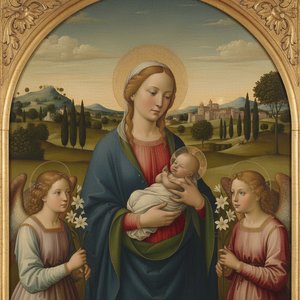
Pietro Perugino: A Renaissance Master's Legacy of Grace & Spiritual Depth
Explore the serene beauty & spiritual depth of Pietro Perugino's Renaissance masterpieces. Discover his influence on Raphael, key works like 'Baptism of Christ,' and legacy as a leading Umbrian painter.

Masterpieces of Grandeur: The Top 25 Artworks by Paolo Veronese
Step into the opulence of the Venetian Renaissance with our curated guide to the top 25 Paolo Veronese masterpieces. From grand feasts to luminous colors, explore the stories behind these timeless icons and find museum-quality reproductions. Discover all masterpieces on OriginalUniqueArt.com.

Masterpieces of Grandeur: The Top 25 Artworks by Paolo Veronese
Step into the opulence of the Venetian Renaissance with our curated guide to the top 25 Paolo Veronese masterpieces. Explore legendary tales of color, drama, and grandeur through museum-quality art reproductions for your collection. Discover all masterpieces on OriginalUniqueArt.com.