

 Pregledaj u stvarnoj veličini
 Pošalji
 Podijeli
 Detalji o umjetničkom djelu

 Preuzmi
 Slični predmeti
 Rentgenska snimka
 Automatska prezentacija
Untitled


 Prikaži više
Ručno rađena uljana reprodukcija
Ručno oslikano uljanim bojama na platnu u dimenzijama i okviru po vašem izboru, izrađeno po narudžbi od strane naših umjetnika. ( Kupi print Kupi digitalnu sliku)




































Odaberite jednu od naših unaprijed definiranih veličina koje odgovaraju izvornim proporcijama umjetničkog djela.

Možete unijeti vlastite dimenzije kako bi odgovarale određenom okviru ili prostoru. Ako odabrana veličina ne odgovara proporcijama izvorne slike, izrezat ćemo umjetničko djelo ili proširiti sliku dodatnim ručno oslikanim elementima. Digitalni nacrt bit će vam poslan na odobrenje prije početka proizvodnje.
Imajte na umu da pregled na ekranu ne prikazuje stvarno izrezivanje ili proširivanje. Samo će nacrt točno prikazati konačni sastav.
Iako su dostupne prilagođene veličine, preporučujemo odabir dimenzije s preddefiniranog popisa kako bismo očuvali izvorne proporcije.
Nakon narudžbe, tim OriginalUniqueArt.com kontaktirat će klijenta putem e-pošte radi dobivanja uputa te dostaviti probni prikaz (mockup).
Isporuka širom svijeta () u roku od 3-4 tjedna umjesto standardnih 5 tjedana. (6 Rujan). Bez kompromisa u kvaliteti.

Besplatna ekspresna dostava širom svijeta

Visokokvalitetno laneno platno

Potpuno osiguranje dostave

Jamstvo povrata carine i uvoznih poreza

Garancija vjernog podudaranja boja

Politika povrata u roku od 100 dana (samo u slučaju nedostataka)

Jamstvo povrata 100% novca

Popust na više proizvoda
 Opcija stakla dostupna je samo za dimenzije manje od 110 cm

Untitled
Tehnika reprodukcije
Veličina reprodukcije
-


Ukupna cijena
$ 350
Biografija umjetnika
Pierre Guyotat: A Literary Wasteland Forged in Algerian Fire
Born in Bourg-Argenta, France, in 1940, Pierre Guyotat’s life was profoundly shaped by the trauma of his childhood and the brutal realities of war. His early years were marked by a deep connection to art – he initially aspired to be a painter, drawn to the radical expressionism of Picasso and Matisse – but these aspirations were interrupted by the Second World War and the subsequent occupation of France. The experience of witnessing violence and injustice during this period became the bedrock of his literary vision, informing a body of work that relentlessly confronts the darkest aspects of human existence.
- Early Influences: Guyotat’s artistic development was initially rooted in classical painting but quickly evolved towards a more experimental approach, influenced by the burgeoning avant-garde movements of the mid-20th century.
- The Algerian War: The pivotal moment in his life and career arrived with his deployment to Algeria in 1960. His experiences as a French soldier within the ranks of the colonial army ignited a fierce anti-colonial sentiment and exposed him to the horrors of war, shaping his distinctive literary style.
- Literary Outlaw: This period led to his arrest for inciting desertion, an act that cemented his reputation as a literary rebel and earned him the respect (and ire) of fellow intellectuals like Jean Genet.
The Birth of a Unique Literary Voice
Guyotat’s writing is immediately recognizable for its radical departure from conventional narrative structures and linguistic norms. He deliberately destabilizes language, employing fragmented sentences, obscene imagery, and a relentless assault on established literary conventions. His work isn't about telling stories in the traditional sense; it’s about exposing the raw, often grotesque, realities of human experience – particularly those associated with violence, sexuality, and power.
- Tombeau pour Cinq Cent Mille Soldats (1967): This novel, arguably his most famous work, recounts his experiences as a soldier in Algeria. It’s a harrowing account of war's brutality, replete with graphic depictions of violence and sexual encounters, which led to its initial banning by the French government. The book’s controversial nature cemented Guyotat’s status as a literary provocateur.
- Eden, Eden, Eden (1970): Even more explicitly challenging than *Tombeau*, this novel pushed the boundaries of acceptability with its extended, unbroken sentence and its unflinching exploration of taboo subjects. The government's attempt to suppress it – ultimately unsuccessful – further solidified Guyotat’s position as a literary dissident.
- Experimental Techniques: He frequently employed techniques such as continuous sentences, phonetic transcriptions, and neologisms to disrupt conventional language and create a visceral, almost hallucinatory effect on the reader.
A World of Imaginary War Zones
Many of Guyotat’s novels are set within meticulously constructed imaginary war zones – desolate landscapes populated by grotesque characters engaged in perpetual conflict. These fictional settings serve as metaphors for the horrors of real-world violence and exploitation, allowing him to explore themes of power, corruption, and the dehumanizing effects of war without being constrained by historical accuracy.
- Recurring Themes: Recurring motifs include sexual violence, exploitation, and the breakdown of social order.
- North African Setting: The North African setting—often a distorted reflection of reality—becomes a symbolic space for confronting colonial legacies and exploring themes of identity and displacement.
- Beyond Narrative: Guyotat’s novels often prioritize sensory experience and emotional impact over traditional narrative structure, creating a deeply immersive and unsettling reading experience.
Later Works and Legacy
Despite the controversies surrounding his earlier work, Guyotat continued to produce challenging and innovative writing throughout his career. His later novels, such as *Idiotie* (2018), which won the Prix Medicis, demonstrated a shift towards more introspective themes while retaining his characteristic stylistic experimentation. His final works explored themes of aging, memory, and the fragility of human existence.
- Prix Medicis: *Idiotie* (2018) earned him critical acclaim and solidified his place as a major figure in contemporary French literature.
- Continued Innovation: Even in his later years, Guyotat remained committed to pushing the boundaries of language and challenging conventional literary norms.
- Lasting Influence: Pierre Guyotat’s work continues to provoke debate and inspire artists across a range of disciplines, cementing his legacy as a truly unique and uncompromising voice in 20th-century literature.
Guyotat's life ended on February 7, 2020, leaving behind a vast and challenging body of work that continues to resonate with readers and artists alike. His novels remain potent reminders of the dark side of human nature and the enduring power of language to confront even the most uncomfortable truths.

Pierre Guyotat
1940 - 2020 , France
Osnovne informacije
- Artistic Movement Or Style: Literary avant-garde
- Artists Or Movements Influenced By This Artist:
- Genet
- White
- Artists Who Influenced This Artist:
- Picasso
- Matisse
- Date Of Birth: January 9, 1940
- Date Of Death: February 7, 2020
- Full Name: Pierre Guyotat
- Nationality: French
- Notable Artworks:
- Tombeau pour 500,000 Soldiers
- Eden, Eden, Eden
- Idiotie
- Place Of Birth: Bourget-les-Auges, France
Srodni članci

White on Canvas: 10 Masterpieces & Timeless Elegance for Your Home Decor
Explore 10 iconic white paintings by Monet, Whistler & Rothko! Discover the stories behind these serene masterpieces and their impact on art history. Find museum-quality reproductions for your home decor at .
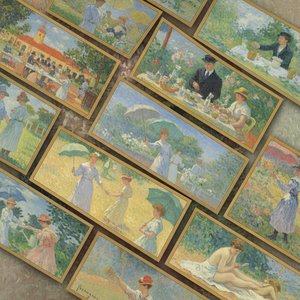
Pierre-Auguste Renoir: 25 Remek-djela Impresionizma za Uljepšanje Vašeg Doma | OriginalUniqueArt
Uronite u svijet Pierre-Auguste Renoira! Otkrijte 25 remek-djela impresionizma, priče iza slika i tehničku genijalnost ovog francuskog umjetnika. Kupite vrhunske reprodukcije na OriginalUniqueArt.com i uljepšajte svoj dom.

Dark Masterpieces: 10 Iconic Paintings Dominated by Black Tones |
Explore 10 iconic paintings dominated by black tones, from Rembrandt’s chiaroscuro to Goya's dark expressions. Discover the stories behind these masterpieces & find museum-quality art reproductions for your home at .

Monochrome Visions: Exploring the Aesthetic & Historical Significance of Black & White Photography
Explore the rich history & artistic power of black and white photography. From early techniques to iconic masters like Ansel Adams, discover why monochrome continues to captivate art lovers today. Expert insights for collectors.

Monochrome Edge: The Ultimate Design Flex—Level Up Your Space with Bold Black & White Art
Master the monochrome aesthetic with high-impact Black & White art from OriginalUniqueArt.com. From custom hand-painted oils to iconic pop culture remixes, discover the ultimate design flex for your urban space. Elevate your decor with bold, premium, and timeless monochrome masterpieces.