
 Pregledaj u realnoj veličini
 Pošalji
 Podijeli
 Detalji o umjetničkom djelu
 Vodič
Vodič

 Preuzmi umjetničko djelo
 Slični predmeti
 Rentgenska snimka
 Slide show
 Pitanja i odgovori
 Statistika
Woman Picking Flowers


 Prikaži više
Giclée / Umjetnički otisak
Giclée tisak muzejske kvalitete ili otisak na platnu uz brzu izradu i raznolike opcije završne obrade. ( Kupi ručno oslikano djelo Prebacite na digitalnu sliku)




P118B €10

P118H €10

P118W €10

P438Z €10

P508JH €12

P508YH €12

P805H €10

P805Z €10

P919BZ €10

P919G €10

P919XJ €10

P959ZH €10

P968JZ €12

W106C €8

W218G €10

W218JH €8

W218Y €10

W307PJ €10

W316G €10

W316PJ €8

W316Y €10

W398PJ €8

W4111J €10

W500HY €15

W500JH €15

W692G €12

W849H €8

W940BG €15

W953PJ €8




Odaberite jednu od naših unaprijed definiranih veličina koje odgovaraju izvornim proporcijama umjetničkog djela.

Unesite potrebnu širinu i visinu kako bi odgovarali vašem okviru ili zidu. Print se može samo izrezati, nikada ne može biti veći od slike, stoga format s drugačijim omjerom stranica uzrokuje gubitak dijela slike. Prije bilo kakve štampe šaljemo vam digitalni prikaz (mockup) na odobrenje. Slika prikazana na ovoj stranici ne prikazuje stvarni rez — to prikazuje isključivo digitalni prikaz.
Dostava širom svijeta () u roku od 2 tjedna umjesto standardnih 4/5 tjedana. (7 Studeni)

Besplatna ekspresna dostava širom svijeta

Visokokvalitetno laneno platno

Potpuno osiguranje dostave

Jamstvo povrata carine i uvoznih poreza

Jamstvo vjernosti boja

Politika povrata u roku od 100 dana (samo u slučaju nedostataka)

Jamstvo povrata 100% novca

Popust na više proizvoda
 Opcija stakla dostupna je samo za dimenzije manje od 110 cm

Woman Picking Flowers
Giclée / Umjetnički otisak
Veličina reprodukcije
-


Ukupna cijena
€ 72
A Moment Frozen in Impressionistic Light: Exploring Pierre Bonnard’s “Woman Picking Flowers”
Pierre Bonnard’s “Woman Picking Flowers,” painted circa 1899, isn't merely a depiction of a rural pastime; it’s an exquisitely crafted distillation of the artist’s signature style—a luminous exploration of color and form that encapsulates the spirit of Impressionism while retaining a profound intimacy. Held in the Musée d’Orsay, Paris, this artwork exemplifies Bonnard’s masterful ability to capture not just what he sees but how he feels about it.
- Subject Matter & Composition: The painting portrays a woman seated on a grassy knoll amidst a blossoming apple tree and rolling hills. Bonnard eschews precise anatomical detail, prioritizing instead the overall atmosphere—a hazy afternoon bathed in diffused sunlight. The composition is deliberately asymmetrical, drawing the eye upwards towards the tree canopy and creating a sense of expansive space.
- Style & Technique: Bonnard’s Impressionistic approach is characterized by loose brushstrokes that blend seamlessly together, prioritizing color over meticulous realism. Thick impasto—heavy application of paint—creates textural surfaces that vibrate with vibrancy. Notice how Bonnard employs patches of pure color—particularly yellows and greens—to illuminate the scene and convey a palpable sense of warmth.
- Color Palette & Light: The dominant hues are muted greens and browns, punctuated by splashes of lemon yellow and creamy white. Bonnard skillfully manipulates light to create an ethereal glow, suggesting an overcast day yet imbuing the landscape with a feeling of serenity. The subtle gradations of color contribute to the painting’s atmospheric depth.
- Symbolism & Emotional Impact: Beyond its visual beauty, “Woman Picking Flowers” resonates with symbolic significance. The apple tree—a motif frequently revisited by Bonnard—represents fertility and renewal, mirroring the woman's activity as she gathers flowers. More broadly, the painting evokes a mood of contemplative peace—a quiet appreciation for the natural world and a celebration of simple pleasures.
- Historical Context: Bonnard’s work emerged during a pivotal period in art history—the waning years of Impressionism and the burgeoning influence of Symbolism. He skillfully blended elements of both movements, forging his own distinctive aesthetic that anticipated developments in Modern Art. “Woman Picking Flowers” stands as a testament to Bonnard's enduring legacy as one of France’s most beloved painters.
This artwork is more than just pigment on canvas; it’s an invitation to experience the world through Bonnard’s perceptive gaze—a reminder that beauty can be found in unexpected places and that art possesses the power to transport us beyond the confines of everyday life. Its luminous colors and tranquil composition continue to inspire collectors and interior designers alike.
Pitanja i odgovori
Kolika je zasićenost boja u djelu "Woman Picking Flowers" autora Pierre Bonnard?
Paleta djela "Woman Picking Flowers" ima Balanced Soft zasićenost.
Mogu li pregledati "Woman Picking Flowers" autora Pierre Bonnard prije narudžbe?
Kako biste pregledali reprodukciju djela "Woman Picking Flowers" autora Pierre Bonnard, otvorite stranicu Pregled u prostoru tog umjetničkog djela.
O kojoj se vrsti umjetničkog djela radi kod "Woman Picking Flowers" autora Pierre Bonnard?
"Woman Picking Flowers" autora Pierre Bonnard klasificirano je kao WallArt. Ova kategorija opisuje vrstu umjetničkog djela kojem original pripada.
Biografija umjetnika
Pierre Bonnard (1867-1947): A Life Bathed in Light
Pierre Bonnard, born October 3, 1867, in Fontenay-aux-Roses, France – a suburb of Paris – wasn’t initially destined for artistic pursuits. His father, Henri Bonnard, was a distinguished civil servant within the French Ministry of War, prioritizing a legal education for his son. Young Pierre dutifully embraced this path, securing his law degree in 1888, yet his soul yearned for something more vibrant – the captivating realm of color and form. This inherent duality—the clash between expectation and passion—would subtly permeate his artistic journey, imbuing his canvases with a profound intimacy rarely found elsewhere. He began his artistic explorations as a caricaturist, honing an observational skill that would later transform into exquisitely rendered depictions of domestic life.Early Influences & The Nabi Movement
His formative years coincided with the burgeoning Impressionist movement and its revolutionary challenge to academic conventions. However, Bonnard’s true artistic awakening occurred at the Académie Julian, where he encountered kindred spirits who shared his rejection of rigid formalism and embraced the avant-garde spirit dominating Parisian art circles. This pivotal encounter propelled him into the orbit of Les Nabis – Maurice Denis, Paul Sérusier, Édouard Vuillard – a collective dedicated to elevating art beyond mere representation, delving instead into explorations of inner experience and spiritual symbolism. The Nabi’s fascination with Japanese prints—their understated elegance and harmonious compositions—served as an undeniable catalyst for Bonnard's stylistic evolution. He wasn’t seeking grand narratives; he sought to capture the essence of human emotion within tranquil landscapes and intimate interiors.The Intimist Style: Color as Emotion
Bonnard’s artistic signature – “Intimism” – emerged from this core conviction: that beauty resided not in theatrical grandeur but in quiet observation. He eschewed meticulous detail, prioritizing instead a luminous palette informed by memory and emotion. Unlike Impressionists who aimed to capture fleeting moments of light, Bonnard meticulously revisited completed canvases, subtly adjusting hues across multiple works to achieve perfect chromatic balance – an act reflecting his unwavering dedication to achieving visual harmony. His landscapes weren’t merely scenic vistas; they were expressions of feeling—filtered through the prism of personal perception. He approached painting with a meditative stillness, allowing color and light to guide him toward conveying profound psychological resonance.Notable Works & Artistic Legacy
Bonnard's oeuvre boasts iconic pieces that exemplify his distinctive style: “Woman in Checkered Dress” (1890), showcasing flattened forms and bold color harmonies; "The Dining Room" (1913), encapsulating the warmth of domesticity with remarkable sensitivity; “Bowl of Fruit” (c. 1933), demonstrating mastery of still life through luminous depth; and “The Almond Tree in Blossom” (1947), completed shortly before his passing, reaffirming his unwavering commitment to color and light’s expressive potential. His works are housed in prestigious museums globally – Musée Marmottan Monet, Paris; Art Institute of Chicago; Museum of Modern Art, New York City; Tate Modern, London – securing his place as a cornerstone of modern art history. Bonnard's influence extends far beyond his immediate contemporaries, inspiring subsequent generations of artists to prioritize emotional depth and chromatic nuance over literal accuracy. He demonstrated that profound artistic achievement could be realized through embracing simplicity and capturing the subtle beauty inherent in everyday life—a legacy eternally bathed in light.Later Life & Parisian Residence
Bonnard’s final years were spent primarily in Vernet, France – a picturesque village nestled near Giverny, where Claude Monet cultivated his Impressionist vision. He maintained close friendships with Monet and fellow artists, continually refining his technique and deepening his engagement with color theory. His relationship with Marthe de Meligny—his lifelong companion and muse—provided him with an enduring source of inspiration, portraying her frequently in serene domestic scenes that radiated grace and intimacy. Bonnard’s artistic journey culminated in 1947, leaving behind a body of work that continues to captivate audiences worldwide and solidify his position as one of the most celebrated colorists of the twentieth century.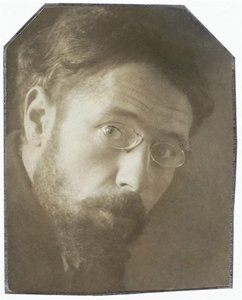
Pierre Bonnard
1867 - 1947 , Francuska
Osnovne informacije
- Artistic Movement Or Style: Postimpresionizam
- Artists Or Movements Influenced By This Artist: ['Les Nabis']
- Artists Who Influenced This Artist:
- Paul Gauguin
- Hokusai
- Date Of Birth: 1867.
- Date Of Death: 1947.
- Full Name: Pierre Bonnard
- Nationality: Francuz
- Notable Artworks:
- Žena u kockastom haljotu
- Orašar u cvjetu
- Place Of Birth: Fontenay-aux-Roses, Francija
Srodni članci

Impressionistic Landscapes: 10 Masterpieces That Changed Art & Decor
Journey into the heart of Impressionism! Explore 10 masterpieces by Monet, Renoir & Degas that revolutionized landscape art. Discover their stories, techniques & find museum-quality reproductions to elevate your home decor on OriginalUniqueArt.com.

Pierre-Auguste Renoir: 25 Remek-djela Impresionizma za Uljepšanje Vašeg Doma | OriginalUniqueArt
Uronite u svijet Pierre-Auguste Renoira! Otkrijte 25 remek-djela impresionizma, priče iza slika i tehničku genijalnost ovog francuskog umjetnika. Kupite vrhunske reprodukcije na OriginalUniqueArt.com i uljepšajte svoj dom.

Georges Seurat: 25 Remek-djela Pointilizma za Uljepšanje Vašeg Prostora | OriginalUniqueArt
Uronite u svijet Georges Seurata i njegovih 25 remek-djela pointilizma! Otkrijte priče iza ikonskih slika, tehniku chromoluminarizma i inspiraciju za vaš dom. Reprodukcije vrhunske kvalitete dostupne na OriginalUniqueArt.com.

Evocations of Place: A Historical Journey Through Landscape Art
Explore the rich history of landscape art with OriginalUniqueArt. Discover renowned artists, movements like Impressionism & Romanticism, and expert guidance for collecting timeless pieces. Find your perfect serene escape today!

Top 10 Impresionističkih Krajolika: Majstorski Otisci U Umjetnosti i Dekoraciji
Otkrijte 10 remek-djela impresionizma koja su definirala krajolik! Uronite u svijet Moneta, Renoira i Pissarra. Inspirirajte se umjetnošću i pronađite savršenu reprodukciju za svoj interijer na OriginalUniqueArt.com.


