
 Pregledaj u realnoj veličini
 Pošalji
 Podijeli
 Detalji o umjetničkom djelu
 Vodič
Vodič

 Preuzmi umjetničko djelo
 Slični predmeti
 Rentgenska snimka
 Slide show
 Pitanja i odgovori
 Statistika
Sombre Nude

- 65.0 x 81.0 cm


 Prikaži više
Giclée / Umjetnički otisak
Giclée tisak muzejske kvalitete ili otisak na platnu uz brzu izradu i raznolike opcije završne obrade. ( Kupi ručno oslikano djelo Prebacite na digitalnu sliku)




P118B €10

P118H €10

P118W €10

P438Z €10

P508JH €12

P508YH €12

P805H €10

P805Z €10

P919BZ €10

P919G €10

P919XJ €10

P959ZH €10

P968JZ €12

W106C €8

W218G €10

W218JH €8

W218Y €10

W307PJ €10

W316G €10

W316PJ €8

W316Y €10

W398PJ €8

W4111J €10

W500HY €15

W500JH €15

W692G €12

W849H €8

W940BG €15

W953PJ €8




Odaberite jednu od naših unaprijed definiranih veličina koje odgovaraju izvornim proporcijama umjetničkog djela.

Unesite potrebnu širinu i visinu kako bi odgovarali vašem okviru ili zidu. Print se može samo izrezati, nikada ne može biti veći od slike, stoga format s drugačijim omjerom stranica uzrokuje gubitak dijela slike. Prije bilo kakve štampe šaljemo vam digitalni prikaz (mockup) na odobrenje. Slika prikazana na ovoj stranici ne prikazuje stvarni rez — to prikazuje isključivo digitalni prikaz.
Dostava širom svijeta () u roku od 2 tjedna umjesto standardnih 4/5 tjedana. (4 Studeni)

Besplatna ekspresna dostava širom svijeta

Visokokvalitetno laneno platno

Potpuno osiguranje dostave

Jamstvo povrata carine i uvoznih poreza

Jamstvo vjernosti boja

Politika povrata u roku od 100 dana (samo u slučaju nedostataka)

Jamstvo povrata 100% novca

Popust na više proizvoda
 Opcija stakla dostupna je samo za dimenzije manje od 110 cm

Sombre Nude
Giclée / Umjetnički otisak
Veličina reprodukcije
-


Ukupna cijena
€ 72
A Study in Warmth and Intimacy: Pierre Bonnard’s *Sombre Nude*
Pierre Bonnard's Sombre Nude, painted in 1941, offers a poignant glimpse into the artist’s masterful exploration of light, color, and human form. This intimate scene, measuring 65 x 81 cm, transcends mere representation; it is an embodiment of Bonnard’s deeply personal vision, reflecting his evolving approach to capturing fleeting moments of domestic tranquility. The painting depicts a woman seated on the ground, her back turned towards the viewer, enveloped in a warm palette dominated by rich reds and yellows. This deliberate use of color isn't simply decorative; it speaks to Bonnard’s fascination with the effects of light and shadow, particularly as he observed them within his own studio.
- Subject Matter: The nude figure is presented not in a classical, heroic pose but rather in a vulnerable, almost meditative state. This departure from traditional nudes aligns with Bonnard’s broader rejection of academic conventions and his desire to depict the everyday realities of life.
- Color Palette: The dominant reds and yellows evoke a sense of warmth and intimacy, reminiscent of candlelight or the glow of a hearth – elements frequently found in Bonnard's depictions of domestic interiors.
- Composition: The dynamic composition draws the eye to the central figure, while the subtle inclusion of leaves in the upper right corner introduces an element of naturalism, grounding the scene and suggesting a connection to the outside world.
The Nabis Influence and Bonnard’s Artistic Evolution
Painted during a pivotal period in Bonnard's career, *Sombre Nude* reflects his ongoing engagement with the Nabis movement. This group of artists, deeply influenced by Japanese prints and Symbolist ideals, sought to evoke emotion through color and atmosphere rather than strict realism. The Nabis’ emphasis on subjective experience is clearly evident here – Bonnard isn’t simply painting a woman; he's conveying a mood, an impression, a feeling of quiet contemplation. His earlier work in caricature provided him with a keen eye for detail and observation, skills that he skillfully employed to create this evocative image. The subtle distortions of form and the emphasis on color contribute to the painting’s dreamlike quality.
Historical Context: The painting was created in 1941, during the tumultuous years of World War II. This period undoubtedly influenced Bonnard's work, adding a layer of melancholy and introspection to his art. The war served as a backdrop for many artists’ reflections on mortality and the fragility of human existence.Technique and Materiality: A Masterclass in Impressionism
Bonnard’s technique is characterized by loose brushstrokes, layered color washes, and a deliberate avoidance of sharp outlines. He employed a glazing method – applying thin layers of transparent paint over one another – to build up depth and luminosity. This meticulous process allowed him to capture the subtle nuances of light and shadow with remarkable precision. The use of thick impasto in certain areas adds textural richness, further enhancing the painting’s tactile quality. The canvas itself is a crucial element; Bonnard's skillful manipulation of surface texture contributes significantly to the overall effect.
Symbolism and Emotional Resonance
*Sombre Nude* resonates with a profound sense of quiet solitude and introspection. The woman’s averted gaze invites the viewer into her private world, prompting contemplation about themes of vulnerability, beauty, and the passage of time. The warm color palette contributes to this emotional impact, creating an atmosphere of serenity and melancholy. This painting is not merely a depiction of a nude figure; it's a meditation on the human condition, rendered with Bonnard’s signature sensitivity and artistic brilliance.
Pitanja i odgovori
Koje emocije prenosi "Sombre Nude" autora Pierre Bonnard?
Emocionalni ton zabilježen za "Sombre Nude" autora Pierre Bonnard je Melancholic, što sažima osjećaj koji ovo djelo izražava.
Koliko su boje djela "Sombre Nude" međusobno u harmoniji?
"Sombre Nude" autora Pierre Bonnard prikazuje Strong Color Unity kolorističku harmoniju.
Kako se "Sombre Nude" uklapa u teme i stil umjetnika Pierre Bonnard?
"Sombre Nude" dijeli s ostalim djelima Pierre Bonnard njezin/njezin Nabis Nabis stil i prisutne teme: nabis aesthetic influence, domestic interior scenes, color exploration, harmony, warm tonal palette, bonnard’s intimate style.
Biografija umjetnika
Pierre Bonnard (1867-1947): A Life Bathed in Light
Pierre Bonnard, born October 3, 1867, in Fontenay-aux-Roses, France – a suburb of Paris – wasn’t initially destined for artistic pursuits. His father, Henri Bonnard, was a distinguished civil servant within the French Ministry of War, prioritizing a legal education for his son. Young Pierre dutifully embraced this path, securing his law degree in 1888, yet his soul yearned for something more vibrant – the captivating realm of color and form. This inherent duality—the clash between expectation and passion—would subtly permeate his artistic journey, imbuing his canvases with a profound intimacy rarely found elsewhere. He began his artistic explorations as a caricaturist, honing an observational skill that would later transform into exquisitely rendered depictions of domestic life.Early Influences & The Nabi Movement
His formative years coincided with the burgeoning Impressionist movement and its revolutionary challenge to academic conventions. However, Bonnard’s true artistic awakening occurred at the Académie Julian, where he encountered kindred spirits who shared his rejection of rigid formalism and embraced the avant-garde spirit dominating Parisian art circles. This pivotal encounter propelled him into the orbit of Les Nabis – Maurice Denis, Paul Sérusier, Édouard Vuillard – a collective dedicated to elevating art beyond mere representation, delving instead into explorations of inner experience and spiritual symbolism. The Nabi’s fascination with Japanese prints—their understated elegance and harmonious compositions—served as an undeniable catalyst for Bonnard's stylistic evolution. He wasn’t seeking grand narratives; he sought to capture the essence of human emotion within tranquil landscapes and intimate interiors.The Intimist Style: Color as Emotion
Bonnard’s artistic signature – “Intimism” – emerged from this core conviction: that beauty resided not in theatrical grandeur but in quiet observation. He eschewed meticulous detail, prioritizing instead a luminous palette informed by memory and emotion. Unlike Impressionists who aimed to capture fleeting moments of light, Bonnard meticulously revisited completed canvases, subtly adjusting hues across multiple works to achieve perfect chromatic balance – an act reflecting his unwavering dedication to achieving visual harmony. His landscapes weren’t merely scenic vistas; they were expressions of feeling—filtered through the prism of personal perception. He approached painting with a meditative stillness, allowing color and light to guide him toward conveying profound psychological resonance.Notable Works & Artistic Legacy
Bonnard's oeuvre boasts iconic pieces that exemplify his distinctive style: “Woman in Checkered Dress” (1890), showcasing flattened forms and bold color harmonies; "The Dining Room" (1913), encapsulating the warmth of domesticity with remarkable sensitivity; “Bowl of Fruit” (c. 1933), demonstrating mastery of still life through luminous depth; and “The Almond Tree in Blossom” (1947), completed shortly before his passing, reaffirming his unwavering commitment to color and light’s expressive potential. His works are housed in prestigious museums globally – Musée Marmottan Monet, Paris; Art Institute of Chicago; Museum of Modern Art, New York City; Tate Modern, London – securing his place as a cornerstone of modern art history. Bonnard's influence extends far beyond his immediate contemporaries, inspiring subsequent generations of artists to prioritize emotional depth and chromatic nuance over literal accuracy. He demonstrated that profound artistic achievement could be realized through embracing simplicity and capturing the subtle beauty inherent in everyday life—a legacy eternally bathed in light.Later Life & Parisian Residence
Bonnard’s final years were spent primarily in Vernet, France – a picturesque village nestled near Giverny, where Claude Monet cultivated his Impressionist vision. He maintained close friendships with Monet and fellow artists, continually refining his technique and deepening his engagement with color theory. His relationship with Marthe de Meligny—his lifelong companion and muse—provided him with an enduring source of inspiration, portraying her frequently in serene domestic scenes that radiated grace and intimacy. Bonnard’s artistic journey culminated in 1947, leaving behind a body of work that continues to captivate audiences worldwide and solidify his position as one of the most celebrated colorists of the twentieth century.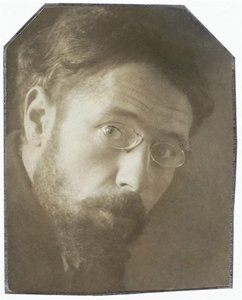
Pierre Bonnard
1867 - 1947 , Francuska
Osnovne informacije
- Artistic Movement Or Style: Postimpresionizam
- Artists Or Movements Influenced By This Artist: ['Les Nabis']
- Artists Who Influenced This Artist:
- Paul Gauguin
- Hokusai
- Date Of Birth: 1867.
- Date Of Death: 1947.
- Full Name: Pierre Bonnard
- Nationality: Francuz
- Notable Artworks:
- Žena u kockastom haljotu
- Orašar u cvjetu
- Place Of Birth: Fontenay-aux-Roses, Francija
Srodni članci

Giclée Prints: Archival Quality & Aesthetic Nuances for the Discerning Collector
Explore the world of giclée prints with OriginalUniqueArt. Learn about archival quality, aesthetic nuances & investment potential. Expert guidance for discerning art collectors seeking museum-quality reproductions and lasting value.
Golden Hues: 10 Masterpieces Dominated by Chrome Yellow | OriginalUniqueArt
Immerse yourself in golden light! Explore 10 famous paintings dominated by 'Chrome Yellow', from Van Gogh’s Sunflowers to Monet's Haystacks. Discover the stories behind these iconic Impressionist & Post-Impressionist masterpieces and find museum-quality art reproductions at OriginalUniqueArt.com.
Transforming Spaces: A Comprehensive Exploration of Wall Decor Through Art History & Contemporary Practice
Explore the art of transforming spaces with our comprehensive guide to wall decor. From historical movements to contemporary trends, discover how to curate impactful interiors and commission bespoke artwork for a truly personalized aesthetic.

Henri Matisse: 25 Remek-djela koje morate vidjeti | OriginalUniqueArt.hr
Uronite u svijet Henri Matissea! Otkrijte 25 remek-djela Fauvizma i moderne umjetnosti. Priče iza slika, boje i tehnike slavnog umjetnika. Pronađite savršenu reprodukciju za vaš interijer na OriginalUniqueArt.com.
Golden Hues: Top 10 Paintings Dominated by Yellow Ochre |
Explore 10 iconic paintings bathed in golden yellow ochre! From Van Gogh's sunflowers to Monet’s haystacks, discover the stories behind these masterpieces. Find museum-quality art reproductions & elevate your home decor on .


