

 Pregledaj u stvarnoj veličini
 Pošalji
 Podijeli
 Detalji o umjetničkom djelu

 Preuzmi
 Slični predmeti
 Rentgenska snimka
 Automatska prezentacija
Landscape in Normady
 Oil On Canvas
- WallArt
- Post-Impressionism
 1920
1920- Modern
 100.0 x 60.0 cm
 Prikaži više
Kupite digitalnu sliku visoke rezolucije i poboljšane kvalitete, koja je znatno superiornija od online prikaza.
Svaka datoteka pedantno je pripremljena od strane naših internih stručnjaka koristeći napredne alate i vještinsku ručnu retušu. Osiguravamo da svaka slika ima iznimnu jasnoću, preciznu točnost boja i visoku razinu detalja.
Konačna datoteka dostavlja se putem e-pošte u roku od 72 sata, optimizirana za neposrednu upotrebu u profesionalnim, uredničkim i tiskarskim okruženjima. To je ista kvaliteta kojoj vjeruju vrhunski studiji dizajna, izdavači i galerije.
Digitalna slika
Preuzmite datoteku visoke rezolucije za osobnu izložbu, tisak i kreativne projekte. ( Kupi print Kupi ručno naslikanu sliku)
Uključeno uz svaku narudžbu digitalne slike
Profesionalna digitalna dostava, zajamčena
Odabirom OriginalUniqueArt.com ne dobivate samo sliku – dobivate profesionalno unapređeno digitalno umjetničko djelo, izrađeno s najvećom preciznošću uz jamstvo zadovoljstva. Evo svega što automatski dolazi uz vašu narudžbu:

Brza dostava e-poštom
Vaša digitalna slika visoke rezolucije bit će vam poslana e-mailom u roku od 72 sata od narudžbe – spremna za neposrednu upotrebu.

Digitalna datoteka poboljšana AI-om
Vaše umjetničko djelo profesionalno je optimizirano pomoću naprednih AI alata i ručnog uređivanja, čime se osigurava maksimalna razina detalja, oštrine i točnosti boja.

Besplatna ponovna dostava doživotno
Slučajno ste obrisali ili izgubili svoju datoteku? Ne brinite – ponovno ćemo vam je poslati u bilo kojem trenutku, potpuno besplatno.

Bez uvoznih carina – ikada
Uživajte u svojim umjetničkim djelima trenutno, bez carina, pristojbi ili troškova dostave – digitalne datoteke uvijek su oslobođene poreza.

Jamstvo točnosti boja
Uz pomoć profesionalnih alata i upravljanja bojama, osiguravamo da vaša digitalna slika što vjernije odražava izvorne boje.

Jamstvo zadovoljstva u trajanju od 60 dana
Ako niste zadovoljni svojom digitalnom slikom, revidirat ćemo je ili vratiti 100% novca u roku od 60 dana – bez ikakvih pitanja.

100% Jamstvo povrata novca
Niste zadovoljni? Osigurajte puni povrat novca u roku od 60 dana od primitka vaše digitalne datoteke – bez suvišnih pitanja.

Popusti na velike narudžbe
Kupite 3 slike, uštedite 10% - Kupite 5 slika, uštedite 15% - Kupite 10+ slika, uštedite 20%. Odlično za kreativne projekte, galerije i agencije.
Opis kolekcionarskog djela
A Symphony of Light and Verdure
In the gentle embrace of Pierre Bonnard’s Landscape in Normandy, we find ourselves transported to a world where the boundaries between reality and memory begin to dissolve. Painted in 1920, this masterpiece serves as a breathtaking testament to the Post-Impressionist spirit, capturing not just a physical location, but an emotional atmosphere. The canvas unfolds with a lush, vibrant green field that seems to pulse with life, stretching toward a horizon where the earth meets a crystalline blue sky. Bonnard, a master of the Nabis movement, utilizes a palette that feels both deeply grounded in nature and dreamily elevated by light. The composition is anchored by dark, intricate trees that provide a rhythmic structure to the scene, their silhouettes acting as delicate lace against the vastness of the heavens.
The technique employed here is nothing short of hypnotic. Eschewing the rigid lines of academic tradition, Bonnard utilizes loose, expressive brushstrokes that allow colors to bleed and dance into one another. This method creates a sense of movement, as if a soft breeze is passing through the foliage at the very moment we gaze upon it. The interplay of light and shadow is particularly masterful; the artist does not merely depict sunlight, but rather captures its warmth and its transformative power over the landscape. For the discerning collector or interior designer, this painting offers a profound sense of depth and three-dimensionality, making it a centerpiece capable of breathing vitality into any sophisticated space.
The Intimacy of the French Landscape
Beyond the technical brilliance lies a deeper, more poignant narrative. During this period of his life, Bonnard was deeply invested in capturing the quiet, domestic, and pastoral rhythms of French life. In Landscape in Normandy, the inclusion of small, indistinct figures adds a layer of human connection to the sprawling natural world. These tiny silhouettes do not dominate the scene; instead, they serve as anchors of scale, reminding us of our humble place within the grandeur of nature. They suggest a moment of quiet repose, a fleeting instance of peace in a world that was, in 1920, still recovering from the tremors of global conflict.
The rolling hills in the background, soft and undulating like waves of silk, contribute to an overwhelming sense of tranquility. There is a rhythmic harmony in the way the green foreground transitions into the deep tones of the middle ground, eventually yielding to the infinite blue above. This seamless flow creates a meditative experience for the viewer, inviting one to lose themselves in the pastoral beauty. For those seeking to curate an environment of serenity and elegance, this reproduction offers more than just decoration; it provides a window into a timeless, sun-drenched era of French art history, embodying a legacy of light, color, and profound emotional resonance.
Biografija umjetnika
Pierre Bonnard (1867-1947): A Life Bathed in Light
Pierre Bonnard, born October 3, 1867, in Fontenay-aux-Roses, France – a suburb of Paris – wasn’t initially destined for artistic pursuits. His father, Henri Bonnard, was a distinguished civil servant within the French Ministry of War, prioritizing a legal education for his son. Young Pierre dutifully embraced this path, securing his law degree in 1888, yet his soul yearned for something more vibrant – the captivating realm of color and form. This inherent duality—the clash between expectation and passion—would subtly permeate his artistic journey, imbuing his canvases with a profound intimacy rarely found elsewhere. He began his artistic explorations as a caricaturist, honing an observational skill that would later transform into exquisitely rendered depictions of domestic life.Early Influences & The Nabi Movement
His formative years coincided with the burgeoning Impressionist movement and its revolutionary challenge to academic conventions. However, Bonnard’s true artistic awakening occurred at the Académie Julian, where he encountered kindred spirits who shared his rejection of rigid formalism and embraced the avant-garde spirit dominating Parisian art circles. This pivotal encounter propelled him into the orbit of Les Nabis – Maurice Denis, Paul Sérusier, Édouard Vuillard – a collective dedicated to elevating art beyond mere representation, delving instead into explorations of inner experience and spiritual symbolism. The Nabi’s fascination with Japanese prints—their understated elegance and harmonious compositions—served as an undeniable catalyst for Bonnard's stylistic evolution. He wasn’t seeking grand narratives; he sought to capture the essence of human emotion within tranquil landscapes and intimate interiors.The Intimist Style: Color as Emotion
Bonnard’s artistic signature – “Intimism” – emerged from this core conviction: that beauty resided not in theatrical grandeur but in quiet observation. He eschewed meticulous detail, prioritizing instead a luminous palette informed by memory and emotion. Unlike Impressionists who aimed to capture fleeting moments of light, Bonnard meticulously revisited completed canvases, subtly adjusting hues across multiple works to achieve perfect chromatic balance – an act reflecting his unwavering dedication to achieving visual harmony. His landscapes weren’t merely scenic vistas; they were expressions of feeling—filtered through the prism of personal perception. He approached painting with a meditative stillness, allowing color and light to guide him toward conveying profound psychological resonance.Notable Works & Artistic Legacy
Bonnard's oeuvre boasts iconic pieces that exemplify his distinctive style: “Woman in Checkered Dress” (1890), showcasing flattened forms and bold color harmonies; "The Dining Room" (1913), encapsulating the warmth of domesticity with remarkable sensitivity; “Bowl of Fruit” (c. 1933), demonstrating mastery of still life through luminous depth; and “The Almond Tree in Blossom” (1947), completed shortly before his passing, reaffirming his unwavering commitment to color and light’s expressive potential. His works are housed in prestigious museums globally – Musée Marmottan Monet, Paris; Art Institute of Chicago; Museum of Modern Art, New York City; Tate Modern, London – securing his place as a cornerstone of modern art history. Bonnard's influence extends far beyond his immediate contemporaries, inspiring subsequent generations of artists to prioritize emotional depth and chromatic nuance over literal accuracy. He demonstrated that profound artistic achievement could be realized through embracing simplicity and capturing the subtle beauty inherent in everyday life—a legacy eternally bathed in light.Later Life & Parisian Residence
Bonnard’s final years were spent primarily in Vernet, France – a picturesque village nestled near Giverny, where Claude Monet cultivated his Impressionist vision. He maintained close friendships with Monet and fellow artists, continually refining his technique and deepening his engagement with color theory. His relationship with Marthe de Meligny—his lifelong companion and muse—provided him with an enduring source of inspiration, portraying her frequently in serene domestic scenes that radiated grace and intimacy. Bonnard’s artistic journey culminated in 1947, leaving behind a body of work that continues to captivate audiences worldwide and solidify his position as one of the most celebrated colorists of the twentieth century.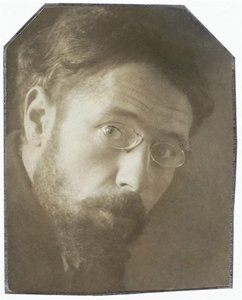
Pierre Bonnard
1867 - 1947 , Francuska
Kratke činjenice
- Artistic Movement Or Style: Postimpresionizam
- Artists Or Movements Influenced By This Artist: ['Les Nabis']
- Artists Who Influenced This Artist:
- Paul Gauguin
- Hokusai
- Date Of Birth: 1867.
- Date Of Death: 1947.
- Full Name: Pierre Bonnard
- Nationality: Francuz
- Notable Artworks:
- Žena u kockastom haljotu
- Orašar u cvjetu
- Place Of Birth: Fontenay-aux-Roses, Francija

