

 Pregledaj u stvarnoj veličini
 Podijeli
 Podijeli
 Detalji
 Vodič
Vodič

 Preuzmi datoteku
 Slični predmeti
 Rentgenska snimka
 Slide show
 Statistika
Figures in the Street
 Painting
- WallArt
- Impressionistic Landscape
 1894
1894- 19th Century
 24.0 x 25.0 cm
 Pročitajte više
Ručno rađena uljana reprodukcija
Ručno oslikano uljanim bojama na platnu u dimenzijama i okviru po vašem izboru, izrađeno po narudžbi od strane naših umjetnika. ( Prebacite na prodaju printova Prebacite na digitalnu prodaju slika)




P118B €10

P118H €10

P118W €10

P438Z €10

P508JH €12

P508YH €12

P805H €10

P805Z €10

P919BZ €10

P919G €10

P919XJ €10

P959ZH €10

P968JZ €12

W106C €8

W218G €10

W218JH €8

W218Y €10

W307PJ €10

W316G €10

W316PJ €8

W316Y €10

W398PJ €8

W4111J €10

W500HY €15

W500JH €15

W692G €12

W849H €8

W940BG €15

W953PJ €8




Odaberite jednu od naših unaprijed definiranih veličina koje odgovaraju izvornim proporcijama umjetničkog djela.

Unesite širinu i visinu koja vam je potrebna, kako bi odgovarali vašem okviru ili zidu. Budući da je ovo ručno oslikano djelo, umjetnik može malo proširiti rubove slike ili ih skratiti kako bi postigao željeni oblik — izbor je vaš. Prije početka slikanja poslat ćemo vam digitalni prikaz (mockup) radi potvrde. Slika prikazana na ovoj stranici ne predstavlja stvarni rezultat — samo digitalni prikaz to čini.
Nakon narudžbe, tim OriginalUniqueArt.com kontaktirat će klijenta putem e-pošte radi dobivanja uputa te dostaviti probni prikaz (mockup)
Isporuka širom svijeta () u roku od 3-4 tjedna umjesto standardnih 5 tjedana. (27 Listopad). Bez kompromisa u kvaliteti.

Besplatna ekspresna dostava širom svijeta

Visokokvalitetno laneno platno

Potpuno osiguranje transporta

Jamstvo povrata carine i uvoznih poreza

Jamstvo vjernosti boja

Politika povrata u roku od 100 dana (samo u slučaju nedostataka)

Jamstvo povrata 100% novca

Popust na više proizvoda
 Opcija stakla dostupna je samo za dimenzije manje od 110 cm

Figures in the Street
Tehnika izrade
Veličina reprodukcije
-


Ukupna cijena
€ 263
A Monochrome Pulse: The Rhythms of Parisian Life
In the quiet, monochromatic depths of Pierre Bonnard’s 1894 masterpiece, Figures in the Street, we are transported to a turn-of-the-century Paris that feels both hauntingly distant and vibrantly immediate. This is not merely a depiction of a city street; it is a captured heartbeat. The painting presents a lively tableau of pedestrians navigating an urban landscape, their forms emerging from the shadows of building façues with a sense of transient grace. As one’s eye wanders through the composition, the bustle of the crowd reveals itself in subtle layers—a dog wandering near the periphery, a forgotten handbag resting on the pavement, and the rhythmic movement of figures drifting through the frame. It is a snapshot of existence caught in a moment of beautiful, fleeting motion.
Bonnard, a founding member of the avant-garde Les Nabis group, masterfully blends the optical curiosity of Impressionism with the profound, emotive weight of Symbolism. While he utilizes the broken light and dappled textures characteristic of his contemporaries, he moves beyond mere visual accuracy to seek a deeper emotional resonance. In this particular work, the absence of color serves as a powerful stylistic choice. By stripping away the spectrum, Bonnard forces the viewer to confront the raw essence of form, composition, and the interplay of light and shadow. The monochrome palette amplifies the painting's expressive power, turning a simple street scene into a contemplative study of human presence within the vast, architectural theater of the city.
Technique and the Art of Subtlety
The technical execution of Figures in the Street reveals Bonnard’s profound command over medium and light. He employed a sophisticated technique involving thin washes of pigment applied in multiple, delicate layers. This method allows for a remarkable depth of texture that belies the painting's modest dimensions. Through the skillful manipulation of tonal variations, Bonnard achieves a sense of atmospheric perspective, where figures in the foreground possess a tactile clarity while those in the distance dissolve into the misty urban backdrop. There is no reliance on heavy, aggressive brushstrokes here; instead, the artist relies on subtle shifts in shading to create a world that feels as soft and ephemeral as a memory.
For the discerning collector or interior designer, this piece offers an unparalleled opportunity to introduce a sense of historical sophistication and quiet drama into a space. The artwork’s ability to command attention through nuance rather than noise makes it a perfect centerpiece for a curated gallery wall or a focal point in a minimalist study. It invites long periods of observation, rewarding the viewer with new details—a shift in a silhouette, a sudden highlight on a stone wall—each time they look. Owning a high-quality reproduction of this work is not just about acquiring art; it is about bringing a piece of the Parisian soul into one's personal environment, fostering an atmosphere of timeless elegance and intellectual depth.
Pitanja i odgovori
U kojoj se fazi karijere Pierre Bonnard nalazi s djelom "Figures in the Street", s obzirom na njegov datum nastanka?
"Figures in the Street", nastalo 1894. godine, pripada Mature Impressionism u karijeri umjetnika Pierre Bonnard.
Koja boja najviše dolazi do izražaja u djelu "Figures in the Street"?
Boja koja najviše dolazi do izražaja u djelu "Figures in the Street" je Driftwood (#877444). Dominantna boja korisna je pri uklapanju umjetničkog djela u interijer.
Pod kojim drugim imenima ili pseudonimima poznat je/poznata je Pierre Bonnard?
Ostala imena zabilježena za Pierre Bonnard, autora djela "Figures in the Street", uključuju Bonnard.
Biografija umjetnika
Pierre Bonnard (1867-1947): A Life Bathed in Light
Pierre Bonnard, born October 3, 1867, in Fontenay-aux-Roses, France – a suburb of Paris – wasn’t initially destined for artistic pursuits. His father, Henri Bonnard, was a distinguished civil servant within the French Ministry of War, prioritizing a legal education for his son. Young Pierre dutifully embraced this path, securing his law degree in 1888, yet his soul yearned for something more vibrant – the captivating realm of color and form. This inherent duality—the clash between expectation and passion—would subtly permeate his artistic journey, imbuing his canvases with a profound intimacy rarely found elsewhere. He began his artistic explorations as a caricaturist, honing an observational skill that would later transform into exquisitely rendered depictions of domestic life.Early Influences & The Nabi Movement
His formative years coincided with the burgeoning Impressionist movement and its revolutionary challenge to academic conventions. However, Bonnard’s true artistic awakening occurred at the Académie Julian, where he encountered kindred spirits who shared his rejection of rigid formalism and embraced the avant-garde spirit dominating Parisian art circles. This pivotal encounter propelled him into the orbit of Les Nabis – Maurice Denis, Paul Sérusier, Édouard Vuillard – a collective dedicated to elevating art beyond mere representation, delving instead into explorations of inner experience and spiritual symbolism. The Nabi’s fascination with Japanese prints—their understated elegance and harmonious compositions—served as an undeniable catalyst for Bonnard's stylistic evolution. He wasn’t seeking grand narratives; he sought to capture the essence of human emotion within tranquil landscapes and intimate interiors.The Intimist Style: Color as Emotion
Bonnard’s artistic signature – “Intimism” – emerged from this core conviction: that beauty resided not in theatrical grandeur but in quiet observation. He eschewed meticulous detail, prioritizing instead a luminous palette informed by memory and emotion. Unlike Impressionists who aimed to capture fleeting moments of light, Bonnard meticulously revisited completed canvases, subtly adjusting hues across multiple works to achieve perfect chromatic balance – an act reflecting his unwavering dedication to achieving visual harmony. His landscapes weren’t merely scenic vistas; they were expressions of feeling—filtered through the prism of personal perception. He approached painting with a meditative stillness, allowing color and light to guide him toward conveying profound psychological resonance.Notable Works & Artistic Legacy
Bonnard's oeuvre boasts iconic pieces that exemplify his distinctive style: “Woman in Checkered Dress” (1890), showcasing flattened forms and bold color harmonies; "The Dining Room" (1913), encapsulating the warmth of domesticity with remarkable sensitivity; “Bowl of Fruit” (c. 1933), demonstrating mastery of still life through luminous depth; and “The Almond Tree in Blossom” (1947), completed shortly before his passing, reaffirming his unwavering commitment to color and light’s expressive potential. His works are housed in prestigious museums globally – Musée Marmottan Monet, Paris; Art Institute of Chicago; Museum of Modern Art, New York City; Tate Modern, London – securing his place as a cornerstone of modern art history. Bonnard's influence extends far beyond his immediate contemporaries, inspiring subsequent generations of artists to prioritize emotional depth and chromatic nuance over literal accuracy. He demonstrated that profound artistic achievement could be realized through embracing simplicity and capturing the subtle beauty inherent in everyday life—a legacy eternally bathed in light.Later Life & Parisian Residence
Bonnard’s final years were spent primarily in Vernet, France – a picturesque village nestled near Giverny, where Claude Monet cultivated his Impressionist vision. He maintained close friendships with Monet and fellow artists, continually refining his technique and deepening his engagement with color theory. His relationship with Marthe de Meligny—his lifelong companion and muse—provided him with an enduring source of inspiration, portraying her frequently in serene domestic scenes that radiated grace and intimacy. Bonnard’s artistic journey culminated in 1947, leaving behind a body of work that continues to captivate audiences worldwide and solidify his position as one of the most celebrated colorists of the twentieth century.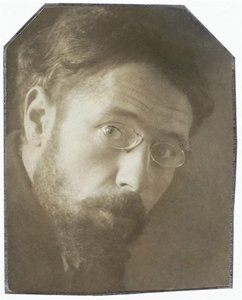
Pierre Bonnard
1867 - 1947 , Francuska
Brzi pregled
- Artistic Movement Or Style: Postimpresionizam
- Artists Or Movements Influenced By This Artist: ['Les Nabis']
- Artists Who Influenced This Artist:
- Paul Gauguin
- Hokusai
- Date Of Birth: 1867.
- Date Of Death: 1947.
- Full Name: Pierre Bonnard
- Nationality: Francuz
- Notable Artworks:
- Žena u kockastom haljotu
- Orašar u cvjetu
- Place Of Birth: Fontenay-aux-Roses, Francija
Povezani članci
Shadow & Soul: Why Black & White Photography Remains the Ultimate Power Move in Modern Art
Discover why black & white photography remains a powerful force in contemporary art. Explore the impact of light, shadow, and texture through a visual journey of monochrome mastery and learn how to elevate your space with timeless grayscale aesthetics.

Monochrome Visions: Exploring the Aesthetic & Historical Significance of Black & White Photography
Explore the rich history & artistic power of black and white photography. From early techniques to iconic masters like Ansel Adams, discover why monochrome continues to captivate art lovers today. Expert insights for collectors.

Dark Masterpieces: 10 Iconic Paintings Dominated by Black Tones |
Explore 10 iconic paintings dominated by black tones, from Rembrandt’s chiaroscuro to Goya's dark expressions. Discover the stories behind these masterpieces & find museum-quality art reproductions for your home at .

White on Canvas: 10 Masterpieces & Timeless Elegance for Your Home Decor
Explore 10 iconic white paintings by Monet, Whistler & Rothko! Discover the stories behind these serene masterpieces and their impact on art history. Find museum-quality reproductions for your home decor at .
Mars Black Masterpieces: 10 Iconic Paintings & Timeless Art Decor Ideas
Delve into the power of 'Mars Black' with 10 iconic paintings by masters like Rembrandt & Caravaggio. Explore dramatic chiaroscuro, gothic art, and timeless beauty. Find museum-quality reproductions & elevate your home decor on .


