
 Pregledaj u realnoj veličini
 Pošalji
 Podijeli
 Detalji o umjetničkom djelu
 Vodič
Vodič

 Preuzmi umjetničko djelo
 Slični predmeti
 Rentgenska snimka
 Slide show
 Q&A
Q&A Statistika
Pauline Morton Sabin

- 59.0 x 73.0 cm


 Prikaži više
Giclée / Umjetnički otisak
Giclée tisak muzejske kvalitete ili otisak na platnu uz brzu izradu i raznolike opcije završne obrade. ( Kupi ručno oslikano djelo Prebacite na digitalnu sliku)




P118B €10

P118H €10

P118W €10

P438Z €10

P508JH €12

P508YH €12

P805H €10

P805Z €10

P919BZ €10

P919G €10

P919XJ €10

P959ZH €10

P968JZ €12

W106C €8

W218G €10

W218JH €8

W218Y €10

W307PJ €10

W316G €10

W316PJ €8

W316Y €10

W398PJ €8

W4111J €10

W500HY €15

W500JH €15

W692G €12

W849H €8

W940BG €15

W953PJ €8




Odaberite jednu od naših unaprijed definiranih veličina koje odgovaraju izvornim proporcijama umjetničkog djela.

Unesite potrebnu širinu i visinu kako bi odgovarali vašem okviru ili zidu. Print se može samo izrezati, nikada ne može biti veći od slike, stoga format s drugačijim omjerom stranica uzrokuje gubitak dijela slike. Prije bilo kakve štampe šaljemo vam digitalni prikaz (mockup) na odobrenje. Slika prikazana na ovoj stranici ne prikazuje stvarni rez — to prikazuje isključivo digitalni prikaz.
Dostava širom svijeta () u roku od 2 tjedna umjesto standardnih 4/5 tjedana. (1 Studeni)

Besplatna ekspresna dostava širom svijeta

Visokokvalitetno laneno platno

Potpuno osiguranje dostave

Jamstvo povrata carine i uvoznih poreza

Jamstvo vjernosti boja

Politika povrata u roku od 100 dana (samo u slučaju nedostataka)

Jamstvo povrata 100% novca

Popust na više proizvoda
 Opcija stakla dostupna je samo za dimenzije manje od 110 cm

Pauline Morton Sabin
Giclée / Umjetnički otisak
Veličina reprodukcije
-


Ukupna cijena
€ 71
Pauline Morton Sabin – A Portrait of Elegance in the Jazz Age
Philip Alexius de László’s 1926 painting, “Pauline Morton Sabin,” is more than just a portrait; it's a meticulously crafted snapshot of a moment within the opulent social landscape of the early 20th century. The canvas, measuring 59 x 73 cm, immediately draws the eye to its subject – Pauline Morton Sabin – a woman radiating quiet confidence and understated glamour. De László’s masterful technique, honed through years of studying academic traditions alongside contemporary portraiture trends, results in an image brimming with realism and a palpable sense of atmosphere.
- Subject & Composition: The painting centers on Pauline Sabin, depicted in a pose that suggests both formality and relaxed engagement. Her blonde hair is elegantly styled, complemented by a delicate pearl necklace – a symbol of wealth and status prevalent during this era. The inclusion of the fur coat, a hallmark of fashionable attire at the time, further emphasizes her privileged position.
- The Supporting Figures: Intriguingly, Sabin isn't alone. Two other individuals are present in the scene, positioned on either side of her. Their interaction, whether observation or conversation, adds layers of narrative and invites speculation about the context of this portrait session. This compositional choice elevates the work beyond a simple likeness, hinting at social dynamics and relationships within the elite circles De László frequented.
De László’s Technique: Realism and Atmospheric Depth
De László was renowned for his ability to capture not just physical appearance but also the very essence of his subjects. His technique involved meticulous layering of thin glazes, building up color gradually to achieve a luminous effect – a signature characteristic of his work. This approach is particularly evident in the rendering of Pauline’s skin tones, which possess a remarkable softness and depth. The subtle gradations of light and shadow create an almost three-dimensional quality, drawing the viewer into the scene.
- Brushwork: His brushstrokes are generally smooth and controlled, contributing to the overall sense of realism. However, he skillfully employs variations in pressure and direction to suggest texture – the plushness of the fur coat, the sheen of the pearl necklace, and the delicate flow of her hair.
- Color Palette: The color palette is restrained yet sophisticated, dominated by warm tones—ochres, browns, and creams—that evoke a sense of luxury and refinement. These colors are expertly balanced to create harmony and visual interest.
Historical Context & Symbolism
Painted in 1926, “Pauline Morton Sabin” reflects the vibrant social scene of the Jazz Age. The period was marked by economic prosperity, technological advancements, and a burgeoning fascination with modernity. Portraits like this one were commissioned not just to commemorate individuals but also to solidify their place within the established order. The inclusion of the fur coat, a symbol of wealth and status, underscores the subject's belonging to an elite social class.
- Social Portraiture: De László’s portraits were often commissioned by wealthy families and prominent figures, serving as visual records of their lives and achievements.
- The Role of the Artist: The artist himself played a crucial role in shaping the subject's image, carefully considering pose, expression, and attire to create a portrait that was both flattering and representative of the individual’s character.
Emotional Impact & Artistic Legacy
"Pauline Morton Sabin" transcends a simple depiction of a woman; it is an evocative portrayal of elegance, confidence, and social grace. De László's ability to capture not just physical likeness but also the subtle nuances of personality ensures that this painting continues to resonate with viewers today. This piece exemplifies De László’s enduring legacy as one of the most celebrated portrait painters of his time, a testament to his technical skill, artistic vision, and profound understanding of human character.
Pitanja i odgovori
Postoji li vodič za "Pauline Morton Sabin" autora Philip Alexius De László?
Vodič za "Pauline Morton Sabin" je stranica Vodič za učenike umjetničkog djela – isprintani informativni list koji prikazuje umjetničko djelo uz pripadajući opis, izvor i tablicu podataka (umjetnik, datumi, tehnika, izvorni dimenzije, kolekcija).
Koliko su boje djela "Pauline Morton Sabin" međusobno u harmoniji?
"Pauline Morton Sabin" autora Philip Alexius De László prikazuje Strong Color Unity kolorističku harmoniju.
Kolika je intenzitet boja u djelu "Pauline Morton Sabin" autora Philip Alexius De László?
"Pauline Morton Sabin" autora Philip Alexius De László prikazuje Balanced intenzitet boja.
Biografija umjetnika
Philip Alexius de László: Život i naslijeđe
Rano djetinjstvo i obrazovanje
Philip Alexius de László, rođen kao Fülöp Laub 30. travnja 1869. u Budimpešti na Ugrskoj, usredio je put od skromnih početaka do statusa slavnog portretista europskih plemića i aristokracije. Njegovi roditelji, Adolf i Johanna Laub, bili su krojač i šivačica židovskog podrijetla. Svoje prve umjetničke korake gradio je kroz šegrtovanje kod fotografa dok je istovremeno pohađao umjetničke studije. Upisom u Nacionalnu akademiju umjetnosti u Budimpešti, pod vodstvom majstora poput Bertalana Székelyja i Károlyja Lotza, postavio je temelje svoje vještine, dok su mu daljnji studiji u Münchenu i Parizu proširili umjetničke vidike i obogatili njegov stil.
Umjetnički razvoj i utjecaji
Rani rad de Lászloa odavao je oštro oko za detalje i rastuće majstorstvo u realizmu. Njegov stil prožeti je akademskim tradicijama naučenim na akademiji, ali i prevladavajućim trendovima portretne slikarstva kasnog 19. i ranog 20. stoljeća. Ubrzo se istaknuo sposobnošću da na platno prenese ne samo fizičku sličnost, već i samu srž osobnosti i društveni položaj svojih modela. Ključni trenutak dogodio se 1900. godine kada je njegov portret Papa Lava XIII. donio Veliku zlatnu medalju na Međunarodnoj izložbi u Parizu, čime je njegova međunarodna reputacija postala neupitna.
Karijera i najveća postignuća
Nakon pariskog uspjeha, de László se 1903. preselio u Beč, a potom se 1907. skrasio u Londonu, gdje je ostao do kraja života. Postao je izuzetno tražen portretist među europskom elitom, a njegovi klijenti uključivali su monarhe, plemiće, industrialce, znanstvenike i istaknute figure iz različitih područja.
- Značajni modeli: Sir Alfred East, Winifred Cavendish-Bentinck (Vojvotkinja od Portlanda), Lady Louise Mountbatten (Kraljica Švedske), Vita Sackville-West, Papa Lav XIII., Augusta Victoria (njemačka carica), Princess Alice of Battenberg i mnogi drugi.
- Počasti i priznanja: Imenovan članom Kraljevskog vitorijanskog reda (MVO) od strane Edwarda VII. 1909. godine. Dobio je plemićki čin od kralja Franje Josipa I od Mađarske 1912. godine, nakon čega je usvojio prezime „de László de Lombos”.
Osobni život i izazovi
Godine 1900. de László se oženio za Lucy Madeleine Guinness, članicu istaknutog bankarskog obitelji. Njihova je obitelj porodila šest djece i doživjela sedamnaest unuka. Iako je ranije pokazivao interes za katoličanstvo, nakon vjenčanja prešao je u anglikancizam. Unatoč britanskom državljanstvu i utemeljenom životu u Engleskoj, tijekom Prvog svjetskog rata (1917.-1918.) suočio se s interniranjem zbog sumnji vezanih uz njegove austrijske veze, što je bilo razdoblje velikih životnih nedaća.
Umjetnički stil i teme
De Lászlov stil prepoznatljiv je po svom realizmu, pedantnim detaljima i živopisnoj paleti boja. Bio je nevjerojatno vješt u dočaravanju tekstura tkanina, sjaja dragulja i nijansi kože. Njegovi portreti često zrače osjećajem elegancije, profinjenosti i društvenog prestiža. Iako je primarno poznat po portretiranju, stvarao je i pejzaže te žanrovske scene.
Povijesna važnost i naslijeđe
Rad Philipa de Lászloa pruža dragocjen uvid u živote i izgled europskog visokog društvaในช่วง kasnog 19. i ranog 20. stoljeća. Njegovi portreti služe kao povijesni dokumenti koji bilježe specifičnu eru i njezinu društvenu dinamiku. Iako je ponekad bio kritiziran zbog toga što je prvenstveno bio portretist visokog društva, njegova tehnička vještina i sposobnost dočaravanja karaktera neosporne su. Njegov opus obuhvaća gotovo 4.000 djela, uključujući crteže, a katalog svih njegovih radova (catalogue raisonné) trenutno je u pripremi. Preminuo je 22. studenog 1937. u Londonu, ostavivši iza sebe trajno naslijeđe kao jedan od vodećih portretista svog vremena.

Philip Alexius De László
1869 - 1937 , Mađarska
Osnovne informacije
- Birth Date: 1869
- Birth Place: Budapest, Mađarska
- Death Date: 1937
- Influenced By:
- Bertalan Székely
- Károly Lotz
- Movement: Realizam, Portretistika
- Name: Philip Alexius de László
- Nationality: Mađar, Britanac
- Notable Works:
- Portret pape Lava XIII.
- Portreti europske raji i aristokracije
Srodni članci
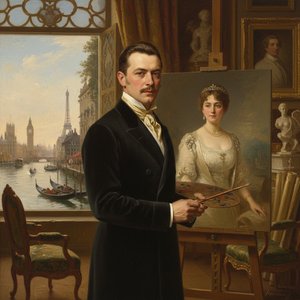
Philip de László: A Portrait of Aristocratic Society & the Cosmopolitan Painter's Evolution
Explore the life & art of Philip de László, master portraitist of European aristocracy. Discover his stunning paintings, royal commissions, and enduring legacy. A guide for discerning collectors.

The Enduring Legacy of Oil on Canvas: Technique, History & Aesthetic Impact
Explore the rich history & techniques of oil painting – from Renaissance masters to Impressionism. Discover pigments, layering methods, and why this timeless medium endures. Expert insights for artists & art enthusiasts.

Francisco Goya: 25 Remek-djela Španjolskog Majstora za Vaš Dom | OriginalUniqueArt
Uronite u svijet Francisca Goye! Otkrijte 25 remek-djela španjolskog majstora – od portreta do crnih slika. Povijest umjetnosti, tehnike i inspiracija za vaš dom. Kupite reprodukcije na OriginalUniqueArt.com!

About Us
Discover our story! We bring world-class art into your life through expert curation, personalized creations, and free previews. Trusted by individuals and businesses since 2000.

Oil on Canvas: A Historical & Technical Exploration of a Timeless Artistic Medium
Explore the rich history & enduring techniques of oil painting on canvas. Discover the science behind its longevity, conservation practices, and contemporary relevance. Expert insights for art enthusiasts.