

 Pregledaj u stvarnoj veličini
 Podijeli
 Podijeli
 Detalji
 Vodič
Vodič

 Preuzmi datoteku
 Slični predmeti
 Rentgenska snimka
 Slide show
 Statistika
(Edith Roosevelt)


 Pročitajte više
Giclée / Umjetnički otisak
Giclée tisak muzejske kvalitete ili otisak na platnu uz brzu proizvodnju i fleksibilne opcije završne obrade. ( Naručite ručno oslikano reprodukciju Prebacite na digitalnu prodaju slika)




P118B €10

P118H €10

P118W €10

P438Z €10

P508JH €12

P508YH €12

P805H €10

P805Z €10

P919BZ €10

P919G €10

P919XJ €10

P959ZH €10

P968JZ €12

W106C €8

W218G €10

W218JH €8

W218Y €10

W307PJ €10

W316G €10

W316PJ €8

W316Y €10

W398PJ €8

W4111J €10

W500HY €15

W500JH €15

W692G €12

W849H €8

W940BG €15

W953PJ €8




Odaberite jednu od naših unaprijed definiranih veličina koje odgovaraju izvornim proporcijama umjetničkog djela.

Unesite širinu i visinu koja vam je potrebna, kako bi odgovarali vašem okviru ili zidu. Print se može samo izrezati, nikada ne može biti veći od slike, stoga veličina s drugačijim oblikom gubi dio slike. Šaljemo vam digitalni prikaz (mockup) na odobrenje prije bilo kakve štampe. Slika prikazana na ovoj stranici ne prikazuje stvarni rez — to čini samo digitalni prikaz.
Dostava širom svijeta () u roku od 2 tjedna umjesto standardnih 4/5 tjedana. (27 Listopad)

Besplatna ekspresna dostava širom svijeta

Visokokvalitetno laneno platno

Potpuno osiguranje transporta

Jamstvo povrata carine i uvoznih poreza

Jamstvo vjernosti boja

Politika povrata u roku od 100 dana (samo u slučaju nedostataka)

Jamstvo povrata 100% novca

Popust na više proizvoda
 Opcija stakla dostupna je samo za dimenzije manje od 110 cm

(Edith Roosevelt)
Giclée / Umjetnički otisak
Veličina reprodukcije
-


Ukupna cijena
€ 70
Pitanja i odgovori
Kada je nastalo "(Edith Roosevelt)"?
Djelo "(Edith Roosevelt)" datira iz 1908. Taj datum smješta rad unutar karijere Philip Alexius De László i pripadajućeg mu doba.
Za koji prostor sugeriramo "(Edith Roosevelt)" autora Philip Alexius De László?
"(Edith Roosevelt)" autora Philip Alexius De László preporučuje se za Living Room. Ovaj prijedlog temelji se na temi, bojama i atmosferi djela.
Gdje mogu kupiti ručno oslikano reprodukciju djela "(Edith Roosevelt)" autora Philip Alexius De László?
Ručno oslikane kopije djela "(Edith Roosevelt)" autora Philip Alexius De László prodaju se na stranici ovaj web-mjesto: ručno oslikana uljana reprodukcija na lanenom platnu, a mogu se naručiti putem njihove stranice Ručno oslikana reprodukcija.
Biografija umjetnika
Philip Alexius de László: Život i naslijeđe
Rano djetinjstvo i obrazovanje
Philip Alexius de László, rođen kao Fülöp Laub 30. travnja 1869. u Budimpešti na Ugrskoj, usredio je put od skromnih početaka do statusa slavnog portretista europskih plemića i aristokracije. Njegovi roditelji, Adolf i Johanna Laub, bili su krojač i šivačica židovskog podrijetla. Svoje prve umjetničke korake gradio je kroz šegrtovanje kod fotografa dok je istovremeno pohađao umjetničke studije. Upisom u Nacionalnu akademiju umjetnosti u Budimpešti, pod vodstvom majstora poput Bertalana Székelyja i Károlyja Lotza, postavio je temelje svoje vještine, dok su mu daljnji studiji u Münchenu i Parizu proširili umjetničke vidike i obogatili njegov stil.
Umjetnički razvoj i utjecaji
Rani rad de Lászloa odavao je oštro oko za detalje i rastuće majstorstvo u realizmu. Njegov stil prožeti je akademskim tradicijama naučenim na akademiji, ali i prevladavajućim trendovima portretne slikarstva kasnog 19. i ranog 20. stoljeća. Ubrzo se istaknuo sposobnošću da na platno prenese ne samo fizičku sličnost, već i samu srž osobnosti i društveni položaj svojih modela. Ključni trenutak dogodio se 1900. godine kada je njegov portret Papa Lava XIII. donio Veliku zlatnu medalju na Međunarodnoj izložbi u Parizu, čime je njegova međunarodna reputacija postala neupitna.
Karijera i najveća postignuća
Nakon pariskog uspjeha, de László se 1903. preselio u Beč, a potom se 1907. skrasio u Londonu, gdje je ostao do kraja života. Postao je izuzetno tražen portretist među europskom elitom, a njegovi klijenti uključivali su monarhe, plemiće, industrialce, znanstvenike i istaknute figure iz različitih područja.
- Značajni modeli: Sir Alfred East, Winifred Cavendish-Bentinck (Vojvotkinja od Portlanda), Lady Louise Mountbatten (Kraljica Švedske), Vita Sackville-West, Papa Lav XIII., Augusta Victoria (njemačka carica), Princess Alice of Battenberg i mnogi drugi.
- Počasti i priznanja: Imenovan članom Kraljevskog vitorijanskog reda (MVO) od strane Edwarda VII. 1909. godine. Dobio je plemićki čin od kralja Franje Josipa I od Mađarske 1912. godine, nakon čega je usvojio prezime „de László de Lombos”.
Osobni život i izazovi
Godine 1900. de László se oženio za Lucy Madeleine Guinness, članicu istaknutog bankarskog obitelji. Njihova je obitelj porodila šest djece i doživjela sedamnaest unuka. Iako je ranije pokazivao interes za katoličanstvo, nakon vjenčanja prešao je u anglikancizam. Unatoč britanskom državljanstvu i utemeljenom životu u Engleskoj, tijekom Prvog svjetskog rata (1917.-1918.) suočio se s interniranjem zbog sumnji vezanih uz njegove austrijske veze, što je bilo razdoblje velikih životnih nedaća.
Umjetnički stil i teme
De Lászlov stil prepoznatljiv je po svom realizmu, pedantnim detaljima i živopisnoj paleti boja. Bio je nevjerojatno vješt u dočaravanju tekstura tkanina, sjaja dragulja i nijansi kože. Njegovi portreti često zrače osjećajem elegancije, profinjenosti i društvenog prestiža. Iako je primarno poznat po portretiranju, stvarao je i pejzaže te žanrovske scene.
Povijesna važnost i naslijeđe
Rad Philipa de Lászloa pruža dragocjen uvid u živote i izgled europskog visokog društvaในช่วง kasnog 19. i ranog 20. stoljeća. Njegovi portreti služe kao povijesni dokumenti koji bilježe specifičnu eru i njezinu društvenu dinamiku. Iako je ponekad bio kritiziran zbog toga što je prvenstveno bio portretist visokog društva, njegova tehnička vještina i sposobnost dočaravanja karaktera neosporne su. Njegov opus obuhvaća gotovo 4.000 djela, uključujući crteže, a katalog svih njegovih radova (catalogue raisonné) trenutno je u pripremi. Preminuo je 22. studenog 1937. u Londonu, ostavivši iza sebe trajno naslijeđe kao jedan od vodećih portretista svog vremena.

Philip Alexius De László
1869 - 1937 , Mađarska
Brzi pregled
- Birth Date: 1869
- Birth Place: Budapest, Mađarska
- Death Date: 1937
- Influenced By:
- Bertalan Székely
- Károly Lotz
- Movement: Realizam, Portretistika
- Name: Philip Alexius de László
- Nationality: Mađar, Britanac
- Notable Works:
- Portret pape Lava XIII.
- Portreti europske raji i aristokracije
Povezani članci

Slate Blue Masterpieces: 10 Iconic Paintings & Timeless Home Decor Ideas
Immerse yourself in the captivating world of slate blue! Explore 10 iconic paintings by Monet, Van Gogh & Renoir. Discover their stories, techniques & find museum-quality art reproductions for your home at .
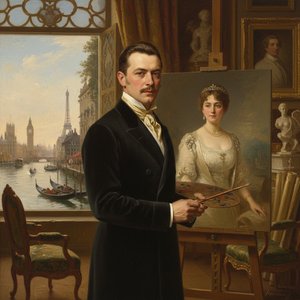
Philip de László: A Portrait of Aristocratic Society & the Cosmopolitan Painter's Evolution
Explore the life & art of Philip de László, master portraitist of European aristocracy. Discover his stunning paintings, royal commissions, and enduring legacy. A guide for discerning collectors.
The Allure of Azure: Exploring the Symbolic & Aesthetic Depths of Blue in Art History
Explore the rich history of blue in art! Discover its symbolism, from ancient pigments to modern masterpieces by Kandinsky & Seurat. Uncover the psychological impact and cultural meanings behind this captivating hue.

Francisco Goya: 25 Remek-djela Španjolskog Majstora za Vaš Dom | OriginalUniqueArt
Uronite u svijet Francisca Goye! Otkrijte 25 remek-djela španjolskog majstora – od portreta do crnih slika. Povijest umjetnosti, tehnike i inspiracija za vaš dom. Kupite reprodukcije na OriginalUniqueArt.com!

About Us
Discover our story! We bring world-class art into your life through expert curation, personalized creations, and free previews. Trusted by individuals and businesses since 2000.