

 Pregledaj u stvarnoj veličini
 Pošalji
 Podijeli
 Detalji o umjetničkom djelu

 Preuzmi
 Slični predmeti
 Rentgenska snimka
 Automatska prezentacija
Untitled
 1923
1923 40.0 x 29.0 cm
 Prikaži više
Kupite digitalnu sliku visoke rezolucije i poboljšane kvalitete, koja je znatno superiornija od online prikaza.
Svaka datoteka pedantno je pripremljena od strane naših internih stručnjaka koristeći napredne alate i vještinsku ručnu retušu. Osiguravamo da svaka slika ima iznimnu jasnoću, preciznu točnost boja i visoku razinu detalja.
Konačna datoteka dostavlja se putem e-pošte u roku od 72 sata, optimizirana za neposrednu upotrebu u profesionalnim, uredničkim i tiskarskim okruženjima. To je ista kvaliteta kojoj vjeruju vrhunski studiji dizajna, izdavači i galerije.
Digitalna slika
Preuzmite datoteku visoke rezolucije za osobnu izložbu, tisak i kreativne projekte. ( Kupi print Kupi ručno naslikanu sliku)
Uključeno uz svaku narudžbu digitalne slike
Profesionalna digitalna dostava, zajamčena
Odabirom OriginalUniqueArt.com ne dobivate samo sliku – dobivate profesionalno unapređeno digitalno umjetničko djelo, izrađeno s najvećom preciznošću uz jamstvo zadovoljstva. Evo svega što automatski dolazi uz vašu narudžbu:

Brza dostava e-poštom
Vaša digitalna slika visoke rezolucije bit će vam poslana e-mailom u roku od 72 sata od narudžbe – spremna za neposrednu upotrebu.

Digitalna datoteka poboljšana AI-om
Vaše umjetničko djelo profesionalno je optimizirano pomoću naprednih AI alata i ručnog uređivanja, čime se osigurava maksimalna razina detalja, oštrine i točnosti boja.

Besplatna ponovna dostava doživotno
Slučajno ste obrisali ili izgubili svoju datoteku? Ne brinite – ponovno ćemo vam je poslati u bilo kojem trenutku, potpuno besplatno.

Bez uvoznih carina – ikada
Uživajte u svojim umjetničkim djelima trenutno, bez carina, pristojbi ili troškova dostave – digitalne datoteke uvijek su oslobođene poreza.

Jamstvo točnosti boja
Uz pomoć profesionalnih alata i upravljanja bojama, osiguravamo da vaša digitalna slika što vjernije odražava izvorne boje.

Jamstvo zadovoljstva u trajanju od 60 dana
Ako niste zadovoljni svojom digitalnom slikom, revidirat ćemo je ili vratiti 100% novca u roku od 60 dana – bez ikakvih pitanja.

100% Jamstvo povrata novca
Niste zadovoljni? Osigurajte puni povrat novca u roku od 60 dana od primitka vaše digitalne datoteke – bez suvišnih pitanja.

Popusti na velike narudžbe
Kupite 3 slike, uštedite 10% - Kupite 5 slika, uštedite 15% - Kupite 10+ slika, uštedite 20%. Odlično za kreativne projekte, galerije i agencije.
Biografija umjetnika
Early Life and Artistic Foundations
Paul Kleinschmidt, born July 31st, 1883, in the small Pomeranian town of Bublitz (now Bobolice, Poland), emerged from a family steeped in artistic tradition—his father was a lithographer. This early exposure to visual creation undoubtedly shaped his trajectory, instilling within him an appreciation for form and line that would become hallmarks of his later work. Kleinschmidt’s formal training began at the prestigious Berlin Akademie, where he quickly gravitated towards the tutelage of Anton von Werner, a prominent history painter of the time. While Werner provided a solid foundation in traditional techniques, it was an encounter with Lovis Corinth during his student years that proved particularly formative. Corinth's influence steered Kleinschmidt toward a more expressive and emotionally charged approach to art, setting him on a path that would eventually lead him into the heart of German Expressionism. Further studies at the Akademie in Munich under Peter Halm and Heinrich von Zügel honed his skills in lithography and engraving—techniques he would master and employ throughout his career.The Berlin Years and Emerging Style
By the early 20th century, Kleinschmidt had established himself as a painter and graphic artist working in Berlin, a city pulsating with cultural ferment. He participated in modest ‘Sezession’ exhibitions in 1908 and 1911, signaling his alignment with avant-garde circles. However, it was the period following World War I that witnessed the full flowering of Kleinschmidt's distinctive style. While initially focused on portraiture and scenes of everyday life—capturing cabaret performers, workers, and members of the bourgeoisie—his work gradually shed its realist constraints in favor of a more subjective and emotionally intense aesthetic. Thick impasto brushstrokes, exaggerated forms, and distorted proportions became characteristic features, placing him firmly within the Expressionist movement. Yet, Kleinschmidt’s expressionism remained uniquely grounded in physicality; unlike many contemporaries who embraced abstraction, he retained a strong connection to the tangible world, imbuing his figures with a vibrant presence.Themes of Urban Life and Human Condition
Kleinschmidt's artistic vision was profoundly shaped by the dynamic—and often unsettling—atmosphere of Weimar Berlin. The city’s cabaret culture exerted a powerful influence, inspiring depictions that captured both its hedonistic allure and underlying melancholy. Works like “Cabaret Dancers” (1925) exemplify this sensibility, conveying the garish energy and emotional complexity of these performances through bold colors and exaggerated expressions. Beyond the cabarets, Kleinschmidt consistently explored themes related to the human condition—often focusing on the female figure. His portrayals were rarely idealized; instead, he presented women with a raw honesty that acknowledged their sensuality, vulnerability, and inner turmoil. This unflinching gaze extended to his broader depictions of urban life, revealing both its vitality and alienation.Exile and Final Years
The rise of Nazism cast a dark shadow over Kleinschmidt’s career. In 1927, he was introduced to Erich Cohn, a New York City art collector who became an important sponsor. However, the political climate in Germany deteriorated rapidly throughout the early 1930s, forcing Kleinschmidt into a series of relocations—from Berlin to Ulm and then near Senden. Facing increasing repression, he made the difficult decision to emigrate, first to the Netherlands in 1936 and then to France in 1938. The outbreak of World War II brought further hardship; he was briefly imprisoned in several camps after the French capitulation. Despite these challenges, Kleinschmidt continued to create art until 1943, when he was forced to cease painting under Nazi directives. Tragically, his possessions were lost in an air raid in 1945, and he died on August 2nd, 1949, from a severe angina pectoris diagnosed earlier in the decade.Legacy and Historical Significance
Though not as widely celebrated during his lifetime as some of his Expressionist peers, Paul Kleinschmidt’s work represents a significant contribution to early 20th-century German art. His distinctive style—characterized by its vibrant color palette, emotional intensity, and unflinching portrayal of the human condition—continues to resonate with audiences today. His paintings offer a poignant glimpse into the complexities of life during a tumultuous era, capturing both the energy and anxieties of Weimar Berlin and the struggles of an artist navigating a world consumed by political upheaval. Kleinschmidt’s legacy lies in his ability to blend traditional techniques with expressive innovation, creating works that are at once visually captivating and emotionally profound. He remains a compelling figure whose art deserves continued recognition and appreciation.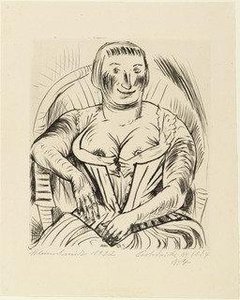
paul kleinschmidt
1883 - 1949
Kratke činjenice
- Artistic Movement Or Style: Expressionism
- Artists Or Movements Influenced By This Artist: Lovis Corinth
- Artists Who Influenced This Artist: Anton von Werner
- Date Of Death: 1949
- Full Name: Paul Kleinschmidt
- Nationality: German
- Notable Artworks:
- The Prodigal Son
- Untitled
- Place Of Birth: Bublitz, Pomerania

