

 Pregledaj u stvarnoj veličini
 Pošalji
 Podijeli
 Detalji o umjetničkom djelu

 Preuzmi
 Slični predmeti
 Rentgenska snimka
 Automatska prezentacija
Morphine Addicts
 Acrylic On Canvas
- WallArt
- Impressionism
 1887
1887 24.0 x 37.0 cm
 Muzej umjetnosti Metropolitan
 Prikaži više
Kupite digitalnu sliku visoke rezolucije i poboljšane kvalitete, koja je znatno superiornija od online prikaza.
Svaka datoteka pedantno je pripremljena od strane naših internih stručnjaka koristeći napredne alate i vještinsku ručnu retušu. Osiguravamo da svaka slika ima iznimnu jasnoću, preciznu točnost boja i visoku razinu detalja.
Konačna datoteka dostavlja se putem e-pošte u roku od 72 sata, optimizirana za neposrednu upotrebu u profesionalnim, uredničkim i tiskarskim okruženjima. To je ista kvaliteta kojoj vjeruju vrhunski studiji dizajna, izdavači i galerije.
Digitalna slika
Preuzmite datoteku visoke rezolucije za osobnu izložbu, tisak i kreativne projekte. ( Kupi print Kupi ručno naslikanu sliku)
Uključeno uz svaku narudžbu digitalne slike
Profesionalna digitalna dostava, zajamčena
Odabirom OriginalUniqueArt.com ne dobivate samo sliku – dobivate profesionalno unapređeno digitalno umjetničko djelo, izrađeno s najvećom preciznošću uz jamstvo zadovoljstva. Evo svega što automatski dolazi uz vašu narudžbu:

Brza dostava e-poštom
Vaša digitalna slika visoke rezolucije bit će vam poslana e-mailom u roku od 72 sata od narudžbe – spremna za neposrednu upotrebu.

Digitalna datoteka poboljšana AI-om
Vaše umjetničko djelo profesionalno je optimizirano pomoću naprednih AI alata i ručnog uređivanja, čime se osigurava maksimalna razina detalja, oštrine i točnosti boja.

Besplatna ponovna dostava doživotno
Slučajno ste obrisali ili izgubili svoju datoteku? Ne brinite – ponovno ćemo vam je poslati u bilo kojem trenutku, potpuno besplatno.

Bez uvoznih carina – ikada
Uživajte u svojim umjetničkim djelima trenutno, bez carina, pristojbi ili troškova dostave – digitalne datoteke uvijek su oslobođene poreza.

Jamstvo točnosti boja
Uz pomoć profesionalnih alata i upravljanja bojama, osiguravamo da vaša digitalna slika što vjernije odražava izvorne boje.

Jamstvo zadovoljstva u trajanju od 100 dana
Ako niste zadovoljni svojom digitalnom slikom, revidirat ćemo je ili vratiti 100% iznosa u roku od 100 dana – bez suvišnih pitanja.

100% Jamstvo povrata novca
Niste zadovoljni? Osigurajte puni povrat novca u roku od 100 dana od primitka digitalne datoteke – bez suvišnih pitanja.

Popusti na velike narudžbe
Kupite 3 slike, uštedite 10% - Kupite 5 slika, uštedite 15% - Kupite 10+ slika, uštedite 20%. Odlično za kreativne projekte, galerije i agencije.
Paul Albert Besnard - Morphine Addicts
Paul Albert Besnard (1849-1934) stands as a singular figure in French art of the late nineteenth and early twentieth centuries—a painter who stubbornly resisted categorization while simultaneously achieving remarkable success across diverse artistic mediums. Born in Paris, he possessed an innate talent nurtured by formal training at the École des Beaux-Arts under Jean Bremond and profoundly shaped by the pioneering spirit of Alexandre Cabanel, whose meticulous realism served as a cornerstone for Besnard’s initial artistic explorations. His academic grounding provided a disciplined foundation upon which he would later forge his own distinctive path, one characterized by an unwavering fascination with color and light—concepts championed by the Impressionists. Despite eschewing the overtly dramatic aesthetic favored by his contemporaries, Besnard skillfully adapted Impressionistic techniques to monumental decorative pro Besnard’s oeuvre is marked by a profound sensitivity to human emotion and psychological nuance, particularly evident in his portraits of women – figures rendered with exquisite detail and imbued with an aura of melancholy. “Morphine Addicts,” completed in 1887, exemplifies this artistic approach, presenting two women presented in a starkly lit laboratory setting—a juxtaposition that immediately invites contemplation on themes of illness, addiction, and the complexities of human experience. The artist’s masterful command of etching technique contributes significantly to the artwork's expressive power, capturing subtle tonal variations and textural nuances with remarkable precision. The composition itself is deliberately restrained, focusing intently on the faces and upper bodies of the subjects—a stylistic choice that underscores Besnard’s commitment to realism while simultaneously conveying a sense of intimacy. The figures are positioned slightly off-center, creating visual balance and drawing the viewer's gaze towards their expressive eyes. A table laden with scientific glassware serves as a grounding element, anchoring the scene within its clinical context and subtly hinting at the underlying narrative. Besnard’s meticulous hatching and crosshatching techniques—inherited from Cabanel’s influence—are employed to build up areas of shadow, enhancing depth and creating an atmosphere of quiet contemplation. Color plays a crucial role in conveying emotion, though Besnard eschews vibrant hues characteristic of Impressionism, opting instead for a monochrome palette dominated by shades of grey and white. This tonal scheme amplifies the artwork’s melancholic mood, emphasizing the vulnerability of the subjects and fostering a connection with the viewer on an emotional level. The artist skillfully utilizes light and shadow to sculpt the forms of the women's faces, highlighting their expressions and conveying subtle nuances of emotion—a testament to Besnard’s artistic prowess. Ultimately, “Morphine Addicts” transcends mere visual representation; it functions as a poignant meditation on human suffering and resilience. Besnard’s stylistic blend of academic realism with Impressionistic sensibilities captures the essence of his era—a period marked by intellectual curiosity and an exploration of psychological states. The artwork's enduring appeal lies in its ability to provoke reflection on themes of addiction, vulnerability, and the profound beauty found within moments of quiet introspection. It remains a compelling example of Besnard’s artistic vision and a testament to the power of art to communicate complex emotions with grace and subtlety.Biografija umjetnika
Sjajna baština Paula Alberta Besnarda
Paul Albert Besnard (1849-1934) stoji kao jedinstvena figura u tapiseriji francuske umjetnosti, slikar koji je plovio promjenjivim valovima kasnog devetnaestog i ranog dvadesetog stoljeća s neponovljivom, neklasificiranim umijećem. Rođen u Parizu, njegovo umjetničko putovanje započelo je unutar strogih okvira École des Beaux-Arts, gdje je studirao pod vodstvom Jeana Bremonda. Njegov rani razvoj duboko je oblikovao pedantni realizam Alexandre Cabanela, utjecaj koji je Besnardu pružio discipliniranu akademsku temeljnu strukturu. Ipak, ispod ovog klasičnog strogog treninga kucalo je srce modernizatora, onoga koji će na kraju izaći iz krutih granica tradicije kako bi priabrao prolaznu ljepotu svjetlosti i atmosfere.
Kako je njegova karijera sazrijevala, Besnard je počeo premošćivati jaz između strukturiranog svijeta akademskog slikarstva i živopisnih, senzornih istraživanja impresionizma. Iako nije u potpunosti napustio formu radi čiste apstrakcije, postao je majstor boje, koristeći paletu koja djeluje istovremeno luminozno i duboko emotivno. Njegovo djelo obilježeno je nepokolebljivom fascinacijom prema tome kako svjetlost interagirate s površinama, bilo da se radi o nježnoj koži u portretu ili impresivnim arhitektonskim prostranstvima njegovih najvećih zadužbi. Ova sposobnost spajanja monumentalnog s intimnim omogućila mu je da nadraste etikete svog doba, stvarajući stil koji djeluje istovremeno bezvremenski i izrazito suvremen.
Majstor razmjera i duha
Besnardov pravi genij bio je možda najvidljiviji u njegovoj sposobnosti da moderne senzibilitete prenese na veliku, dekorativnu razmjeru. On nije samo slikao slike; on je transformirao prostore. Njegovi ambiciozni fresci, koji krase neke od najprestižnijem institucija u Francuskoj, služe kao svjedočanstvo njegove vizije umjetnosti kao javnog, imerzivnog iskustva. Ova djela mogu se pronaći na mjestima kao što su:
- Sorbona, gdje njegovi potezi četkicom udišu život u akademski grandioznost.
- École de Pharmacie, pokazujući njegovu sposobnost integracije umjetnosti s funkcionalnom arhitekturom.
- Salle des Sciences u Comédie Française, trijumf dekorativnog pripovijedanja.
- Hôtel de Ville, odražavajući građanski ponos i estetsku sofisticiranost Pariza.
- Kapela bolnice Berck, gdje su njegove Stationes Crucis redefinirale religijsku ikonografiju kroz modernu, humanističku leću.
U tim masovnim poduhvatima, Besnard je izbjegavao pretjerano dramatičnu ili teatralnu estetiku koju su preferirali mnogi njegovi suvremenici. Umjesto toga, koristio je suptilniji, atmosferski pristup koji je dopuštao svjetlosti da vodi oko promatrača, osiguravajući da čak i najmasivnije kompozicije zadrže osjećaj poetske intimnosti i duhovne dubine.
Portretiranje i intimnost forme
Izvan prostranih vidika njegovih fresaka, Besnard je bio produktivni stvaratelj mnogo osobnijih djela. Posjedovao je izvanrednu sposobnost hvatanja psihološke bitine svojih subjekata kroz ulje, akvarel, pastel i litografiju. Njegovi portreti slave se ne samo zbog tehničke preciznosti, već i zbog dubokog emocionalnog odjeka. U njegovom prikazu Madame Georges Rodenbach, nalazi se hrabra istraživanja ljepote koja izaziva konvencionalne norme, pokazujući njegovu vještinu u prikazivanju teksture i karaktera s jednakim žarom.
Njegova svestranost kao grafičara i crtača omogućila mu je eksperimentiranje s interakcijom sjene i svjetlosti na mnogo delikatnijoj razini. Bilo da je prikazivao kraljevsko prisustvo Kralja i Kraljice Belgije ili tišinu pejzaža, Besnardovo djelo ostaje usidreno utjecajem koji podsjeća na Thomasa Gainsborougha — određenom elegancijom i ritmičnim protokom koji uzdižu samu temu. U konačnici, značaj Paula Alberta Besnarda leži upravo u toj dualnosti: bio je umjetnik koji je mogao vladati najvećim dvorama Francuske, dok je istovremeno hvatao najprolaznije, najnježnije šaptej svjetlosti.
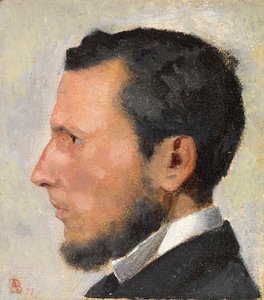
Paul Albert Besnard
1849 - 1934 , Francuska
Kratke činjenice
- Artistic Movement Or Style: Impresionizam
- Artists Or Movements Influenced By This Artist: ['Akademsko slikarstvo']
- Artists Who Influenced This Artist:
- Alexandre Cabanel
- Thomas Gainsborough
- Date Of Birth: Pariz, Francuska (1849)
- Date Of Death: 1934
- Full Name: Paul Albert Besnard
- Nationality: Francuz
- Notable Artworks:
- Smrt Timofana
- Mir putem arbitraže
- Portret Madame Georges Rodenbach
- Place Of Birth: Pariz