
 Pregledaj u stvarnoj veličini
 Podijeli
 Podijeli
 Detalji
 Vodič
Vodič

 Preuzmi datoteku
 Slični predmeti
 Rentgenska snimka
 Slide show
 Statistika
Emblem


 Pročitajte više
Ručno rađena uljana reprodukcija
Ručno oslikano uljanim bojama na platnu u dimenzijama i okviru po vašem izboru, izrađeno po narudžbi od strane naših umjetnika. ( Prebacite na prodaju printova Prebacite na digitalnu prodaju slika)




P118B €10

P118H €10

P118W €10

P438Z €10

P508JH €12

P508YH €12

P805H €10

P805Z €10

P919BZ €10

P919G €10

P919XJ €10

P959ZH €10

P968JZ €12

W106C €8

W218G €10

W218JH €8

W218Y €10

W307PJ €10

W316G €10

W316PJ €8

W316Y €10

W398PJ €8

W4111J €10

W500HY €15

W500JH €15

W692G €12

W849H €8

W940BG €15

W953PJ €8




Odaberite jednu od naših unaprijed definiranih veličina koje odgovaraju izvornim proporcijama umjetničkog djela.

Unesite širinu i visinu koja vam je potrebna, kako bi odgovarali vašem okviru ili zidu. Budući da je ovo ručno oslikano djelo, umjetnik može malo proširiti rubove slike ili ih skratiti kako bi postigao željeni oblik — izbor je vaš. Prije početka slikanja poslat ćemo vam digitalni prikaz (mockup) radi potvrde. Slika prikazana na ovoj stranici ne predstavlja stvarni rezultat — samo digitalni prikaz to čini.
Nakon narudžbe, tim OriginalUniqueArt.com kontaktirat će klijenta putem e-pošte radi dobivanja uputa te dostaviti probni prikaz (mockup)
Isporuka širom svijeta () u roku od 3-4 tjedna umjesto standardnih 5 tjedana. (24 Listopad). Bez kompromisa u kvaliteti.

Besplatna ekspresna dostava širom svijeta

Visokokvalitetno laneno platno

Potpuno osiguranje transporta

Jamstvo povrata carine i uvoznih poreza

Jamstvo vjernosti boja

Politika povrata u roku od 100 dana (samo u slučaju nedostataka)

Jamstvo povrata 100% novca

Popust na više proizvoda
 Opcija stakla dostupna je samo za dimenzije manje od 110 cm

Emblem
Tehnika izrade
Veličina reprodukcije
-


Ukupna cijena
€ 285
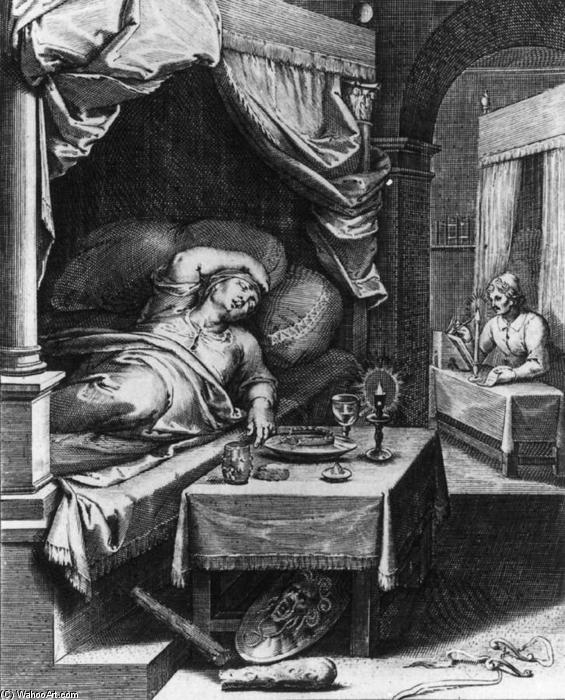
Otto van Veen’s Emblem: A Baroque Meditation on Grief
The engraving “Emblem,” created by Otto van Veen in 1607, stands as a testament to the artistic fervor of the Baroque period—a time marked by dramatic emotion and opulent visual grandeur. More than just a depiction of imagery, it's an immersive experience into the spiritual anxieties of its era, skillfully rendered with meticulous detail and imbued with profound symbolic resonance. This artwork resides within the North Carolina Museum of Art’s collection (Object Number: NCMA 1987.36), offering visitors a glimpse into the artistic sensibilities of Flemish Baroque art. ### Artistic Style and Technique – The Language of Emotion Van Veen's approach to engraving exemplifies the stylistic conventions prevalent during his time. Characterized by thick, expressive linework—primarily hatching and cross-hatching—the artist prioritizes conveying emotion over strict realism. Unlike Renaissance artists who sought idealized representations, Baroque painters like Van Veen embraced dramatic chiaroscuro (light and shadow), amplifying visual impact and fostering a palpable sense of sorrow. The engraving utilizes a burin tool to carve lines into a metal plate, transferring ink onto paper with remarkable precision—a technique that allowed for nuanced tonal gradations and heightened textural qualities. This careful execution contributes significantly to the artwork’s overall mood and reinforces its thematic concerns. ### Historical Context – Faith Amidst Turbulent Times “Emblem” emerged during a period of intense religious upheaval in Europe, specifically within the Low Countries. The Protestant Reformation had irrevocably fractured Christendom, sparking conflicts between Catholic and Protestant factions. Van Veen's artistic milieu was profoundly influenced by this turbulent landscape; he worked alongside humanist thinkers like Dominicus Lampsonius and Jean Ramée who championed classical learning and challenged traditional dogma. This intellectual climate fostered a preoccupation with mortality—a central theme explored in “Emblem”—reflecting anxieties about divine judgment and the fragility of human existence. The engraving’s solemn composition speaks to the spiritual fervor of its time, mirroring broader societal concerns regarding faith and morality. ### Symbolism – Death, Mourning, and Divine Lamentation The artwork's visual elements are laden with symbolic significance. At its core lies a reclining figure—likely representing Christ—surrounded by attendants who convey grief and sorrow. The opulent drapery and furnishings serve as emblems of wealth and status, yet simultaneously underscore the pervasive atmosphere of loss. The pyramidal structure of the image draws the viewer’s gaze upwards towards the central figure, emphasizing spiritual contemplation. Furthermore, the scene evokes themes of biblical lamentation—a common motif in Baroque art—reflecting a belief in divine compassion amidst human suffering. Each carefully positioned element contributes to the artwork's overarching narrative and invites viewers to contemplate profound existential questions. ### Emotional Impact – A Window into Baroque Soul Ultimately, “Emblem” succeeds in capturing the emotional intensity characteristic of Baroque art. The dramatic lighting casts deep shadows that heighten the mood of despair, while the meticulous linework conveys a palpable sense of sorrow and solemnity. Viewing this engraving is akin to stepping into a darkened chapel—a space designed for contemplation and reverence. It’s an artwork that transcends mere visual representation; it communicates profound spiritual truths through masterful technique and evocative imagery. Like Gerard Seghers' “Christ and the Penitent Sinners,” (NCMA 1987.36), “Emblem” exemplifies the Baroque preoccupation with conveying emotion and exploring themes of faith and mortality—a legacy that continues to inspire artists and collectors today.Pitanja i odgovori
Preporučena veličina ispisa za "Emblem" je?
Preporučena veličina tiska za "Emblem" je Large. Dostupne su i druge veličine istih proporcija.
Koja boja dominira u kompoziciji djela "Emblem" autora Otto Van Veen?
Phthalo Green (#252525) je dominantna boja djela "Emblem" autora Otto Van Veen.
Od čega je izrađeno "Emblem"?
Tehnika djela "Emblem" autora Otto Van Veen je Engraving. Reprodukcije imaju za cilj dočarati izgled ove tehnike.
Biografija umjetnika
Život koji je premostio renesansu i barok: Svijet Otta van Veena
Otto van Veen, ime koje odjekuje s odjeci umjetnosti kasnog 16. i ranog 17. stoljeća, zauzima fascinantno mjesto u povijesti umjetnosti. Rođen oko 1556. godine u Nizozemskoj, u Leidu, u obitelji istaknutog društvenog statusa — njegov je otac bio gradonačelnik — Van Veenov život bio je prožet promjenama vjeroispovijesti i umjetnom evolucijom. Religijske tenzije koje su u njegovom djetinjstvu obuzimale Niske zemlje duboko su oblikovale njegov put. Preseljenje njegove obitelji u Antverp 1ms72. godine, pokretno njihovom katoličkom vjerom usred uspona protestantizma, označilo je ne samo geografsku promjenu, već i prekretnicu u njegovom intelektualnom i umjetničkom oblikovanju. Ovaj je potez omogućio mu susret s utjecajnim figurama poput Dominicususa Lampsoniusa i Jeana Raméea, postavljajući temelje za karijeru prožetu humanističkim idealima i klasičnim učenjem. Njegovo naknadno putovanje u Rim oko 1574. ili 1575. godine pokazalo se presudnim; uranjajući u srce talijanske renesanse, upio je stilske nijanse koje će definirati njegovo zrelo djelo — eleganciju, profinjene kompozicije i naglasak na idealiziranim oblicima karakterističnim za manierizam. Točna mjera njegovog rimskog podučavanja ostaje predmet rasprava, pri čemu neki znanstvenici sugeriraju razdoblje pod vodstvom Federica Zuccarija, no njegov utjecaj je neosporan.Pokroviteljstvo, pedagogija i oblikovanje majstora
Nakon povratka iz Italije, Van Venu se brzo etablirao kao traženi umjetnik. Njegov talent osigurao mu je poziciju dvorinskog slikara kod Alexandera Farnesea, vojvode od Parme i guvernera Južne Nizozemske u Bruxellesu. Ovo pokroviteljstvo pružilo je ne samo financijsku stabilnost, već i pristup sofisticiranom umjetničkom okruženju te prilike za velike narudžbe. Postao je majstor u Antverpskoj esnadži Svetog Luke 1593. godine, čime je učvrstio svoj profesionalni status. Međutim, Vanveenovo naslijeđe proteže se daleko izvan njegovih vlastitih slika; ono je neraskidivo povezano s karijerom jednog od najslavnijih majstora u povijesti umjetnosti: Petera Paula Rubensa. Otprilike od 1594. ili 1595. do 1598. godine, Van Veen je služio kao Rubensov učitelj, ulijevajući mladom umjetniku rigorozno klasično obrazovanje i duboko uvažavanje humanističkih principa. Ovo mentorstvo bilo je ključno za oblikovanje Rubensovog intelektualnog okvira i umjetničkog osjećaja, postavljajući temelje za njegove buduće trijumfe. Van Veen nije samo prenosio tehničke vještine; on je njegovao svjetonazor koji je naglašavao integraciju umjetnosti, književnosti i filozofije — što je postalo zaštitni znak samog Rubensova plodnog stvaralaštva. Tijekom tog razdoblja, Van Veen je također preuzeo brojne religijske narudžbe, ukrašavajući crkve oltarima i kapelama, pokazujući svoju svestranost i rastuću reputaciju vještog i pouzdanog umjetnika.Manijeristička senzibilitnost i jezik emblematike
Vanveenov umjetnički stil čvrsto je ukorijenjen u manierizmu, estetici koju karakteriziraju izdužene figure, graciozni položaji, sofisticirane kompozicije i profinjena paleta. Njegine slike često zrače zrakom elegancije i intelektualnog promišljanja. Bio je poznat kao pictor doctus — učenjeni slikar — a taj naziv odražava njegovu predanost uključivanju humanističkih tema u svoje radove. Osim slikarstva, Van Veen je dao značajan doprinos rastućem polju knjiga s emblemima — popularnom žanru koji je kombinirao slike i tekst kako bi prenio moralne i filozofske poruke. Njegovi radovi Quinti Horatii Flacci Emblemata (1607), Amorum Emblemata (1608) i Amoris Divini Emblemata (1615) primeri su tog oblika, pokazujući njegovu vještinu i kao umjetnika i kao učenjaka. Posebno je Amorum Emblemata postigao široki utjecaj, služeći kao model za kasnija djela i inspirirajući umjetnike u različitim disciplinama. Njegovi prikazi putti figura koje izvode scene iz klasične književnosti i mitologije, popraćeni duhovitim motoima, uhvatili su duh renesansnog humanizma i njegovu fascinaciju ljubavlju — kako zemaljskom, tako i božanskom.Kasne godine i trajni utjecaj
Čak i kada su umjetnički ukusi počeli težiti dinamizmu baroka, Van Veen je nastavio uspijevati. Održavao je veze s arciđukovima Albertom i Izabelom, iako nije imao službeni dvorinski položaj. Značajan poduhvat u ovom razdoblju bila je serija dvanaest slika koje prikazuju bitke između Rimljana i Batavaca, narudžbu koju je dao Generalni stan Nizozemske na temelju ranijih gravura koje je on sam proizveo. Ovaj projekt pokazuje njegovu sposobnost prilagodbe promjenjivim političkim pejzažima i zadovoljavanju različitim umjetničkim zahtjevima. Tijekom cijele svoje karijere, Van Veen je ostao aktivno uključen u umjetničku zajednicu Antverpa, služeći kao dekan i esnadže Svetog Luke (1602.) i Romanista (1606.). Dolazio je iz obitelji s iznimnim umjetničkim talentom; njegov brat Gijsbert bio je vješt gravir, njegova kći Gertruid također se bavila slikarstvom, a nekoliko nećaka radilo je kao umjetnici pastel. Otto van Veen umro je u Bruxellesu 1629. godine, ostavljajući za sobom naslijeđe koje je prevazlazilo njegov vlastiti opus. Arnold Houbraken, poznati nizozemski povjesničar umjetnosti, prepoznao ga je kao najimpresivnijeg umjetnika i učenjaka svog vremena, čak je njegov portret postavio na naslovnu stranicu svoje utjecajne knjige De Groote Schouburgh der Nederlantsche Konstschilders en Schildersessen. Njegova trajna važnost leži ne samo u vlastitim umjetničkim postignućima, već i u njegovoj ključnoj ulozi učitelja i mentora — najpoznatije Rubensu — te u doprinosu intelektualnim i umjetničkim strujama svog doba. On ostaje uvjerljiva figura koja premošćuje jaz između renesanse i baroka, utjelovujući ideale humanističkog umjetnika i ostavljajući neizbrisiv trag u povijesti flamantskog slikarstva.
Otto Van Veen
1556 - 1629 , Nizozemska
Brzi pregled
- Artistic Movement Or Style: Manirizam
- Artists Or Movements Influenced By This Artist: ['Peter Paul Rubens']
- Artists Who Influenced This Artist: ['Federico Zuccari']
- Date Of Birth: 1556.
- Date Of Death: 1629.
- Full Name: Otto van Veen
- Nationality: Flamanski
- Notable Artworks:
- Batavijci u pobjedi nad Romanima
- Mirni pregovori
- Brinno podignut na štit
- Amorum Emblemata
- Place Of Birth: Leiden, Nizemlanda
Povezani članci

Rembrandt van Rijn: 25 Majstorstava Svjetla i Sjene | Reprodukcije za Vaš Dom
Uronite u svijet Rembrandta van Rijna! Otkrijte 25 najpoznatijih djela nizozemskog baroka, priče iza portreta i biblijskih scena te majstorstvo svjetla i sjene. Kupite reprodukcije vrhunske kvalitete za vaš dom na OriginalUniqueArt.com

Razotkrivanje baroknog sjaja: Vodič kroz dramu i emocije umjetnosti 17. stoljeća
Otkrijte dramu i emocije barokne umjetnosti kroz vrhunsku analizu tehnika i majstora. Zaronite u povijest 17. stoljeća već sada.
Engraving's Golden Age: 10 Masterpieces That Redefined Art | OriginalUniqueArt
Journey through art history with our Top 10 Legendary Engravings! Explore masterpieces by Dürer, Rembrandt & Goya. Discover the stories behind these iconic prints and find museum-quality reproductions for your home at OriginalUniqueArt.com.

Baroque Classicism: The Grandeur of Order and Drama in 17th-Century Art History
Explore the profound elegance of Baroque Classicism. Discover how 17th-century masters synthesized dramatic emotion with classical order through the lens of the Counter-Reformation and the works of legends like Carlo Maratta and Andrea Sacchi.
Masterpieces of the 17th Century: Art, History & Decor Inspiration | OriginalUniqueArt
Journey through 17th century art with masterpieces by Rembrandt, Vermeer & Caravaggio. Explore Baroque paintings, Dutch Golden Age techniques & timeless beauty. Find museum-quality reproductions and elevate your home decor on OriginalUniqueArt.com.